Best Bread Machine With Gluten Free Setting: Sizes and Cycles (2026)
Disclosure: We may earn a commission when you buy through links on this page, at no extra cost to you. As an Amazon Associate I earn from qualifying purchases. Learn more
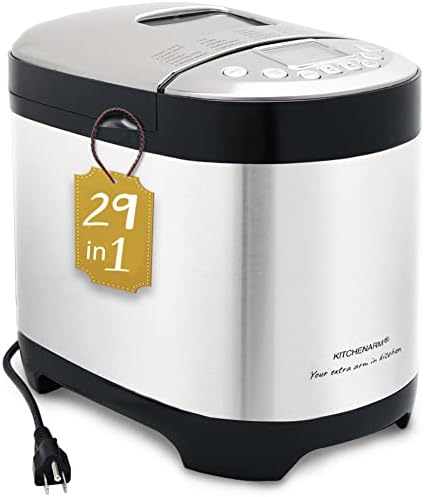
Best bread machine with gluten free setting guide to loaf sizes, single rise cycles, pan shapes and ownership costs.
Saturday morning in a busy family kitchen often starts with a familiar problem. The store bought gluten free loaf is gone, the bakery option costs a lot, and someone still needs sandwich bread for Monday. Finding the best bread machine with gluten free setting solves that gap at home, but only if the machine fits your counter, your household size, and the way you actually bake each week.
This guide skips brand hype and focuses on fit. You will compare loaf sizes, pan shapes, cycle design, and ownership costs, then match a style of machine to your home using the product table.
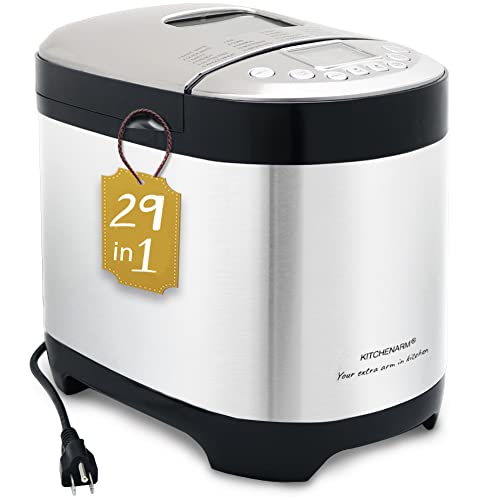

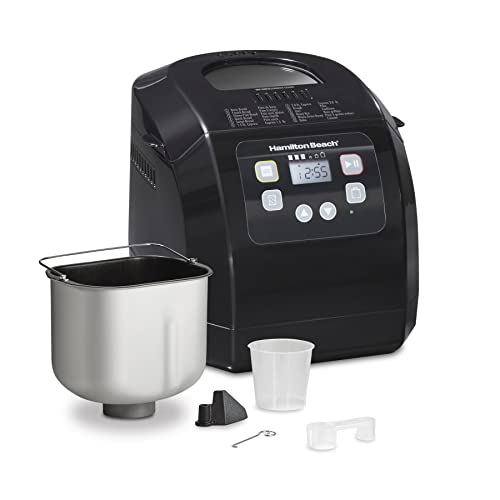


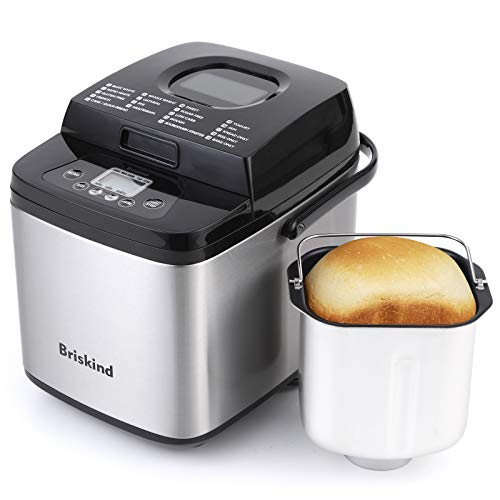

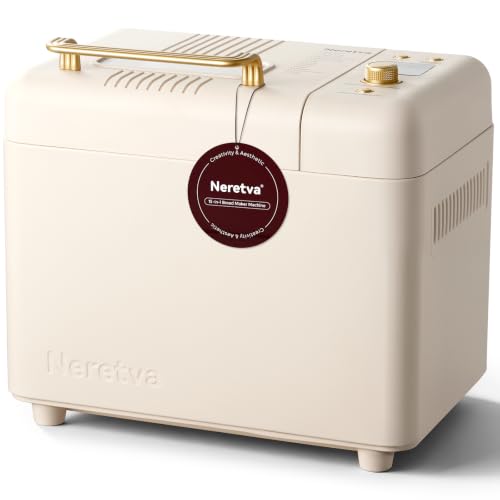

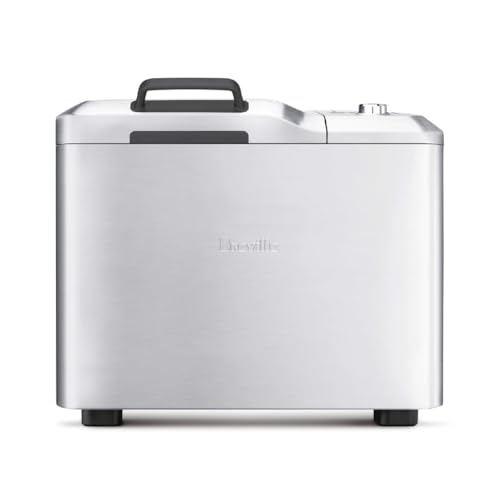
Quick Answer: What Matters Most in 30 Seconds
Start with loaf size and cycle design, not extra programs. A true gluten free cycle mixes a wet, batter like dough thoroughly, allows one steady rise, and bakes long enough for the center to set. Add a pan shape your family likes, a footprint you can store, and a sensible budget, and your shortlist will shrink fast.
Before You Buy: A Quick Checklist for Choosing a Bread Machine
Size: Match It to Your Space
Loaf capacity drives everything else. A 1 lb or 1.5 lb machine suits one or two people and keeps waste low, since gluten free bread stales faster than wheat bread. A 2 lb model feeds a family that uses bread daily for sandwiches and toast. A 2.5 lb option suits frequent gatherings only, since oversized gluten free loaves can bake unevenly.
Which Type Fits Your Routine
Vertical machines take less counter room and produce tall loaves that slice well for toast. Horizontal machines make a shape closer to a bakery loaf, which many families prefer for sandwiches. A dual paddle design mixes thick gluten free dough more evenly in a wide pan. Programmable models let you adjust kneading and rise times, which helps once you settle on a favorite flour blend.
Features Worth Paying For and Ones to Skip
Pay for a dedicated gluten free cycle, a dough setting for rolls and pizza bases, and a delay timer if you want bread ready at breakfast. A fruit and nut dispenser helps with seeded loaves but matters less for plain sandwich bread. Skip jam programs, rapid cycles that rush the rise, and long preset menus you will never open.
Wattage, Power and Energy Use
Most home machines draw about 550 to 800 watts, with larger models at the top of that range. A full cycle still uses far less energy than heating a full size oven for one loaf, which is part of the appeal for small households. Wattage alone does not predict a good bake, though. Even heat around the pan and a cycle that holds warmth during the single rise matter far more for gluten free dough.
Safety Features and Certifications
Look for a UL or ETL listing, which means the electrical design has passed independent safety evaluation. A secure lid, stable feet, and a pan that locks firmly in place all matter when a thick dough pushes against the paddle. Automatic shutoff after the bake and a cool exterior during long cycles add peace of mind in homes where the machine runs while you do other tasks nearby.
Counter Space and Dimensions
Measure before you shop, including the height with the lid fully open, since low cabinets block many taller models. Note the depth too, because cords and vents need a little clearance behind the unit. If storage is tight, a compact vertical machine that slides into a pantry beats a wide model that crowds the counter full time.
Realistic Budget Ranges
Listings in the product table run from about $80 to $400, with most between $80 and $180. At that level you get a gluten free cycle, more loaf sizes, and sturdier pans, and the top of the range pays for custom cycle controls and quieter motors. For a broader view of the category, see our guide to the best bread machine range before you decide.
Best Bread Machine With Gluten Free Setting: Who Should Buy Which Style?
Households Managing a Strict Gluten Free Diet
If anyone in your home has celiac disease, control of ingredients and careful cleaning matter as much as the bake itself. Choose a machine you can dedicate to gluten free baking only, with a removable pan and paddle that wash easily. A model with a thorough mixing phase helps because rice and sorghum based doughs need full hydration. If symptoms continue despite a gluten free diet, talk with your clinician or dietitian about your personal needs.
Families Baking Gluten Free Bread Several Times a Week
Frequent bakers need capacity and consistency more than novelty programs. A 2 lb horizontal pan gives sandwich ready slices, and a dual paddle setup handles the stiff, sticky dough without leaving dry flour in the corners. A delay timer and a reliable keep warm hour make school morning routines easier. Durability of the pan coating matters here too, since weekly scraping and washing will wear on it over time.
Small Households and New Gluten Free Bakers
Singles, couples, and anyone baking their first gluten free loaves usually do best with a compact 1 lb or 1.5 lb machine. Smaller loaves mean fresher bread, less waste, and quicker learning, since each trial bake costs less in flour. Simple controls help you repeat a good result instead of guessing. Our roundup of the best bread machine for beginners explains starter friendly features in more depth.
Types Compared: How Machines With a Gluten Free Cycle Differ
Compact vertical models are the space savers. They mix and bake in a tall pan, cost the least to own, and suit toast lovers and small kitchens. Their trade off is slice shape, since tall loaves can be awkward for wide sandwiches, and single paddles may need one scrape down of the sides during mixing when the dough is very wet.
Midsize horizontal models are the family workhorses. A wider pan gives even slices, the gluten free cycle is usually more refined, and crust color controls help with pale rice flour loaves that need extra browning time. They take more storage room, but frequent bakers will find that space well used.
Large programmable models serve confident bakers who tweak recipes. Custom knead, rise, and bake times let you adapt to bean flours, teff, or high fiber blends that behave differently from standard mixes. If you also weigh a bread machine vs stand mixer decision, remember that only the machine gives you mixing, rising, and baking in one pan with almost no active time.
Do You Really Need a Dedicated Gluten Free Setting?
Often, yes. That cycle design is what defines the best bread machine with gluten free setting in daily use. Gluten free dough has no gluten network to trap gas, so it needs strong initial mixing, help with scraping the pan sides, and just one rise before baking. A standard wheat cycle kneads, rests, and kneads again, and that second punch down can knock out the little rise your loaf managed. A dedicated cycle protects that single rise and usually bakes longer, which sets the moist crumb. Readers comparing a dedicated unit with a general one may also find our guide to the best gluten free bread machine useful. If you bake gluten free bread only rarely, the dough cycle plus your oven is a workable backup, but the results will vary more from loaf to loaf.
Common Buying Mistakes to Avoid
- Buying the largest loaf size by default, then wasting bread because gluten free loaves stale quickly and freeze in slices better than as whole loaves.
- Assuming any machine with many programs handles gluten free dough well, when the cycle still includes a second knead that ruins the rise.
- Ignoring pan shape, then struggling to make even sandwich slices from a very tall, narrow loaf.
- Forgetting replacement costs, since pans and paddles wear out first and some brands price those parts high.
- Placing the machine under low cabinets without checking lid clearance, then having to pull it out for every single bake.
Cost of Ownership and Care
Running costs stay modest. Electricity for one cycle is minor next to the price of gluten free flour blends, which are the real ongoing expense, along with yeast and any seeds or grains you add. Budget for a replacement paddle or pan every few years with weekly use. Wipe the interior after each bake once it cools, brush crumbs from around the heating element, and wash the pan by hand to protect the nonstick coating. Store the machine with the lid ajar so moisture escapes. If you are still learning the basics, our walkthrough on how to use a bread machine covers loading order and pan care step by step.
Your Questions, Answered
Can you adapt a regular bread recipe for the gluten free cycle in a bread machine?
Yes, but not by swapping flour alone. Gluten free versions need more liquid than wheat recipes, plus a binder such as xanthan gum or psyllium husk if your blend does not already include one. Expect a thick batter rather than a firm dough ball. Start from a recipe written for machines, adjust liquid a spoonful at a time across bakes, and write down what worked so your next loaf repeats the result.
Why does gluten free bread sink in the middle in a bread machine?
A sunken center usually means too much liquid, too much yeast, or a rise that went too long in a warm kitchen. The fragile structure rises fast, then cannot hold its shape once baking starts. Try a small liquid reduction first, since flour blends absorb water at different rates. Also check that you measured salt, because salt steadies yeast activity and a missing pinch can let the loaf over rise.
Can a bread machine make gluten free pizza dough on the dough setting?
Yes, and the dough setting is one of the best uses beyond sandwich loaves. The machine mixes the sticky dough evenly and keeps it warm while it rises, which saves effort and mess. Press the dough onto parchment with wet or oiled hands rather than rolling it, since gluten free pizza dough tears easily. Bake it on a hot pan or stone for a crisper base, and add toppings after a short prebake.
Should you take the paddle out before baking bread in a bread machine?
You can, and it leaves a much smaller hole in the bottom of the loaf. Pause the machine after the final knead, lift the dough gently, remove the paddle, and reshape the top with wet fingers before the rise begins. The trade off is timing, since you must be nearby at the right moment. Many home bakers skip this step on busy days and simply slice around the small paddle mark instead.
Is a bread machine a sensible purchase for a gluten free home?
For most gluten free homes, yes, because store bought loaves are costly and a home loaf can cost far less per slice once you bake weekly. The machine also gives you control over texture and ingredients that packaged bread rarely offers. If you want the fuller cost picture before buying, read our analysis asking is a bread machine worth it for a breakdown of savings over time.
Final Thoughts
Match the machine to your kitchen first, then to your recipe habits. The right loaf size, a genuine single rise gluten free cycle, and a pan shape your family enjoys will matter every week, long after extra programs are forgotten. Use the product table above to compare your finalists side by side, and choose the best bread machine with gluten free setting that fits your space, your household, and your budget without forcing compromises you will feel at every breakfast.