Best Breville Electric Kettle: Capacity, Temperature Control and Care (2026)
Disclosure: We may earn a commission when you buy through links on this page, at no extra cost to you. As an Amazon Associate I earn from qualifying purchases. Learn more

Best Breville electric kettle guide to capacity, temperature control, glass vs steel bodies and descaling.
Picture a weekday morning in a busy kitchen. One person needs hot water for tea, another wants coffee, and a pot of oatmeal is waiting on the stove. A kettle that heats fast and pours cleanly can calm that whole routine. Finding the best breville electric kettle for your home comes down to three things: how many people you serve, how much counter space you can give up, and how much control you want over water temperature.
This guide walks through the Breville lineup by home size, layout, and budget, so you can match a kettle type to the way your household actually lives. Use the product table to see the main models side by side, then read on for the details that separate a good fit from a frustrating one.

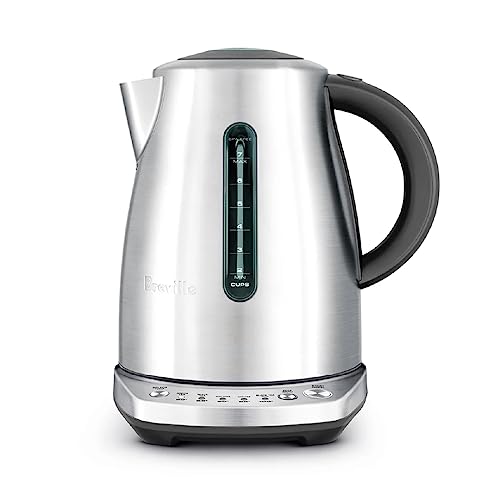
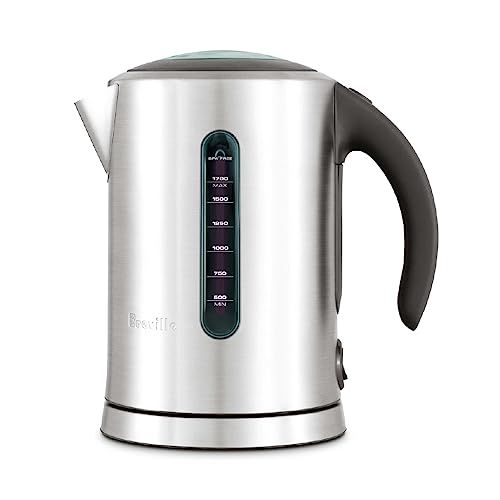

Quick Answer: How to Choose in 30 Seconds
If you only boil water for drinks and simple cooking, a standard stainless steel kettle with a single boil setting covers nearly every home. If you brew green tea, white tea, or delicate coffee styles, choose a variable temperature model so the water suits the drink instead of scorching it. Small kitchens and single person homes do better with a compact capacity around 1 liter, while families who refill often should look at the full 1.7 liter size. Glass suits readers who like watching the water level at a glance, and a double wall body stays cooler to the touch in homes with kids nearby.
Before You Buy: A Quick Checklist for Choosing an Electric Kettle
Size: Match It to Your Space
Capacity shapes your whole experience with a kettle. A compact model around 0.5 to 1 liter suits one or two people, heats a small amount quickly, and leaves room on the counter for other tools. The common family size is about 1.7 liters, enough for several mugs plus a pot of pasta water, but it asks for more storage room and feels heavy when full. If guests often join you, the larger size saves repeated refills, while a smaller kettle rewards you with speed and a lighter lift every single day.
Which Type Fits Your Routine
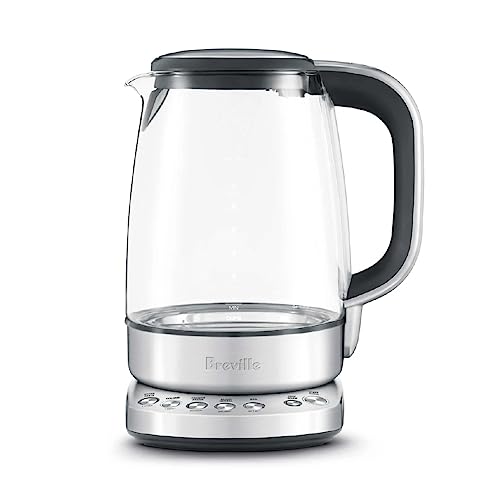
Breville sells several kettle styles, and each one suits a different routine. A standard jug kettle is the simplest choice for boiling water fast. A glass kettle lets you see scale building up, which reminds you to clean on time. Stainless steel hides water marks and tends to feel sturdy in daily use. A gooseneck spout pours slowly and steadily, which matters for pour over coffee, and our guide to the best gooseneck electric kettle explains that style in depth. A double wall design adds insulation, so the outside stays cooler and the water stays hot a little longer between pours.
Features Worth It (and Ones to Skip)
A few features earn their cost, and others mostly add buttons. Temperature control is worth paying for when you brew tea or coffee that suffers in fully boiled water. A keep warm setting helps when your household pours in stages over an hour or so. An automatic shut off and boil dry protection are safety basics you should expect at every price. A tea infuser basket only helps if you brew loose leaf tea in the kettle itself, and most homes brew in a pot or cup instead. Smart app controls rarely change how the water tastes, so skip them unless you truly love connected appliances.
Brew Temperature and Water Quality
Water temperature changes flavor more than most people expect. Black tea and herbal blends like water at a full boil, around 212 degrees Fahrenheit. Green and white teas taste sweeter and less bitter near 160 to 185 degrees, and pour over coffee usually lands between 195 and 205 degrees. If those drinks fill your mornings, read our guide to the best electric kettle with temperature control before you decide. Also think about your tap water itself. Hard water leaves mineral scale on the heating element and the walls, which slows boiling over time and can add a chalky note to delicate drinks.
Water Reservoir, Filters and Descaling
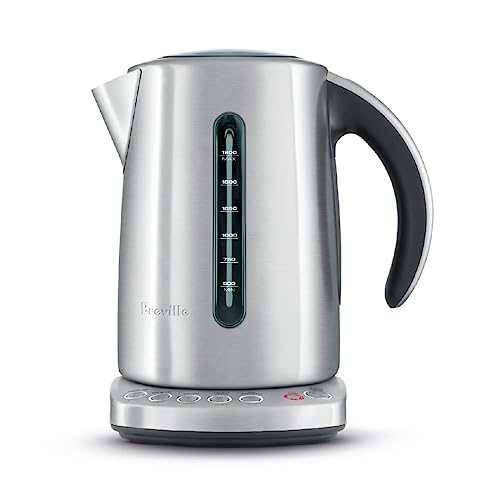
Most Breville kettles hide the heating element under the floor of the jug, which keeps the inside smooth and easier to wipe. A removable mesh filter sits at the spout and catches scale flakes before they reach your cup, and it pulls out for rinsing under the tap. The water window should show clear markings so you can fill for one mug without boiling a full jug. Scale is the main upkeep chore with any kettle, and our step by step guide on how to descale an electric kettle walks through the vinegar and citric acid methods in full.
Counter Footprint
A kettle lives on your counter every day, so measure before you buy. Check the space under your upper cabinets, since a tall jug plus an open lid needs more clearance than the listed height suggests. The power base needs a spot near an outlet, and the cord should reach without crossing a sink or a stove burner. Homes with open shelving instead of cabinets can store a compact kettle away between uses, while a large family model usually earns a permanent spot.
Realistic Budget Ranges
Breville sits above bargain brands, so set expectations before you shop. Listings in the product table run from about $95 to $220. Simple boil only models sit at the low end and cover basic daily use well, while variable temperature models and premium builds with more presets and refined finishes cost more. Spending more mainly buys temperature control, quieter operation, and finish quality rather than faster water alone.
Best Breville Electric Kettle Types: How the Lineup Breaks Down
Instead of ranking individual models, it helps to compare the main types in the lineup by the job each one does best. Standard stainless steel kettles are the workhorses, with fast boiling, simple controls, and bodies that shrug off daily bumps. Glass kettles trade some toughness for visibility, which suits careful users who descale on a schedule. Variable temperature kettles add preset heat levels for tea and coffee, and they are the natural step up for drink focused homes. Compact kettles serve dorms, offices, and small apartments where every inch of counter counts. If you are still weighing the brand against the wider market, our roundup of the best electric kettle options shows how Breville compares with other makers.
Tea drinkers deserve a special note here. Different leaves want different heat, and a household that drinks green tea daily will taste the upgrade from temperature control right away. Our guide to the best electric kettle for tea goes deeper on steeping temperatures by tea type. Coffee drinkers who brew by hand should weight pour control more heavily, since a steady thin stream keeps the grounds evenly wet. Everyone else can safely choose on size, footprint, and price, since plain boiled water tastes the same from any sound kettle in the range.
The Breville Electric Kettle Lineup Explained
Think of the lineup as three tiers that map to three kinds of homes. The entry tier covers small and standard kettles with a single boil setting, aimed at renters, offices, and anyone who just wants fast hot water. The middle tier adds glass bodies, larger capacities, and early temperature presets, which fits most family kitchens that mix tea, coffee, and cooking water through the day. The top tier focuses on precise temperature control, quieter boiling, and premium finishes for drink enthusiasts who brew with care. Matching your home to a tier first makes the final choice between similar models much easier, and it keeps you from paying for presets your household will never touch.
Common Buying Mistakes to Avoid
- Buying the largest capacity for a small kitchen, so the kettle crowds the counter and stays heavy to lift even when half full.
- Paying for temperature presets when everyone in the home drinks only black tea and instant drinks that want a full boil anyway.
- Ignoring the height with the lid open, then finding the kettle cannot fill comfortably under low upper cabinets.
- Choosing glass for a rough and busy family kitchen where a steel body would survive daily knocks far better.
- Forgetting the cost and effort of descaling in a hard water area, which shortens the life of any kettle you buy.
Cost of Ownership and Care
Owning a kettle costs little beyond the purchase price, but a few habits protect your money. Electricity for boiling is modest, and filling only the water you need keeps both the bill and the wait time down. Replacement filters are inexpensive and rarely needed if you rinse the mesh filter monthly. Wipe the outside with a damp cloth, and never immerse the jug or the power base in water, since the electrical parts sit in both. Descale on a regular rhythm based on your water hardness, roughly every one to three months, so the element keeps heating efficiently and the water keeps tasting clean.
FAQ
Which Breville electric kettle should I buy first if I feel unsure?
Start with the standard size variable temperature type if your budget allows it, and the basic stainless steel type if it does not. Deciding in that order settles most homes, because capacity affects every use while presets only matter for specific drinks. If two people or fewer live in your home, step down to the compact size and save the counter room.
Is Breville a good electric kettle brand?
Yes, Breville is a well regarded brand in this category, known for solid build quality and thoughtful details like soft opening lids and clear water windows. You pay more than bargain brands charge, and in return you get better fit and finish plus a real warranty and parts support. That support matters most if a lid hinge or base ever fails outside the first year.
How do you clean an electric kettle day to day?
Unplug the kettle and let it cool fully before you touch the inside, since the hidden element keeps the floor of the jug hot after boiling. For daily care, empty leftover water instead of leaving it sitting overnight, rinse the jug, and leave the lid open so the inside dries. Standing water speeds up scale and can leave a stale taste in the first cup of the morning.
How long does an electric kettle last?
A well cared for kettle from a known brand often serves for several years of daily use. Hard water is the biggest threat to lifespan, because thick scale forces the element to work harder with every boil. Storing the kettle dry, with the cord wrapped under the base rather than pinched in a drawer, also protects the parts that tend to fail first.
Is an electric kettle worth it over a stovetop model?
For most homes, yes, because an electric kettle heats water faster and shuts itself off when it reaches a boil, so you can walk away safely. It also holds a set temperature on preset models, which a stovetop kettle cannot do. Our comparison of electric kettle vs stovetop kettle covers energy use and speed in more detail if you are still deciding.
Final Thoughts
The right choice depends on your kitchen, not on the longest feature list. Match the capacity to your household, give temperature control serious thought if tea or pour over coffee fills your mornings, and measure your counter space before anything ships. Do that, and the best breville electric kettle for your home becomes an easy pick rather than a guess. Check the product table above once more to compare the main types side by side, then choose the tier that fits your space, your family size, and your budget.