Best Bread Machine for Dough: Pan Size, Paddles and Settings (2026)
Disclosure: We may earn a commission when you buy through links on this page, at no extra cost to you. As an Amazon Associate I earn from qualifying purchases. Learn more

Best bread machine for dough guide to pan sizes, paddles, dough cycles and delay timers for pizza and rolls.
Pizza night is planned, the flour is out, and nobody in the house wants to knead by hand for ten minutes while the oven heats up. That is the moment a dough focused machine earns its counter space. The best bread machine for dough mixes, kneads, and proofs your dough on a timer, then hands it to you ready to shape, so your effort goes into toppings and shaping instead of sticky counters and sore wrists.
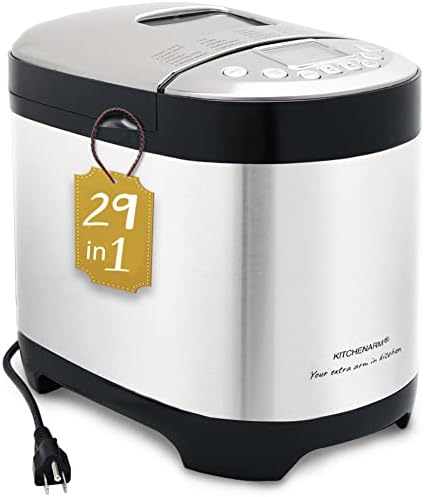
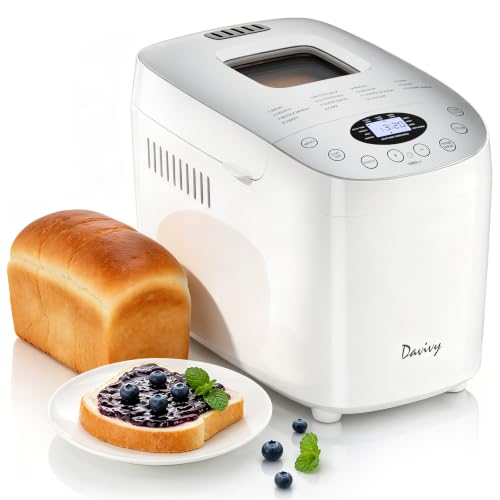
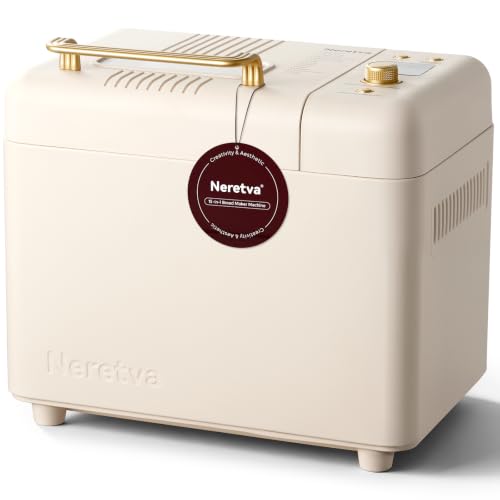
This guide helps you choose by the things that matter at home: how much dough your household actually uses, how much counter and cabinet space you can give up, and what you want to spend. The product table sums up the main machines, and the sections after it walk through size, paddles, settings, and running costs in plain terms.




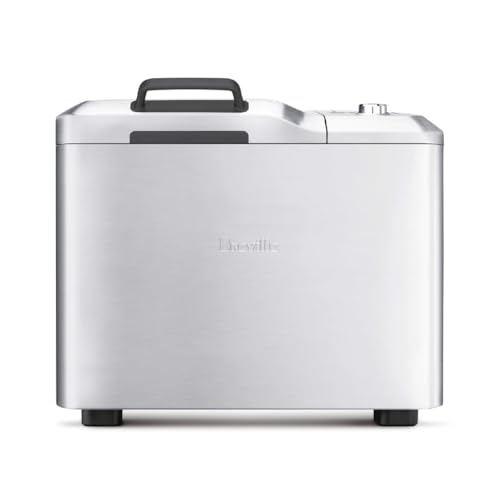
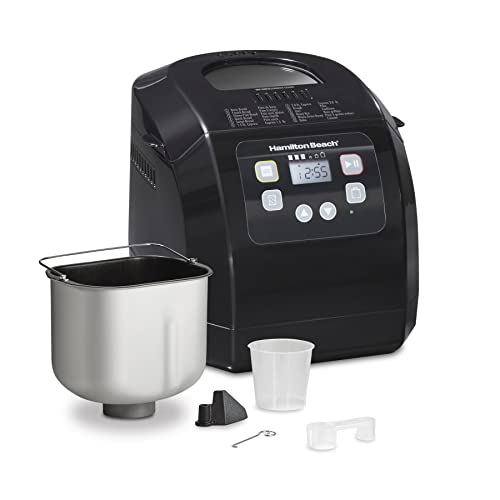
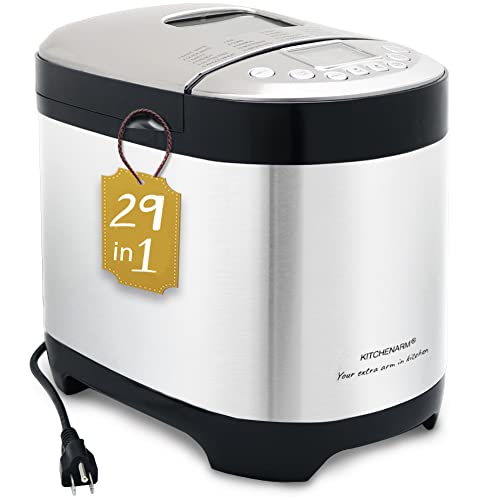
Quick Answer: What a Dough Buyer Should Look For
If you want the short version, pick a machine with a dedicated dough cycle, a pan sized to your usual batch, and a paddle setup that matches your flour. A 1.5 lb or 2 lb pan covers most family pizza and roll batches. Dual paddles help with larger and stiffer doughs, while a single paddle is fine for softer enriched doughs. Everything below explains how to weigh those trade offs for your own kitchen.
Before You Buy: A Quick Checklist for Choosing a Bread Machine for Dough
Size: Match the Pan to Your Usual Batch
Pan size is stated as loaf weight, and for dough work it tells you how much flour the machine can handle in one cycle. A 1 lb pan suits one or two people making a small pizza or a half batch of rolls. A 1.5 lb pan is the flexible middle ground for couples and small families. A 2 lb pan handles family pizza night and freezer batches, and a 2.5 lb pan serves big households that bake often. Oversizing wastes energy on small batches, while undersizing forces you to run the machine twice.
Which Type Fits Your Routine
Vertical machines bake tall loaves and take up less counter depth, and their dough cycles work well for standard batches. Horizontal machines shape dough in a wider pan, which helps when you plan to pull the dough out and finish it in a loaf pan or on a stone. Compact models suit small kitchens but cap your batch size. Programmable models let you adjust knead and rise times, which matters if you bake with whole grains or prefer a longer, slower rise for better flavor.
Features Worth Paying For, and Ones to Skip
The dough setting itself is the one feature you cannot skip, since it stops the cycle after proofing and leaves the baking to your oven. A delay timer is genuinely useful because you can load ingredients in the morning and come home to dough ready for shaping. A gluten free setting matters only if your household bakes that way, and our guide to the best gluten free bread machine covers those models in depth. Nut dispensers and jam settings add cost without helping dough at all, so skip them unless you will truly use them for other recipes.
Wattage, Power, and Energy Use
Most home bread machines draw about 500 to 700 watts while working, and a dough cycle uses far less energy than heating a full oven for the same task. Higher wattage mainly means stronger kneading for stiff doughs rather than a bigger electric bill. If you regularly make bagel or pasta style doughs with low hydration, favor the stronger end of that range. For soft sandwich and pizza doughs, mid range power is plenty and the machine will run quieter.
Safety Features and Certifications
Look for a UL or ETL mark on the label, which means the electrical design has been checked by a recognized certification body. A lid that stays cool to the touch and a locking or firmly seated pan reduce the small accidents that happen when you reach in to check dough texture mid cycle. Automatic shutoff after the cycle ends is worth having, because proofed dough left sitting warm for hours can overproof and turn slack. Keep the cord short and away from the sink, and give the vents clear space while the machine runs.
Counter Space and Dimensions
Measure before you order, including the height with the lid fully open, since many machines will not open under standard upper cabinets. Compact models can be as small as a large toaster, while 2 lb and 2.5 lb machines often need a footprint closer to a stand mixer. If counter space is tight, plan a cabinet or pantry shelf for storage and check the weight, because a heavy machine that is annoying to move will end up unused. Readers weighing a dedicated appliance against gear they already own may find our bread machine vs stand mixer comparison helpful.
Realistic Budget Ranges
Listings in the product table run from about $100 to $400, with most between $100 and $180. At that level you get dough cycles, bigger pans, and programmable settings, and the top of the range pays for build quality, dual paddles, and warranty length rather than better dough itself. Our broader guide to the best bread machine explains how these tiers shake out across all uses, not just dough.
Best Bread Machine for Dough Types Compared
Compact Single Paddle Machines
These small vertical machines suit one or two person homes and tight counters. They handle soft doughs well, including pizza, dinner roll, and sweet enriched doughs, and they store easily in a cabinet. The limit is batch size and kneading strength, so stiff doughs may climb the single paddle or need a pause and a scrape down with a spatula. If your baking is a weekly pizza for two, this type covers it without taking over the kitchen.
Full Size Single Paddle Machines
A 2 lb single paddle machine is the workhorse choice for most families. It proofs a full batch of roll or sandwich dough in one run, and the dough cycle timing suits both white and part whole wheat recipes. You may need to check the corners of the pan during the first minutes of mixing, because flour can sit unmixed in a wide pan until the dough ball forms and starts sweeping the sides. For households new to the routine, our picks in the guide to the best bread machine for beginners lean toward this forgiving style of machine.
Dual Paddle and Horizontal Machines
Two paddles knead from both ends of a horizontal pan, which suits large batches and stiffer doughs that a single paddle might push around instead of folding. This type is the better match for bagel dough, high whole wheat mixes, and households that proof dough for several loaves at once. The trade offs are size, weight, and price, plus two paddle holes to clean after each run. Choose it when batch size and dough strength are your real limits, not when you bake a small soft dough once a week.
Living With It: What Really Matters Day to Day
The daily win is timing. You load flour, water, yeast, and salt, start the dough cycle, and about ninety minutes later you have proofed dough without watching a clock or warming the kitchen. That rhythm fits weeknight cooking far better than a full bake cycle, because your oven gives you the crust and shape a machine pan cannot. Sourdough bakers use the same routine differently, often letting the machine do the mixing and early kneading before a long counter rise, a workflow covered in our guide to the best bread machine for sourdough.
Noise is modest, mostly a low hum during kneading, though a stiff dough can make the machine walk slightly on a smooth counter, so set it on a mat or a wooden board. Cleanup takes a few minutes: the pan and paddle are usually nonstick, and soaking the paddle shaft briefly frees any dough baked onto it. The habit that matters most is measuring flour by weight when you can, because scooped flour varies enough to swing a dough from soft to dry.
Common Buying Mistakes to Avoid
- Buying the biggest pan for status, then running half batches that knead poorly and proof unevenly.
- Ignoring lid clearance, then discovering the machine cannot open under your upper cabinets.
- Paying for bake focused extras like jam settings and fruit dispensers when you only want dough.
- Skipping the replacement paddle price, because a lost paddle can sideline a cheap machine for weeks.
- Assuming the dough cycle fits every recipe, when very stiff doughs may exceed the motor limit in the manual.
Cost of Ownership and Care
Running costs are small: a dough cycle uses a fraction of the electricity an oven preheat takes, and your main consumables are flour and yeast rather than machine parts. The parts that do wear are the paddle, the pan coating, and the drive belt on older style models, and replacements for common brands are usually easy to order. Wipe the interior after spills, keep crumbs out of the heating element area, and never immerse the machine body in water. Store the paddle inside the pan so it does not get lost in a drawer, and let the pan cool fully before washing to protect the coating.
FAQ
What doughs can a bread machine handle besides bread dough?
Pizza, focaccia, dinner rolls, cinnamon roll dough, soft pretzels, and pasta style dough on a short knead all work well. The pattern is the same: the machine mixes and proofs, and you shape and bake. Very wet doughs like ciabatta may need a spatula assist at the start, and egg rich doughs benefit from room temperature ingredients so the cycle timing lines up with the rise.
Can I leave dough in the machine after the cycle ends?
A short wait of twenty to thirty minutes is fine and can even relax the dough before shaping. Much longer than that, the dough keeps rising in the warm pan and can overproof, which shows up as a yeasty smell and a texture that tears instead of stretching. If your evening runs late, refrigerate the dough right after the cycle and shape it the next day.
How much flour can I put in a 2 lb bread machine for dough?
Most 2 lb pans handle about 4 to 4.5 cups of flour on the dough cycle, a little more than their baking limit because the dough never has to rise and bake in the pan. Stiff doughs should stay at the lower end of that range to protect the motor. Your manual lists the exact ceiling for your model, and staying under it keeps kneading even.
Should the dough cycle change how I think about a bread machine being worth it?
Yes, because dough only use sidesteps the main complaint about machine baked loaves, the shape and crust. If you bake pizza or rolls weekly, the time saved on kneading and proofing adds up fast, and the longer reasoning in our look at is a bread machine worth it walks through the cost per batch math. Occasional bakers may still prefer a mixer they already own.
Why does my dough come out too sticky or too dry?
Humidity and flour measuring are the usual causes. Check the dough five minutes into kneading: it should form a smooth ball that cleans the pan sides. Add flour a spoonful at a time if it smears, or water by the teaspoon if it looks ragged and dry. Once you learn that quick check, most recipes become repeatable without changes.
Final Thoughts
Match the pan to your real batch, choose paddles for the stiffest dough you actually make, and let the settings list stay short. Do that, and the best bread machine for dough for your home stops being a guess and becomes a simple sizing decision. Check the product table above for current models in each type, confirm your cabinet clearance, and your next pizza night can start with loading ingredients instead of kneading by hand.