
The Best Branded Couple Watches for 2026: A Buying Guide for Two
Disclosure: We may earn a commission when you buy through links on this page, at no extra cost to you. As an Amazon Associate I earn from qualifying purchases. Learn more

Choose the best branded couple watches with guidance on case size, movements, water resistance, straps and fair pricing for two matching timepieces that last.
A matching watch set sounds simple until you start shopping. One of you may want a slim dress watch while the other wants something sporty, and the same brand often sells both looks at very different prices and quality levels.
This guide explains how to judge the best branded couple watches as a pair, not just as two single watches. Look at the comparison table below for sizes, movements, and price ranges, then use the sections that follow to match a set to both wrists and one shared budget.
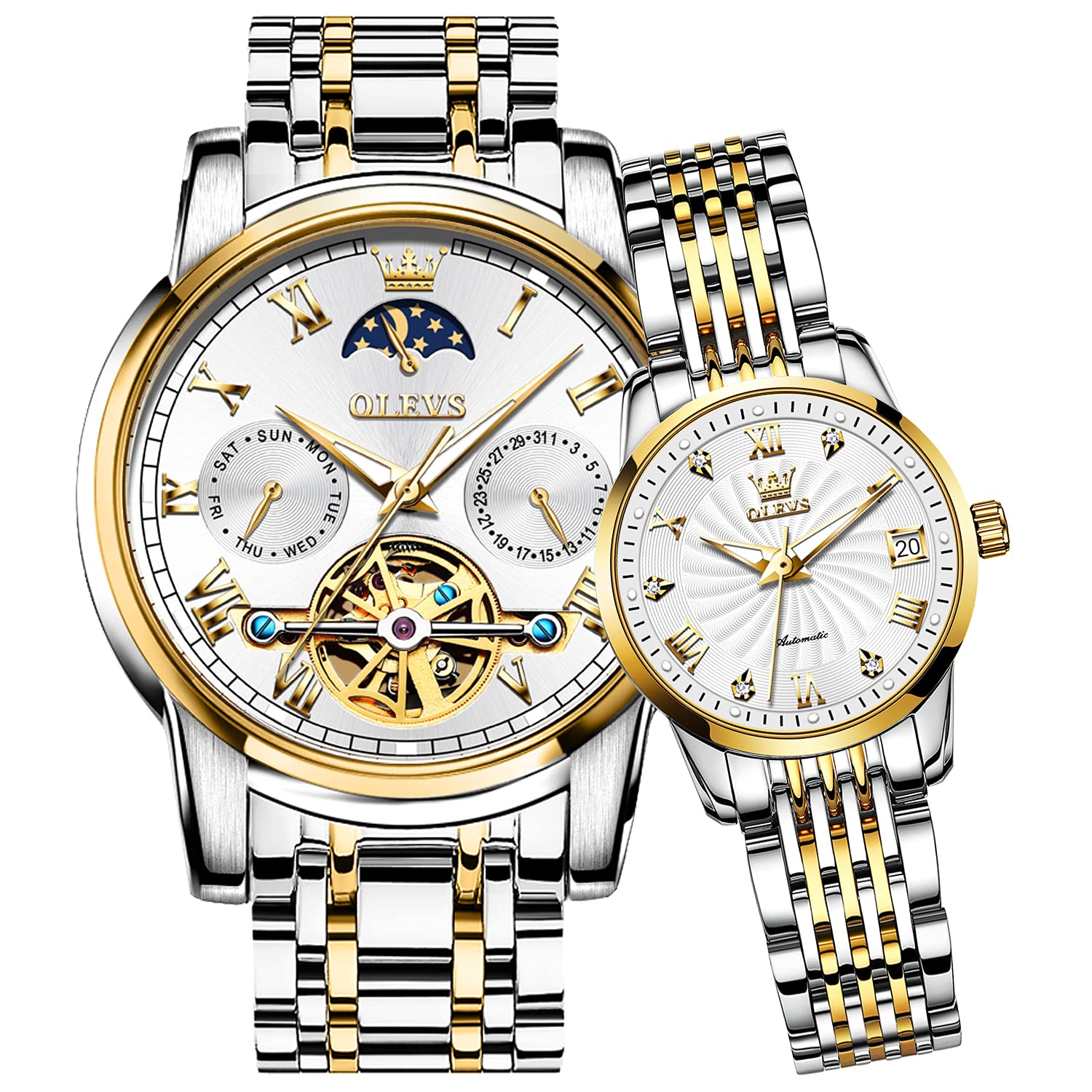
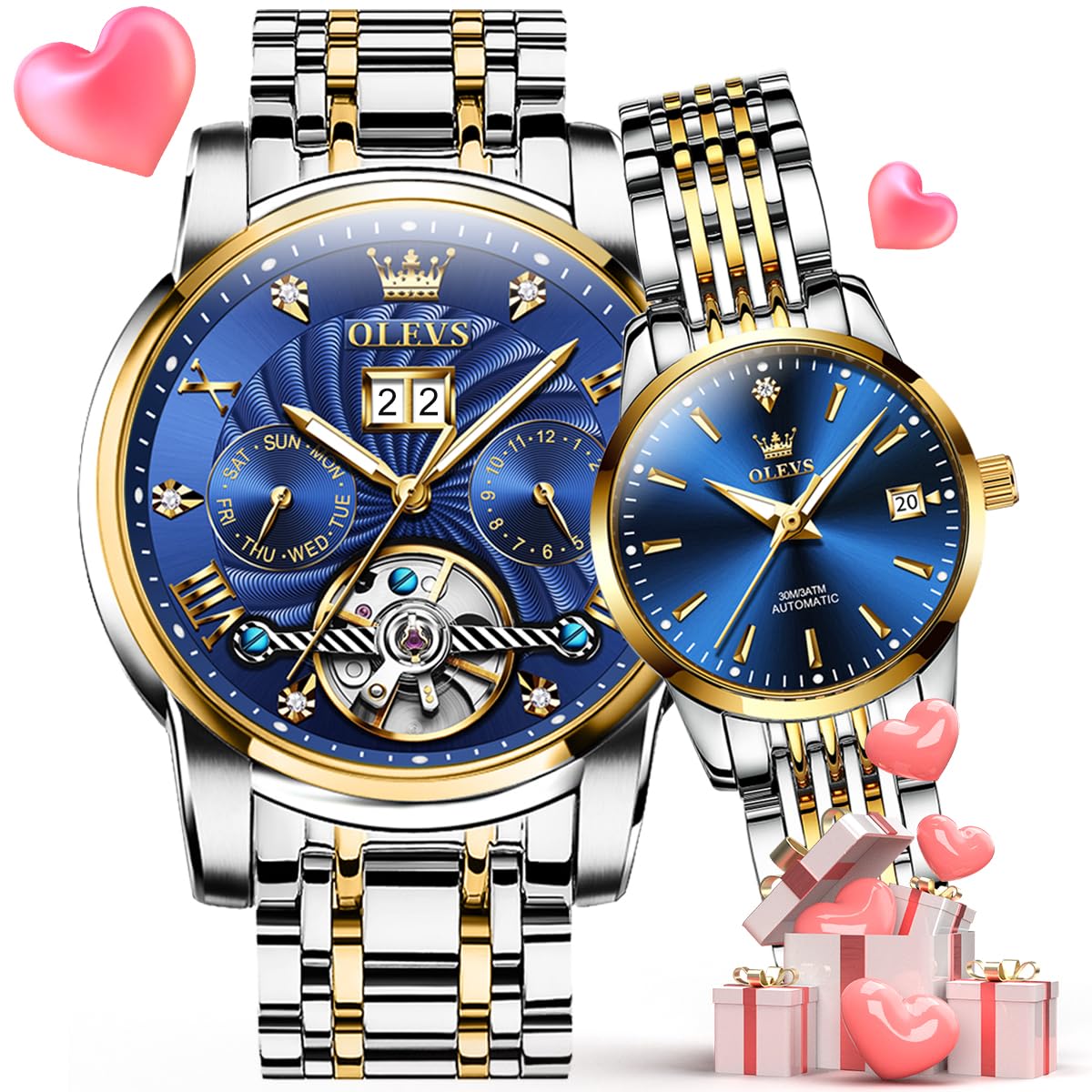
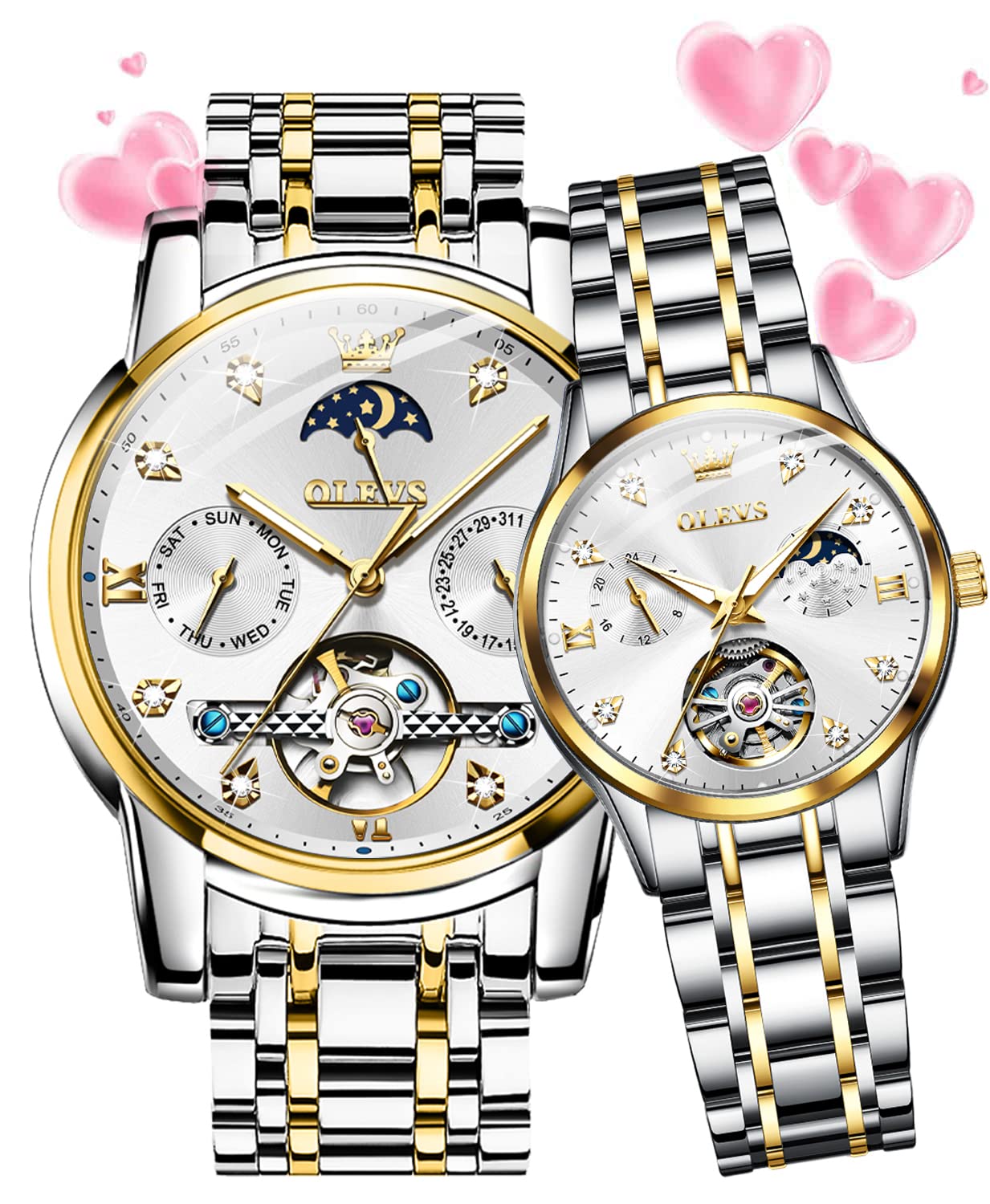


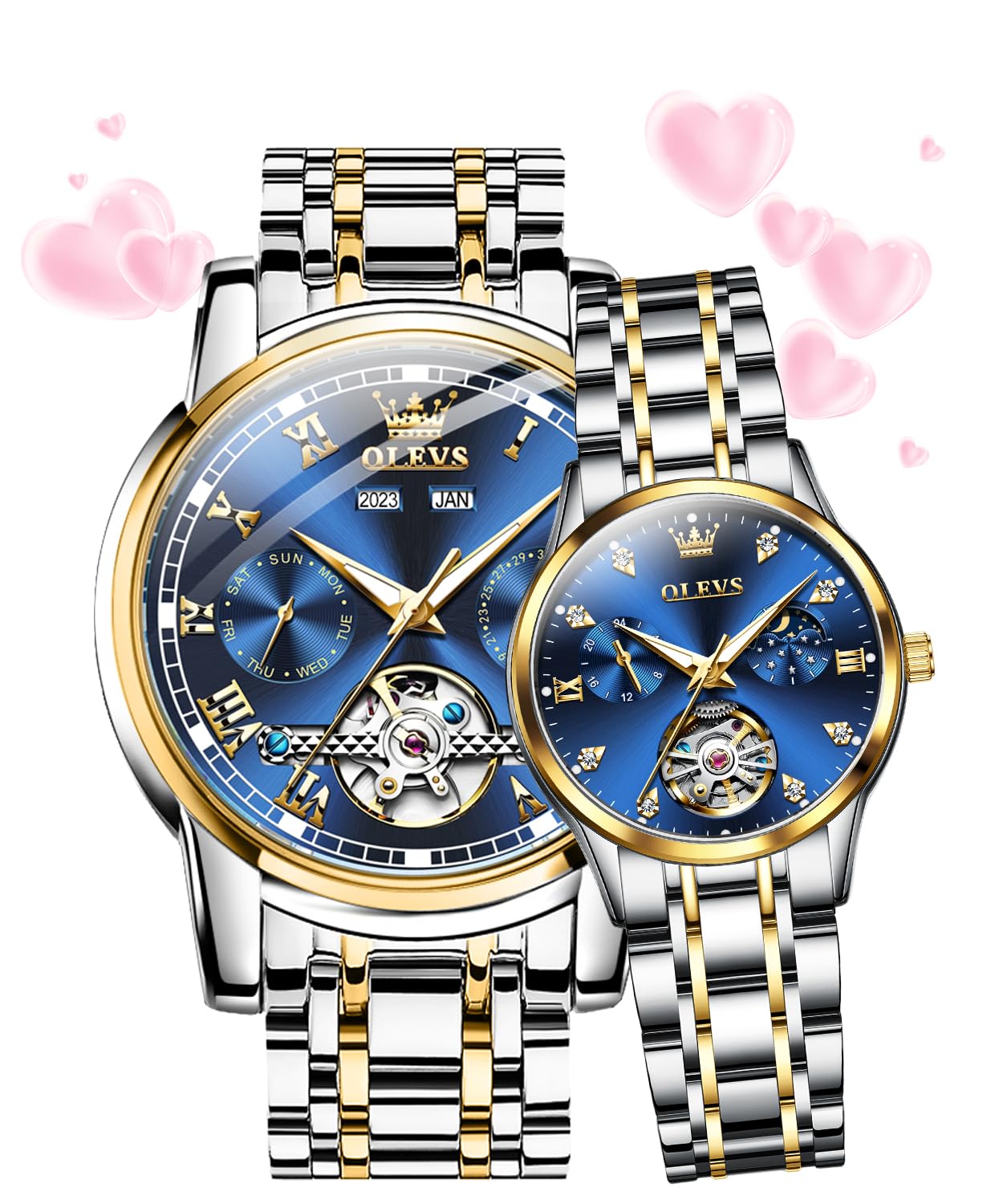
Three Matching Profiles at a Glance
Couples usually match in one of three ways, and each way leads to a different shortlist in the product table above. Decide which profile sounds like you before comparing details, because it sets your budget and tells you which features are worth paying for as a pair.
Best Overall Profile: Same Design, Two Sizes
The classic approach is one design sold in a larger and a smaller case, often near 40 mm and 32 mm. You share a dial color, strap style, and movement type, so the pair reads as a true set in photos and at events. This profile suits couples who dress alike for occasions. The watch to watch for is case thickness, since a shrunken copy of a thick design can still overwhelm a smaller wrist.
Best Value Profile: Shared Brand, Different Models
Value focused couples pick two different models from one trusted brand, matched by strap material or dial tone rather than an identical design. This opens far more sale options and lets each person get the right size and features. Total cost often lands around $150 to $400 for the pair from a mainstream brand. The trade off is a looser visual match, which many couples prefer once daily comfort enters the picture.
Best Premium Profile: Heritage Design, Long Service Life
A premium matched pair, often about $600 to $1,500 or more for two, buys sapphire crystal, a refined automatic or high accuracy quartz movement, and service support that lasts decades. Engraving the case back with a date or initials suits this tier, since you plan to keep the watches. The compromise is ongoing care, because mechanical movements need periodic servicing and premium bracelets cost more to repair or replace.
How to Choose the Best Branded Couple Watches: Buying Guide
Work through the criteria below as a pair. Agree on the shared elements first, such as brand tier and water resistance, then settle the personal elements like case size and strap. That order prevents the common problem of falling for a design that only truly fits one of you.
Movement Type (Quartz, Automatic, Solar, Smart)
Quartz movements are accurate, slim, and need only a battery change every one to three years. Automatic movements wind from wrist motion, feel special to enthusiasts, and need servicing every five to seven years or so. Solar models charge from light and remove battery worries for a decade or more. Smart models add notifications and health tracking but become outdated fastest. Match movement type across the pair if you want similar ownership effort for both watches.
Water Resistance Rating
Ratings describe lab pressure, not real swimming depth. A 30 m rating means splash resistance only, fine for hand washing but not showers. At 100 m, swimming is generally safe with a sound gasket. At 200 m, a watch suits recreational diving when it also has a screw down crown. Couples who swim or travel to beaches together should set 100 m as the shared floor, and have gaskets checked every couple of years.
Crystal and Case Materials
Sapphire crystal resists scratches far better than mineral glass, and it keeps a shared set looking matched years later, since one scratched crystal makes the pair look uneven. Stainless steel in 316L grade is the durable default for cases and bracelets. Titanium weighs less and suits sensitive skin but can show surface marks. Gold tone and rose tone finishes look rich, yet plated coatings can wear at edges, so ask about coating thickness before paying premium prices.
Legibility and Style
A couple set should read at a glance and fit the settings you share. High contrast hands, clear markers, and lume on the hands help in dim restaurants and theaters. A clean three hand dial dresses up or down, while a chronograph looks sportier and busier. Decide whether the pair is mainly for office wear, weekends, or formal events, because that choice drives dial color, strap, and how bold the larger case can be.
Brand Reputation, Warranty, and Value
Branding matters here because service networks keep a pair running for anniversaries to come. Favor brands with US service centers, warranties of at least two years, and spare straps and bracelets that stay in production. Shoppers who want the wider brand landscape first can read our guide to the best branded watches before narrowing to pairs. Resale value is a bonus, not a plan, so judge a set mainly on wearability and support.
Strap and Bracelet Options
Straps decide daily comfort and most of the visible style. Metal bracelets last longest and suit formal wear; leather looks classic but hates water; silicone handles heat and workouts; fabric NATO style straps feel casual and swap in seconds. A quick release strap system lets each of you change looks without tools. Buy the pair on the strap you will wear most, then add one alternate strap each as a low cost refresh later.
Case Size and Wrist Fit
Measure both wrists, then match case diameter to each rather than forcing equal numbers. Slim wrists often suit 28 to 34 mm, average wrists 36 to 40 mm, and large wrists 40 to 44 mm. Lug to lug length matters as much as diameter; the lugs should not hang past the edges of the wrist. Thickness under about 12 mm slides under shirt cuffs. Trying both sizes on together, side by side, is the most reliable know how in this whole search.
Types of Branded Couple Watches
Most branded pairs fall into the three families below. Each family sets expectations for price, upkeep, and how formal the set will feel once it is on your wrists.
Solar Watches
Solar pairs charge through the dial from indoor or outdoor light and can run for months on a full charge. They suit couples who hate battery changes and want grab and go reliability. Designs lean sporty or casual, and very dark storage, such as a closed drawer for months, can drain the cell. Prices for branded solar pairs often start around $200 and climb with sapphire crystal and steel bracelets.
Automatic Watches
Automatic pairs appeal to couples who enjoy mechanical craft and plan to mark a milestone, such as a wedding or anniversary. Expect smooth sweeping seconds hands, exhibition case backs on some models, and accuracy measured in seconds per day rather than per month. Both watches will need wrist time or a shared watch winder to keep running, plus servicing costs later. This family rewards commitment and punishes neglect more than any other type here.
Quartz Watches
Quartz pairs are the practical default, accurate to a few seconds a month and thin enough for dress styles. They cost the least to buy and own, and battery changes are quick at most jewelers. Couples who lean digital can also compare our overview of the best branded smart watches before deciding. Pure quartz sets lack the ceremony of mechanical ones, yet for a first matched pair they deliver the fewest surprises and the easiest sizing across both wrists.
Tips to Get the Most From Your Branded Couple Watch
- Service automatic watches every five to seven years, and budget for that cost when you buy the pair.
- Rinse both watches with fresh water after saltwater exposure, then dry the bracelets fully to protect the pins.
- Store watches away from strong magnets, such as tablet covers and speakers, which can disturb mechanical movements.
- Rotate straps through the seasons to reduce wear, and keep the original bracelet stored safely for resale or formal wear.
- Photograph both case backs and keep receipts and warranty cards together, since a matched pair is easier to insure and service as a documented set.
Gift buyers should also confirm sizing quietly before a surprise purchase. Borrow a watch the person already wears, note its case size, and compare it with the fit advice in our guides to the best branded watches for men and the best branded watches for women. If the pair is meant as a joint purchase rather than a gift, shopping for the best couple watches together avoids the sizing guesswork entirely.
Frequently Asked Questions
How long does a watch battery last?
Most quartz watch batteries last about one to three years, depending on features such as chronographs, backlights, and alarms, which draw more power. Solar cells last far longer, often a decade or more before capacity fades. Replace batteries at a jeweler who reseals the case and checks the gasket, because a cheap battery swap that ruins water resistance costs far more later than the small service fee.
How water resistant should a watch be?
For a couple set you plan to wear daily, 100 m is the comfortable target, since it covers rain, showers, and swimming without worry. A 30 m dress watch is fine if it stays away from water, but matching pairs often travel together, and pools and beaches are hard to avoid on trips. Whatever the rating, never press pushers or the crown while the watch is wet.
What case size fits my wrist?
Start with wrist circumference. Wrists under about 6 inches usually suit cases of 28 to 34 mm, mid size wrists suit 36 to 40 mm, and wrists over about 7.25 inches can carry 40 to 44 mm. Then check lug to lug length in person, because a compact 40 mm watch can wear smaller than a long lugged 38 mm one. For a pair, proportion on each wrist beats identical numbers.
Quartz or automatic: which is better?
Neither is better for every couple. Quartz wins on accuracy, thinness, price, and near zero upkeep, which suits busy daily wear. Automatic wins on craft, longevity across decades, and the ritual many couples want from a milestone gift. A useful split is quartz for a first matched set and automatic for an anniversary upgrade, once you know the sizes and styles you both actually enjoy wearing.
Is a smartwatch worth it over a classic watch?
A smartwatch earns its place if you both use notifications, workouts, and health tracking daily, and accept charging every one or two days plus replacement within a few years. A classic watch wins as a lasting pair, since it needs no software support and can mark an occasion for decades. Many couples split the difference, wearing smart models on weekdays and the matched classic set for evenings and events.
Final Thoughts
Judge any pair on shared basics first: a movement you can both maintain, water resistance that fits your life together, and case sizes that flatter each wrist. Then let brand support and strap choices settle close calls. The best branded couple watches are the ones you will both reach for weekly, so use the product table above to compare finalists side by side before you buy.


