Best Branded Watches of 2026: Complete Buying Guide
Disclosure: We may earn a commission when you buy through links on this page, at no extra cost to you. As an Amazon Associate I earn from qualifying purchases. Learn more

Compare the best branded watches by movement, case size, water resistance, warranty, and price, with clear guidance on counterfeits and gray market risk.
A recognized watch brand is not just a logo printed on a dial. It buys you a warranty that service centers actually honor, spare parts that stay available years later, and sizing, finishing, and materials you can predict before the box arrives. This guide to the best branded watches explains what that premium really covers, where it stops mattering, and how to match a movement and a case to your wrist and your budget. The comparison table below is a good place to begin.
Famous names also attract problems, and this guide covers those too: counterfeits that copy popular designs, gray market imports sold without a valid local warranty, and plain overpaying for branding when a simpler watch would serve you better. If you are buying your first serious watch, read the sections in order.





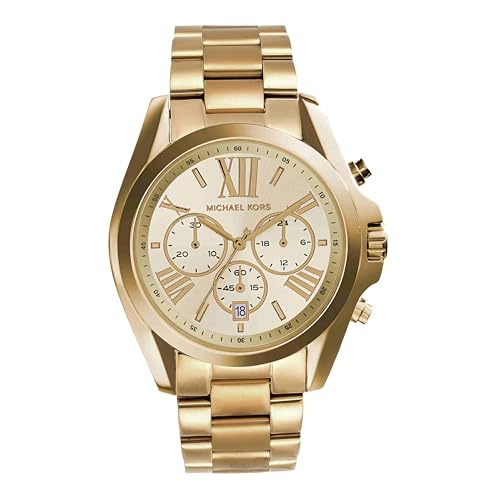
What Your Money Buys at Each Price Level
Brand pricing follows a pattern worth understanding before you shop. The same maker often sells several tiers at once, and the steps between them buy specific things: better crystals, better bracelets, longer warranties, and movements with more careful finishing. Knowing what each step buys stops you from paying premium prices for entry level hardware that happens to carry a famous name.
Everyday Classics at About $50 to $200
At this level a real brand buys you honest basics: a quartz movement that keeps good time, a case with clean finishing, a legible dial, and a warranty of about one to two years from a company that will still exist when you need it. Crystals are usually mineral glass, water resistance is often 30 to 50 m, and bracelets feel lighter than premium ones.
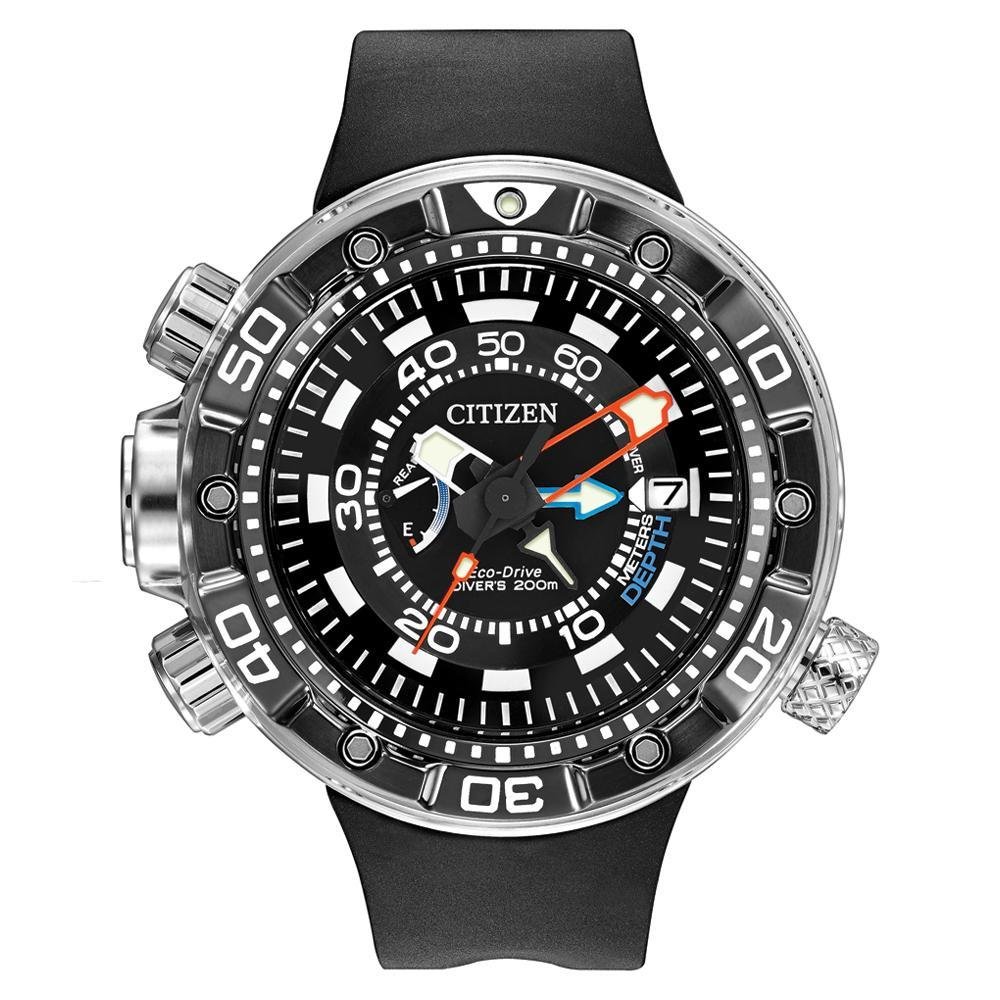
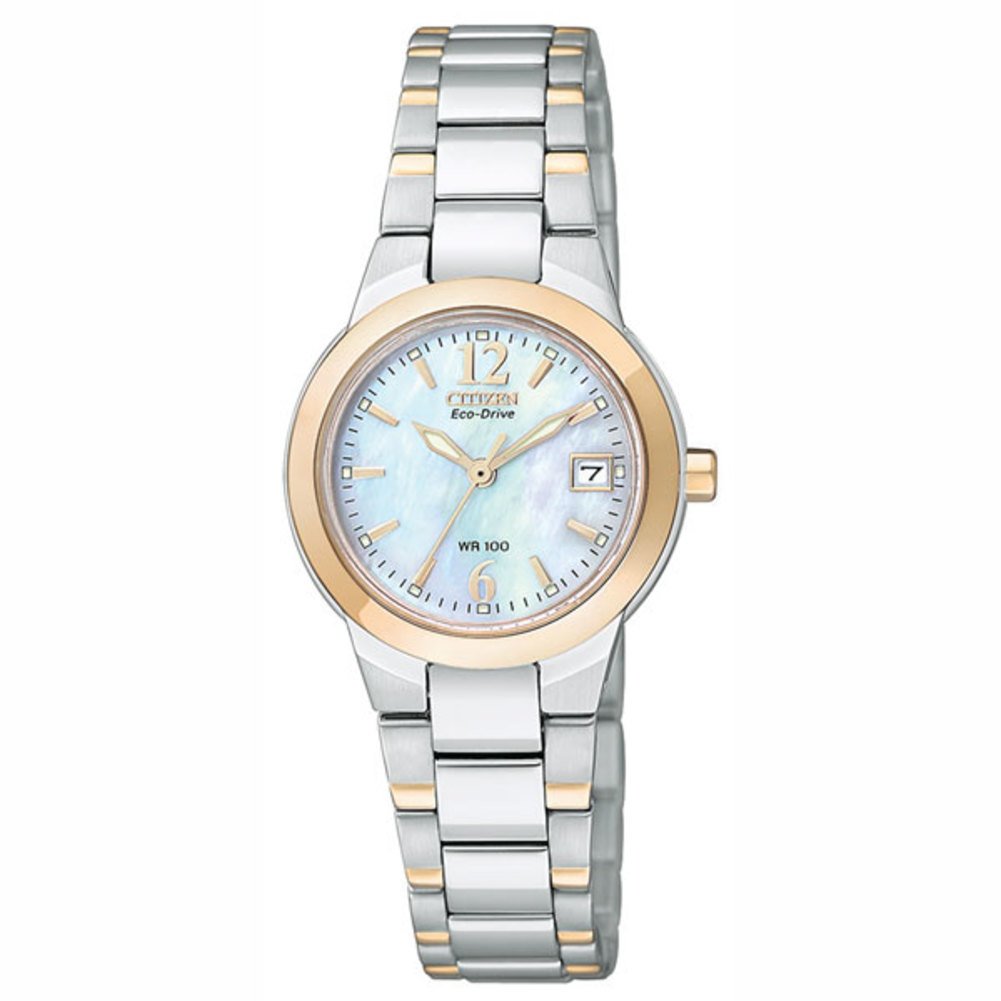
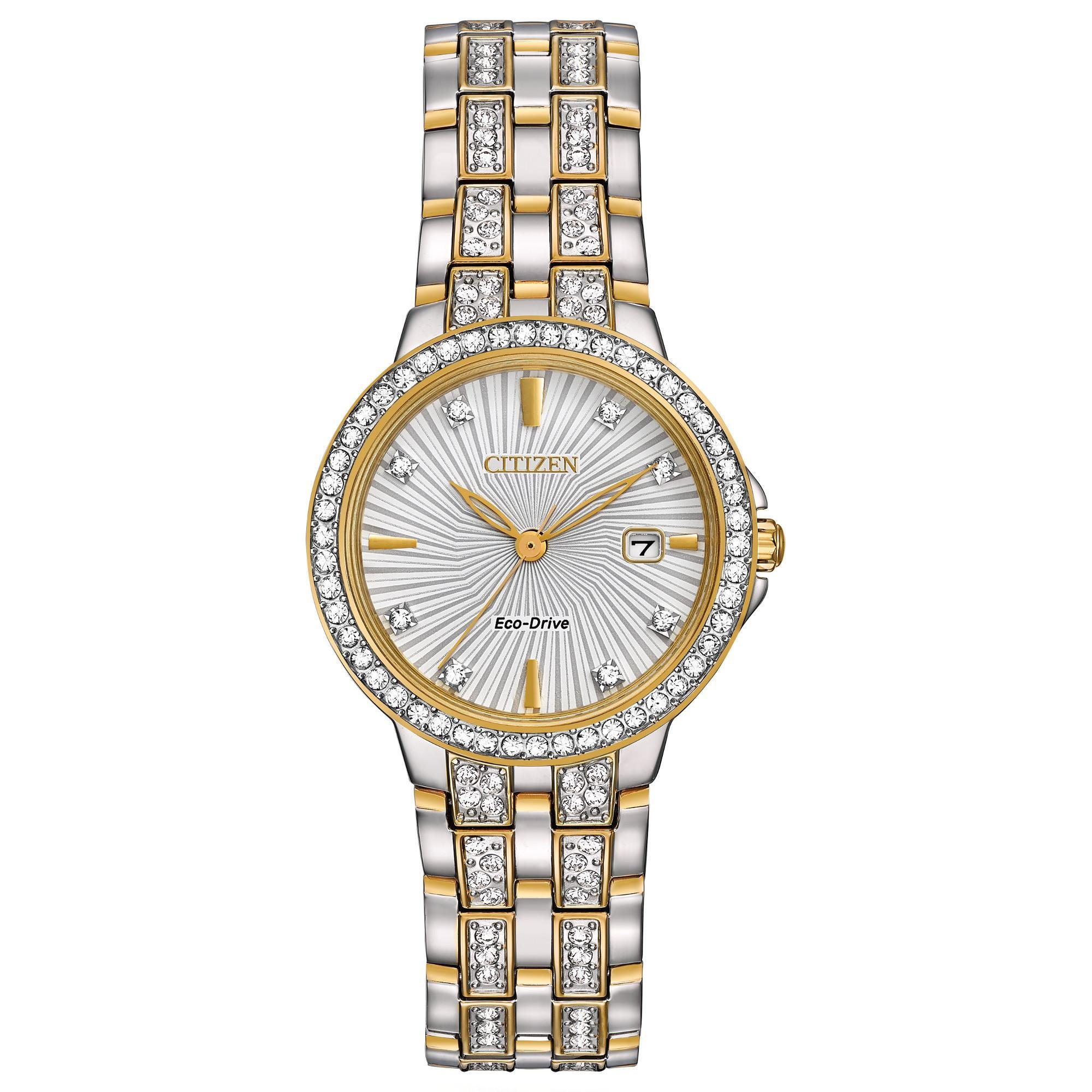
This band suits first time buyers, students, and anyone who wants a watch that looks right at work without financial stress. The product table above shows how current listings spread across this range. Spend here is low risk as long as you buy from an authorized seller, because the warranty is a large part of what you are paying for.
The Serious Middle at About $200 to $750
The middle band is where branded value peaks for most buyers. Sapphire crystals appear on many models, solar movements remove battery changes, bracelets gain solid links and better clasps, and entry level automatic movements enter the picture. Warranties stretch toward two to five years, and service networks become genuinely useful rather than theoretical.
Buyers here usually keep a watch for a decade or more, so the extra money goes into durability and repairability rather than flash. If you plan to own one good watch instead of several cheap ones, this is the band to study hardest, and the buying guide below explains which upgrades inside it are worth paying for. This is also the band where maker refurbished and authorized outlet stock appears, which can pull a higher tier watch into a middle budget with its warranty intact.
Premium Names at About $750 and Up
Above this line you pay for higher grade movements, finer case and dial finishing, longer warranties, and the resale value that established names hold on the used market. Some makers assemble or finish movements in house, and accuracy and power reserve both improve. Service centers in major cities can maintain these watches for decades with factory parts.
This band rewards patience and research. Prices climb quickly for small gains in finishing, and the strongest reason to spend here is that you love a specific design language and plan to keep it for good. Buy through an authorized dealer, because warranty and authenticity paperwork matter most exactly where prices are highest.
How to Choose a Branded Watch: The Buying Guide
Seven factors decide whether a branded watch earns its price on your wrist. Work through them before you fall for a dial color, because movement, fit, and warranty channel shape ownership long after the styling thrill fades.
Movement Type (Quartz, Automatic, Solar, Smart)
Quartz movements run on a battery, keep time to about 15 seconds a month, and cost the least to own. Automatic movements are mechanical and self winding from your arm motion; common grades drift roughly 10 to 30 seconds a day and need servicing about every 4 to 6 years, but many owners value the craft and the smooth sweeping seconds hand.
Solar movements charge a storage cell from light through the dial and can run for months in darkness once full, removing battery changes for years at a time. Smart movements add screens, sensors, and apps, and they behave more like small phones: the battery lasts days, and software support ends long before the hardware wears out.
Manual wind movements, which you wind by the crown each day or two, survive mostly in dress and enthusiast models. They ask the most of an owner and reward it with thin cases and traditional craft. For a first branded watch, most buyers are happier with the convenience of quartz, solar, or automatic designs.
Strap and Bracelet Options
The strap changes both comfort and formality more than any other part. Metal bracelets look sharp and last for years, but they need link sizing at purchase and can feel heavy in summer. Leather straps suit dress settings and soften with wear, yet they dislike water and typically need replacing every year or two of regular use.
Silicone straps are the practical choice for sport and swimming, and fabric straps in the NATO style thread through both spring bars, so the watch stays on your wrist even if one bar fails. Quick release spring bars, now common on branded models, let you swap straps with your fingers and turn one watch into three looks. Always confirm the lug width, usually 18 to 22 mm, before ordering spare straps.
Legibility and Style
A watch you cannot read at a glance fails its basic job. Strong contrast between hands and dial, clear hour markers, and lume that glows after lights out matter more than decorative subdials. Field and dive styles lead on readability because their designs were built for quick checks in poor light, while slim dress watches trade some clarity for elegance.
Match the style to your actual week, not an imagined one. A chunky dive watch under a suit cuff looks and feels wrong, and a fragile dress watch on a building site will collect damage fast. Branded lines usually offer the same movement in several styles, so choose the case that fits your routine and let the dial follow. Hands matter as much as markers: short or skeletonized hands can vanish against busy dials, a flaw you only notice in dim light after buying.
Brand Reputation, Warranty, and Value
Here is what a recognized maker concretely buys you. Warranty terms from established brands run about two to five years and are honored at real service centers. Spare parts such as crowns, gaskets, and crystals stay in production long after a model sells out. Case finishing, dial alignment, and material quality stay consistent from one unit to the next, and known makers hold resale value far better than unknown labels.
The same fame creates risk, so buy carefully. Counterfeits copy best selling designs closely, and gray market watches imported outside official channels often carry no valid maker warranty in your country, whatever the seller promises. Buy from authorized sellers, keep the stamped warranty card and receipt, and check that the serial number on the watch matches the paperwork. A suspiciously deep discount on a current model is the most common warning sign.
Servicing is where the network proves itself over time. A battery change, a gasket set, or a full movement service at an authorized center uses factory parts and returns the watch with its water resistance tested. Independent watchmakers can be excellent, but they may lack access to brand specific parts, so ask what they fit before handing over a watch you care about.
Water Resistance Rating
Watch ratings confuse buyers because the numbers are not swim depths. A 30 m rating handles rain and hand washing only, and the watch should never be worn swimming. Treat 100 m as the practical floor for regular swimming and snorkeling, and look for 200 m plus a screw down crown for diving. Ratings are tested on new watches in still water, which is exactly why real world guidance stays conservative.
Whatever the rating, seals age. Gaskets dry out over years and after battery changes, so a pressure test at service time keeps the number honest. Keep the crown pushed in or screwed down before any water contact, and rinse salt water off with fresh water afterward. A branded service network makes this upkeep easy, which is part of the premium working for you.
Smart and Fitness Features
Branded smart watches add GPS tracking, heart rate sensing, notifications, and contactless payment to your wrist, and they suit runners and busy professionals well. The trade offs are charging every one to several days and a support window measured in years, after which apps and updates stop. Readers comparing connected models can start with our guide to the best branded smart watches for the current landscape.
Treat the health numbers as training aids, not medical readings. A wrist sensor estimates heart rate and sleep; it does not diagnose anything, and anyone managing a heart condition should rely on medical devices and their doctor. If you mainly want the time plus a step count for a decade, a classic quartz or solar watch still wins on ownership cost and simplicity.
Case Size and Wrist Fit
Measure your wrist with a tape where the watch will sit, then judge cases by two numbers: diameter and lug to lug length. Wrists under about 6.5 inches usually suit 36 to 38 mm cases, midsize wrists take 38 to 42 mm well, and larger wrists can carry 42 to 44 mm. The lug to lug span matters most, because the case should not overhang the edges of your wrist.
Thickness decides comfort under a shirt cuff, where about 10 to 13 mm slides easily and taller dive cases catch. Weight matters too: a steel bracelet can double the load of the watch head alone. If you shop online, order from a seller with free returns and wear the watch at home for an evening before removing the protective films. Photographs lie about size, so trace the case dimensions on paper and lay the outline on your wrist if you cannot try the watch in person.
Types of Branded Watches
Most branded buying falls into a few clear classes. The three below cover the mainstream analog choices, and screen based designs sit alongside them: our guide to the best branded digital watches covers those models in the same way.
Solar Watches
Solar watches turn light into stored power through the dial, so they ask almost nothing of you beyond wearing them. They suit set and forget owners, outdoor workers, and anyone who hates battery appointments. Accuracy matches quartz because the timekeeping is quartz underneath.
The one long term note is that the storage cell eventually tires after many years and needs a service center swap. Because the dial is the charging surface, long stretches in dark storage drain them, and a sunny windowsill for a few days restores the reserve.
Quartz Watches
Quartz watches are the accuracy and value baseline of the branded world. A battery runs about two to three years, replacements are cheap, and the watch is always ready because it never needs winding or wrist time to keep going. Slim cases are easy for quartz designs, which makes them the natural choice for dress watches and smaller wrists.
If you own several watches and rotate them, quartz avoids the dead watch problem entirely. Quartz is also the easiest movement to gift, since it needs no wearing pattern or winding routine to read correctly on the morning it is given.
Dive and Field Watches
Dive and field watches are the tool end of the catalog. Dive models pair 200 m ratings with rotating timing bezels and strong lume for low light. Field models favor rugged cases, simple high contrast dials, and straps that tolerate mud and sweat. Both styles wear larger and thicker than dress watches, and both shrug off daily knocks that would mark finer finishing.
Choose them for active jobs, travel, and outdoor weekends. Both classes also tend to hold their value steadily, because their designs change slowly and used buyers trust the format.
Branded Watches for Specific Needs
General advice sorts most buyers, but a few searches return again and again: a strict budget, and watches sized for younger wrists. Each group below gets its own criteria, because the right answer changes with the constraint.
Best Branded Watches under 200
Shoppers working with a budget under 200 dollars should spend on three things: an honest quartz movement, a case with clean edges and a readable dial, and a warranty card stamped by an authorized seller. At this price, mineral glass and 30 to 50 m ratings are normal and acceptable for desk and daily wear. Simple three hand designs age better than crowded fashion dials, and they leave budget room for a spare strap that changes the look.
Best Branded Watches for Boys
For younger boys, the right watch is small, tough, and easy to read. Look for cases around 30 to 36 mm that sit flat on a young wrist, resin or fabric straps that survive playgrounds and wash clean, and 100 m water resistance so swimming and showers need no removal. Big numerals and a clear minute track help younger wearers actually learn to tell time. Keep the price modest, because outgrowing and losing are both likely.
Best Branded Watches for Girls
For girls, the same fit logic applies, with lighter cases and slimmer straps that suit smaller wrists comfortably all day. Analog dials with full numerals support learning the clock better than novelty designs with missing markers. Water resistance of 100 m covers swim lessons and beach days, and replaceable straps let the watch change colors without replacing the watch itself. Skip fragile dress styles as a first watch; durability teaches better habits than worry does.
Tips to Get the Most From Your Branded Watch
- Service automatic watches about every 4 to 6 years. Lubricants dry and gaskets age, and running a movement dry wears parts that a timely service would have protected.
- Rinse after saltwater exposure. Fresh water removes salt from the case, crown, and strap, then dry the watch fully before storing it.
- Store watches away from strong magnets. Speakers, tablet covers, and bag clasps can magnetize a mechanical movement and make it run fast until a watchmaker demagnetizes it.
- Rotate straps to spread wear. Sweat and sun damage concentrate on one strap worn daily, and rotation also keeps spare straps from drying out unused.
- Keep the warranty card and receipt together. Service centers ask for proof of authorized purchase before doing warranty work, and the pair also supports resale value later.
- Have water resistance checked whenever the case is opened. Any battery change or repair breaks the seal, and a pressure test afterward is the only way to know the rating still holds.
Branded Watches: Your Questions Answered
How long does a watch battery last?
A quartz watch battery typically lasts about two to three years, depending on the movement and how often features like alarms or lights run. Many branded movements warn you before the end: the seconds hand starts jumping in two second steps, a low battery signal that leaves a few weeks to arrange a change. Solar watches skip this cycle for years. Always have the case resealed and pressure checked after a battery swap on water rated models.
What case size fits my wrist?
Start with your wrist measurement: under about 6.5 inches suits 36 to 38 mm cases, while wrists above about 7.5 inches carry 42 to 44 mm comfortably. Then check the lug to lug length, because a long case on a narrow wrist overhangs and wears badly even at a modest diameter. One more check most guides skip: measure your cuff opening. A thick watch that fights your shirt all day ends up in a drawer.
Is a smartwatch worth it over a classic watch?
It is worth it if you will actually use notifications, GPS runs, or contactless payment every day, because those features justify the charging routine. The honest cost is lifespan: smartwatch batteries fade and software support ends within years, while a branded quartz watch can be serviced and kept accurate for decades. Many owners land on both, wearing the smartwatch for training and the classic watch for everything else, which is a sensible split rather than a compromise.
How water resistant should a watch be?
Match the rating to your wettest routine: 30 m for rain and hand washing, 100 m for swimming and snorkeling, and 200 m with a screw down crown for diving. Ratings assume fresh gaskets and a secured crown, so an older watch deserves a pressure test before a swim holiday. One rule worth memorizing: never press pushers or adjust the crown while the watch is underwater unless the maker explicitly allows it, because open seals invite water straight into the movement.
Quartz or automatic: which is better?
Quartz is better on accuracy, price, and readiness, while automatic is better on craft and long term mechanical charm. The deciding detail is the power reserve: most automatics stop after about 38 to 80 hours unworn, so a Monday morning can mean resetting the time unless you wear the watch daily or keep it on a winder. If you rotate several watches, quartz wins on convenience. If one watch will live on your wrist, an automatic rewards the habit.
Final Thoughts
Decide the movement first, confirm the fit with diameter and lug to lug numbers, and buy only through a seller whose warranty the maker will honor. Those three steps protect you from nearly every bad outcome in this market, from counterfeits to a case that never sits right. Chosen that way, the best branded watches repay their premium in years of accurate, serviceable use. Check your shortlist against the product table above, and keep the paperwork when the watch arrives.