Best Branded Smart Watches: Complete Buying Guide for 2026
Disclosure: We may earn a commission when you buy through links on this page, at no extra cost to you. As an Amazon Associate I earn from qualifying purchases. Learn more

Find the right branded smart watches for your needs with simple guidance on features, sizing, and care. Compare options before you order. Use this guide to.
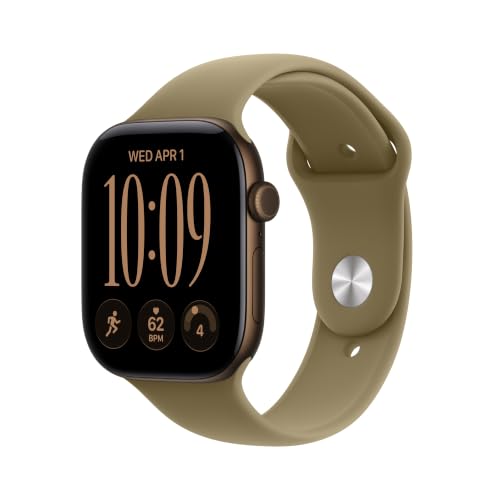
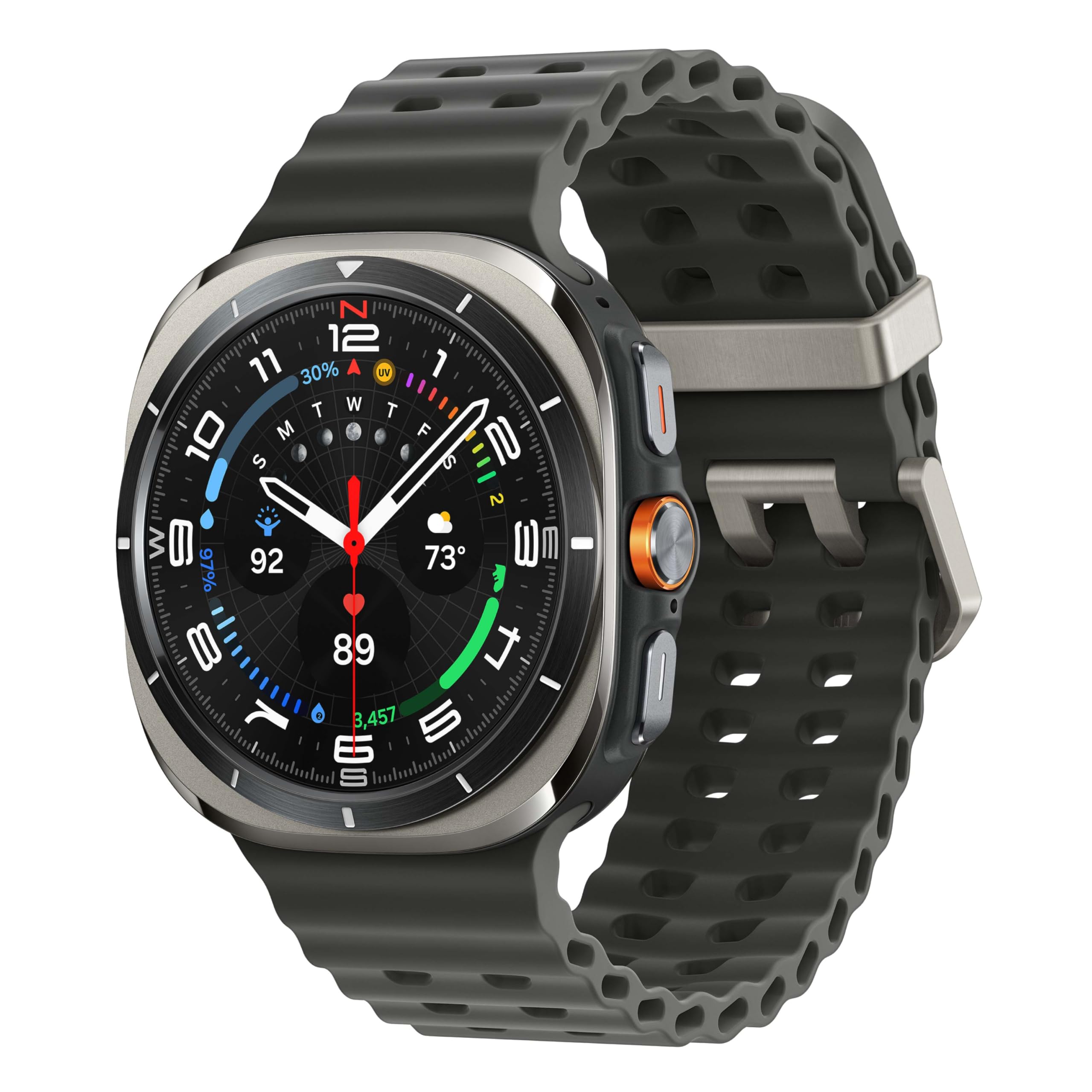
A smartwatch replaces a phone glance with a wrist glance, adds fitness tracking and keeps notifications in view. Choosing the best branded smart watches is mostly about phone compatibility, battery life, health sensors and how long the maker keeps the software updated. The product table above shows current options, and this guide explains how to match them to your phone, your habits and your budget.
Brand matters more here than with a classic watch, because a smartwatch depends on apps, updates and service. A weak ecosystem leaves a good screen with nothing useful to run. Read on to see which features are worth paying for and which are marketing.

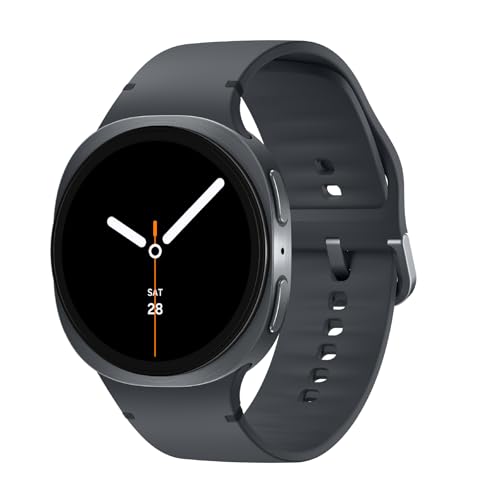
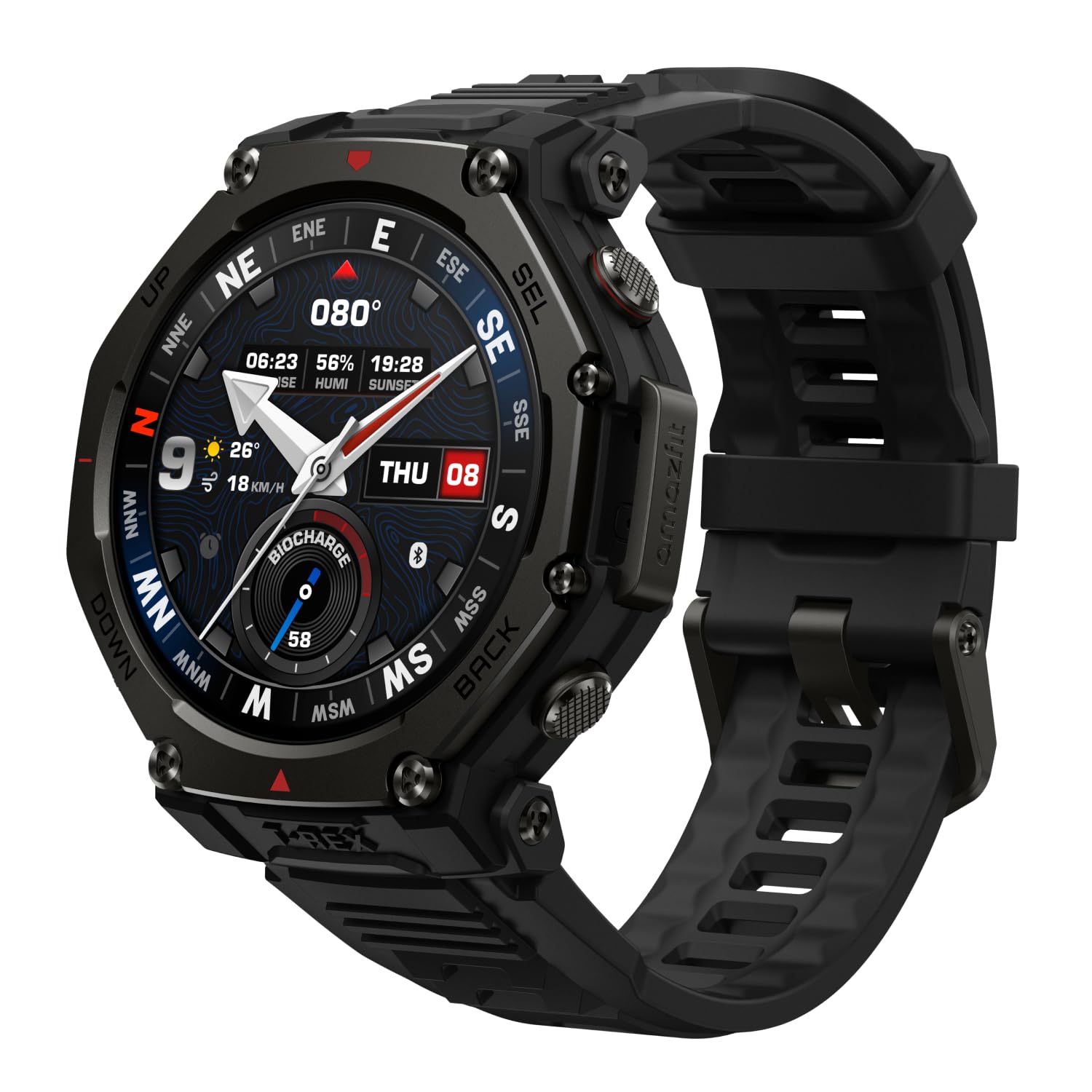
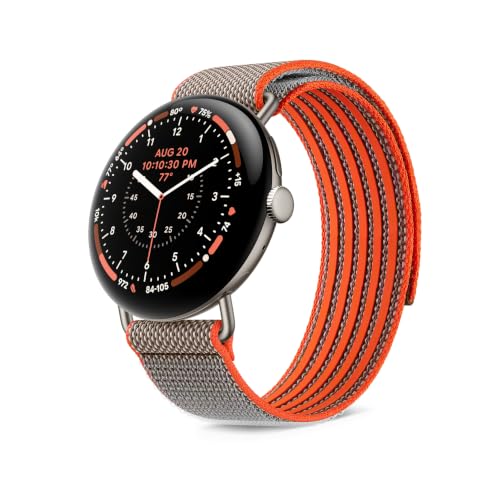


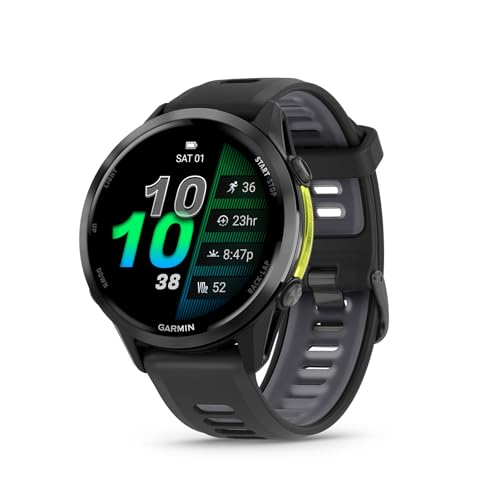
Why the Best Branded Smart Watches Stand Out
A smartwatch is a small computer. Its value depends on the app store, the pairing with your phone, the update history and the support after the sale. Established makers tend to publish clear update plans, offer replacement straps and chargers for years, and keep health features improving over time.
Lesser known labels can look similar on a product page and still fall short on app quality, sensor accuracy and software life. A brand with a track record lowers that risk, even when the hardware looks alike.
Phone Compatibility Comes First
Some smartwatches work fully with only one phone system, and offer reduced features on the other. Before you compare anything else, confirm that the watch supports your phone for calls, messages, apps and health syncing. This single check prevents the most common regret.
If you may switch phones in the next few years, favor a watch that works well on both systems, or accept that you may need to replace it with the phone.
Types of Smart Watches
Everyday Smartwatches
Everyday models balance notifications, calls, payments and basic fitness tracking. They have bright touch screens, a day or two of battery and a wide choice of straps. They suit most people who want a connected watch without a training focus.
Fitness and Outdoor Watches
Sport focused watches add precise GPS, multi band positioning, training load data and maps. Their cases are tougher and their batteries last days to weeks. They suit runners, cyclists, hikers and anyone who trains with structure.
Premium and Hybrid Models
Premium smartwatches use sapphire glass, titanium cases and larger displays. Hybrid watches keep a traditional dial and add basic tracking with weeks of battery. Choose them if style and battery life matter more than apps.
Key Features to Compare
Battery Life
Battery life ranges from about a day for a bright always on screen to two weeks or more for efficient sport models. GPS use, always on displays and cellular connections drain power fastest. Pick a battery life that fits how often you are willing to charge.
Health and Fitness Sensors
Common sensors include heart rate, sleep tracking, blood oxygen estimates and skin temperature. Treat the readings as general wellness information, because a watch is not a medical device. If a reading worries you or symptoms persist, talk with a clinician instead of relying on the watch.
GPS and Navigation
Built in GPS records routes without your phone, which matters for runs, rides and hikes. Dual band GPS improves accuracy near buildings and trees. Offline maps add value for trail users but cost more.
Display and Durability
Bright AMOLED screens look sharp, while transflective displays save power and read well in sun. Sapphire glass resists scratches better than strengthened glass. Check the water rating if you swim, and read the care steps for saltwater.
Software Support and Apps
Ask how many years of updates the maker commits to and which apps are available. Payments, music, maps and voice assistants vary a lot between platforms. Long support keeps the watch useful and protects your spending.
Size and Strap Fit
Case sizes from 40 mm to 50 mm cover most wrists. A large case adds battery but can feel bulky when you sleep. Quick release straps make it easy to swap a sport band for a leather one.
Who Should Buy Which Watch
Among the best branded smart watches, first time buyers should choose a simple everyday model with clear controls and a large app choice. Fitness users should look for accurate GPS, strong heart rate sensing and long battery life. Busy professionals benefit from reliable notifications, calendar access and a smart look.
Frequent travelers should favor long battery life and offline maps. Anyone who wears a watch to bed for sleep tracking should check how the watch feels on the wrist at night.
Setup and Daily Use
Pair the watch at home and take time to learn the main screens before relying on it. Set notification levels early, because too many alerts become annoying and drain the battery. Add a charging habit, such as charging during a morning shower, so the watch is ready when you need it.
Keep the strap clean and let the skin under the case breathe. Rinse after sweat or salt water, and replace a worn strap rather than forcing it.
Choosing Between Brands and Ecosystems
Each major family of smartwatches has a personality. Some lean toward polished everyday use with excellent app choice, others toward training depth and multi week battery, and others toward style and design. Look at what you want the watch to do on a normal Tuesday, not on the best day of the year.
Consider accessories as part of the cost. Spare chargers, sport and metal bands and screen protectors add up, and some makers sell bands for many years while others change formats often. A brand with a stable strap and charger standard saves money over time.
Finally, read how the maker handles repairs. Battery replacement, screen repair and trade in programs vary, and they affect what the watch costs to own over three or four years.
Common Mistakes to Avoid
- Skipping the phone compatibility check and losing key features.
- Paying for premium materials when you only need basic tracking.
- Ignoring charging habits and buying a watch that needs daily charging when you want a week.
- Treating sleep and health numbers as medical advice.
- Buying an old model without checking how long updates will continue.
Related Guides
For a wider view, see our guide to the best branded watches. Design focused shoppers can read about the best looking smart watches, and Android users can compare the best smart watches for Android. If a classic watch suits you better, see the best branded watches for men.
Frequently Asked Questions
Do smart watches work with any phone?
No. Some work fully with one phone system and offer reduced features on the other. Check calls, messages, apps and health syncing for your phone before you order.
How long does a smart watch battery last?
Feature rich watches often last one to two days, while efficient sport and hybrid models last a week or more. GPS, always on screens and cellular use drain power faster. Choose a battery life that fits your charging routine.
Can a smart watch track sleep accurately?
It can show useful patterns, but it estimates sleep from movement and heart rate. Use the data to spot trends over weeks, not to judge a single night. If sleep problems persist, talk with a clinician.
Are smart watches water resistant enough for swimming?
Many suit swimming, but ratings differ, so check the exact rating and care guidance first. Rinse after salt or chlorinated water, and avoid hot showers and saunas if the maker advises it. Seals can weaken with age.
Should I buy a branded smart watch or a cheaper one?
Branded models usually offer better software support, app choice and build quality, which matters over years of use. Cheaper watches can cover basic tracking and alerts. Decide by how long you plan to keep the watch and which features you use every day.
Final Thoughts
Start with phone compatibility, then match battery life, sensors and size to your routine. Compare finalists in the product table above, check the update policy, and choose the best branded smart watches option that fits how you live. A watch that suits your phone and your habits will earn its place on your wrist every day.