Best Branded Watches for Men 2026: Matching the Right Watch to Your Routine
Disclosure: We may earn a commission when you buy through links on this page, at no extra cost to you. As an Amazon Associate I earn from qualifying purchases. Learn more

Match a branded men's watch to your daily routine, from office hours to weekends outdoors, and learn what the brand premium really buys before you spend.
There is no single best watch, because a watch that suits a boardroom looks lost on a dive boat, and a chunky diver feels wrong under a shirt cuff. Branded watches add another layer, since the name on the dial raises the price whether or not it improves your day. Choosing the best branded watches for men starts with your routine: where the watch goes, what it bumps into, and how much care you are willing to give it.
This guide matches watch types to real routines first, then covers the features, risks, and upkeep behind the brand premium. Prices run from about $100 to many thousands, and the useful differences are easier to spot than the marketing suggests. The comparison table below puts the main categories side by side so you can see where your routine lands.






Who Should Buy Which Branded Watches?
Office and Dress Routines
A slim case that slides under a cuff is the first requirement at a desk or in formal settings. Look for case diameters around 36 to 40 mm, modest thickness, and a dial that stays quiet: simple indices, little text, and no bright colors. Leather straps and thin metal bracelets read as deliberate rather than sporty.
Water resistance barely matters here beyond hand washing, so spend on finishing and a clean dial instead. A dress leaning watch also pairs well with suits at events where a sports watch would look out of place.
Everyday Casual Wear
The daily wear watch takes the most knocks and sees the most weather, so durability outranks decoration. A case around 38 to 42 mm, a sapphire or hardened glass crystal, and at least 50 m of water resistance cover commuting, rain, and weekend chores. Quartz movements suit this routine best because they ask for nothing between battery changes.
Choose a strap you can replace cheaply, since straps wear out long before the watch does. For this routine, one versatile watch beats a drawer of specialists.
Sport, Water, and Outdoor Routines
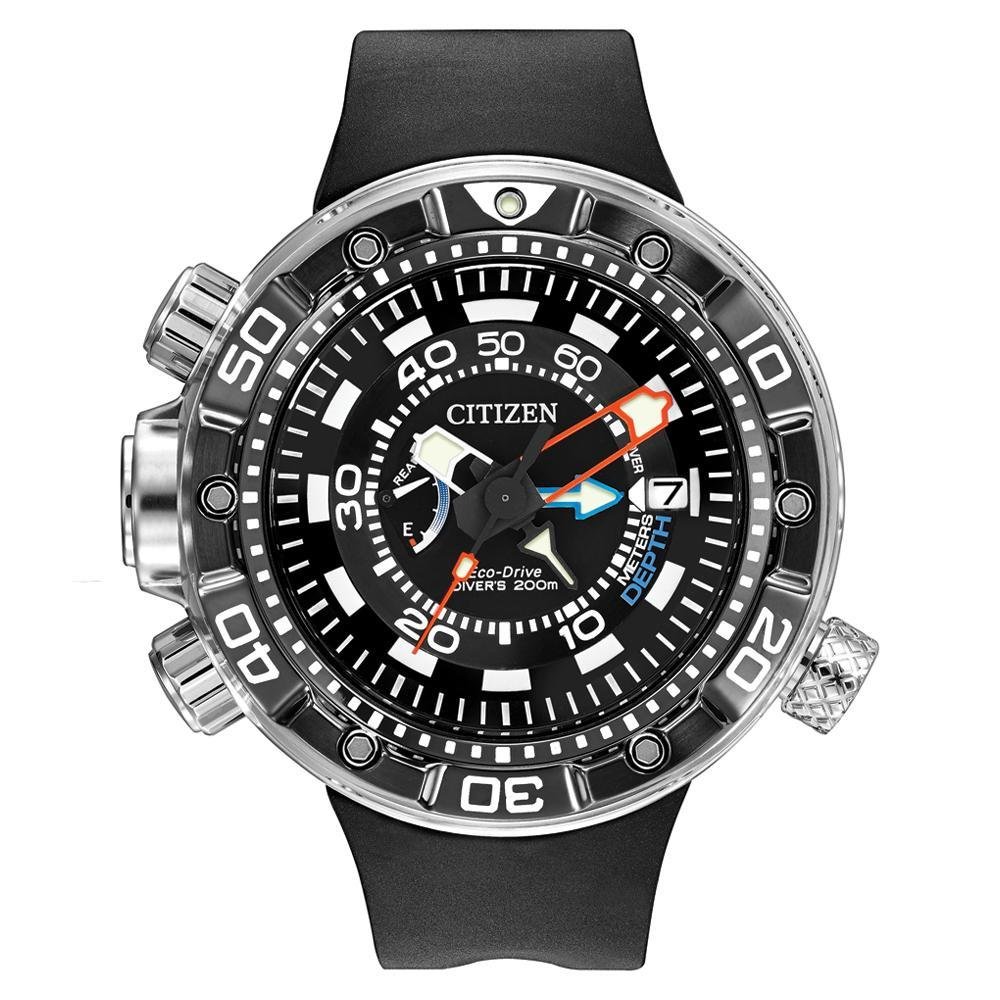
Training, swimming, and trail days expose a watch to sweat, impact, and full immersion. Prioritize 100 m of water resistance or better, a legible dial you can read at a glance, and a strap that tolerates water, such as rubber or a metal bracelet. Keep crowns screwed down or pushed in before any swim, every time.
For GPS tracking, pace, and heart rate data, the sport watch category does what no classic watch can. Our guide to the best garmin watches for men covers that class of GPS training watches in depth.
Buying a Branded Watch as a Gift
A gift watch succeeds when it matches the wearer's routine, not the giver's taste. Safe ground includes classic case sizes, neutral dial colors, and brands with easy returns and warranty service in the recipient's country. Engraving makes a watch personal but usually removes the option to exchange it, so engrave only when you are certain of the choice.
If you are shopping for a woman instead, our guide to the best branded watches for women applies the same routine first thinking. Include the receipt and warranty papers with the gift, quietly, so servicing stays simple later.
Picking the Right Branded Watches for Different Uses
Best Branded Watches for Mens: What to Prioritize
Men's wrists average larger, and the proportions that suit them differ in a few concrete ways. Case diameters around 40 to 44 mm fill most men's wrists without hanging over the edges, and lug to lug length matters more than diameter alone. Dial legibility scales up too, since bigger hands and markers read faster during activity.
Strap width around 20 to 22 mm keeps the case balanced, and a slightly heavier case feels steadier on a larger wrist. Prioritize honest proportions over the biggest case on the shelf, because oversized watches date quickly and snag on everything.
What the Brand Name Actually Buys
A famous name buys design work, case and dial finishing, quality control, a warranty you can actually use, and a service network that will still exist in ten years. It also buys resale recognition, which matters if you ever trade up. Our guide to the best branded watches explains how the main categories of makers differ, and the best men watches company guide shows how range and support vary between companies.
What the name does not buy is accuracy. An inexpensive quartz movement typically gains or loses only a few seconds a month, while a fine mechanical movement may drift several seconds a day and still count as well regulated. You pay for the craft inside a mechanical watch, not for better timekeeping. If exact time matters most, a modest quartz watch from a reputable maker wins every time, so spend the brand premium on finishing and service with your eyes open.
Key Features to Compare
Water Resistance Rating
The numbers on the dial describe static pressure in a lab, not the depth you can dive to. A 30 m rating means splashes and rain only, and that watch should stay out of the shower. A 100 m rating handles swimming and snorkeling, while 200 m suits recreational diving.
Moving water, hot showers, and aging seals all reduce real protection, so treat ratings as ceilings with a safety margin. Whatever the rating, never operate the crown near water, and have the seals checked whenever the case is opened.
What Men Should Look For
Beyond size, three things decide daily comfort. Lug to lug length should stay within your wrist width so the case does not overhang, which is the most common cause of a watch looking oversized. Case thickness decides whether the watch slides under cuffs or catches on them every time you reach for something.
Weight distribution matters over a long day, because a top heavy case on a thin strap will wander around your wrist. Try watches on in person when you can, and judge the fit at the end of the day, when wrists swell slightly.
Legibility and Style
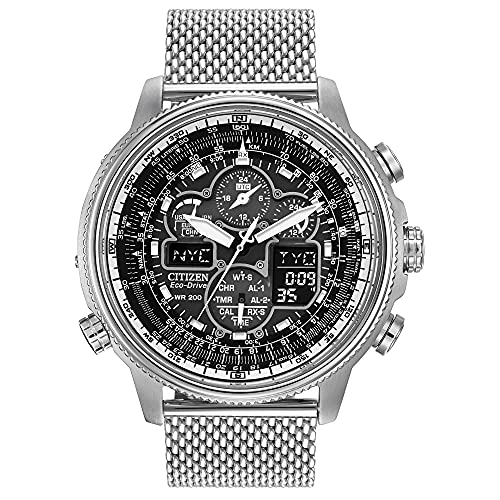
A watch earns its keep when you can read it at a glance. Contrast between hands and dial matters more than dial size, and lume on the hands and markers keeps a watch useful after dark. Style should follow your wardrobe: a clean three hand dial suits offices and formal wear, while chronographs and dive bezels read as sport tools.
Our guide to the best good looking watches for men shows how dial design changes the impression a watch makes. When in doubt, the simpler dial ages better and clashes with nothing you own.
Movement Type: Quartz, Automatic, Solar, and Smart
Quartz movements are accurate, cheap to run, and need a battery every two to three years. Automatic movements wind from your wrist motion, skip batteries entirely, and cost more to buy and to service. Solar movements charge from light and stretch battery changes to a decade or more per cell.
Smart movements add notifications, GPS, and health tracking, at the price of charging every few days and software that ages faster than the case around it. Pick the movement that matches the care you will realistically give the watch, not the one that sounds most impressive.
Crystal and Case Materials
The crystal decides how a watch looks after years of doorframes and desk edges. Sapphire resists scratches better than anything else at these prices and stays clear for decades, which is why it anchors the higher tiers. Mineral glass sits in the middle: harder than plastic, cheaper than sapphire, and likely to pick up a mark or two over the years. Acrylic scratches easily but can be polished back at home, which suits inexpensive retro styled pieces.
Case material changes the feel on the wrist more than the look. Stainless steel is heavy, tough, and easy for any watchmaker to refinish. Titanium weighs noticeably less and feels warmer against the skin, a real comfort gain in larger cases worn all day.
Counterfeit and Gray Market Risks
Popular brands attract fakes, and modern counterfeits copy logos and packaging well enough to fool casual buyers. Buy from authorized sellers or established dealers, and treat prices far below the going rate as a warning rather than a bargain. Papers, matching serial numbers, and a valid warranty card are part of what you are paying for. A seller who cannot explain them is telling you something important.
Gray market watches are genuine but sold outside the maker's authorized network, often without the maker warranty. A seller's own warranty may or may not be honored easily, and resale buyers discount pieces with incomplete papers. The discount can be fair compensation if you accept those limits with open eyes. Factor the cost of one independent service into the gray market price before deciding the deal is good.
Common Mistakes to Avoid When Buying Branded Watches
- Judging by brand fame alone, which pays for advertising while ignoring fit, warranty terms, and service reach.
- Buying a case too large for your wrist, so the lugs overhang and the watch slides around and knocks into doorframes.
- Ignoring the water resistance rating and wearing a 30 m dress watch into the pool, which can flood the movement in a single swim.
- Skipping the warranty check on gray market or secondhand pieces, which leaves you paying in full for the first repair.
- Choosing a mechanical movement for a watch worn once a month, so it stops between wears and needs constant resetting.
- Forgetting service costs, which for an automatic watch can rival the price of an entire entry level quartz watch.
How to Make Your Branded Watch Last Longer
Mechanical and automatic watches need professional service about every 5 to 7 years, when lubricants dry out and seals age. Quartz watches need attention mainly when batteries or seals are changed, and that visit is the right moment to renew the case gaskets. Rinse any watch worn in salt water under fresh water afterward, and dry it before storing it.
Keep watches away from strong magnets, including bag clasps and tablet covers, because magnetism makes mechanical movements run fast. Store the watch dry and out of direct sunlight, with the crown pushed in or screwed down. A watch that is serviced on schedule and stored sensibly will outlast several fashion cycles without drama.
Branded Watches: Your Questions Answered
What makes branded watches for men different from unbranded ones?
The difference is accountability more than appearance. A branded watch comes with a warranty a real company must honor, spare parts that stay available for years, and quality control that rejects faulty pieces before they ship. Unbranded watches can look identical in photos while using movements and seals with no support behind them. Branded pieces also carry documented serial numbers, which makes servicing, insurance, and eventual resale far simpler.
Quartz or automatic watches: which is better?
Neither is better in the abstract; the right choice follows your wearing pattern. Daily wearers keep an automatic wound without thinking about it, while someone who rotates three watches will find two of them stopped each morning. Quartz wins on accuracy, price, and grab and go convenience.
Automatic wins if you enjoy mechanical craft and will actually wear the watch most days. Decide by your calendar, not by prestige.
How long does a watch battery last?
Most quartz watch batteries last about two to three years, and heavy use of alarms, lights, or chronographs shortens that noticeably. Many movements warn you before the end: the second hand starts jumping every few seconds instead of ticking once per second. Treat that warning seriously, because a dead battery left in the case for months can leak and ruin the movement. A battery change at a proper watchmaker includes a seal check, which keeps the water resistance honest.
What watch case size fits my wrist?
Measure your wrist with a tape just above the wrist bone, then match the number honestly. Slender wrists usually suit cases of 36 to 40 mm, and larger wrists carry 42 to 46 mm comfortably. A paper cutout of the case size, laid on your wrist, previews the look better than any photo. Depth perception in product photos flatters big watches, so trust the tape over the listing images.
How water resistant should a watch be?
For desk and dress wear, 30 m is enough because the watch only meets splashes. For a daily watch that will see rain, dishes, and the occasional swim, 100 m is the sensible target. Remember that steam counts as water exposure, so saunas and hot tubs stress seals even on highly rated watches. Swimmers who wear one watch for years should have the seals pressure tested annually, which costs little and prevents the one failure that ruins movements.
Is a smartwatch worth it over a classic watch?
It is worth it if you will use the health tracking, notifications, and GPS weekly, because those features are the entire point. The trade is longevity: smartwatch software support ends within years, batteries degrade, and resale value falls close to zero. A classic branded watch asks for servicing but can run for decades and still look right. Many men end up owning one of each, wearing the smartwatch for training and the classic watch for everything else.
Final Thoughts
Match the watch to the routine first, judge the brand by its warranty and service network second, and let style settle whatever remains. A modest watch that fits your wrist and your week will satisfy you longer than a famous name bought for the logo alone. Budget for service and a strap replacement along the way, and the watch will repay the planning.
Compare the categories in the product table above, check the seller as carefully as the watch, and the best branded watches for men for you will be the ones you stop thinking about once they are on your wrist.