
Best Brand for Smoke Detectors 2026: Home Safety Guide
Disclosure: We may earn a commission when you buy through links on this page, at no extra cost to you. As an Amazon Associate I earn from qualifying purchases. Learn more

Compare smoke detector brands by alarm type, power, placement, and smart features so your home gets reliable early warning in every room. Read this guide.
Choosing the best brand for smoke detectors is really about choosing reliable early warning, because the right detector in the right place gives your household precious minutes to escape a fire. Brand matters less than alarm type, placement, and working batteries, but build quality and support still count. The comparison table below helps you compare alarm types, power options, and features.
Start by mapping your home: bedrooms, hallways, living areas, and levels, since detectors belong in each bedroom, outside sleeping areas, and on every level. Also note your power situation, since hardwired detectors with battery backup suit many homes while battery models suit rentals and additions. Coverage first, brand second.
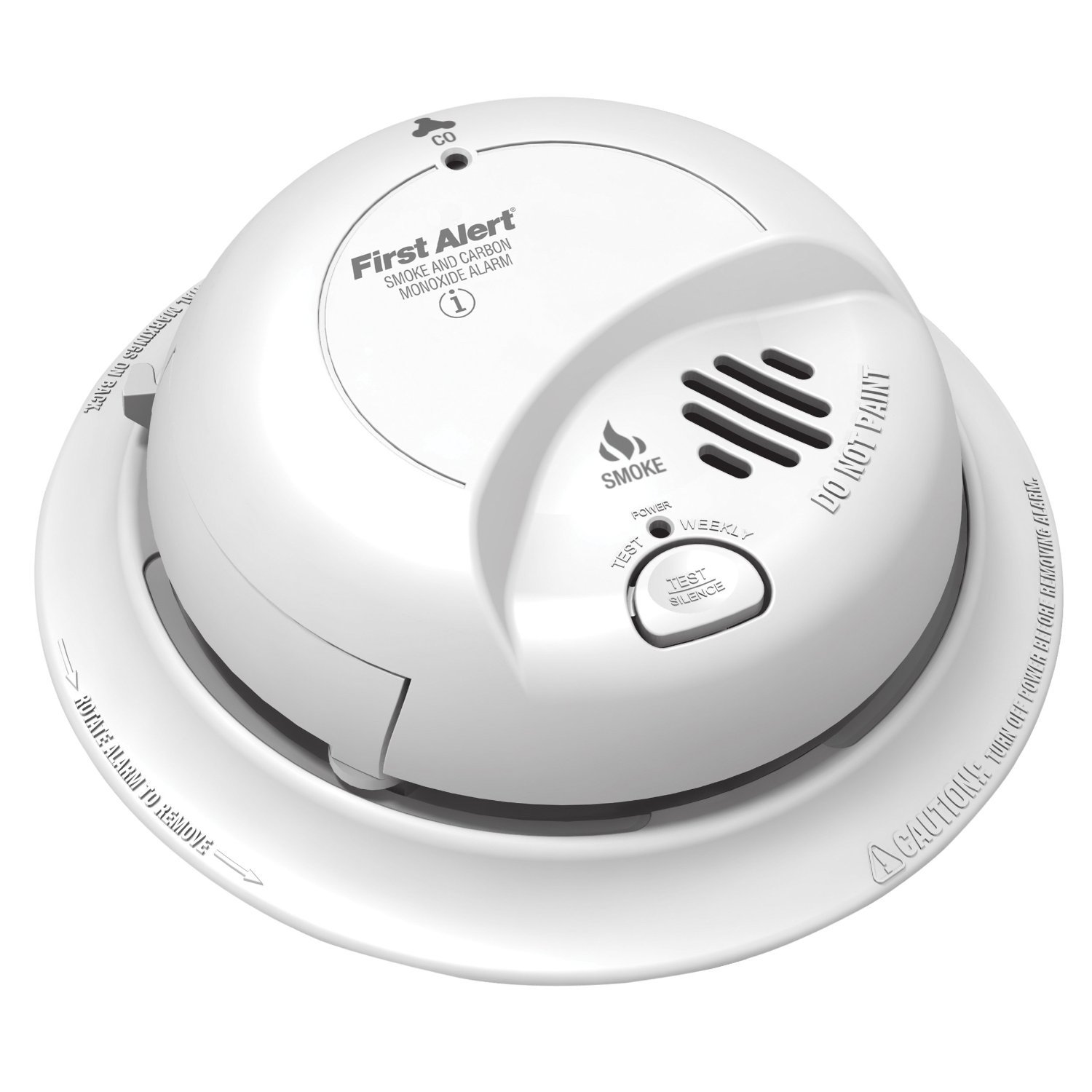
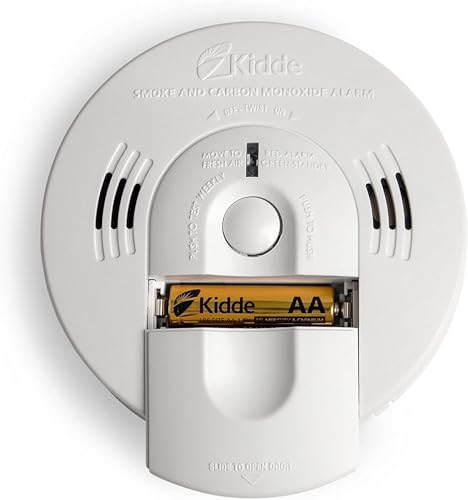
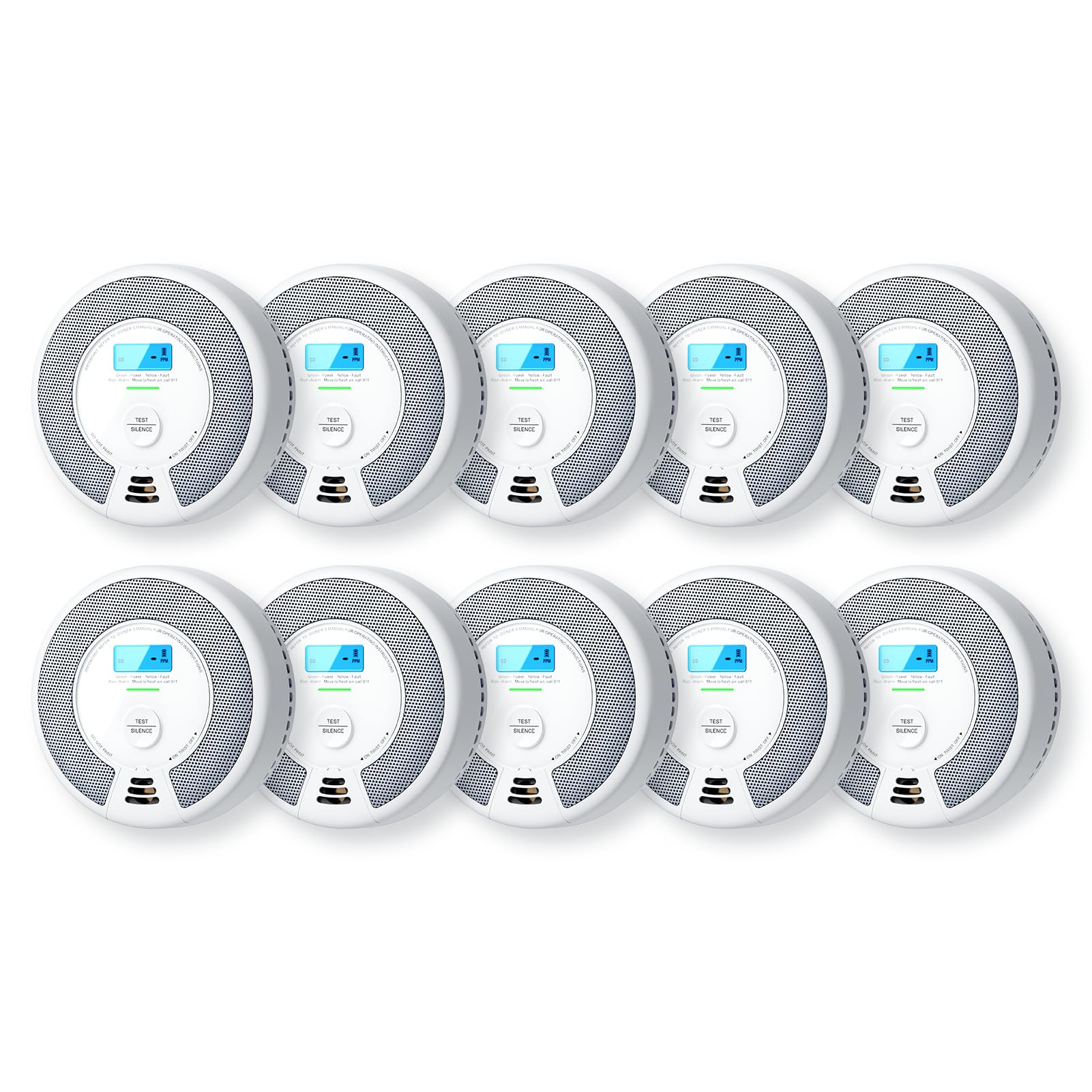
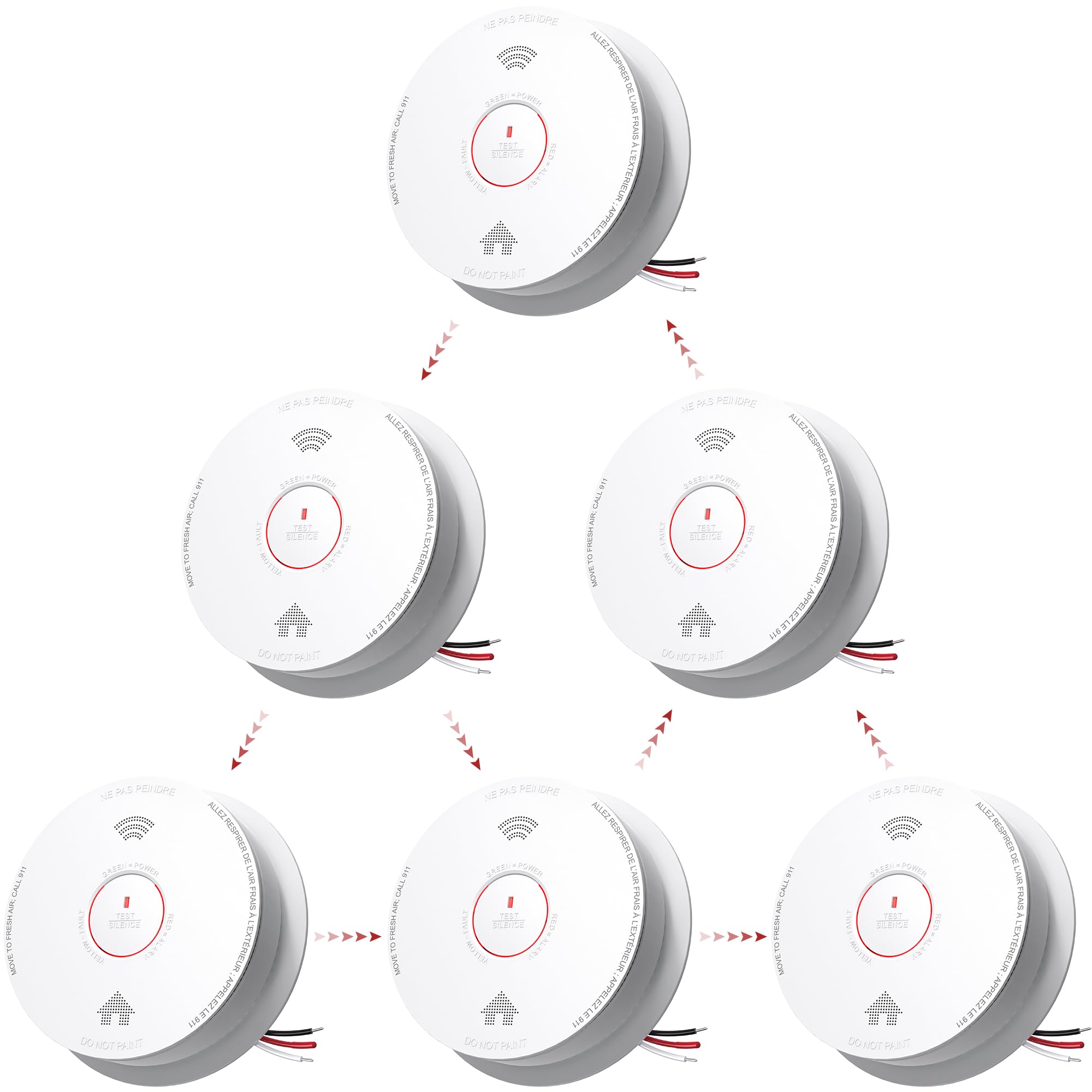
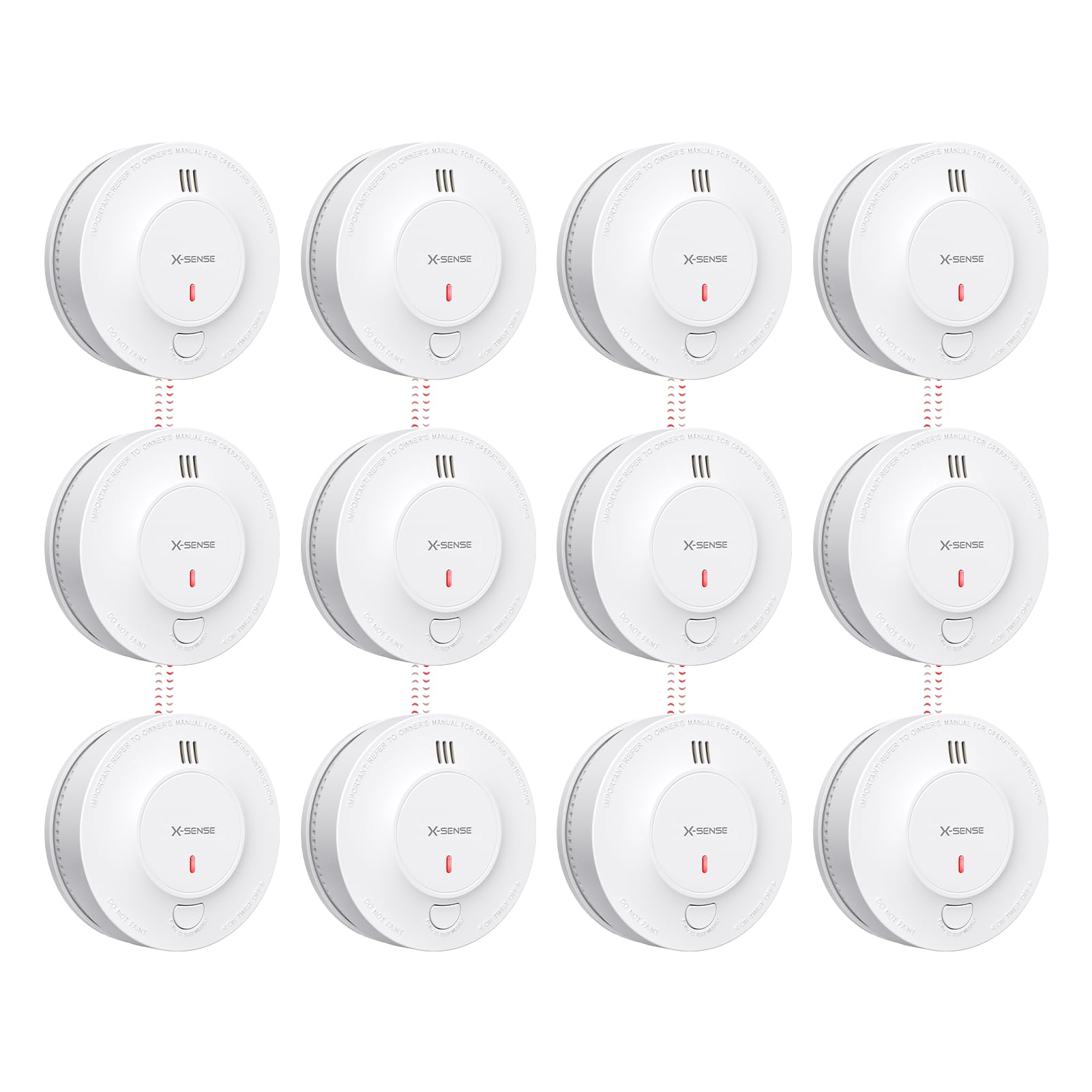

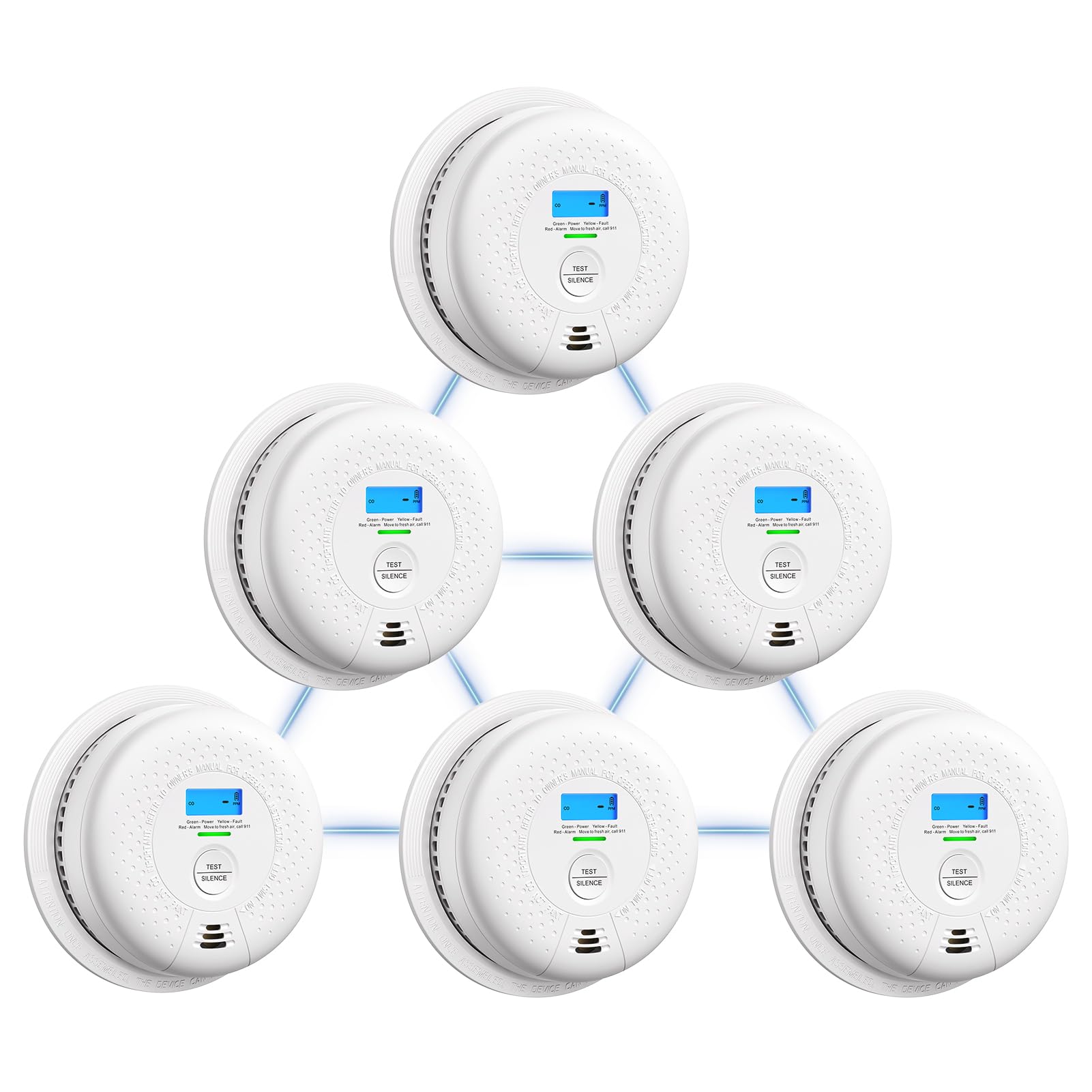
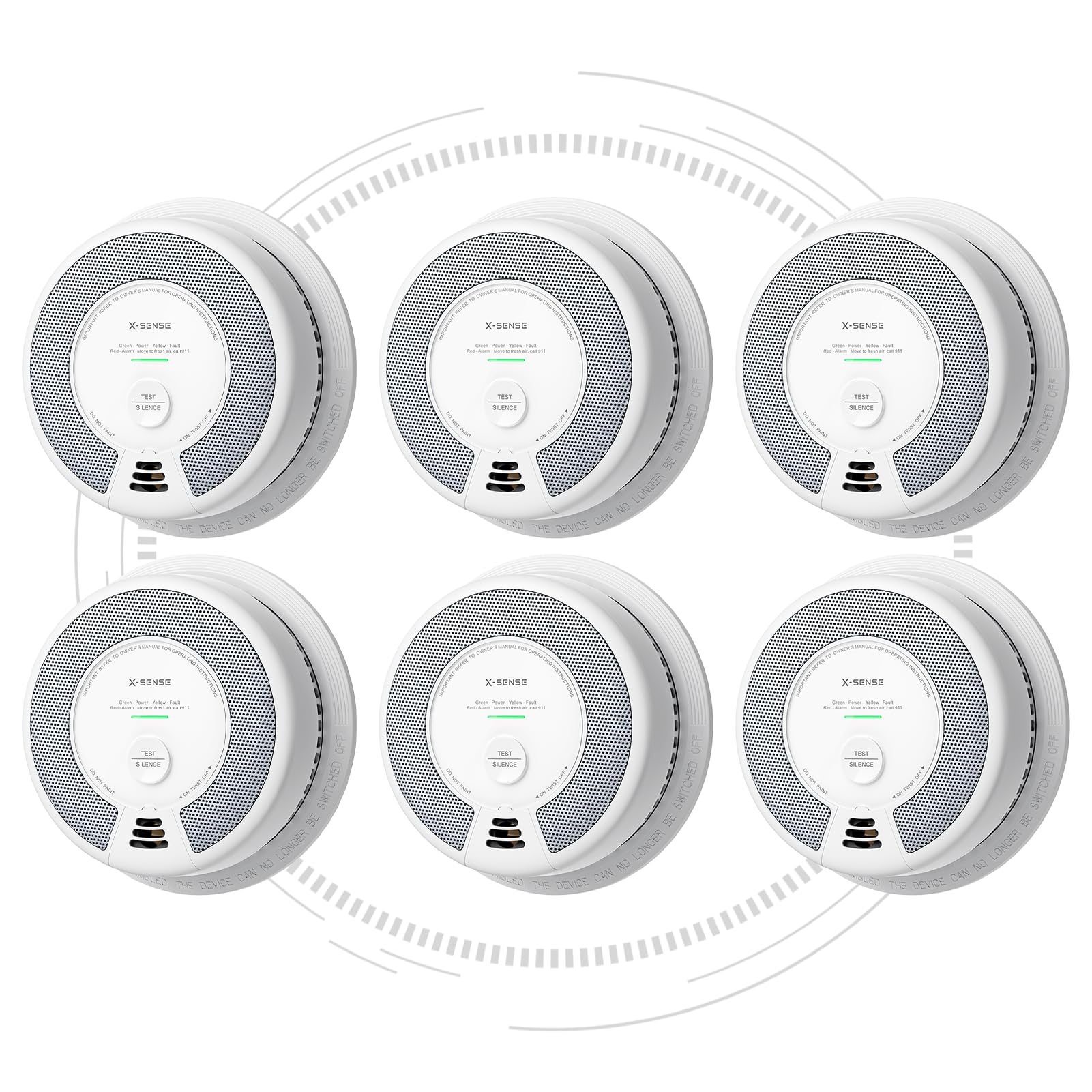
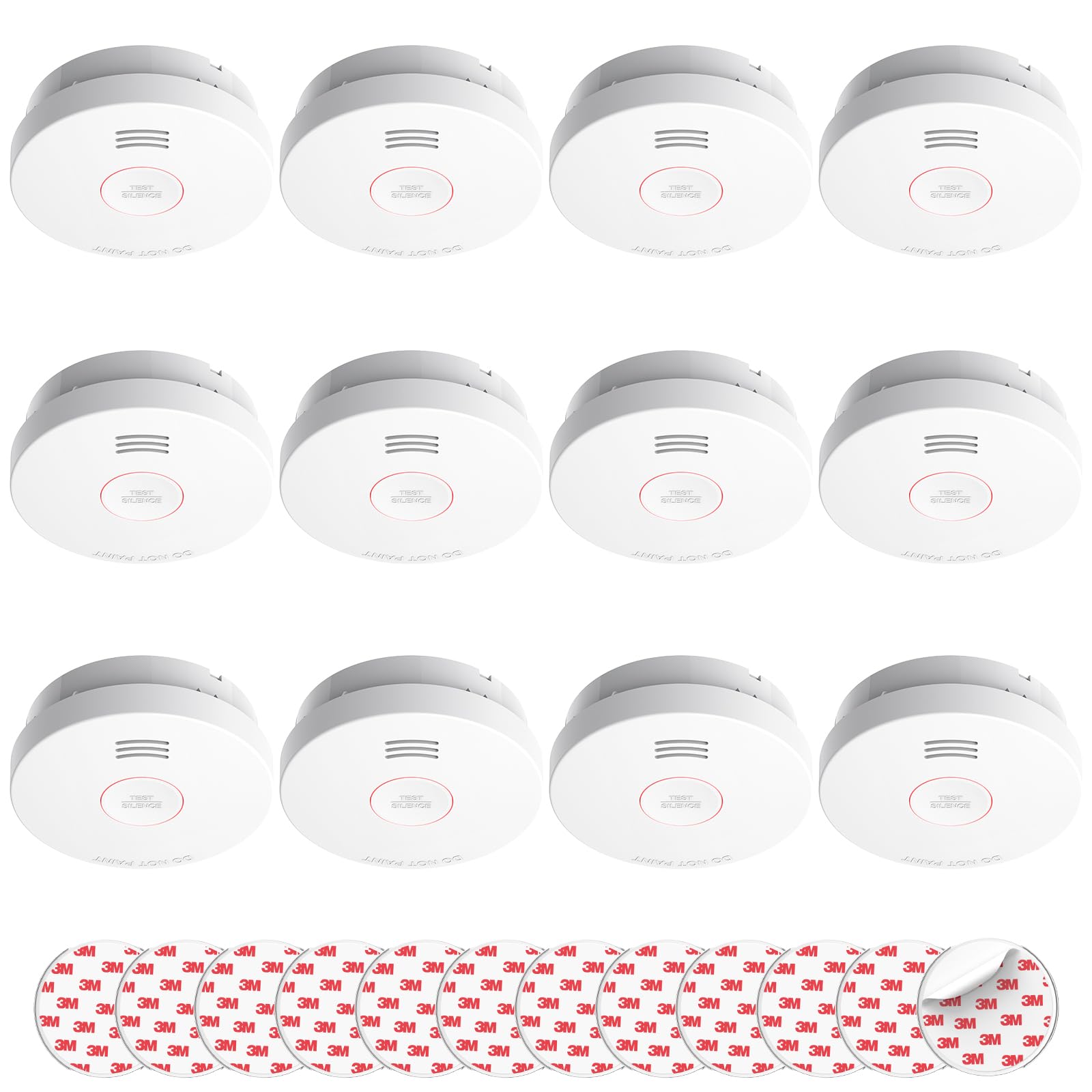
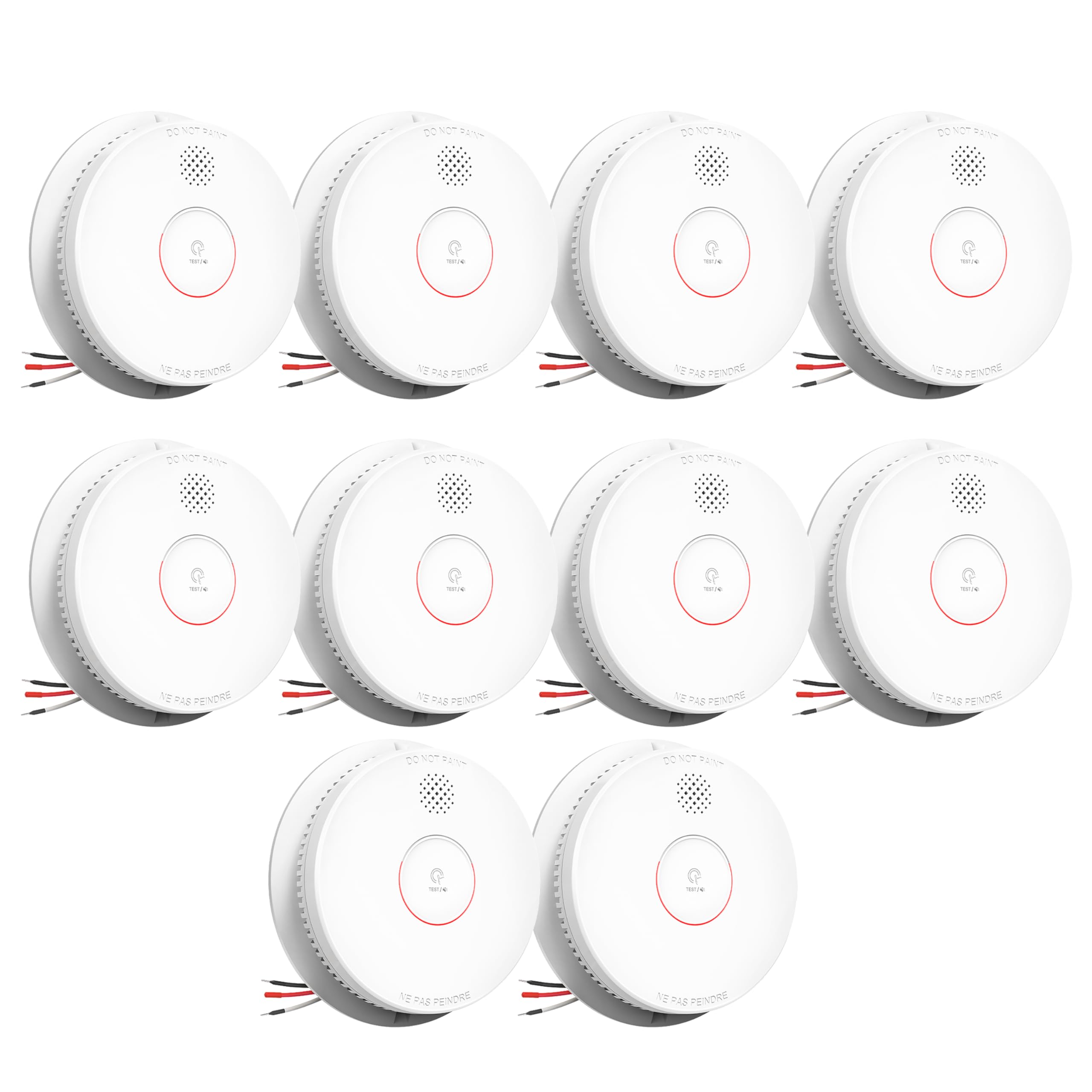
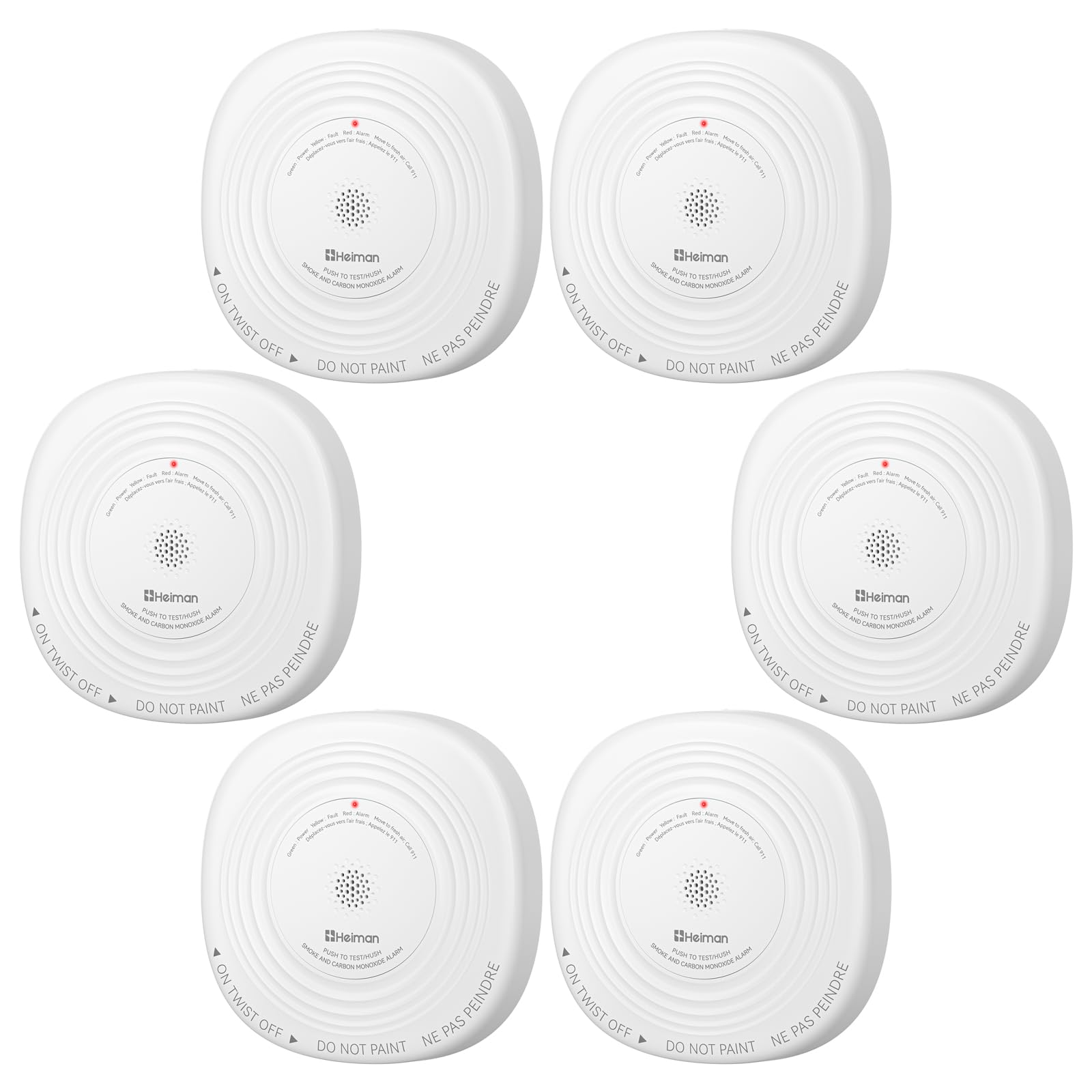
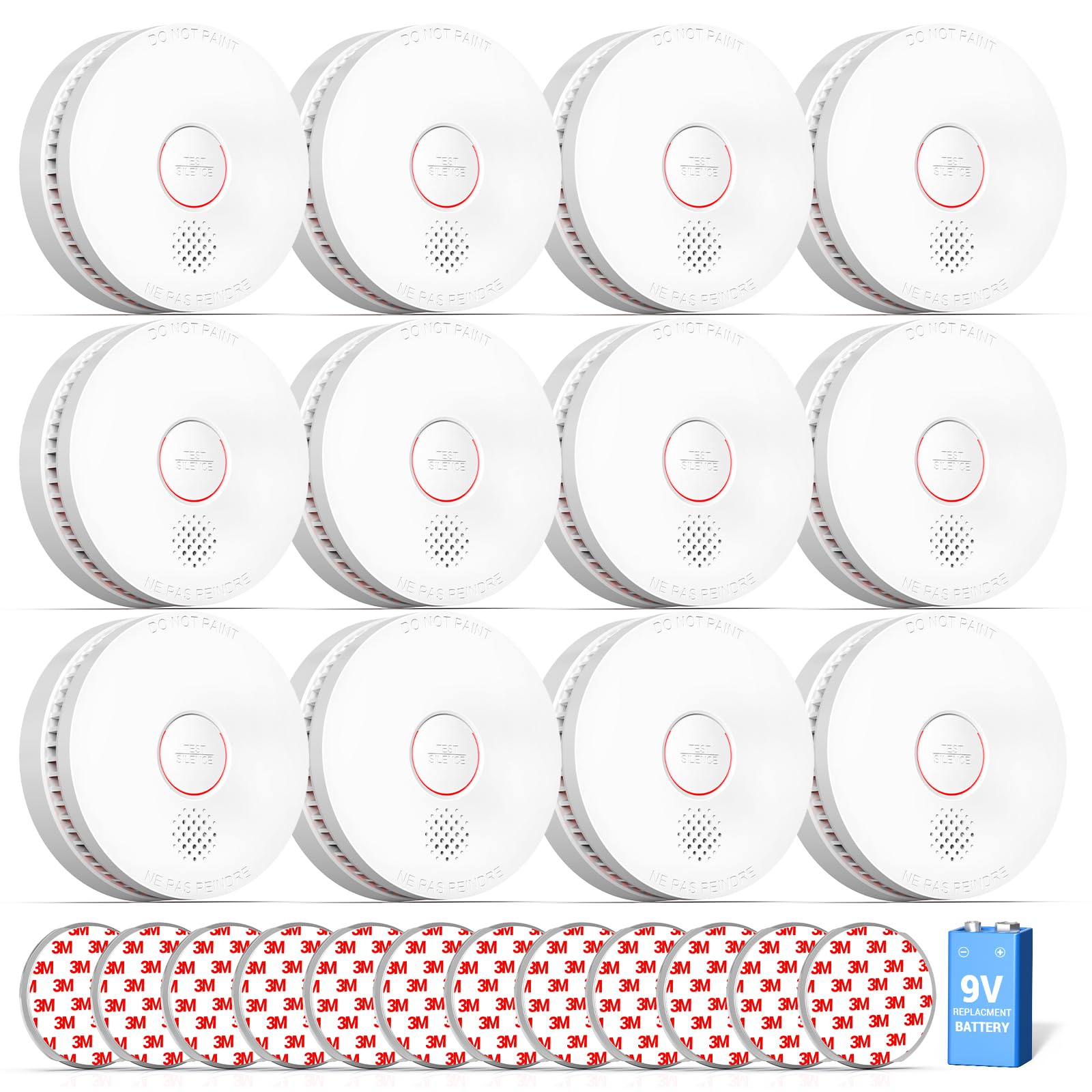
Alarm Types and How They Detect Fire
Ionization alarms respond quickly to fast flaming fires with small smoke particles, while photoelectric alarms respond faster to slow smoldering fires with larger particles. Dual sensor alarms combine both technologies and cover a wider range of fire types. Many safety experts recommend dual sensor or photoelectric alarms for bedrooms and living areas, since smoldering fires are common there.
No single alarm type covers every fire perfectly, so using dual sensor alarms or mixing types across rooms gives broader protection. Check that alarms carry certification from a recognized testing lab, and replace any alarm that lacks clear labeling. Alarm type matters more than brand name for early warning.
Power, Interconnection, and Placement
Hardwired alarms connect to home power with battery backup, so one alarm can trigger all alarms in the house, waking sleepers far from the fire. Battery alarms are easier to install and suit rentals, but they need regular battery checks and replacement. Sealed lithium battery alarms last up to ten years without battery changes, which removes a common failure point.
Place alarms on ceilings or high on walls, inside each bedroom, outside each sleeping area, and on every level including basements. Keep alarms away from kitchens and bathrooms where steam and cooking smoke cause false alarms, and away from vents that can delay smoke reaching the sensor. Follow maker placement guides and local codes for exact spacing.
Smart Features Worth Paying For
Smart detectors send phone alerts when you are away, which helps you act fast and alert neighbors or emergency services. Voice alerts that name the room help families locate danger quickly, especially at night. Some models also detect carbon monoxide, combining two protections in one unit, which suits homes with fuel burning appliances.
Smart features need stable Wi Fi and app setup, so weigh them against simplicity. A basic alarm with fresh batteries and correct placement beats a smart alarm with dead batteries or a failed connection. Choose smart features as an addition to solid basic protection, never as a replacement for it.
Brand Quality, Support, and Value
Reputable brands offer consistent sensor quality, clear instructions, long warranties, and responsive support for replacements and questions. Check warranty length, availability of matching models for interconnection, and whether the brand offers both battery and hardwired options. A brand with a stable product line makes future replacement and expansion easier.
Price differences often reflect sensor type, smart features, and battery life rather than basic reliability, so compare features rather than brand prestige alone. Buy from authorized sellers to avoid counterfeit alarms, which may fail when needed most. Keep purchase records and alarm dates, since alarms expire and need scheduled replacement.
Testing, Maintenance, and Replacement
Test alarms monthly with the test button, replace batteries at once when a low battery chirp sounds, and never disable an alarm to stop nuisance alarms. Clean alarms gently with a vacuum brush to remove dust that can cause false alarms or delay sensing. If nuisance alarms persist, move the alarm slightly or choose a different sensor type for that location.
Replace all smoke alarms every ten years, or sooner if they fail tests, show damage, or lack a clear manufacture date. Write the install date on each alarm and set a household reminder for replacement. Working alarms save lives only when they are tested, maintained, and replaced on schedule, so build those habits into your routine.
Related Guides to Read Next
If you want to compare nearby options, these related guides can help: what is the best brand of smoke detectors, best smoke and co2 detectors, best battery for smoke detectors, best wired smoke detectors. Each one covers a different angle, so start with the guide that matches your room, your budget, or your next question.
Living With Smoke Alarms
Smoke alarms protect a household only when they become part of routine, with monthly tests, battery checks, and placement reviews built into family habits. Pick a test day each month, such as the first Saturday, and make testing a shared task so children learn its importance. A household that tests together stays safer together, and children carry the habit into their own homes.
Nuisance alarms frustrate families, but disabling an alarm is never the answer, since a disabled alarm offers zero protection. Instead, address the cause: move the alarm slightly, clean dust from the sensor, or choose a different sensor type for kitchens and bathrooms. A well placed alarm rarely false alarms, and solving placement beats silence every time.
Escape planning turns early warning into saved lives, because an alarm only helps if everyone knows how to leave quickly and where to meet outside. Practice escape routes twice a year, including night drills, and make sure children, guests, and elderly family members know two ways out of each room. Keep exits clear and keys accessible, since panic and smoke make simple tasks hard.
When alarms age, replacement should be planned rather than panicked, with install dates written on each unit and a household calendar reminder at ten years. Replace all alarms together when possible, so ages stay synchronized and future replacement is simple. New alarms bring improved sensors and features, making replacement an upgrade as well as maintenance.
Visitors and new household members deserve a brief safety orientation, including alarm sounds, escape routes, and meeting points. That short conversation takes minutes and could matter enormously in an emergency. A home where everyone knows the plan is a home where early warning truly protects.
A Final Check Before You Buy
Map every bedroom, sleeping area, and level, and confirm each location will have an alarm with the right sensor type for that room. Check power options, interconnection, and local code requirements, and buy from authorized sellers to avoid counterfeits. Coverage planned this way leaves no sleeping area unprotected.
Write install dates on each alarm, set a monthly test reminder, and plan replacement at ten years from manufacture. Practice escape routes with the whole household, including night drills, and keep exits clear. Alarms plus a practiced plan give your family the best protection.
Frequently Asked Questions
How many smoke detectors does a home need?
A home needs an alarm inside each bedroom, outside each sleeping area, and on every level, including basements. Larger homes need additional alarms in living areas and long hallways so smoke reaches a sensor quickly. Interconnected alarms help because one alarm triggers all alarms, waking sleepers far from the fire. Follow local codes for exact requirements.
Are hardwired or battery smoke detectors better?
Hardwired alarms with battery backup offer interconnection and steady power, which suits owned homes and new construction. Battery alarms install easily and suit rentals, additions, and older homes without wiring. Sealed lithium battery alarms last up to ten years and remove battery change chores. The best choice depends on your home wiring and your maintenance habits.
Why does my smoke detector keep giving false alarms?
False alarms often come from cooking smoke, steam, dust, or placement too close to kitchens, bathrooms, or vents. Move the alarm slightly, clean it gently, or choose a different sensor type for that location. Never disable an alarm to stop false alarms, since a disabled alarm offers no protection. Persistent false alarms deserve a placement or sensor change, not removal.
When should smoke detectors be replaced?
Replace smoke detectors every ten years from the manufacture date, or sooner if they fail monthly tests, show damage, or chirp despite fresh batteries. Write the install date on each alarm and keep a household replacement schedule. Old sensors lose sensitivity over time, so age alone justifies replacement even when an alarm still seems to work.
Do smoke detectors also detect carbon monoxide?
Some combination alarms detect both smoke and carbon monoxide, which suits homes with fuel burning heaters, stoves, or attached garages. Combination alarms need correct placement for both threats, so follow maker guidance carefully. If you use separate alarms, place carbon monoxide alarms near sleeping areas and fuel burning appliances. Never rely on a smoke only alarm for carbon monoxide protection.
Final Thoughts
The product table above helps you compare alarm types and features, but placement, testing, and replacement habits save lives more than any brand name. Cover every bedroom and level, test monthly, and replace alarms on schedule. With the best brand for smoke detectors chosen for quality and support, your home gains reliable early warning your family can trust.


