Best Boxing Boots for Beginners 2026: Which One Fits the Way You Train?
Disclosure: We may earn a commission when you buy through links on this page, at no extra cost to you. As an Amazon Associate I earn from qualifying purchases. Learn more

Compare boxing boots for beginners by ankle support, fit, grip and weight, with simple sizing checks and care tips to help you choose with confidence.
Your first pair shapes how you learn to move. Boots that pinch, slip or feel clumsy make simple footwork drills harder than they need to be, while a steady and comfortable pair lets you focus on balance and timing. The best boxing boots for beginners match your training schedule, your feet and your budget, and the comparison table below shows the main styles side by side.
This guide explains support, fit, grip and care in plain terms, so you can walk into a shop or open a product page and know what to check first.




Who Should Buy Which Boxing Boots?
Start with how you actually train. Session length, sessions per week and the shape of your feet change which boot serves you best. For the wider view across all experience levels, see our guide to the best boxing boots.
New Starters in Their First Months of Classes
You attend one or two classes a week and your feet are still learning basic steps, pivots and stance changes. Choose a mid cut boot with moderate ankle support, a forgiving fit and a price of about $50 to $90. You need comfort during long instruction pauses and enough grip to trust your steps, not the stiff build or snug race fit that advanced boxers prefer.
Beginners Who Train Three or More Times a Week
You drill often, sweat heavily and put real mileage on the soles through bag rounds and ring work. Choose a light boot with strong stitching, a breathable upper and a sole that still grips after months of canvas contact. A second affordable pair for rotation can cost less than one premium pair and lets each boot dry fully between sessions.
Beginners With Wide Feet or a History of Ankle Rolls
You need room across the toes and more structure around the ankle than a standard starter boot gives. Choose a high cut style with a wide toe box, firm heel cup and laces that run high so you can lock the heel down. If an ankle still feels loose or painful during normal training, stop and talk with a doctor or physical therapist about your personal needs before you rely on any boot for support.
Key Features to Compare
Compare these five factors in the same order each time you shop. That habit stops a low price or a bold color from hiding a boot that fits badly or wears out fast.
Ankle Support and Shaft Height
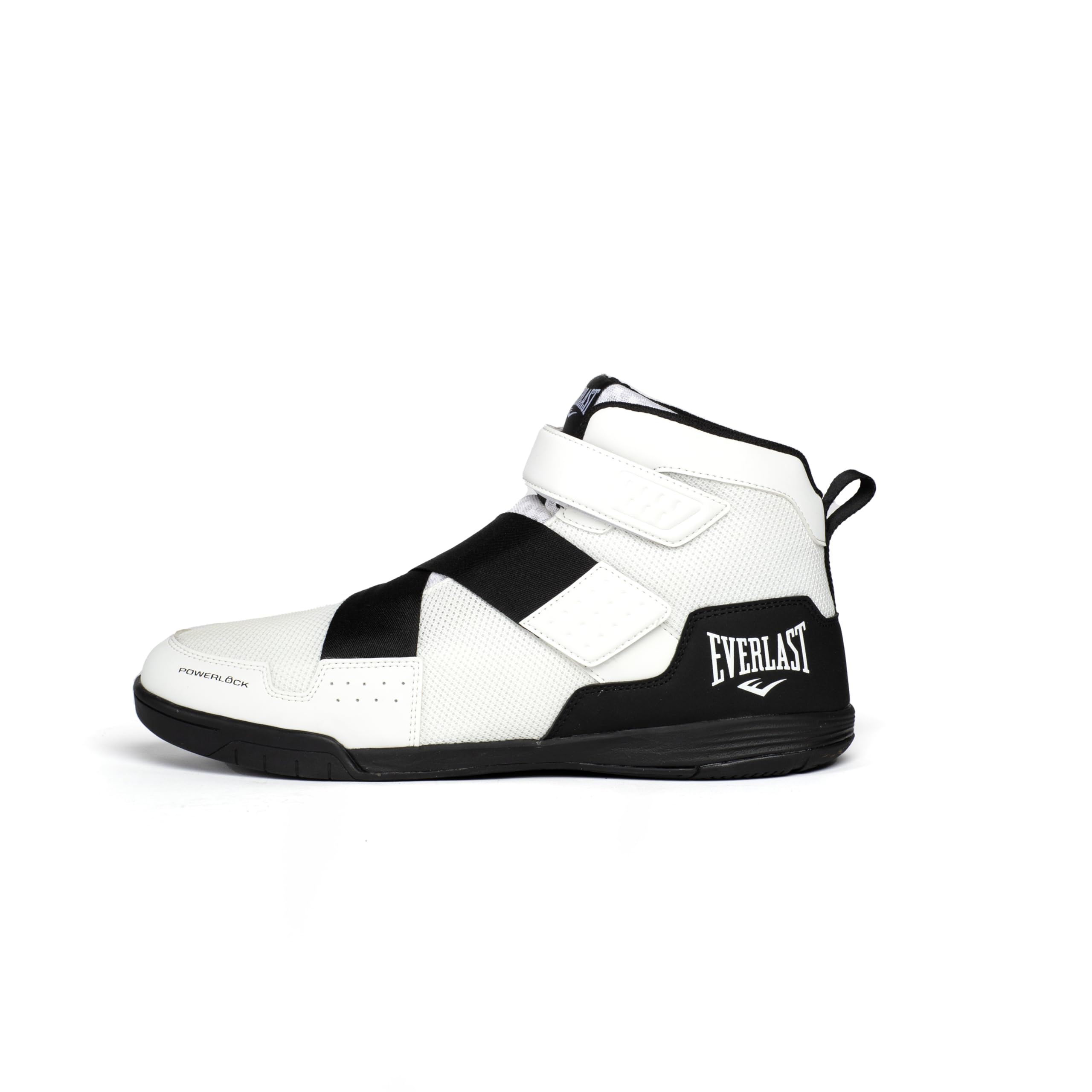
The shaft is the part of the boot that wraps your ankle, and its height sets how much ankle movement the boot limits. Low styles end below the ankle bone and feel free, mid styles cover the bone and suit most new boxers, and high styles climb the lower calf for the firmest hold. Beginners usually learn footwork fastest in mid or high styles, because a supported ankle stays stacked over the foot during pivots and quick direction changes.
Sizing Your First Pair and Leaving Room for Hand Wraps
Try boots on late in the day, when your feet are at their largest, and wear your training socks and hand wraps so the test matches real use. Your heel should stay seated when you rise on your toes, your toes should spread without pressing the sides, and you should keep about half an inch of space in front of your longest toe. Sizes vary between brands, so trust these checks more than the number on a box.
Outsole Grip and Feel for the Canvas
Boxing soles are thin and mostly smooth, with light texture for grip and a round pivot area under the ball of the foot. That thin build lets you feel the canvas, turn your front foot for hooks and slide into stance without the sole catching. Thick tread like a running shoe tread works against you here, because deep lugs grab when you need to rotate.
Mesh and Synthetic Uppers That Breathe in a Warm Gym
Most beginner boots use mesh, leather or a mix of synthetic panels, and each mix trades airflow against structure. Mesh panels vent heat and dry fast, which matters in warm gyms. Leather and dense synthetic panels hold their shape longer and support the midfoot better, but they feel warmer and need more sessions to soften. A mixed upper is the usual middle ground for a first pair, with mesh over the toes and sturdier panels along the sides and heel.
Weight, Flexibility and Closure
Most boxing boots weigh about 9 to 14 ounces per boot, and lighter pairs help new boxers keep their feet quick during long drills. The boot should bend at the ball of the foot and stay firm through the heel, so your push off feels stable instead of spongy. Long laces give the most control over tightness, while a lace cover strap adds a cleaner finish and keeps loose ends off the canvas. Choose laces alone for your first pair, because you can adjust each section as you learn what snug should feel like.
Low, Mid and High Cut Boxing Boots Compared
Height is the clearest choice you will make, so settle it before you compare colors or prices. When you shop for the best boxing boots for beginners, think of height as a dial between freedom and support. Low cut boots feel closest to training shoes and suit fast, confident movers. Mid cut boots cover the ankle bone and balance freedom with guidance.
High cut boots add the most structure and take a little longer to lace, but they reward beginners who roll an ankle easily or who drill hard several days a week. Prices overlap across all three heights, with most starter pairs at about $50 to $120, so height alone should not drive your budget. If you also shop for general starter footwear for other sports, our guide to the best beginner boots covers that broader ground.
Common Mistakes to Avoid
These errors are common in first purchases and easy to dodge once you know them.
- Buying a full size up to make room for wraps leaves your toes sliding forward, which causes blisters and late, sloppy pivots.
- Testing fit in thin everyday socks gives a false snug reading, so the boot feels loose once you add wraps and training socks.
- Wearing boxing boots on concrete sidewalks grinds the thin sole smooth, which ruins the grip you need on canvas.
- Choosing the stiffest high cut boot you can find slows your steps while you are still learning basic footwork patterns.
- Skipping the return policy check leaves you stuck with a poor fit, because sizes run differently across brands.
How to Make Your Boxing Boots Last Longer
Unlace your boots fully after each session and open the tongue wide so air can reach the inside. Stuff them loosely with newspaper or a dry cloth if they feel damp, then let them air dry at room temperature away from radiators and direct sun. Heat dries out leather panels and weakens sole glue, so patience protects the boot.
Brush dried dirt from the sole and upper with a soft brush, and wipe the sole with a damp cloth so canvas dust does not build into a slick layer. Keep boots for gym use only and carry them in a ventilated bag. Replace a pair when the sole turns smooth and shiny, the heel collar stays loose after careful lacing, or the upper tears at the flex point near the toes.
Frequently Asked Questions
What makes boxing boots for beginners different from advanced boxing boots?
Boxing boots for beginners differ mainly in fit forgiveness, support level and price. Starter models use softer padding, wider lasts and simpler laces, so small sizing errors stay comfortable while you learn. Advanced models run narrower and stiffer for precise ring movement, and they cost more for lighter materials. You gain more from that forgiveness than from small weight savings.
How should boxing boots fit when you wear hand wraps?
Boxing boots should feel snug at the heel and midfoot and relaxed at the toes when you wear hand wraps. One check the body sections did not cover is the warm up test: walk, bounce and pivot for five minutes in the shop or at home, because feet swell slightly as they warm. A fit that feels perfect while standing still can pinch after that short test, and that is the moment to change size.
Are expensive boxing boots worth it for beginners?
Expensive boxing boots are rarely worth it for beginners in their first season. Higher prices mostly buy lighter panels and finer stitching, which matter once your footwork is fast and exact. A sound mid price pair teaches you what you like about height, fit and grip. Spend the savings on wraps, a bag and class time instead.
How long does the break in period for new boxing boots take?
The break in period for new boxing boots usually takes about three to five full training sessions. Mesh and synthetic uppers soften within the first week of regular classes, while leather panels can take a little longer to shape around your ankle. Wear new boots for drills and bag work first, not for your longest session, and tighten the laces again halfway through as the materials settle.
Can you wear boxing boots all day outside the gym?
No, you should not wear boxing boots all day outside the gym. The thin sole offers little protection on pavement and wears smooth quickly, which then makes the boot unsafe on canvas. Most gyms also ask members to keep ring shoes clean and indoor only, so street dirt stays off the training surface. Change into your boots at the gym and treat them as training equipment, not street footwear.
Wrapping Up
Match shaft height to your ankles, fit to your wrapped feet and weight to your session length, and most other choices become simple. Use the product table above to compare those points across the styles that sit inside your budget.
When you choose best boxing boots for beginners with those checks in mind, your first pair supports your learning instead of fighting it. Start with the style that fits your training week, and upgrade only when you know exactly what you want to change.