Best Boxing Shoes for Men: A 2026 Buying Guide
Disclosure: We may earn a commission when you buy through links on this page, at no extra cost to you. As an Amazon Associate I earn from qualifying purchases. Learn more

Learn how to choose boxing shoes for men by ankle support, grip, weight, and fit, with practical checks for training, sparring, and footwork.
The best boxing shoes for men are built for movement in the ring and in the gym, where quick steps, pivots, and stable footing matter on every round. The comparison table below shows how high top, mid top, and low top styles differ, so you can match the shoe to your training style. This guide explains fit, grip, and support in plain terms and helps you avoid a shoe that looks right but moves wrong.
Boxing footwork asks a lot from a shoe. You slide, pivot, bounce, and plant your feet under pressure, often on a canvas or a smooth gym floor. A shoe that grips too much can catch during a pivot, while a shoe that grips too little can slide at the wrong moment. Balance between those two extremes is the heart of a good choice.
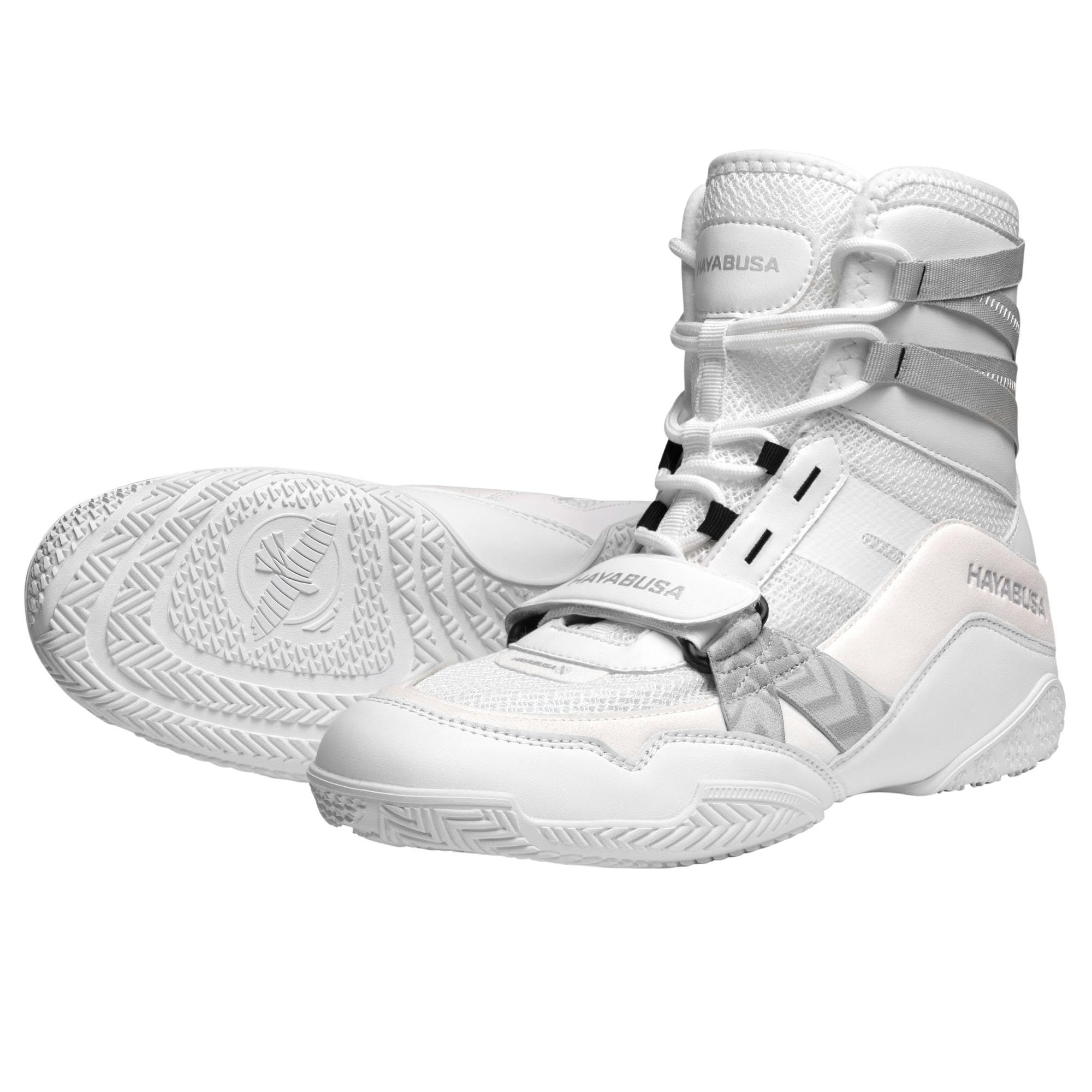


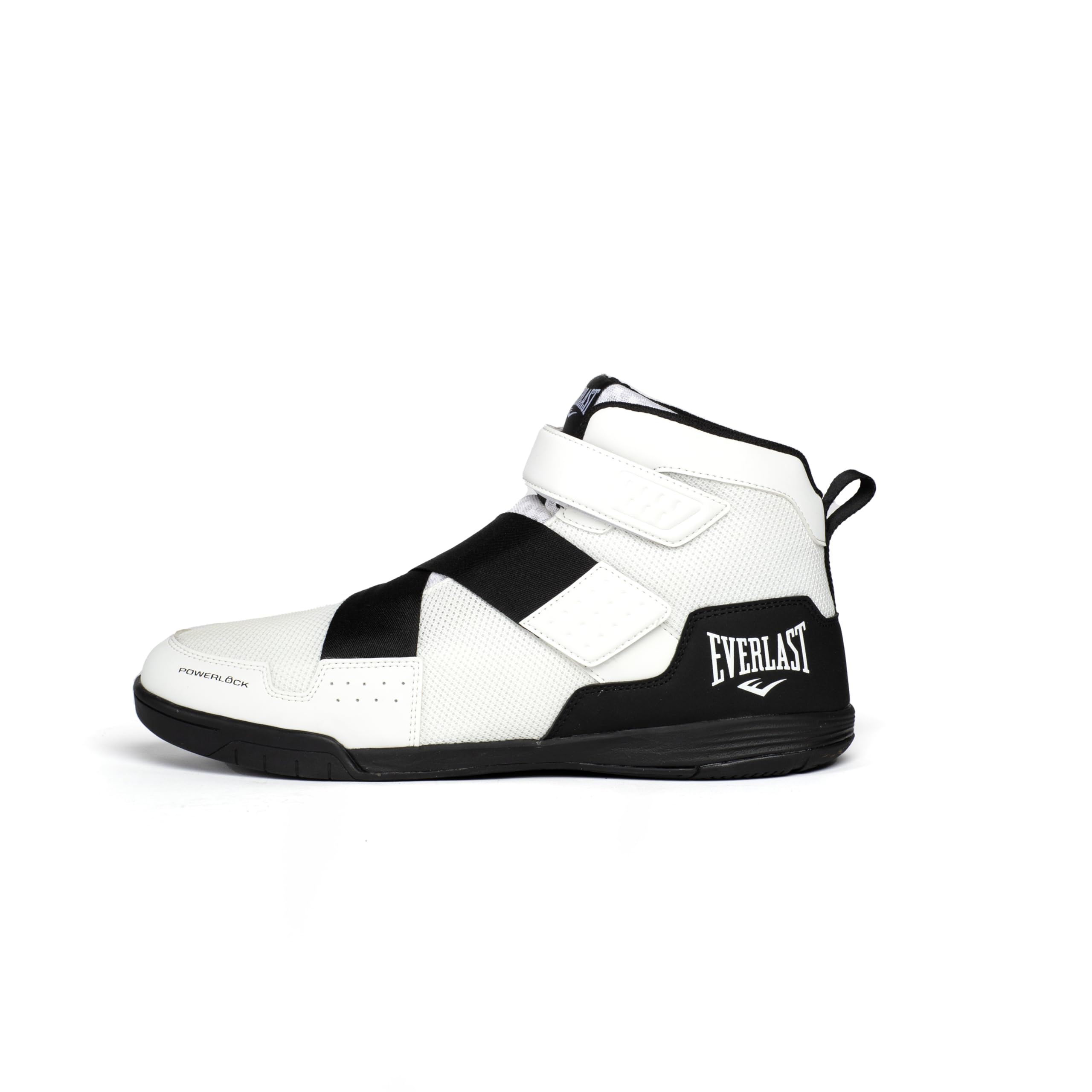


Boxing Shoe Styles Compared
High top boxing shoes rise above the ankle and give a wrapped, supported feel. Many boxers like them for extra ankle coverage during lateral movement and for a locked in sensation when they plant a foot to punch. They can feel warm and slightly restrictive at first, so try them with your normal training socks.
Mid top shoes offer a middle ground. They cover the ankle bone without the full height of a high top, and they suit boxers who want some support but more freedom around the ankle. This style works well for general training, bag work, and footwork drills.
Low top shoes feel closest to a light training shoe. They give maximum ankle freedom and a low, agile feel, which suits fast movers and boxers who rely on quick pivots. The trade off is less ankle coverage, so they suit athletes with strong, healthy ankles and good footwork habits.
Fit, Grip, and Support That Matter
Fit should be snug without pinching. Your toes need room to spread slightly, your heel should stay put during a pivot, and the laces should hold the midfoot evenly. A shoe that slips at the heel will distract you in every round, so test lateral steps and pivots before you decide.
Grip comes from the outsole pattern and the rubber compound. A smooth, flat outsole suits canvas and helps pivots feel natural, while a lightly textured outsole suits a gym floor. Avoid deep lugs meant for trails, because they can catch and twist the ankle during a turn.
Ankle support is about structure, not just height. A firm heel counter, a well placed lace system, and a stable midsole all help the foot stay aligned. If you have a history of ankle trouble, favour a higher cut and a firmer build, and talk with your clinician about what support suits you.
Who Should Buy Which Style
Beginners in a boxing class benefit from a mid top shoe with a stable sole and a forgiving fit. It supports learning footwork without forcing the ankle into a rigid position. Comfort matters here, because a shoe that hurts will shorten every session.
Bag and pad workers need a shoe that pivots smoothly and stays stable under punching force. A flat, grippy sole and a snug midfoot matter more than extreme lightness. If you train mostly on bags, durability of the toe and sole edge deserves attention too.
Competitive boxers and sparring partners often prefer the style they have trained in for months. Changing shoe height or sole feel close to a bout can disturb timing, so keep a familiar style for sparring and try new models during general training first.
Training Safety and Foot Care
Warm up your ankles and calves before hard footwork, and build pivot drills gradually rather than jumping straight into fast lateral work. Sharp pain, swelling, or a feeling of instability deserves prompt attention and a break from training until a clinician advises otherwise. This guide covers fit and comfort only and does not replace medical advice.
Look after the shoes between sessions. Air them out, rotate pairs if you train daily, and replace them when the sole wears smooth or the heel counter collapses. Worn boxing shoes change how you move and can increase the risk of a slip or a twisted ankle.
Related Guides to Compare
If you are weighing ring boots against low cut shoes, our guide to the best boxing boots compares shaft heights and soles in more depth.
A Final Check Before You Order
Before you order, revisit the product table above with your most common day in mind, not an ideal day. Note the activities you actually do, the surfaces you actually walk on, and the hours you actually spend on your feet, then check which shoe type in the guide matches that pattern most closely. A shoe that fits a different routine, however attractive, will disappoint faster than a plainer shoe that matches your real life.
Check sizing guidance from the seller and compare it with shoes you already own and like. Sizes vary between brands and even between styles from the same brand, so a size that works in one shoe may feel different in another. If you are between sizes, consider width as well as length, and read the return policy so you can test the shoes indoors before committing to them for a full day.
Think about socks, insoles, and the rest of your outfit as part of the purchase. The socks you wear change fit, an insole changes volume, and trouser or uniform length changes how the shoe looks and feels. Testing the full combination at home, on a hard floor, gives a far better verdict than a quick try on in socks that you will never wear with the shoes.
Plan for the first two weeks of wear. Wear new shoes for short periods at first, check for pressure points after each wear, and note whether any soreness fades or grows. Soreness that grows, blisters that return in the same spot, or a heel that keeps slipping are signs that size or style is wrong, not signs that you need to endure more breaking in.
Budget for care and replacement from the start. Brush or wipe the shoes after use, let them dry fully between wears, and rotate pairs when you can. Check soles, heel counters, and stitching every few weeks, and replace the shoes when grip fades or support becomes uneven, rather than waiting until they fall apart.
Finally, keep notes on what worked. Record the size, width, and style that felt best, and what did not work about previous pairs. Those notes make the next purchase faster and more accurate, and they help you avoid repeating a fit mistake simply because a new model looked appealing in a photograph.
Frequently Asked Questions
Should boxing shoes fit tight or loose?
Boxing shoes should fit snug around the midfoot and heel, with a little room for the toes. A loose shoe slides during pivots and reduces control, while a very tight shoe can cause numbness and blisters. Test them with your training socks and try lateral steps before you commit.
Are high top boxing shoes better for ankle support?
High tops add coverage and a wrapped feel, which many boxers find reassuring. They do not replace ankle strength or medical care, and a firm heel counter matters as much as height. If ankle pain or repeated sprains are an issue, seek clinician advice before relying on any shoe.
Can I use running shoes for boxing?
Running shoes are built for forward motion and soft cushioning, which can feel unstable during pivots and lateral steps. Boxing shoes use a flatter, more stable sole for ring movement. For occasional light drills they may work, but for regular training a boxing specific shoe is safer and more predictable.
How long do boxing shoes usually last?
Lifespan depends on training frequency, surface, and how well the shoes are cared for. Daily training wears soles and uppers faster than twice weekly classes. Replace them when grip fades, the heel slips, or the midsole feels uneven, rather than waiting for a visible tear.
Do boxing shoes need breaking in?
Most boxing shoes soften slightly over the first few sessions as the upper moulds to the foot. They should still feel comfortable on the first wear, with no sharp pressure points. If a shoe pinches badly at first, a larger size or a different width is a better answer than enduring pain.
Final Thoughts
Use the product table above to compare cut, sole, and fit, then choose the style that matches your training. best boxing shoes for men should feel stable on a pivot, snug without pain, and easy to move in for a full session.