Best Boxing Shoes for Women: A Footwork and Fit Guide for 2026
Disclosure: We may earn a commission when you buy through links on this page, at no extra cost to you. As an Amazon Associate I earn from qualifying purchases. Learn more

A women focused guide to boxing shoes: ankle support, pivot soles, fit for narrower feet, and the features that keep footwork fast, stable, and comfortable.
Boxing footwork demands quick pivots, lateral movement, and a stable base, and shoes built for general training do not always deliver that mix. The best boxing shoes for women balance a grippy yet pivot friendly sole, ankle support that does not restrict movement, and a fit shaped for narrower feet and lower volume. The comparison table below gives a quick side by side view, and this guide explains what to prioritise for bag work, pad work, and sparring preparation.
Women often face a second problem: many boxing shoes are scaled down versions of men designs rather than shaped for women feet. That can mean excess width, a roomy heel, or a toe box that leaves the foot sliding during pivots. Knowing how a shoe should fit, and which features matter for your training style, helps you choose a pair that supports fast footwork instead of fighting it.




What Makes a Boxing Shoe Different
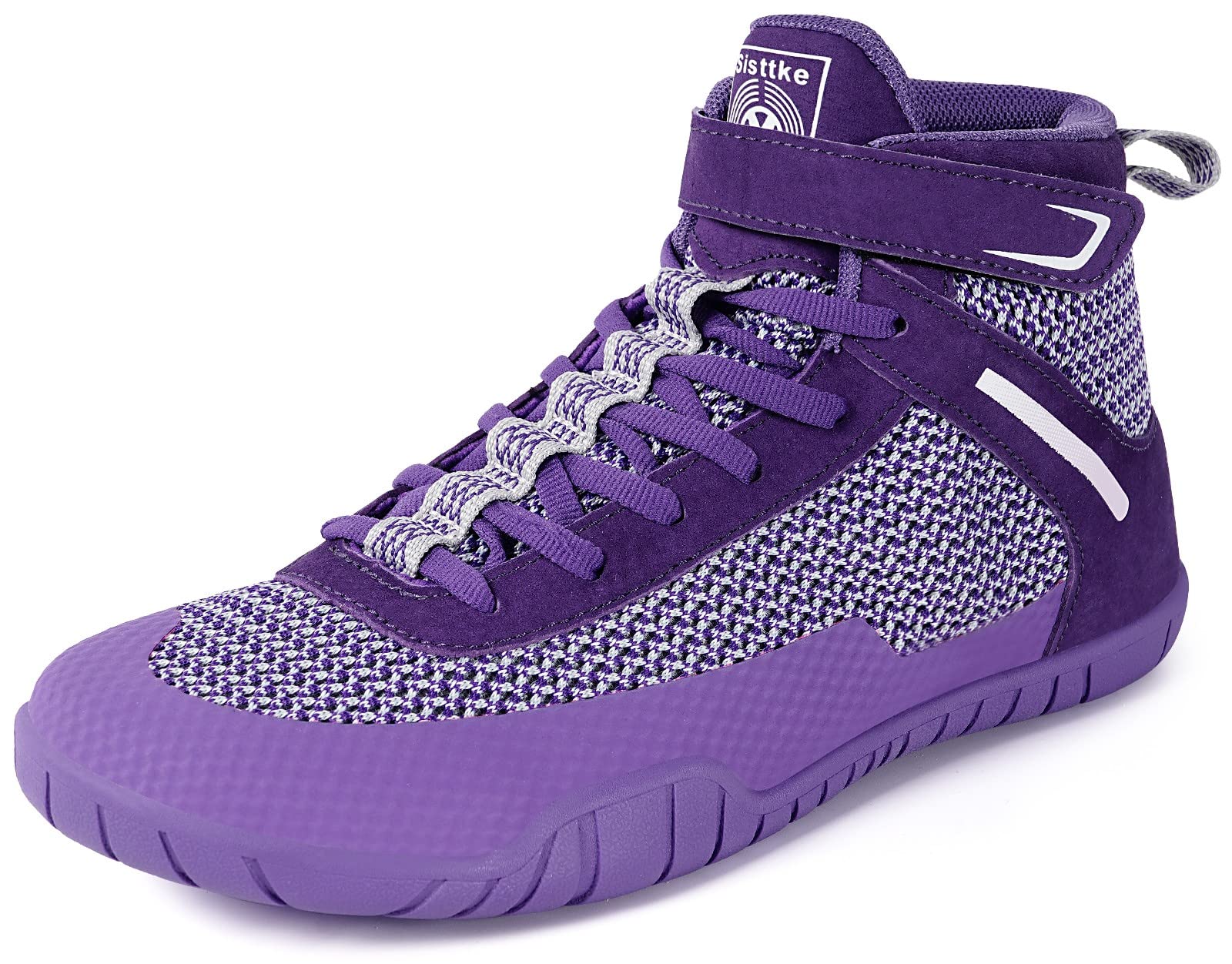
A boxing shoe differs from a running shoe in sole, height, and grip pattern. The sole is thin and flat, which keeps you close to the canvas and improves balance during lateral movement. The grip pattern allows controlled pivoting: enough traction to push off, but not so much that the foot sticks and twists the knee when you turn. Running shoes, by contrast, prioritise forward cushioning and can feel unstable during side to side work.
Height is the other key difference. Mid height shoes support the ankle during pivots and direction changes, while low height shoes offer maximum freedom and a lighter feel. Beginners and those returning from ankle niggles often prefer mid height support, while experienced boxers who value speed may choose low height. Your training intensity and ankle history should guide that choice more than fashion.
Fit for Women Feet
Fit starts with heel hold. Your heel should stay locked during pivots, without lifting or slipping inside the shoe. If the heel moves, the foot slides on turns and blisters follow quickly. Lacing technique helps: use all eyelets, snug the midfoot firmly, and leave the forefoot a little freer so toes can spread for balance.
Width and toe shape matter just as much. A shoe that is too wide lets the foot roll inside during lateral moves, while a narrow toe box squeezes toes and reduces balance. Try shoes with the socks and wraps you train in, and practise pivots, shuffles, and stance changes in the shop if possible.
A pair that feels secure through those movements will feel secure in a full session. General women footwear comparisons appear in our guide to best shoes for women.
Sole Grip and Pivot Balance
The ideal boxing sole grips for push off yet releases smoothly for pivots. Soles with a smooth pivot point under the ball of the foot turn more easily, while heavily lugged soles grip the canvas but can catch during fast turns. For bag work and pad work, a moderate pivot point suits most women, since it balances speed and knee comfort.
Canvas type also affects grip. A sole that pivots well on a smooth canvas may feel slippery on a rougher mat, so test on a surface close to your gym if you can. Keep soles clean, since dust and chalk buildup change grip unpredictably. Wiping soles before a session takes seconds and keeps footwork consistent from round to round.
Ankle Support Without Restriction
Ankle support should stabilise without locking the joint. Mid height shoes with a padded collar support lateral movement while still allowing the ankle to flex for pivots and stance changes. Overly stiff high shoes can restrict footwork and tire the lower leg, while very low shoes leave the ankle exposed during aggressive direction changes.
If you have a history of ankle sprains, discuss support needs with a clinician or physiotherapist before choosing, and consider taping or a light brace alongside a supportive shoe during early training. Support from the shoe complements strength work for the ankles and calves, but it does not replace it. Building ankle strength through balance and calf work remains the best long term protection.
Training Styles: Bag, Pads, and Sparring Prep
Bag work stresses durability, since repeated pivots and heavy footwork wear soles faster. Look for reinforced stitching, a durable outsole, and an upper that resists scuffing from the canvas. Pad work adds lateral shuffles and partner movement, so a secure heel and a pivot friendly sole matter most. Sparring preparation, even light technical work, demands the most stable and predictable shoe of all.
Match the shoe to your dominant training style rather than buying for an imagined future. A bag focused shoe may feel heavy for fast pad drills, while a featherlight shoe may wear quickly under daily bag work. The product table above shows shoe shapes side by side, and your weekly training mix will point to the right balance. Boxing specific options are covered in our guide to best boxing boots.
A Final Check Before You Order
Before you order, confirm sizing in boxing shoes specifically, since they often fit differently from running shoes, and check the return policy so you can test pivots at home. Train in them for a few sessions before judging, since uppers soften and lacing settles with use.
If the heel slips, the sole catches on pivots, or the forefoot feels cramped after break in, try a different size or height rather than enduring discomfort. Footwork is the foundation of boxing, and a shoe that supports it will improve every session. With fit, sole, and support settled, your choice will feel natural from the first round.
Footwork Drills That Build Confidence
Good footwork grows from simple drills practised regularly, and your shoes should support those drills rather than hinder them. Start with basic stance movement: step forward, back, and sideways while keeping balance and guard position, moving slowly at first and adding speed only when balance stays solid. Practise pivots on the ball of the foot in both directions, since smooth pivots protect knees and set up punches.
Shadow boxing with footwork focus adds another layer. Move around an imaginary opponent, practise cutting angles with short lateral steps, and reset to stance after each combination rather than drifting out of position. Keep sessions short at first, especially in new shoes, and stop if any movement causes pain or the shoe slips. Drills done well in comfortable shoes build habits that carry directly into pad work and sparring preparation.
Finally, build ankle strength alongside drills. Balance exercises on one foot, calf raises, and lateral hops, done gently and progressed gradually, support the ankles during fast direction changes. If you have a history of ankle injury, discuss drills with your coach or physiotherapist before adding intensity. Strong ankles plus supportive shoes keep footwork fast and safe over long training blocks.
Frequently Asked Questions
Should women buy women specific boxing shoes?
Women specific shapes often fit narrower feet and lower volume better, with a more secure heel and forefoot. However, fit matters more than the label: a well fitting unisex shoe beats a poorly fitting women specific shoe. Try both, practise pivots, and choose the pair that holds your foot most securely.
Are mid height or low height boxing shoes better?
Mid height shoes give more ankle support for pivots and direction changes, which suits beginners and those with ankle concerns. Low height shoes offer more freedom and lighter feel for experienced boxers who prioritise speed. Choose based on your ankle history and training intensity, not on appearance alone. Test both heights if possible.
Why do my feet stick when I pivot?
A heavily lugged sole, a dusty canvas, or worn grip can all cause sticking during pivots. Clean soles before sessions, and look for a sole with a smooth pivot point under the ball of the foot. If sticking persists and strains your knees, discuss footwear and technique with your coach.
Can I use running shoes for boxing training?
Running shoes suit roadwork and conditioning, but their thick, cushioned soles feel unstable during lateral boxing movement. They also grip differently and can catch on pivots. A dedicated boxing shoe keeps you closer to the canvas and pivots more predictably, which protects knees and improves footwork.
How should boxing shoes fit during a session?
Boxing shoes should hold the heel firmly, allow slight toe spread, and feel secure through pivots and shuffles. Try them with your usual socks and wraps, and practise stance changes before buying. Persistent heel slip or forefoot pinching after break in signals a wrong size or shape, so try another fit rather than enduring discomfort.
Final Thoughts
Women boxing shoes should deliver a secure heel, a pivot friendly sole, and ankle support that stabilises without restricting movement. Fit matters more than branding, and testing pivots and shuffles before committing reveals more than any specification list. The product table above compares shoe shapes, and those tests will narrow them to your pair.
Train in your chosen pair for a few sessions, keep soles clean, and build ankle strength alongside good footwear. That combination keeps footwork fast, stable, and comfortable, and it protects your knees over long training blocks. It is the practical foundation for choosing the best boxing shoes for women for bag work, pads, and beyond.