The Best Boxing Boots: Buying Guide for 2026
Disclosure: We may earn a commission when you buy through links on this page, at no extra cost to you. As an Amazon Associate I earn from qualifying purchases. Learn more

Compare boxing boot soles, shaft heights, fit, and price bands in this buying guide, and learn how to size a pair for training, sparring, and bouts.
Regular training shoes slide, roll, and grip in all the wrong places on a ring canvas. Boxing boots are built for that one surface, with thin soles for footwork and a shaft that backs up your ankles through long rounds. Choosing the best boxing boots comes down to the sole, the shaft height, and a fit that stays put when your feet swell late in a session.
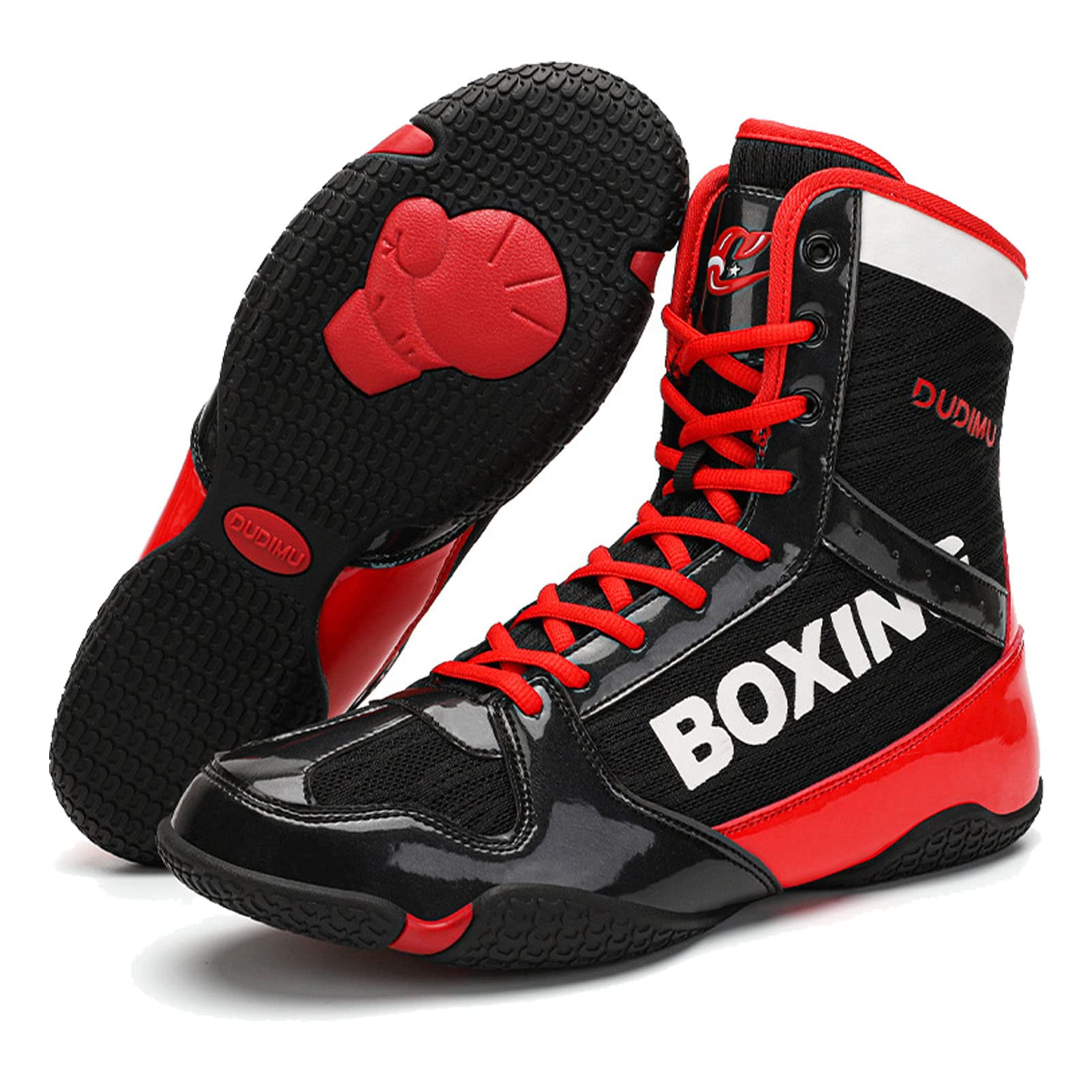
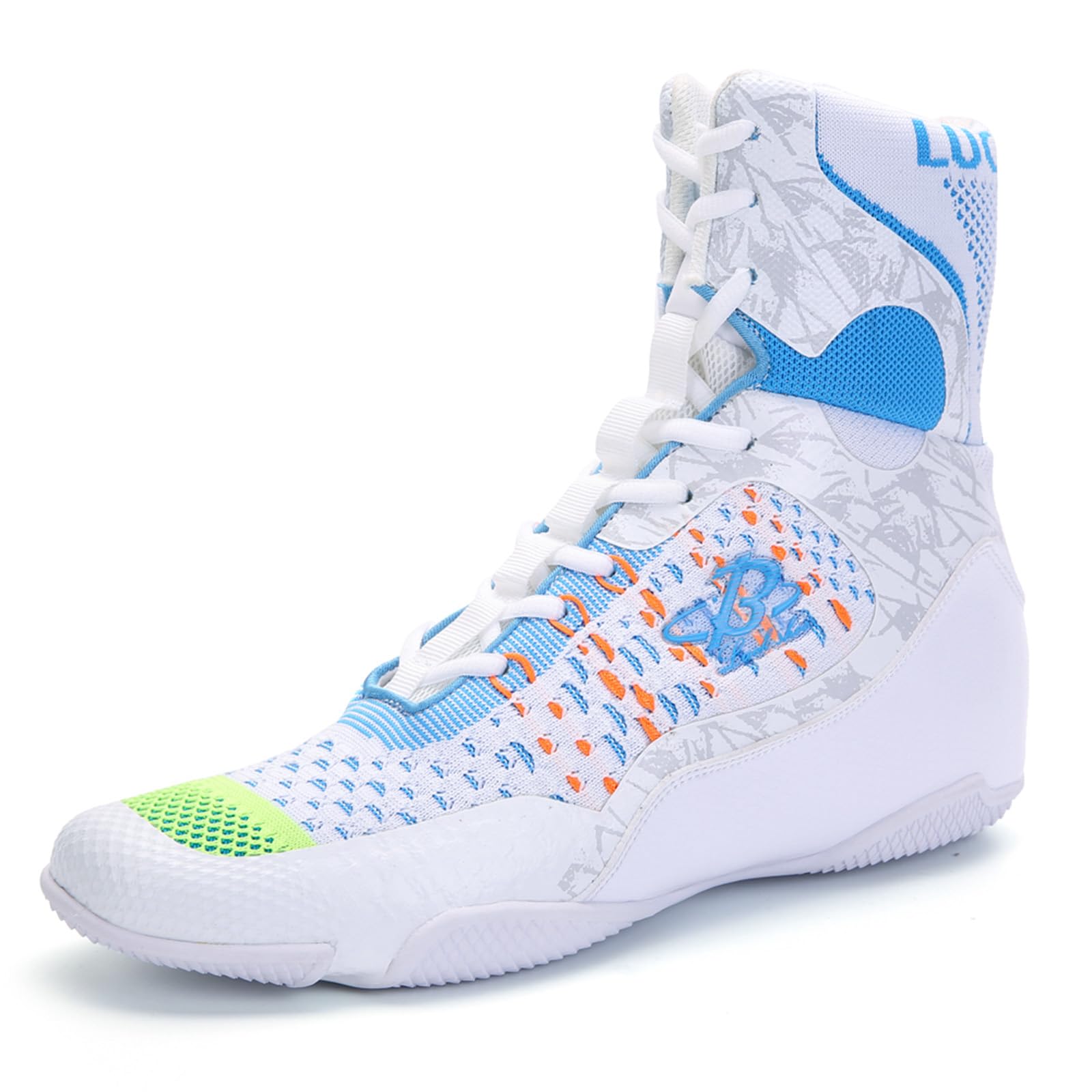
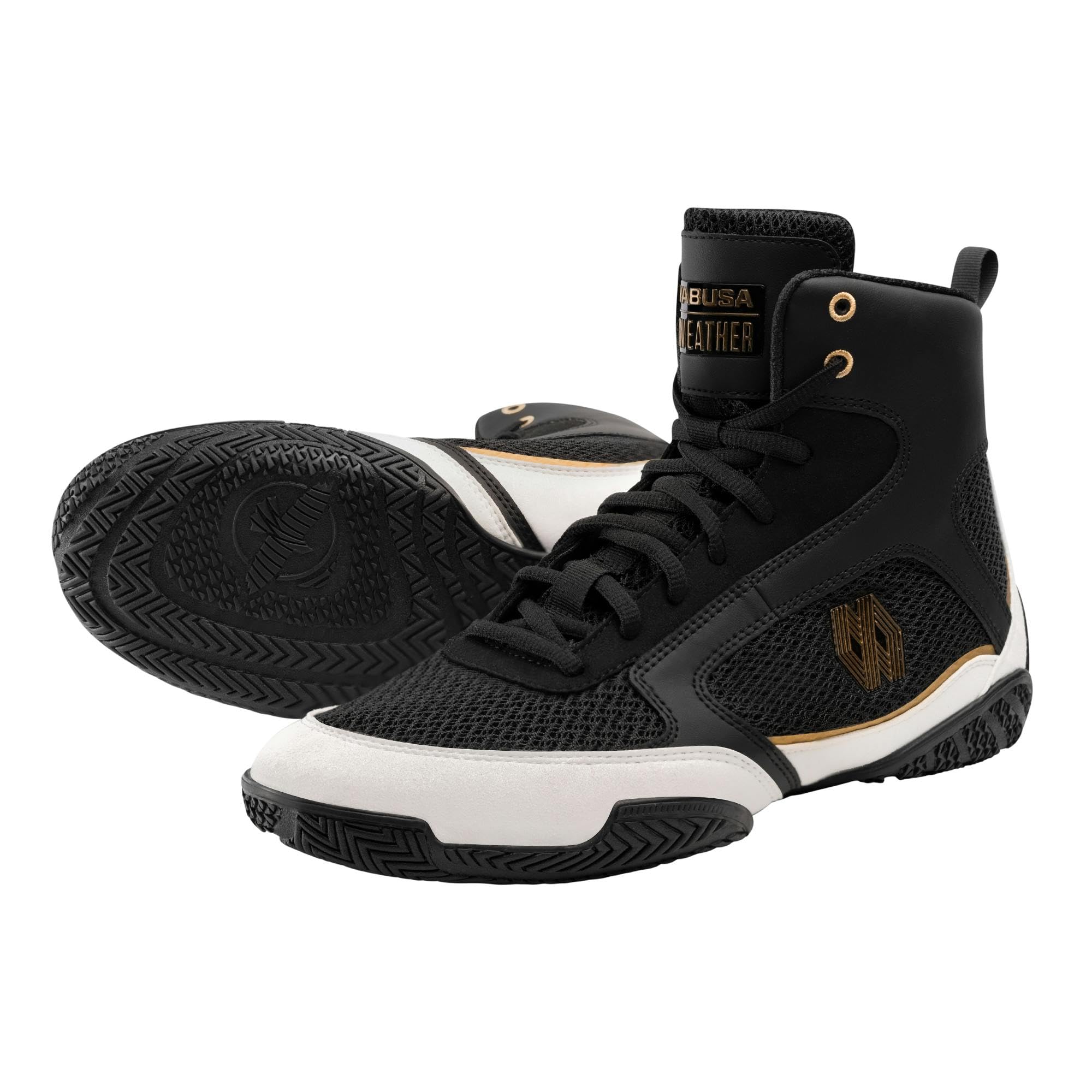
This guide skips product reviews and covers the decisions instead: what each price band buys, how the sole should behave on canvas, and how the three boot heights differ. The comparison table below lists current options once you know your size and your main use.



What Your Money Buys at Each Price Band
Entry Band: Built for Bag and Pad Rounds
Entry boots run about $40 to $70 and cover the needs of most new gym members. Expect synthetic uppers, a basic rubber sole, and mid height shafts that handle bag work, pads, and light sparring. New fighters comparing the best boxing boots for beginners usually land in this band, and that is the right instinct, because fit matters more than finish at this stage.
Middle Band: Sparring Ready Support
The middle band runs about $70 to $120 and buys better stitching, real ankle structure, and soles with a cleaner pivot feel. Uppers mix mesh with stronger overlays, so the boot holds its shape through a full sparring week. For fighters training four or five days a week, this band is where durability and support arrive together.
Top Band: Bout Weight and Finish
Top band boots run about $120 to $200 and focus on low weight, fine sole feel, and careful finishing. The gains are real but narrow: a few grams saved, cleaner edges on the shaft, and materials that break in fast. Competing fighters value those details on bout night. Everyone else should buy this band only after the middle band fit is proven, because an expensive boot in the wrong size is still the wrong boot.
How to Choose Boxing Boots
Sole Grip and Slide on Canvas
A boxing boot is read by its sole class on a canvas class. The grip and slide classes are balanced for footwork: enough bite to drive a punch from the floor, enough slip to pivot without twisting a knee. Thin rubber or suede soles in a low profile do this job. A running tread class is the wrong class here, because deep lugs catch during pivots and the thick heel lifts you away from the canvas feel you need for balance. Judge a sole by that balance, not by how aggressive it looks.
Shaft Height and Ankle Support
The shaft class is the ankle class. Height classes split the training and bout classes: low shafts free the ankle for fast footwork drills, mid shafts give general support for mixed training, and high shafts lace well up the shin for fighters who roll ankles or spar hard. Support also comes from the lacing itself, which should run through enough eyelets to lock the heel. A tall shaft laced loosely supports nothing, so treat height and lacing as one system.
Fit, Sizing, and Toe Box
Boxing boots should fit close, like a thick sock with a sole. Your toes should brush the front without pressing, and the heel should stay seated when you rise on your toes. Measure your feet in the evening, when they are at their largest, and size for your longer foot. Lasts differ between makers and regions, and guides to best boxing shoes for men and best women's boxing shoes show how the same marked size can sit differently on different foot shapes. A roomy toe box helps wide feet, while narrow feet need a last that laces down snugly.
Weight Is a Footwork Spec
The weight class is a footwork class. Light boots keep your feet fast through the last round, when heavy legs make every step a negotiation. Most of the weight difference sits in the sole and shaft materials, so a high boot in modern synthetics can weigh less than a low boot in thick leather. Pick the lightest boot that still gives the support your ankles need, and be honest about that second part.
Uppers, Breathability, and Gym Heat
Mesh panels move air during long sessions and dry fast between them. Leather and dense synthetics hold their shape longer and shrug off scuffs from clinch work. Many gyms are hot, and feet swell as they heat up, so a boot that feels perfect in a cool shop can feel tight in round eight. If your gym runs warm, favor breathable uppers and a fit with a small margin at the toes.
Durability and Expected Lifespan
Canvas is gentle compared with concrete, so a training boot can last a long time when it stays in the gym. The sole smooths first at the ball of the foot, stitching near the toe flexes and frays next, and the shaft slowly loses its stiffness. High volume conditioning weeks, the schedule behind guides to best shoes for boxing workouts, grind soles faster than sparring only weeks. Keep boots for the ring and they will repay you with seasons of use.
Types of Boxing Boots
Low Cut Boots for Speed Work
Low cut boots end below the ankle and feel closest to a racing flat. They suit fast footwork drills, agile fighters, and anyone whose ankles are strong and trouble free. The trade is support: there is little shaft to catch a rolled ankle, so this class belongs to experienced movers rather than beginners.
Mid Cut Boots for All Round Training
Mid cut boots end just above the ankle and are the default class for good reason. They support the joint through bag rounds, pads, and sparring while still pivoting freely. Most fighters should start here. Many gyms also let members begin in trainers, and guides to best shoes for boxing training cover that wider footwear class, while this article stays with true ring boots.
High Cut Boots for Maximum Shaft Support
High cut boots lace far up the shin and give the strongest ankle structure of the three classes. They suit heavy sparring, fighters returning from ankle trouble, and anyone who likes a locked in feel. They take longer to lace and can feel warm, and the extra shaft adds a little weight, yet for support first buyers this is the class to choose.
Setup and Care Tips
- Use a heel lock loop. Running the laces through the top eyelet as a loop pulls the heel into the cup and stops lift during pivots.
- Keep the soles for canvas only. Street grit embeds in the sole and turns your grip into a slide, so change shoes at the gym door.
- Air dry after every session. Loosen the laces, pull the tongue open, and dry at room temperature away from radiators, because heat cracks uppers and hardens soles.
- Brush the soles clean. Canvas dust builds up in the tread pattern and dulls the bite, so a stiff brush restores it in seconds.
- Rotate two pairs if you train daily. A rest day lets the cushioning and uppers recover, and both pairs last longer.
Frequently Asked Questions
Are expensive boxing boots worth the money?
They are worth it only after fit is settled. Higher prices buy lighter materials, cleaner stitching, and faster break in, none of which help if the last shape fights your foot. Buy the middle band first, learn the fit your feet want, and then decide if the top band details matter to you. A well fitted entry boot beats a costly boot that leaves your heel swimming, every single round.
How long does it take to break in boxing boots?
Most boots settle within three to five sessions. The upper softens where your foot bends, and the laces learn the tension pattern you prefer. Wear new boots for bag and pad work first, and keep your old pair for sparring until the new ones feel predictable. Hot spots in the first session are a warning: adjust the lacing or add a wrap layer before blisters make the decision for you.
Can I wear boxing boots for other gym workouts?
You can, but the sole argues against it. Lifting asks for a flat, stable base, and the thin pivoting sole of a ring boot is a compromise there. Running in them is worse, because the sole has no cushioning for road impact and wears smooth quickly. Treat boxing boots as single purpose kit for canvas and gym floors, and keep a separate pair for everything else your training week holds.
Do hand wraps change what size boxing boots I should buy?
Yes, wraps add real volume, especially knuckle padding and the layers around the ankle. Always try boots on with your wraps on, or at least with the socks and wrap setup you actually train in. A boot that fits a bare foot perfectly can bind across the knuckles once wrapped, and numb toes in later rounds are the usual result. When you sit between two sizes, the wrap test makes the call.
How often should I replace my boxing boots?
Replace them when the signs stack up, not on a calendar. A sole smoothed shiny at the ball of the foot, a shaft that folds instead of standing, and stitching letting go at the toe are the three clear signals. Gym only use stretches life a long way, while daily double sessions shorten it. If your pivots start sliding on clean canvas, the sole is telling you its grip class is spent.
The Bottom Line
Choose by sole behavior first, shaft height second, and fit always. Match the class to your training week, keep the boots for canvas, and the best boxing boots for you will feel invisible by the second round. The product table above pulls the current options together by size and price band, so you can confirm your pick before ordering.