
Best Boots Wide Toe Box of 2026: Complete Buying Guide
Disclosure: We may earn a commission when you buy through links on this page, at no extra cost to you. As an Amazon Associate I earn from qualifying purchases. Learn more

Learn how to choose the best boots wide toe box with fit checks, sizing tips, material guidance, and care advice for comfort on work and trail days.
If your toes feel pinched, numb, or sore by the end of the day, the front of your boot is likely too narrow or too tapered for your foot. Finding best boots wide toe box options means looking past a wide label and checking real space, shape, and support. This guide shows you how to measure, compare, and choose with confidence.
You will learn what a roomy toe box should feel like, which features matter for work, trail, and winter use, and which mistakes cause returns. Start with the comparison table below, then work through the fit checks in order.

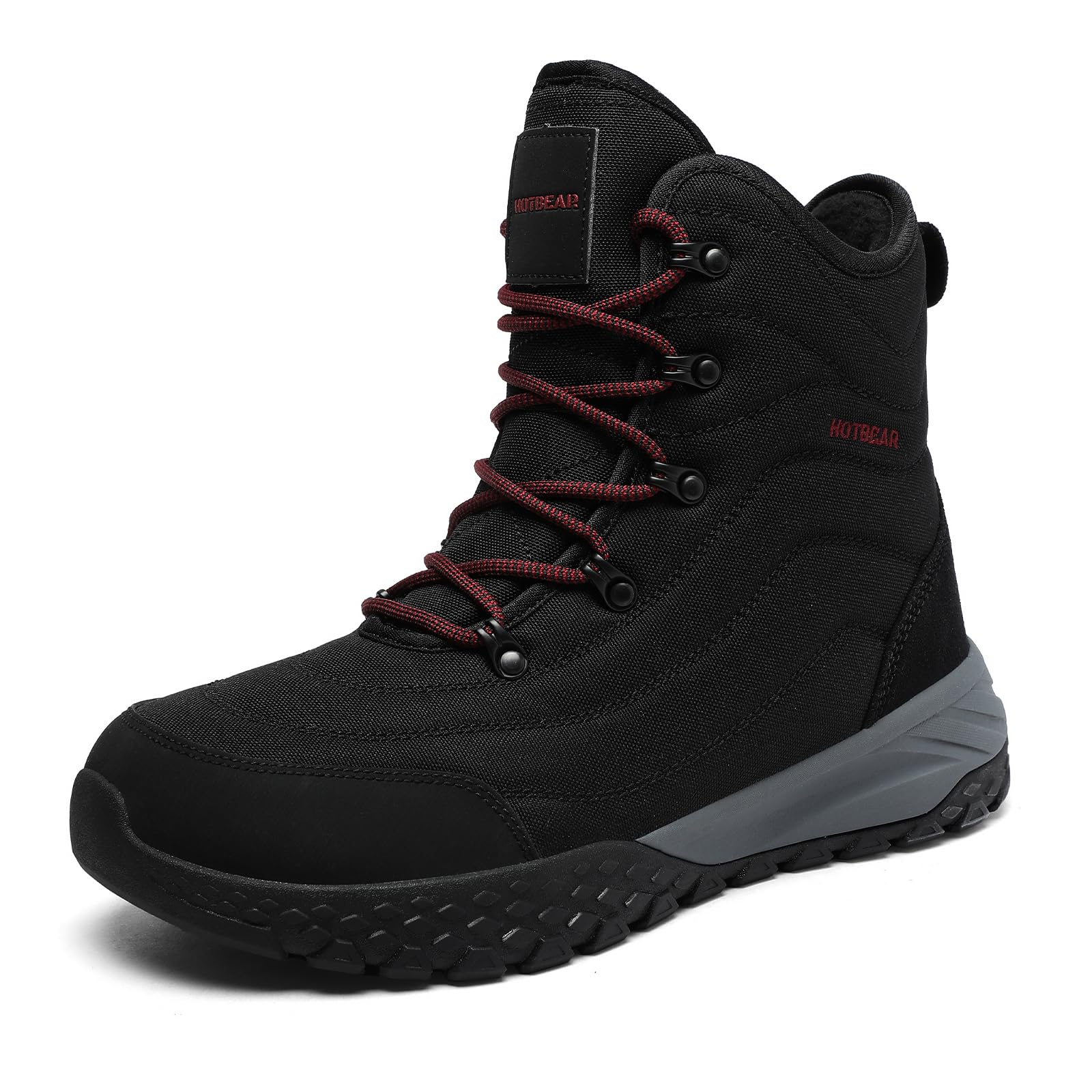

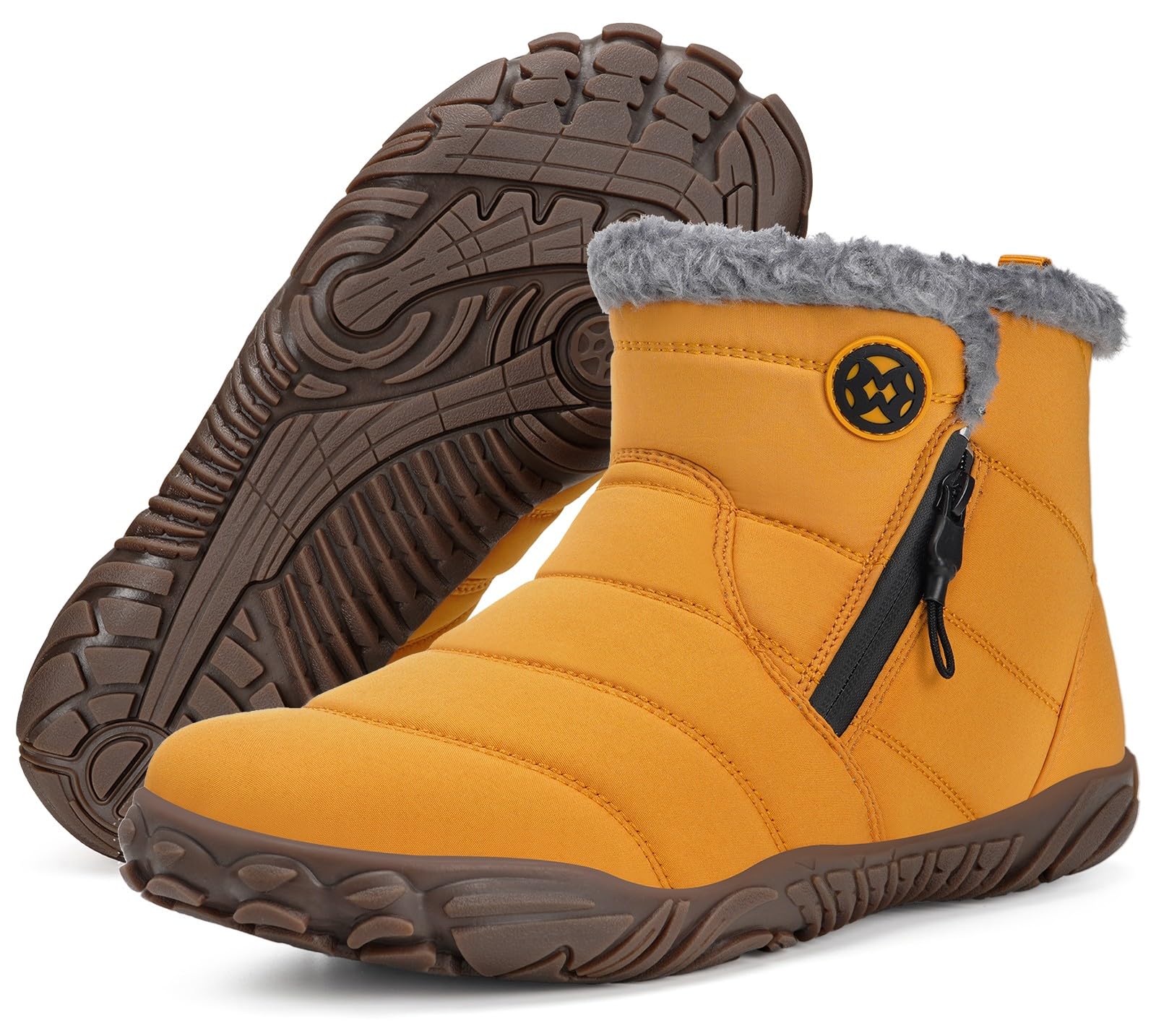
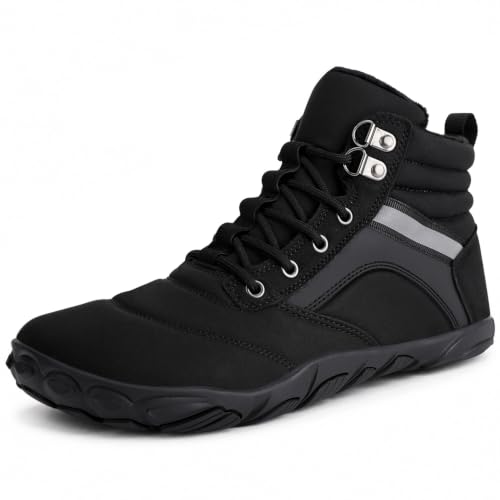

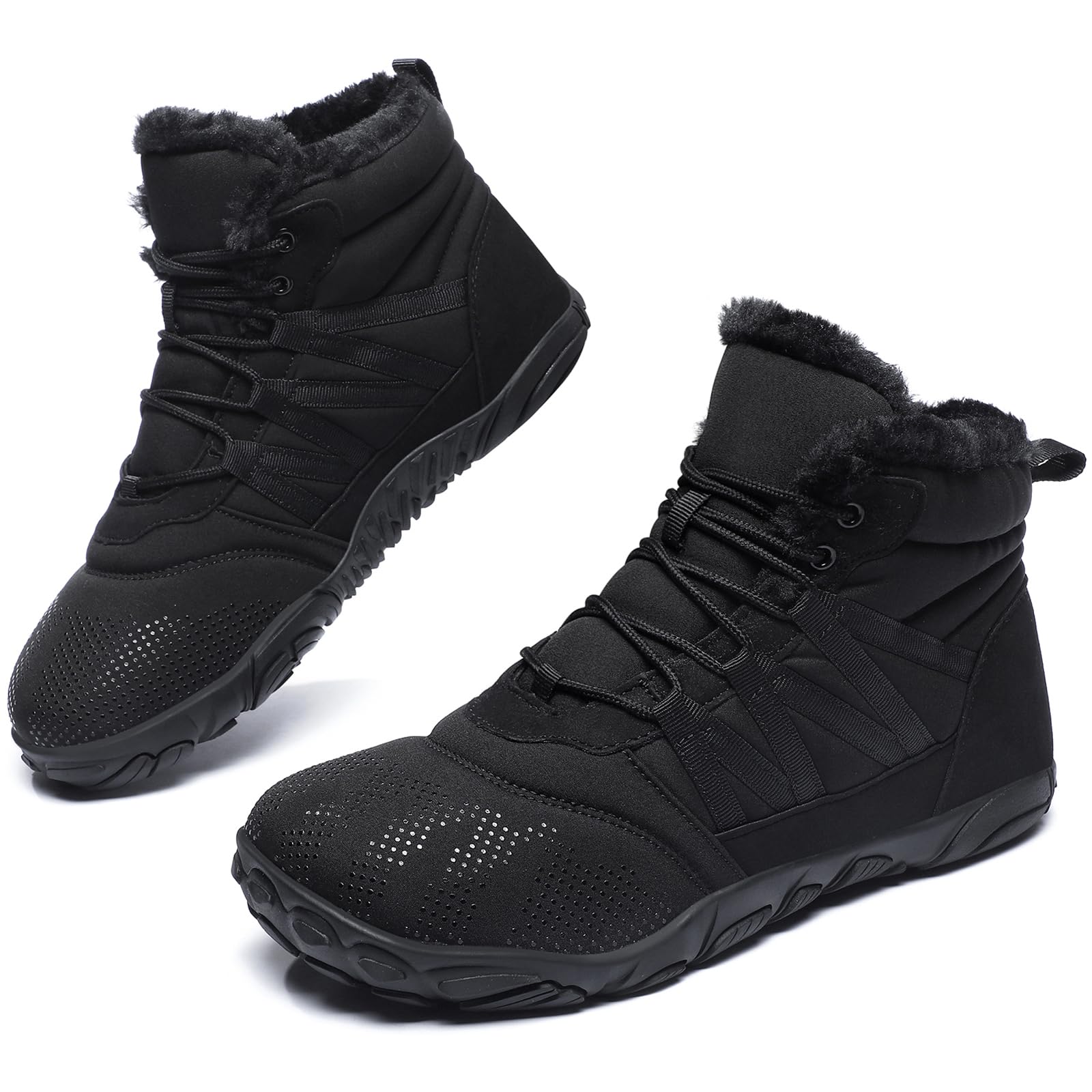


What Each Price Tier Buys
Use these three price tiers as a practical shortlist. Each tier describes what you generally get, who it suits, and the trade off to accept. Match the tier to your use first, then compare fit and materials inside that tier.
Balanced Tier
The balanced tier suits most buyers who want space for toes plus support for full days on their feet. Expect a foot shaped front, a stable midsole with moderate cushioning, and an upper that holds the heel while the toes stay free. Prices in this tier are often about $120 to $220, depending on leather quality and waterproofing.
The limit is weight and cost compared with basic options. You pay more for better materials and a more careful last shape, so try this tier when you walk, work, or hike several days a week and need one pair to do many jobs well.
Value Tier
The value tier suits buyers who need toe room on a tighter budget for daily walks, light work, or short hikes. Expect simpler uppers, decent cushioning, and a wider front than standard boots, often around $70 to $120. Some models in this range run wide in name only, so measuring the insole shape matters even more here.
The limit is durability and support over long miles. Soles may wear faster and leather may be thinner, yet for moderate use this tier can be a smart way to learn what toe shape your feet prefer before you spend more.
Upgrade Tier
The upgrade tier suits serious hikers, workers on hard floors, and anyone whose foot pain makes fit a priority. Expect premium leather or advanced synthetics, stronger shanks, better arch support options, and replaceable insoles, often about $220 to $350. Many pairs in this tier also offer resoling or extended warranty support.
The limit is a longer break in period and a higher price that only pays off with frequent use. If you need a seasonal winter version, compare shapes with our guide to best wide toe box winter boots and allow room for thicker socks.
How to Choose Boots With a Wide Toe Box: Buying Guide
This is the core of your decision. A wide toe box helps only when heel fit, arch support, traction, and materials work together. Check each point below on any pair you try, ideally late in the day and with your usual socks.
Fit, Sizing, and Toe Box
Measure both feet in the afternoon, because feet expand during the day. Stand on the removable insole if the boot has one, and look for space around every toe without the heel area feeling loose. Your longest toe should have about a thumbnail of room in front when you stand.
Shape matters as much as width numbers. A squared or rounded front that follows your toes beats a pointed shape in a wide size. If toes still press the side wall, try a different last rather than sizing up, because extra length can cause sliding and blisters.
Break In Period and Comfort Out of the Box
Leather boots with roomy fronts still need time to shape to your heel and ankle. Wear them indoors and on short walks first, and increase time as long as you feel pressure without sharp pain. Synthetic and knit uppers usually feel comfortable sooner, but they can stretch less predictably around the toes.
Toe comfort should be good from the first try on. A wide front that rubs the little toe or lets the forefoot slide side to side will not fix itself with wear. Lacing that locks the heel can reduce forward slide without crushing the toes.
Outsole Traction and Terrain
Match lug depth and rubber to where you walk. Deep widely spaced lugs grip mud and loose trail surfaces, while shallow closely spaced patterns suit pavement, warehouses, and wet floors. A stiff outsole protects on rock and roots, while a flexible sole feels better for city miles and driving.
Check heel shape and edge grip if you descend hills often. For trail focused pairs, compare your needs with our guide to best hiking boots with wide toe box so traction and toe room are judged together. No tread pattern grips ice well without added traction aids, so plan separately for winter ice.
Arch Support and Foot Type
Wide toes and arch support solve different problems, and many buyers need both. Flat feet often do better with a firm midsole and a supportive insole that limits excess inward roll. High arches often need more cushioning under the heel and ball, plus a front wide enough to let toes spread and share load.
Try boots with the insole you plan to use, including an orthotic if a clinician has advised one. If you have ongoing foot pain, bunions that worsen, or numbness that persists, talk with a clinician or qualified fitter about personal needs rather than relying on a boot change alone.
Waterproofing (Gore Tex and Membranes)
Waterproof membranes keep rain and shallow puddles out and help in snow, but they also reduce breathability and raise price. Choose them for wet climates, winter work, and muddy trails. For hot dry use, a non waterproof boot with mesh or unlined leather will usually feel cooler and dry faster after sweat.
Fit testing matters more with lined boots, because linings take up space and can make a front feel narrower. Try lined and unlined versions separately, and never assume the same size will feel the same. Reproof outer leather as directed so water beads instead of soaking in.
Upper Materials and Breathability
Full grain leather offers durability and structure and suits work and rough trails, but it weighs more and breaks in slowly. Split leather with mesh lowers weight and improves air flow, while knit uppers feel soft and roomy yet offer less protection from bumps and brush. Each material changes how wide the front feels in real use.
For job sites, compare safety and durability needs with our guide to best wide toe box work boots before you choose an upper. Breathable uppers help in heat, yet they let dust and water in easily, so your climate should guide the final choice.
Weight and Flexibility
A lighter boot reduces leg fatigue on long walks, while a heavier boot often brings a sturdier shank, thicker leather, and better protection. Neither is better in isolation. Decide by distance, load, and surface, then check that flexibility sits at the ball of the foot rather than in the middle of the arch.
Toes need the sole to bend where they bend, or every step forces extra work. Hold the heel and press the toe down on a table edge to feel the bend point. If the boot folds in the arch, support may feel weak on long days despite a roomy front.
Types of Boots With a Wide Toe Box
Support Focused Boots
Support focused boots pair a wide front with a firm heel counter, a stable midsole, and often a mild rocker shape. They suit workers, walkers with overpronation, and anyone who feels unsteady in soft flexible footwear. The trade off is a stiffer ride and more weight, so runners and fast hikers may find them less lively on easy ground.
Lightweight Boots
Light boots and shoe style boots use mesh, knit, or thin synthetic uppers to cut weight and improve comfort out of the box. They suit travel, city walking, and light trails where toe room matters more than armor. The trade off is less protection and a shorter life under heavy loads, sharp rock, or daily job site use.
Waterproof Boots
Waterproof boots combine a membrane or sealed construction with a roomy front, suiting rain, snow, and wet grass. They keep socks drier and feet warmer in cold wet weather, which many wide footed buyers need with thick socks. The trade off is heat in summer and slower drying once water enters over the collar, so gaiters and care matter.
How to Make Wide Toe Box Boots Last Longer
- Rotate two pairs for daily wear so cushioning and linings can dry and recover between uses.
- Air dry wet boots away from direct heat, and remove insoles and loosen laces to speed drying.
- Lace properly to prevent heel slip, using a heel lock when downhill walking pushes toes forward.
- Clean mud and salt promptly, condition smooth leather when it feels dry, and reproof as directed.
- Replace worn insoles and repair heel wear early, before gait changes wear the sole unevenly.
- Store boots upright in a dry place, away from sun, so uppers keep shape and glues last longer.
Women comparing lasts and sock room can also see our guide to best women's boots with wide toe box for fit notes specific to those size ranges. Good care will not rescue a wrong shape, so settle fit first, then maintain the pair you keep.
FAQs
How long is the break in period?
Most leather pairs need one to three weeks of gradually longer wear before the heel and ankle feel fully shaped. Toe room should feel right on day one, because the front rarely stretches enough to fix pinching. Synthetic pairs often need only a few wears. Stop and reassess if you get numb toes or deep blisters.
Are expensive wide toe box boots worth it?
Expensive pairs are worth it when you wear boots often and the extra cost buys a better last shape, stronger materials, and support that lasts. For occasional walks, a value tier pair with the right shape can serve well. Price alone does not guarantee space, so judge the insole outline and your own try on test first.
How often should I replace wide toe box boots?
Replace boots when the midsole feels flat and harsh, the tread is worn smooth in key areas, or the upper stretches so much that your foot slides despite good lacing. Heavy users may reach that point in one to two years, while light users can go longer. Persistent new pain is also a signal to reassess fit.
How should wide toe box boots fit?
They should hold the heel and midfoot securely while every toe lies flat and can wiggle without pressing the front or sides. You should feel no sharp pressure on the longest toe when walking downhill or after feet swell late in the day. Width at the toes with looseness at the heel is a failed fit, not a compromise.
Do I need waterproof boots?
You need waterproof boots only if rain, snow, wet grass, or wet work is a regular part of your use. Membranes add warmth and cost and reduce air flow, so dry climate walkers often prefer breathable pairs. Remember that waterproofing does not help once water flows over the collar, which is common in deep puddles and heavy rain.
Can I wear them all day?
Yes, you can wear a well fitted pair all day if support, cushioning, and sock choice match your job or walk. Build up wear time during break in, change socks on very long active days, and rotate pairs when possible. If toes go numb even with space, or pain builds daily, get a professional fitting and medical advice where needed.
Our Verdict
Judge shape first, then support, then materials and weather protection. A boot that gives every toe room while holding the heel will beat a costly pair that is wide in name only. Use the product table above to compare tiers, try your finalists late in the day, and choose best boots wide toe box options that feel right on your own feet.


