
Best Beginner Boots in 2026: Which Type Is Right for You?
Disclosure: We may earn a commission when you buy through links on this page, at no extra cost to you. As an Amazon Associate I earn from qualifying purchases. Learn more

Match the best beginner boots to your plans, from easy trails to long work shifts, with clear notes on fit, grip, weight and waterproofing.
Buying your first pair of boots can feel confusing because styles that look similar behave very differently on your feet. A tall leather pair, a light hiker and a winter pair solve different problems, and the wrong choice can mean sore heels or wet socks. The best beginner boots are forgiving while you learn, with a roomy fit, steady traction and simple care. Use the comparison table below to match each type to your plans.
Think first about where you will walk most. Easy trails, a busy work floor and snowy sidewalks each ask for a different upper, outsole and level of ankle support. The sections below compare the main types and cover the fit and care points that help a first pair last.
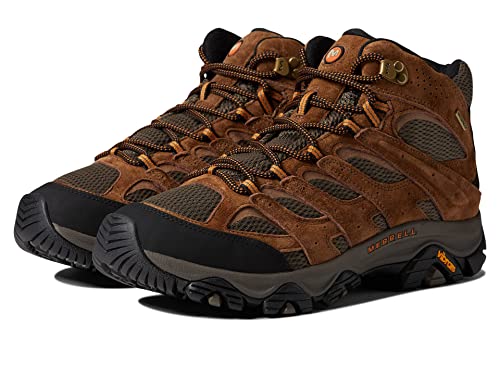
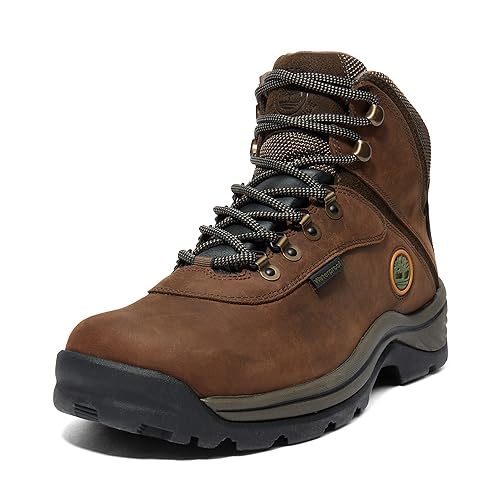


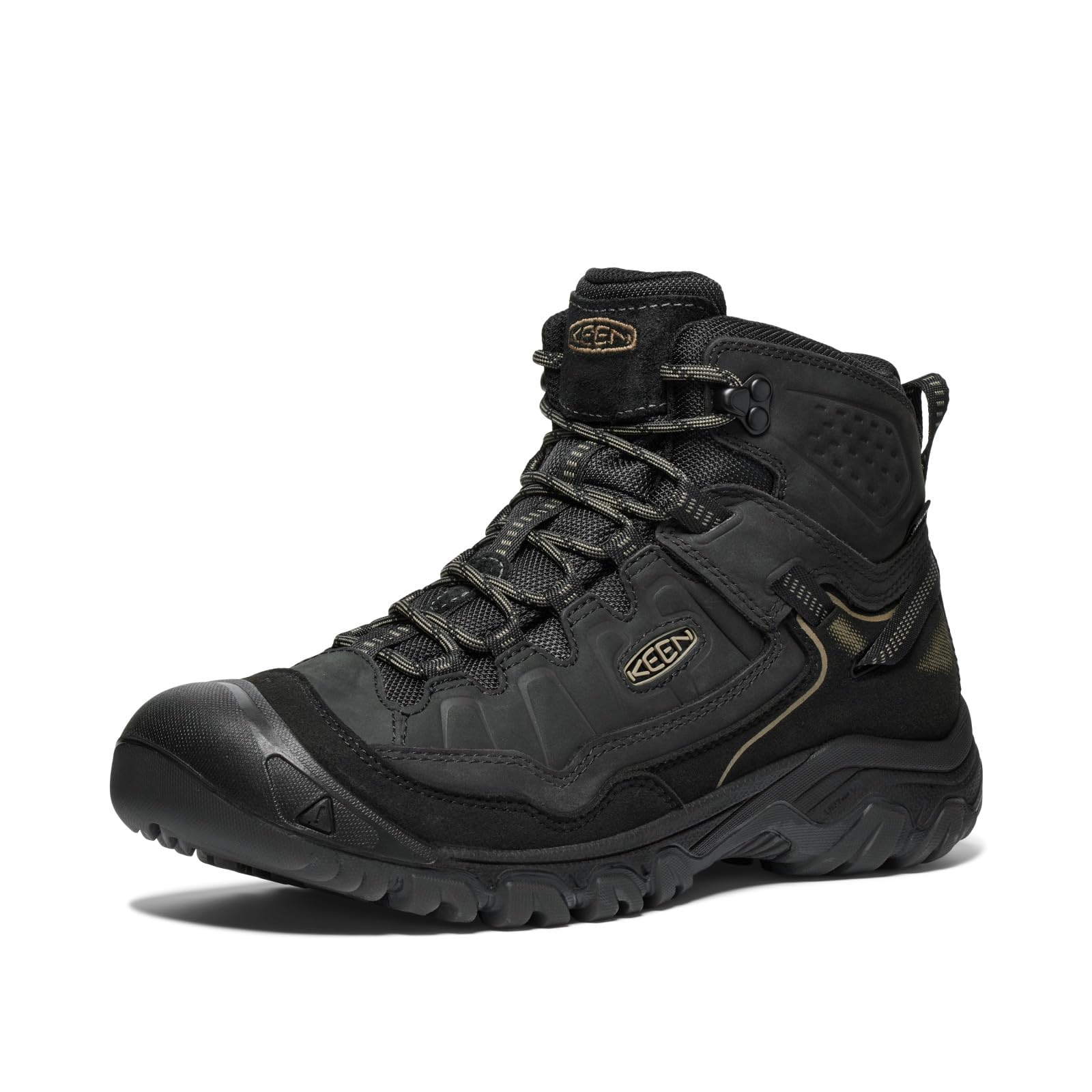


Who Should Buy Which Beginner Boots?
Your first activity matters more than any single feature. Find the group closest to your plans, then use its notes when you read the type comparison that follows.
New Hikers Starting on Easy Trails
You walk packed dirt, gravel paths and short park loops. Choose a light mid height hiker with a cushioned insole and a moderate lug pattern, because stiff heavy boots tire new legs on gentle ground. For trail only choices, see our guide to the best beginner hiking boots.
New Workers on Their Feet All Day
You stand on concrete, stock shelves or walk a warehouse floor, and comfort by the final hour matters most. Choose a boot with a padded collar, steady arch support and an outsole that grips smooth floors without feeling sticky. A lace up design lets you adjust pressure across the top of your foot. Confirm any safety toe rule with your employer before you order.
First Time Buyers for Wet and Cold Weather
You face rain, slush and icy sidewalks and you need dry feet more than speed. Choose a taller waterproof pair with deep lugs and room for thick socks, because a snug summer fit turns painful once you add insulation. Try boots on in the afternoon with winter socks, since feet swell during the day and tight boots leave toes cold.
Types of Beginner Boots Compared
The best beginner boots fall into four broad types, and each type trades weight, support and weather protection in a different way. Start with the type that matches your group above. Most first pairs cost about $70 to $160, with winter and leather styles at the top of that range.
Lightweight Hiking Boots
These boots use mesh with split leather or synthetic panels to keep weight low, often about 1.5 to 2.5 pounds per pair. They flex easily at the forefoot, and breaking in takes only a few short walks. The tradeoff is less protection on rocky ground and a shorter life for the soft upper. Choose this type for dry trails, travel and daily walks.
Waterproof Boots for Rain and Snow
A waterproof membrane inside the upper blocks rain and puddle splashes while letting some vapor escape. These boots suit wet trails, slush and muddy yards, and they often cost about $90 to $160. They feel warmer and dry slowly once the inside gets wet, so they suit hot summer hikes poorly. Choose this type when your routes stay wet.
Supportive Boots With a Stiffer Build
These boots add a firmer midsole, a taller shaft and a structured heel cup that holds your ankle steady on uneven ground. That extra stability helps new hikers who roll an ankle easily. The stiffer build feels clumsy on flat pavement and needs a longer breaking in period. Choose this type for rocky trails where a twisted ankle would end your day.
Classic Leather Boots for Work and Town
A full leather upper molds to your foot over time and resists scuffs from tools, curbs and brush better than mesh does. A good pair can be resoled when the outsole wears smooth. They weigh more, need regular conditioning and feel stiff for the first week or two. Choose this type for job sites, yard work and everyday wear.
Key Features to Compare
Once you know your type, compare these five factors in order. They decide comfort far more than color or brand, and each one is easy to check in a store or at home.
Fit, Sizing and Toe Box
Try boots on late in the day and wear the socks you plan to use, because feet spread under load and swell with heat. Your toes should touch nothing, and you need about a thumb width of space ahead of your longest toe for descents. The toe box should let toes lie flat without squeezing the sides. Test on an incline if you can, since heel lift grows worse on slopes.
Ankle Height and Stability
Low boots feel light and free but leave your ankle to handle every rock and curb alone. Mid height boots cover the ankle bone and suit most beginners, while tall boots add warmth and protection for snow and brush. Height alone does not create stability. Press the heel cup and twist the boot gently, since a firm counter and a midsole that resists twisting support you better.
Outsole Traction for Your Terrain
The outsole is the rubber layer that meets the ground, and its lug pattern decides grip. Lugs about 4 to 5 mm deep suit mixed trails and mud, while shallower lugs feel smoother on pavement. Wide lug spacing sheds mud, and a defined heel edge helps you brake on loose descents. Match the pattern to your most common surface.
Waterproofing Versus Breathable Uppers
A waterproof lining such as Gore Tex keeps external water out, yet it also slows the escape of sweat on warm days. A breathable mesh upper moves air freely and dries fast after a stream crossing, but it lets rain straight in. Many beginners do best with a waterproof pair for cold months. If you hike mostly in dry heat, choose the breathable upper and carry spare socks instead.
Weight, Flexibility and Arch Support
Each extra pound on your feet costs energy on every step, so weigh a pair against how rough your ground is. A modest heel to toe drop of about 8 to 12 mm feels natural for most walkers. Arch support should match the shape of your foot without pushing hard into the arch, and a removable insole lets you swap insoles. If foot pain persists after rest, talk with a clinician about your personal needs.
Common Mistakes to Avoid
These errors cause most first pair returns and sore feet.
- Buying boots in your sneaker size without a trial wear in thick socks leaves toes cramped on descents and invites black toenails.
- Choosing the tallest and stiffest boot for easy paths adds weight on every step and slows your pace.
- Wearing a new pair on a long outing without shorter walks first turns small pressure points into blisters by midday.
- Tightening laces as hard as possible to stop heel slip cuts circulation and makes the top of your foot ache within an hour.
- Storing wet boots beside a heater cracks leather and weakens glue, so the pair ages fast.
How to Care for Your Beginner Boots
Clean mud from the outsole and upper after each wet outing with a soft brush and plain water, then stuff the boots with newspaper and let them air dry away from direct heat. Drying slowly protects leather and keeps adhesives strong. Once dry, check laces for fraying.
Condition leather uppers every few months if they look dry, and reproof fabric and leather pairs when water stops beading on the surface. Rotate two pairs if you wear boots daily so cushioning can recover. Replace the pair when lugs wear smooth at the heel or the midsole feels flat, since worn traction raises your risk of a slip.
FAQ
What makes beginner boots different from regular boots?
Beginner boots are different because they favor a forgiving fit, softer cushioning and an easy breaking in period over maximum stiffness or technical features. One point new buyers miss is versatility, since a beginner pair often serves trails, travel and casual work in the same week, while a specialized boot does one job well and feels wrong elsewhere.
Are expensive beginner boots worth it for a first pair?
Expensive pairs are worth it only when the extra cost buys a better fit for your foot shape or a resoleable build you will keep for years. Many mid priced pairs suit new users well. Spend first on good socks and a proper fitting, since those steps fix more comfort problems than a premium label does.
Do I need waterproof beginner boots for every season?
No, you need waterproof protection only when your routes regularly include rain, snow or wet grass. In dry heat a waterproof lining traps sweat and can make feet hotter and more blister prone. A useful middle path is a breathable pair treated with a water resistant spray for light showers. Save the full membrane pair for cold and wet months.
How should beginner boots fit when I try them on?
Beginner boots should feel snug at the heel and midfoot with clear space ahead of your toes and no pressure on the top of your foot. Your heel may lift a tiny amount on the first wear, but it should not slide forward when you walk downhill on a ramp. Try both feet, since one foot is often slightly larger, and size for the larger foot.
Can I wear beginner boots all day?
Yes, you can wear beginner boots all day once you have broken them in and the fit suits your work or trail. All day comfort depends more on insole support and sock quality than on shaft height. Loosening the top laces for ten minutes at lunch restores circulation and makes the final hours feel easier.
Wrapping Up
Start with your main activity, pick the boot type that serves it, and then check fit, traction and weather protection in that order. Use the product table above to compare weight, height and price across the styles you liked.
When you choose best beginner boots with those checks done first, your first pair can carry you through a full season of learning without pain or early replacement. Buy once, break the pair in gently, and enjoy the miles ahead.


