
Best All Weather Work Boots for 2026: What Your Money Gets at Every Price
Disclosure: We may earn a commission when you buy through links on this page, at no extra cost to you. As an Amazon Associate I earn from qualifying purchases. Learn more

Compare the best all weather work boots by budget, with guidance on waterproofing, insulation, traction on wet ground and fit.
Prices for work boots that handle rain, mud, cold mornings and warm afternoons stretch from under $100 to past $300, and the gap is not only about brand names. The best all weather work boots for your job seal water out, grip wet ground and stay steady at the end of a shift. This guide shows where extra money helps, so you can read the product table below with a budget in mind.
Start with the weather you work in most, not the worst day you can imagine. A boot built for deep winter can feel heavy and hot in July, while a light breathable pair can leave you cold in January.


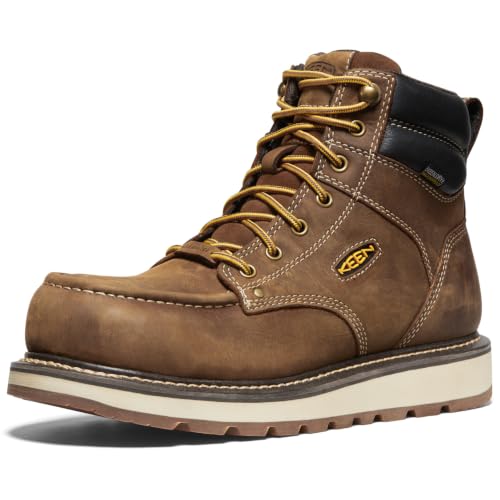

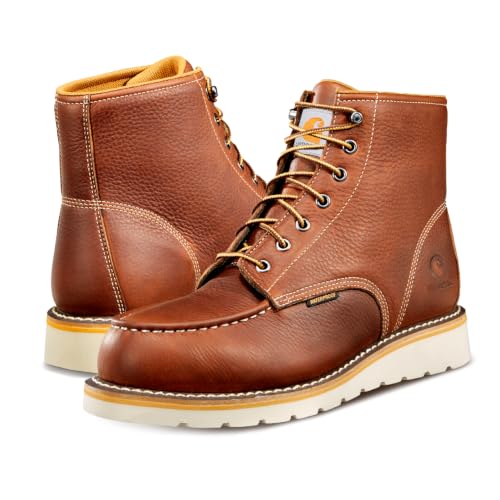
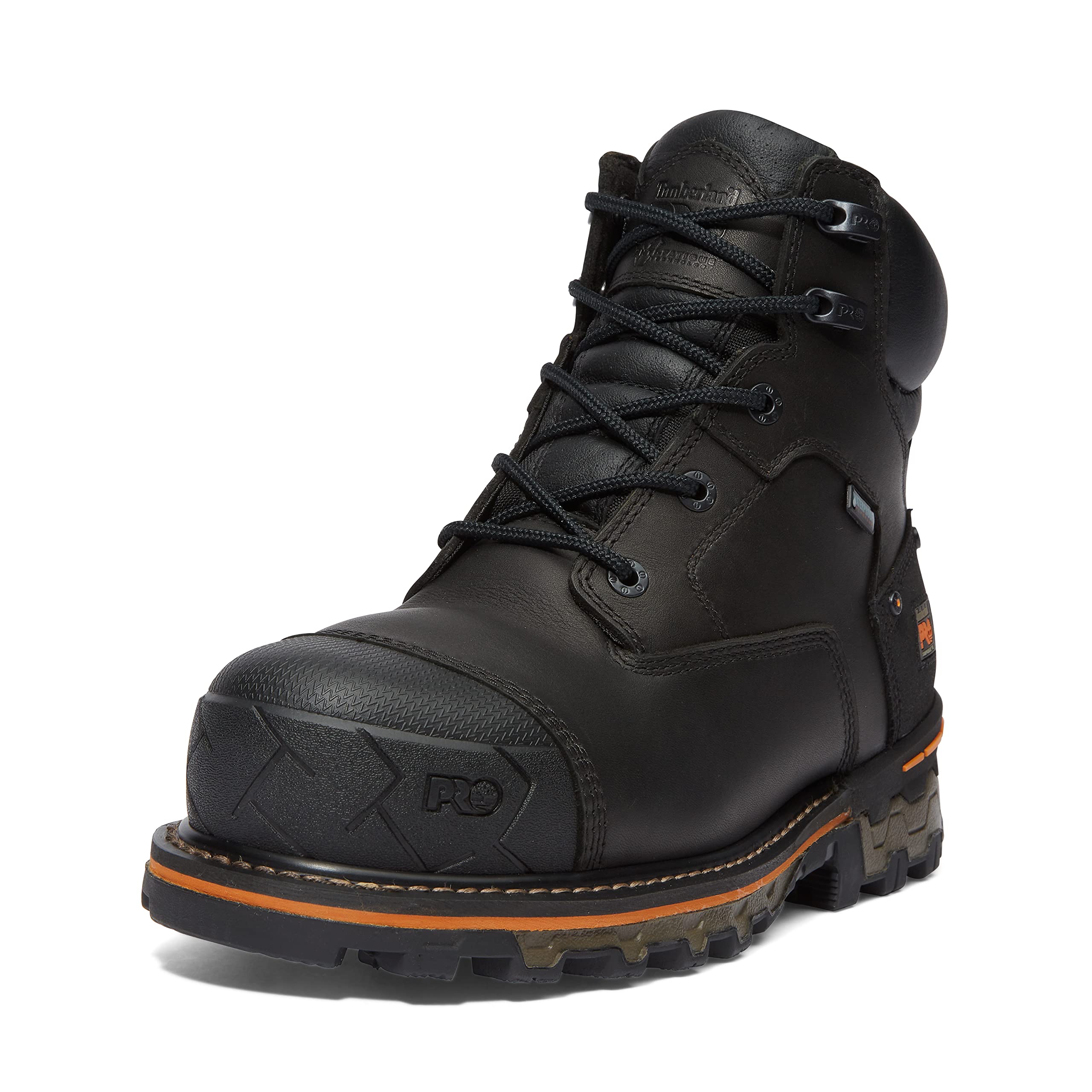
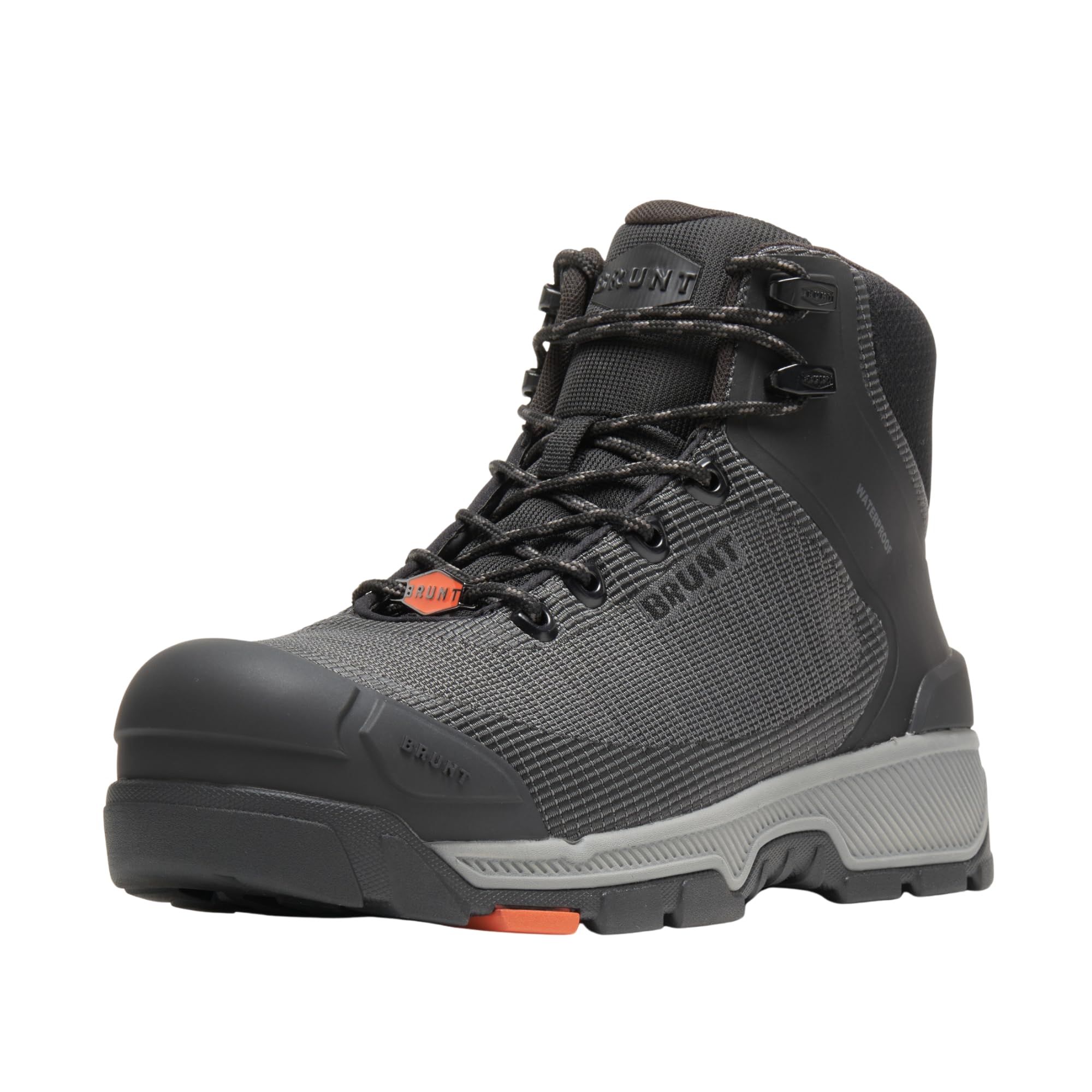


Who Should Buy the Best All Weather Work Boots?
One pair has to cover many conditions for these workers, so versatility matters most.
Outdoor Crews Who Work Through Rain and Mud
You spend the day outside, and wet feet by midmorning can ruin the shift. Prioritize sealed seams, a gusseted tongue and deep lugs that shed mud instead of packing flat. A taller shaft helps in puddles and wet grass. Keep spare socks in the truck for days when uppers stay damp.
Workers Who Move Between Wet Yards and Indoor Floors
You cross loading areas, concrete floors and parking lots in the same hour, so grip must work on slick indoor surfaces and wet pavement. Look for a flatter heel contact area and siping in the outsole, the fine cuts that channel water away. Avoid aggressive lugs indoors, since tall lugs feel unstable on tile.
Cold Region Workers Who Want One Pair for Most Seasons
You face freezing mornings much of the year but still work through mild spring days. Moderate insulation, around 200 to 400 grams, covers more of the calendar than the heaviest rating. If your coldest work means standing still outdoors for hours, see our guide to the best cold weather work boots for pairs built around warmth first.
Key Features to Compare
Judge each feature by the weather problem it solves for you.
Waterproofing That Keeps Water Out at Seams and the Tongue
A waterproof membrane, such as Gore Tex or a house brand version, lines the inside of the boot and blocks liquid water while letting some vapor escape. It only works if seams are sealed and the tongue is attached to the upper, since an open tongue lets puddle water pour in at the laces. Check how high the lining reaches, because a low lining fails in deep puddles.
Insulation for Cold Days Without Extra Bulk
Insulation is rated in grams, and higher numbers trap more warmth for standing work. Around 200 grams suits active work in mild cold, while 400 to 800 grams suits colder regions and lower activity. Thick insulation adds bulk, so your usual size may feel tight with winter socks. If you move constantly, choose the lighter rating, since damp socks from sweat feel colder later.
Outsole Traction on Wet Concrete, Mud and Ice
The outsole decides grip, and lug shape matters more than lug count. Deep, widely spaced lugs bite into mud and loose gravel, while shallow lugs with siping grip wet concrete and smooth stone better. Rubber that stays flexible in cold weather keeps more of the sole in contact with icy ground. Match the pattern to your main surface, because mud tread on polished floors grips poorly.
Fit, Sizing and Room in the Toe Box
Measure your feet late in the day, when they are largest, and try boots with your work socks. Your toes need room to spread in the toe box, with about half an inch ahead of your longest toe. Thick socks change the fit, so read our guide to the best socks for hot weather work boots if you rotate sock weights by season. A safety toe reduces inside room, so size up when the cap presses.
Cushioning, Arch Support and Stability Through Long Shifts
Cushioning under the heel and forefoot softens impact on concrete, while arch support spreads pressure so the midfoot does not tire first. A firm heel counter adds stability if your ankles roll inward as you fatigue. Fans of neutral shoes often prefer moderate cushioning. If you develop sharp heel pain, numbness or pain that changes how you walk, talk with a clinician or fitting professional about your personal needs.
Upper Materials and Breathability in Warm Conditions
Full grain leather resists abrasion and sheds light rain, but it dries slowly once soaked and needs conditioning. Mesh and knit panels make a boot more breathable in heat, yet they rely on the inner membrane for water protection and scuff easily. Many boots mix leather at high wear areas with textile panels higher up. If summer heat is your main problem, see our guide to the best work boots for hot weather and our guide to the best warm weather work boots.
What Each Price Band Buys in a Sealed Work Boot
Price alone does not tell you which pair is the best all weather work boots choice for your job, so use these tiers to see what each step up usually buys. For the wider category view, see our guide to the best work boots.
Around $90 to $140: Simple Sealing for Light Wet Work
Here you get a basic waterproof membrane, sealed seams on simpler uppers and modest cushioning. These boots handle rain, wet grass and slush for seasonal or part time work. Trade offs appear in outsole wear, thinner linings and fewer width options. Put the savings toward good socks and spare insoles.
About $150 to $220: Stronger Membranes and Outsoles That Last Longer
This tier usually adds tougher leather, better sealed construction, more durable rubber and more choices of fit and safety toe. Cushioning and arch support improve, which matters on concrete all day. For daily outdoor work in mixed weather, cost per month of use often looks best here.
About $230 to $320: Refined Fit and Materials Built for Daily Wear
Premium boots spend the extra money on lighter membranes, premium leather, replaceable insoles and outsoles made for both mud and hard floors. Fit options expand to more widths, and linings manage sweat better across seasons. Pay this much if you wear one pair every workday and past boots wore out within a year.
Insoles, Socks and Sole Wear Over a Boots Working Life
The purchase price is only part of the cost. Insoles compress and usually need replacing every 6 to 12 months of daily wear, and work socks add a seasonal cost. Leather needs conditioner, and water repellent treatments on fabric panels need renewal.
Outsole wear drives replacement, so a durable sole can cost less per month than a soft sole that smooths out in one winter. Check warranty coverage for seam and sole defects before you buy.
Common Mistakes to Avoid
- Buying heavy winter insulation for year round work leaves you hot and sweaty all summer.
- Choosing your shoe size without work socks makes insulated boots painfully tight in cold weather.
- Trusting water resistant labels for standing water leads to wet feet, because that rating covers splashes only.
- Picking deep mud lugs for mostly indoor floors reduces grip and speeds outsole wear.
- Drying boots on direct heat cracks leather and can damage the waterproof membrane.
- Ignoring employer safety toe and electrical hazard rules can get a new pair rejected on site.
Care and Maintenance for Boots in Wet and Cold Use
Brush mud off after each shift and rinse heavy dirt with plain water, since grit in seams wears stitching and fabric. Stuff damp boots with newspaper or use a low heat boot dryer, away from radiators. Remove the insoles while drying, because moisture trapped under them dries last and odor builds there first.
Condition leather when it looks dry or light in color, and renew water repellent treatment on textile panels when water stops beading. Inspect stitching, sole edges and lining tears monthly, and repair small seam gaps early. Store boots upright with air flow, not sealed in a plastic bag.
FAQ
How should all weather work boots fit when you wear thick socks?
They should feel snug at the heel and midfoot, with clear space ahead of your toes in thick socks. Walk down a ramp or step down firmly, since toes that strike the front on a slope will bruise during long descents. Lace the top hooks tighter for heavy work to lock the heel.
Are expensive all weather work boots worth it for weekend work only?
Rarely, because their main gains are durability and fit refinement that pay back over hundreds of wears. A midrange pair used twice a week can last for years, lowering cost per wear. Spend the difference on a boot dryer, since careful drying protects a part time pair.
How long does the break in period last for leather all weather work boots?
Leather models usually need about one to two weeks of regular wear. Start with short shifts, then add hours as the leather softens at the ankle and flex points. Blisters at the heel early on often signal a wrong size rather than stiff leather, so recheck fit instead of pushing through pain.
Can I wear all weather work boots all day in summer heat?
Yes, but choose lightly insulated or uninsulated versions with breathable panels. Moisture wicking socks and a midday sock change do more for comfort than any lining claim. Unlace the top hooks during breaks to release heat. In extreme heat, a ventilated pair may serve you better for the hottest months.
How often should I replace all weather work boots worn every workday?
Replace them when lugs wear smooth at the heel or ball, when seams leak after treatment is renewed, or when cushioning feels flat despite new insoles. Daily wear often reaches that point at about 12 to 18 months, though surfaces and body weight change the pace.
The Bottom Line
Spend first on the weather problem you face most: sealed waterproofing for wet sites, the right insulation weight for your climate and an outsole matched to your ground. Fit with real work socks before comparing prices. Use the product table above to check each candidate.
Chosen that way, the best all weather work boots for you stay dry, grip your usual surfaces and feel supportive in the final hour of the shift, without overspending.


