
Best Boots for Turkey Hunting in 2026: Which Type Is Right for You?
Disclosure: We may earn a commission when you buy through links on this page, at no extra cost to you. As an Amazon Associate I earn from qualifying purchases. Learn more

Compare turkey hunting boot types for spring fields, wet woods, and long walks. Learn about quiet materials, grip, waterproofing, and fit before you buy.
Spring turkey hunting asks a lot from footwear. You may walk quiet field edges before dawn, cross wet grass and muddy woods, and then sit still for a long stretch while waiting for a bird to answer a call. The best boots for turkey hunting balance quiet movement, steady grip, and enough protection for the ground you actually cover. This guide compares the main boot types side by side so you can choose by terrain, weather, and hunting style.
Use the comparison table below as a starting point, then weigh the details that matter on your ground. A boot built for dry, open fields will not feel the same in a flooded bottom or a rocky ridge, and a heavily insulated pair can feel too warm for a mild spring morning. Focus first on noise, grip, and fit, then on waterproofing and weight.


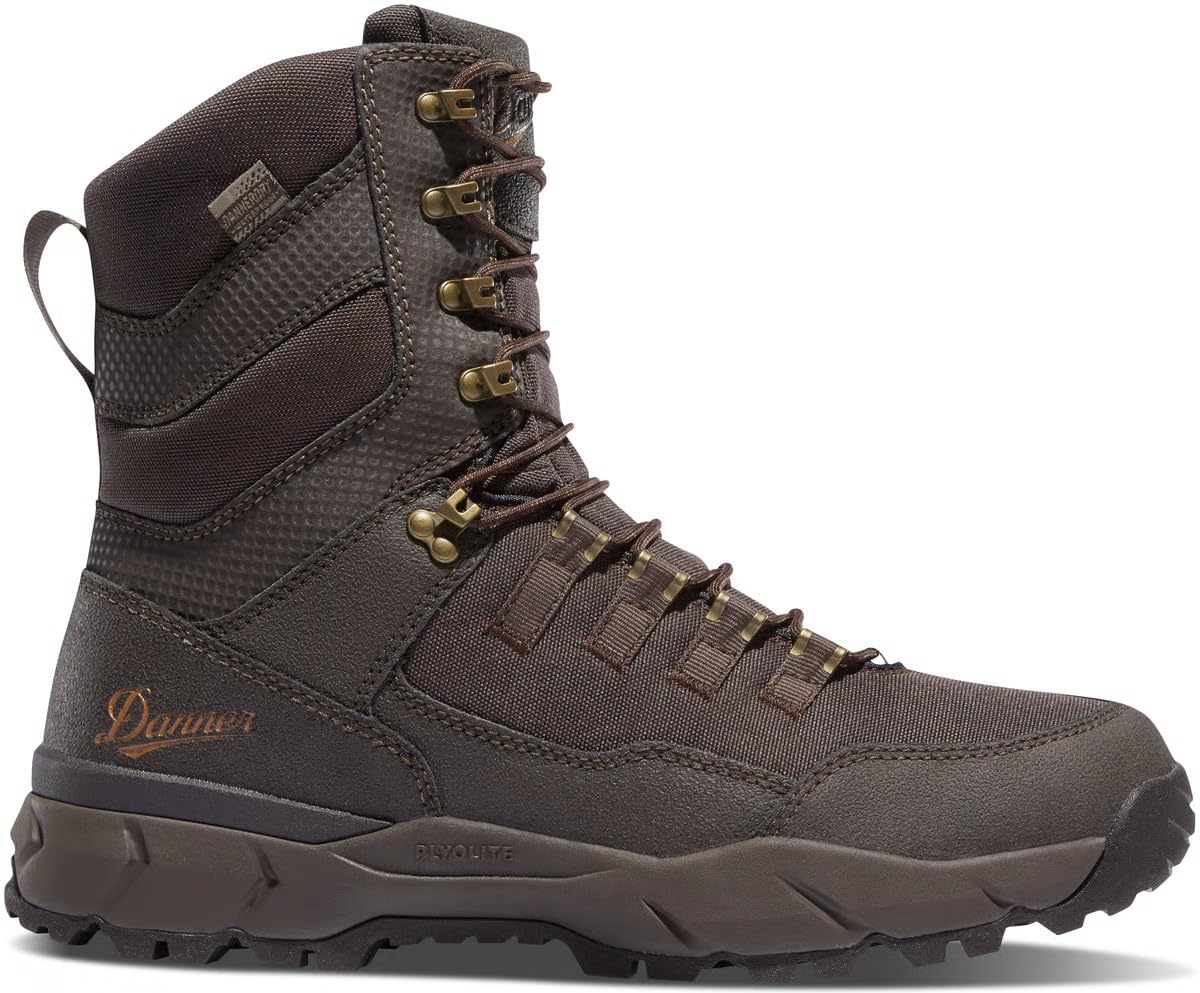


Types of Hunting Boots Compared
The table below sums up the main choices. After it, each type is explained in more detail so you can see the trade offs behind the short descriptions.
| Type | Best For | Pros | Cons | Typical Price |
|---|---|---|---|---|
| Rubber knee boots | Wet fields and muddy bottoms | Easy to clean and fully waterproof | Less ankle support on rough ground | about $90 to $180 |
| Leather field boots | Mixed woods and long seasons | Durable and supportive | Heavier and need care | about $130 to $240 |
| Lightweight hiking style boots | Long walks and hilly ground | Agile and comfortable over distance | Less protection in deep water | about $110 to $200 |
Rubber Knee Boots
Rubber knee boots are a practical choice for wet spring ground, creek crossings, muddy field edges, and flooded timber edges where water depth is a real concern. A one piece rubber lower keeps water out without seams at the foot, and the tall shaft protects the lower leg from wet grass and brush. They slip on and off easily, which helps when you need to change at the truck or clean up after a muddy morning. For a closer look at this style, see our guide to best rubber boots for turkey hunting and compare shaft height and sole design with other options.
The trade off is support and breathability. A smooth rubber boot can feel loose around the ankle on side slopes, so look for a snug ankle fit and an outsole with enough lug depth for mud.
Leather Field Boots
Leather field boots suit hunters who cover mixed woods, rocky ridges, and brushy edges through a full season. Full grain or split leather uppers break in to the shape of your foot, and laces let you adjust support at the ankle and forefoot for uneven ground. A stitched welt or a bonded sole construction often adds durability, which matters when you walk through thorns, roots, and rocky soil. Many leather designs also include a waterproof membrane, which helps in wet grass without giving up the support of a laced boot.
The limits are weight, care, and drying time. Leather boots need cleaning and conditioning to stay supple, and they take longer to dry after a soaking than rubber boots, so choose a lightly insulated version for spring hunting.
Lightweight Hiking Style Boots
Lightweight hiking style boots blend a trail boot sole with hunting friendly materials, making them a strong choice for long approaches and hilly terrain. They flex naturally, grip well on leaf litter and rock, and usually weigh less than a tall leather boot, which helps when you cover several miles before first light. Many use synthetic uppers with a waterproof membrane, plus a cushioned midsole that reduces fatigue on uneven ground. For a version tuned to trail style movement, see our guide to best hiking boots for turkey hunting and compare weight and ankle height with the other types here.
The trade off is water depth and brush protection. A mid height hiking style boot will not keep out deep water, so it works best when your route stays mostly on dry or damp ground. If snakes are a concern on your ground, consider a dedicated snake guard design instead; see our guide to best snake boots for turkey hunting for that specific protection question, and always follow local wildlife and hunting rules for your area.
Rubber Knee Boots Compared With Leather Field Boots: Which Should You Choose?
Compare the two types on water protection, support, noise, weight, and care. Rubber boots win on waterproofing and easy cleaning, while leather boots win on ankle support, durability on rough ground, and a broken in fit. Noise depends on material and sole as much as on type: soft rubber and flexible leather tend to move quietly, while stiff soles can scuff on dry leaves. Grip depends on lug pattern and rubber softness, so compare the outsole on both types rather than judging by upper material alone.
Choose rubber boots if wet ground, mud, and shallow water dominate your hunting area. Choose leather boots if you walk rough, hilly, or brushy ground and want support that you can lace to your foot.
How to Choose the Right Boot
Start with the ground you hunt most, not the ground you hunt once a season. Note whether you cross water, climb ridges, sit for hours, or walk long distances in the dark. Those patterns decide whether waterproofing, insulation, weight, or ankle support should lead your choice. Also consider how far you drive to hunt, since a boot that is easy to change at the truck can be a real advantage after a muddy morning.
Features That Matter for Turkey Hunting
Quiet movement matters because turkeys hear well and react to unnatural sounds. Soft, flexible materials and a sole that does not slap or squeak help you move without announcing each step. Camouflage patterns help you blend in when seated, but pattern alone will not make up for a noisy sole or a bright, reflective upper. Fit also affects noise: a loose boot can shuffle and rub, while a well fitted boot lets you place each step with control.
Scent control, brush resistance, and ease of movement also shape the choice. A tall shaft protects against wet grass and light brush, while a lower boot moves more freely through open fields.
Outsole Traction and Terrain
Outsole traction must suit mud, wet leaves, rock, and grass, often in a single morning. Deep, widely spaced lugs shed mud and grip soft ground, while a flatter lug pattern may feel steadier on rock and hard paths. Rubber that stays flexible in cool spring temperatures grips better than a hard compound that turns slick when cold. Check the heel as well: a broad heel gives stability on slopes, and a defined heel edge helps on downhill steps.
Test grip on the surfaces you actually hunt, not only on pavement. A sole that feels secure on a driveway may clog with mud in a field, so clean the tread after muddy hunts.
Fit, Sizing, and Toe Box
Fit shapes comfort, quiet movement, and safety on uneven ground. Measure your feet in the afternoon and try boots with the socks you wear while hunting, since spring mornings can call for a thicker sock than a summer walk. Your toes should have room to move without hitting the front on downhill steps, and your heel should stay seated without lifting. A roomy toe box helps on long walks by reducing pressure, while a snug midfoot keeps the boot from shifting on side slopes.
Laced boots let you fine tune fit for different terrain: snug at the ankle for rough ground, slightly relaxed for a long seated wait. As general guidance only, talk with a doctor if you have persistent or worsening foot pain.
Durability and Expected Lifespan
Hunting boots wear through abrasion from brush, repeated flexing, and exposure to mud and water. Outsoles wear first at the heel and the ball of the foot, and a collapsed footbed can change your stride long before the upper looks worn.
Judge replacement by performance, not by age alone. If the tread looks smooth or the boot no longer supports your ankle on uneven ground, retire it from hunting use.
Tips to Get the Most From Your Boot
Break in laced boots with several walks before the season, and test rubber boots on your actual hunting ground so you learn how they handle mud and slopes. Air dry wet boots away from direct heat, remove insoles to dry fully, and clean mud from the tread after each hunt. Rotate two pairs when you can, since a full day of drying keeps materials in better shape and reduces odor. Store boots upright in a cool, dry place, and check laces, eyelets, and soles before the first hunt of the season.
Before you hunt, check local seasons, bag limits, licensing, and land access rules for your area, and follow them along with any local wildlife guidance. Conditions and rules vary by place and year, so confirm the current requirements rather than relying on memory.
Frequently Asked Questions
What features matter most for spring turkey hunting boots?
Quiet materials, reliable grip on mud and wet leaves, and a fit that stays comfortable during both walking and long seated waits matter most. Waterproofing matters on wet ground, while weight and breathability matter on warm spring mornings. Camouflage helps when you are seated, but it cannot make up for a noisy sole or a poor fit. Choose the balance that fits your terrain, then check noise and grip on a short trial walk before the season.
How should turkey hunting boots fit?
Turkey hunting boots should fit snugly at the heel and midfoot while leaving toe room for movement and a hunting sock. Try them in the afternoon with your hunting socks, and walk downhill to check that toes do not hit the front. Laced boots let you adjust for rough ground or a long sit, while slip on boots depend on shaft shape for fit. If rubbing or pressure does not ease after a reasonable break in, the fit is likely wrong rather than merely stiff.
Can I wear turkey hunting boots all day?
Many lightweight and mid height hunting boots are comfortable for all day wear when they fit well and flex naturally. Heavier leather boots may tire your legs on a long walk, while tall rubber boots may feel warm during a midday sit. Change socks if your feet sweat, and air out boots during a break when you can. If pain, numbness, or swelling persists, seek medical advice rather than pushing through in the same pair.
Do I need waterproof boots for turkey hunting?
Waterproof boots are worth it if you hunt wet fields, creek edges, or dew soaked grass, since wet feet get cold and uncomfortable fast. For dry, open ground in a mild spring, a water resistant boot may breathe better and feel lighter. Consider how often you cross water and how long you sit still in wet grass. If in doubt, choose waterproofing for wet mornings and keep a lighter pair for dry days.
How often should I replace hunting boots?
Replace hunting boots when grip, support, or waterproofing clearly fades, rather than on a fixed schedule. Check tread depth, heel wear, footbed shape, and seam condition before each season. A pair used hard on rough ground may need replacing after a few seasons, while a lightly used pair may last longer. Retire a worn pair from hunting once traction or ankle support drops, even if it still looks acceptable for light use.
Final Thoughts
Choose quiet movement, steady grip, and a fit that works for both walking and waiting. Rubber boots lead on wet ground, leather boots lead on rough ground and support, and lightweight hiking style boots lead on long, hilly approaches. The best boots for turkey hunting for you are the pair that matches your terrain and stays comfortable from the first walk in the dark to the last sit of the morning, so use the product table above to shortlist types, then compare noise, tread, and fit before you buy.


