
Best Boots for Upland Bird Hunting of 2026: Complete Buying Guide
Disclosure: We may earn a commission when you buy through links on this page, at no extra cost to you. As an Amazon Associate I earn from qualifying purchases. Learn more
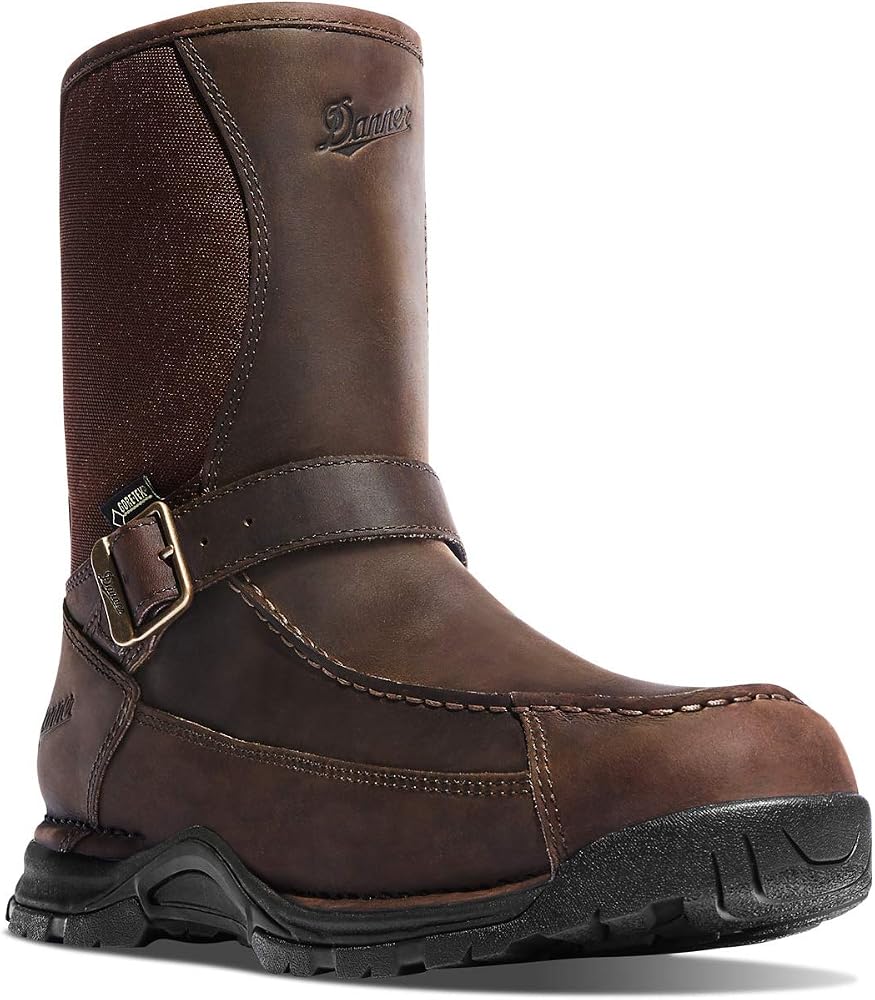
Compare upland bird hunting boots by miles, cover, fit, and waterproofing, with price bands and care tips to help you choose the right pair for the field.
Upland hunting is walking, stated plainly. You follow a dog through grass, stubble, and brush for hours at a time, and the best boots for upland bird hunting are judged by the mile rather than by the shelf. Pair weight and break in decide more days than any single feature, because a boot that feels fine at the truck can feel very different at mile eight.
This complete guide works through the choice in the order the field presents it. Miles come first, then the cover that wears on the upper, then fit, water, and price. Use each section against the ground you hunt most, then compare the classes side by side in the comparison table below.






Start With the Miles, Not the Feature List
Count your honest distance before you count features. A short walk between two small fields asks little of a boot, while a full day behind a wide ranging dog can pass ten miles without any single stretch feeling long. The boot is judged by the mile, so add up a real day on your ground, including the walk back, and let that total set the weight class you shop in.
Weight matters through repetition. Every ounce on a foot is lifted once per step, and a day of upland walking holds tens of thousands of steps across plowed edges, grass, and soft soil. A lighter pair reduces the quiet fatigue that builds in calves and hips by afternoon, while a heavier pair earns its place only when the cover or the cold truly demands it.
Break in is the second half of the miles question. A stiff new boot worn straight into a long hunt is a gamble, because pressure points that feel minor at home grow severe by midday. Plan short walks near home first, add distance over two or three weeks, and treat any hot spot as useful information about fit rather than a problem to push through.
Let Cover Decide the Upper
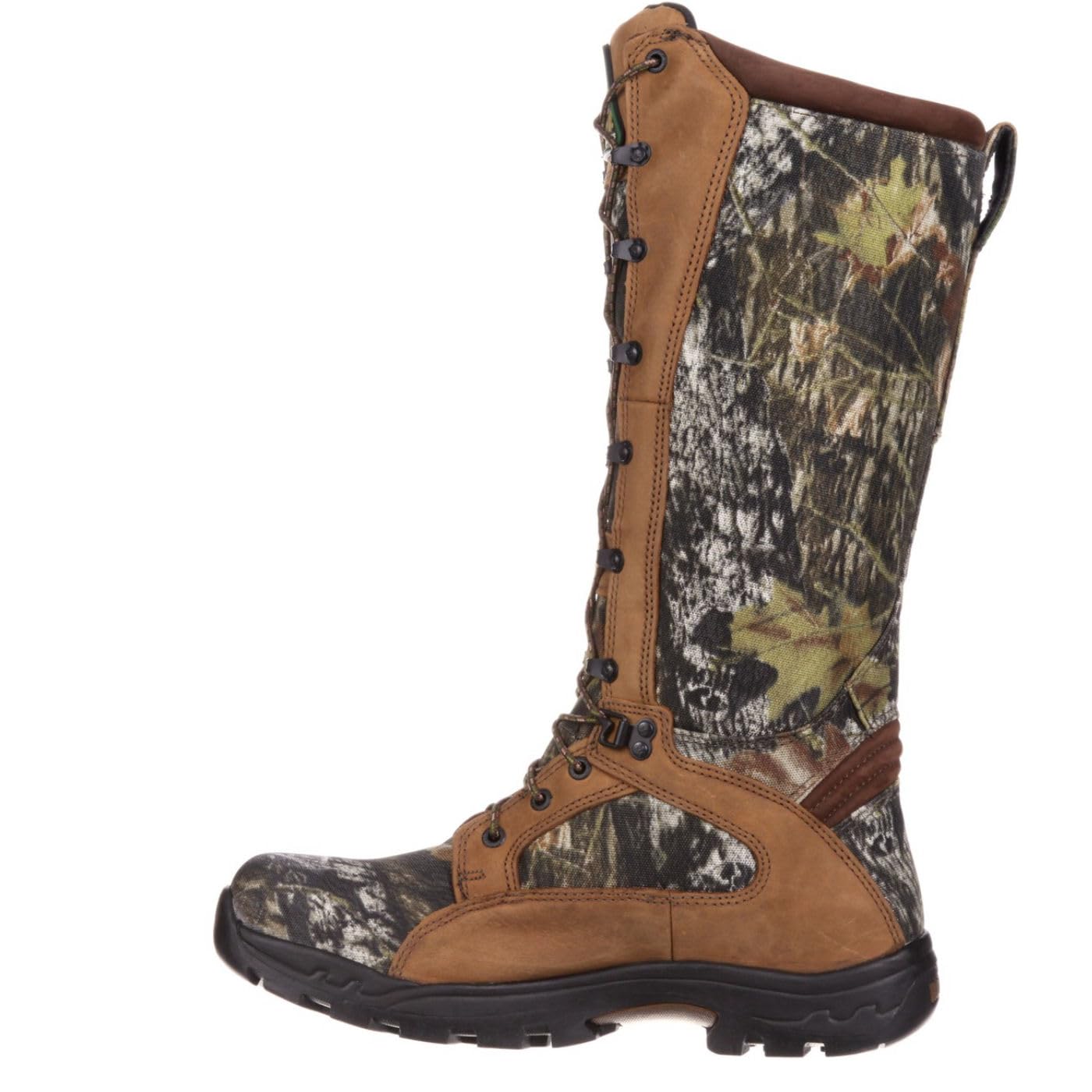
Briar and brush protection classes decide the upper, stated plainly. Light grass and stubble forgive almost any sturdy upper, while blackberry canes, multiflora rose, and woody brush ends shred thin fabric and exposed stitching in a single season. A torn upper ends the season for that pair, because a boot with a split panel takes in water, loses support, and cannot be trusted far from the truck.
Match the class to your worst cover rather than your average cover. Hunters who split time between open fields and thick edges can look at guides to best upland hunting boots for the broader class built around mixed ground and long walking days. Hunters who spend most hours inside heavy brush need the heaviest protection class they can still walk in comfortably.
Terrain under the cover matters as well. Readers comparing the wider category can see best upland game hunting boots for boots framed around a larger mix of ground, birds, and weather. Within this guide, keep the focus narrow: upland birds, walking cover, and the pace a dog sets across it.
How to Choose: A Complete Buying Guide
Features That Matter for Upland Bird Hunting
Four factors carry most of the decision: weight per pair, upper protection, ankle support on uneven ground, and how the sole grips wet soil. A boot for this hunting also needs a toe area that shrugs off stems and a lacing system that holds the heel down on slopes. Treat decorative panels and extra padding as secondary, because neither one helps at mile nine.
Fit, Sizing, and Toe Box
Measure both feet late in the day, when they are at their largest, and shop in the socks you hunt in. Toes need room to spread on descents, so look for a thumb width of space ahead of the longest toe and no pressure across the top of the foot. A roomy toe box helps on long walks, yet the heel must still sit firm, because a loose heel turns distance into blisters.
Break In Period and Comfort Out of the Box
Leather boots often need about two to three weeks of growing walks before a full hunt, while many synthetic pairs feel ready sooner. Neither timeline is a promise, since foot shape decides as much as material does. Wear a new pair around the house, then on short field walks, and only trust it for a full day after a walk of several miles ends without hot spots or sore arches.
Upper Materials and Breathability
Full grain leather resists brush abrasion well and molds to the foot over time, though it dries slowly once soaked. Synthetic panels cut weight and dry faster, but thin fabrics wear quickly in briars unless reinforced at the toe and sides. Breathability matters most in warm early season hunts, where a cooler boot can matter more than the last degree of protection.
Outsole Traction and Terrain
Lug depth around 4 to 6 mm suits most upland ground, gripping wet grass and loose soil without collecting heavy mud on every step. A sole that is too smooth slides on damp slopes, while a sole built like a mountain boot can feel clumsy on flat fields. Look for a pattern with open spaces between lugs, a firm heel breast for downhill steps, and rubber that stays grippy on wet wood and rock.
Waterproofing and Membranes
A membrane works only up to the height of the lining, stated plainly. Step into water deeper than the boot top, or let rain run down inside from soaked trousers, and the feet get wet no matter what the label says. Within that limit, a membrane earns its cost on dew heavy grass and shallow crossings, and readers focused on wet ground can compare best waterproof upland hunting boots for that class in detail.
The trade off is air flow. Membrane lined boots run warmer and dry more slowly once wet inside, so dry climate hunters who rarely cross water may prefer an unlined pair. Decide from your wettest normal hunt, not from the wettest hunt you can imagine.
Durability and Expected Lifespan
Judge durability at the seams, the toe, and the point where the upper meets the sole, since those areas fail first in brush country. A well kept leather pair can serve several seasons of regular hunting, while hard use in thorny cover shortens any boot life. Rotate a second pair on back to back hunt days when you can, because foam and leather both recover better with a rest day between outings.
Types of Upland Boots to Compare
Four broad classes cover most upland needs, and the product table above groups pairs along these same lines. Readers whose hunting centers on birds alone may also compare best bird hunting boots for the pair sibling category written around bird hunting days. For clarity on a nearby pet product, best dog boots for upland hunting names protective footwear made for dogs, which is a separate class from boots worn by hunters.
Tall Leather Field Boots
Boots around 8 to 10 inches tall in leather give the strongest brush protection and the most ankle support on rough ground. They suit hunters in briars, rocky edges, and cold late season weather. The costs are weight, a longer break in, and slow drying after a soaking, so this class rewards hunters whose cover is genuinely hard on footwear.
Lightweight Synthetic Field Boots
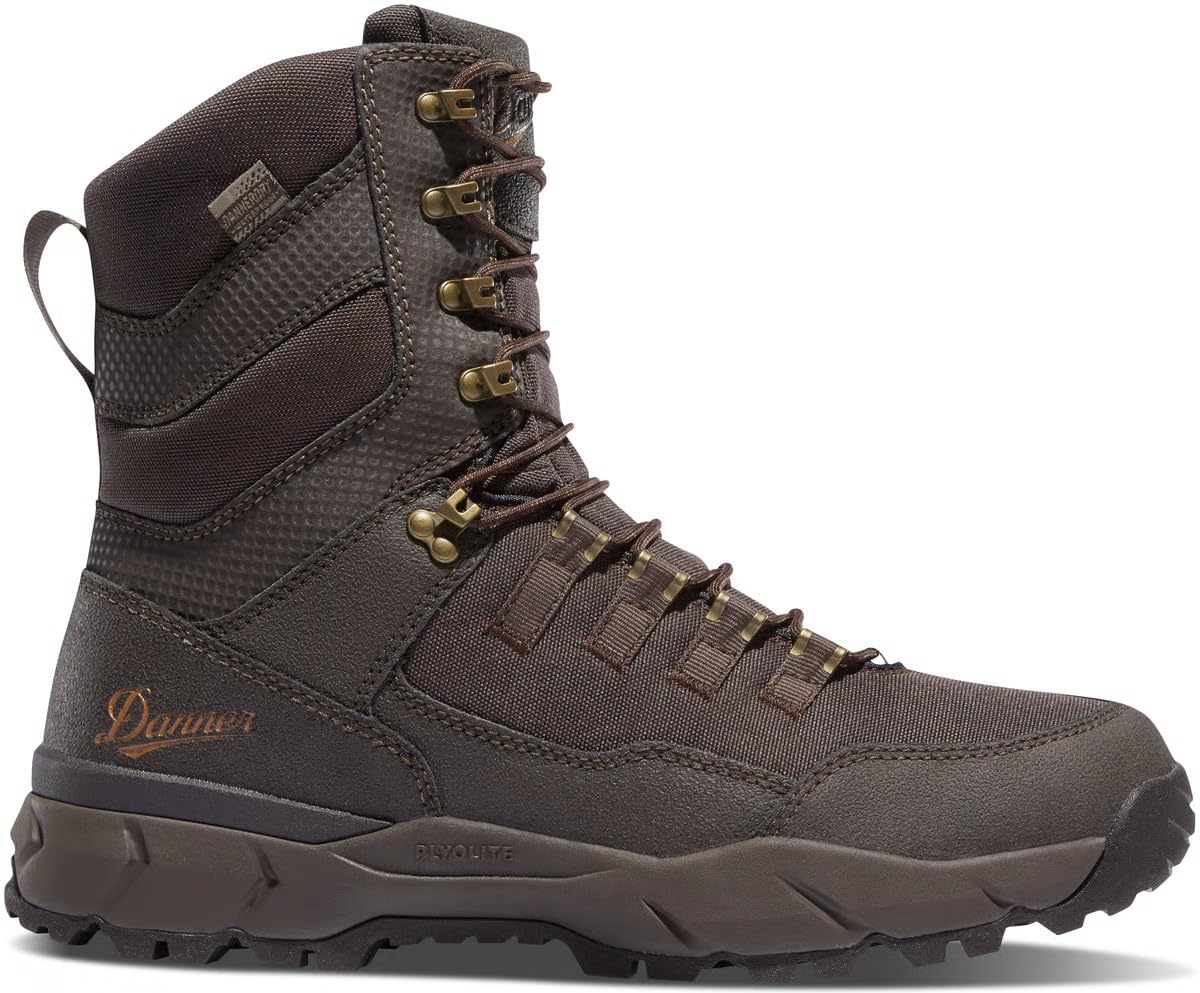
Synthetic pairs built around fabric and reinforced panels suit long days in grass, stubble, and mild cover. They feel easier at high mileage and usually need less break in time. Protection is the limit, since thin uppers lose ground quickly in thorns, so this class fits open country hunters who value fresh legs late in the day.
Membrane Lined Boots for Wet Cover
These boots pair a waterproof lining with a mid height or tall upper for dew, drizzle, and shallow water. They suit marsh edges, wet grass, and regions where most mornings start damp. Warmth is the trade off, because the same lining that blocks water also holds heat and slows drying after water gets in over the top.
Uninsulated Boots for Warm Early Hunts
Uninsulated pairs with breathable panels suit the warm weeks at the start of the season, when heavy insulation would punish the feet. They walk light, dry fast, and pair well with thinner socks. Cold is the limit, so hunters who also chase late season birds often keep this class for early use and choose a warmer pair for winter cover.
What Each Price Band Usually Buys
Entry pairs at about $80 to $130 usually offer synthetic uppers, basic foam cushioning, and light brush protection that suits open fields. Expect shorter upper life in thorns and simpler soles that grip well on grass but less well on wet rock. This band makes sense for new hunters, spare pairs, and low mileage seasons.
Middle pairs at about $130 to $220 are where most upland hunters land. This band usually brings leather or reinforced uppers, better ankle support, more durable stitching, and soles with stronger grip across mixed ground. For a hunter walking long days each week of the season, the added upper life alone can justify the step up.
Premium pairs at about $220 to $320 focus on materials and construction rather than extra features. Expect tougher leather, careful seam work, resolable designs on some pairs, and linings that hold up over many seasons. The walking feel on day one may differ little from a middle pair, so the value shows up in year three rather than week one.
Setup and Care Tips
- Lace for the descent. Snug the lower laces, leave the top hooks firm but not tight, and recheck tension after the first mile, when socks and leather have settled.
- Dry slowly after wet hunts. Pull the insoles out, loosen the laces, and air dry away from direct heat, since hot air can crack leather and weaken sole glue.
- Clean brush debris off the same day. Seeds and thorn tips left in seams work deeper with every step, so brush the upper down and clear the lug pattern after each hunt.
- Condition leather on a schedule. A light coat after cleaning keeps leather supple, while heavy coats before a hunt can soften support and add weight.
- Store upright and unstuffed. Keep pairs in a cool dry place with room around them, so the upper holds its shape between seasons.
Frequently Asked Questions: Questions Answered
What features matter most in boots for upland bird hunting?
Weight, upper protection, and fit matter most in boots for upland bird hunting. A light pair with a brush tough upper and a secure heel will outwalk a heavier feature rich pair on real ground. One point hunters overlook is sock choice: a wool blend sock in the right thickness can change the fit of a borderline pair more than a half size change can, so test socks and boots together.
How long should upland boots be broken in before a hunt?
Most pairs need about two to three weeks of shorter walks before a full hunt. Start with walks near home, then add field ground and distance in stages. Keep a simple test for readiness: if a four mile walk in hunting socks ends with no hot spots and no heel lift, the pair is close. A boot that still bites at that point needs more time or a different size.
How tall should upland hunting boots be?
A height of about 8 to 10 inches suits most upland hunting. Taller shafts guard the shin against brush and support the ankle on uneven ground, while shorter boots feel lighter in open fields. Consider your trousers as well, since a shaft that rubs the calf under a trouser leg all day can tire the leg even when the foot itself feels fine.
How often should upland boots be replaced?
Replace upland boots when the upper splits, the sole separates, or the midsole feels flat and harsh on familiar ground. For many hunters that point arrives after several seasons rather than on a fixed date. Watch the heel counter too: a counter that folds inward under thumb pressure no longer holds the heel steady, and that loss shows up as blisters long before the sole looks worn.
Can one pair of upland boots cover the whole season?
One well chosen pair can cover a whole season for many hunters. It needs enough protection for your thickest cover, enough breathability for warm openers, and a fit that holds up at full distance. The honest limit is wet weather: a hunter in a rainy region may still want a membrane lined second pair, because rotating pairs keeps one set dry and ready each morning.
Final Thoughts
Choose by miles first, cover second, and fit always. A pair that matches your real distance, shrugs off your worst brush, and holds the heel without squeezing the toes will serve you longer than any feature list. When you are ready to compare classes side by side, the product table above pulls the key figures together, and the right best boots for upland bird hunting choice is the one your feet still trust at the last field of the day.


