
Best Boots for UTV Riding in 2026: Every Type Explained Side by Side
Disclosure: We may earn a commission when you buy through links on this page, at no extra cost to you. As an Amazon Associate I earn from qualifying purchases. Learn more

Grip, waterproofing, ankle support and fit separate the best boots for utv riding on muddy trails and daily work, with types and prices compared.
Footwear for a UTV is confusing because tall protective boots, soft trail boots and rubber work boots all claim to suit the same ride. The best boots for utv riding depend on how much mud, water and walking your day includes. Use the comparison table below to match each type to your ground.
A UTV puts your feet low in a footwell, close to pedals, hot panels and spray from the front tires. You sit for long stretches, then step out onto mud, gravel or rock to open a gate or load cargo. The right boot has to drive well, protect your foot and still let you walk.




Who Should Buy Which Boots for UTV Riding?
Start with the ground you cross most often and the work you do once you park. A boot that feels perfect on a dry trail can fail in deep mud.
Trail Riders Who Cross Mud and Shallow Water
You ride wooded trails and rutted climbs where spray reaches your shins and the footwell collects grit. Choose a tall waterproof boot with a sealed tongue, firm ankle support and a lugged sole that clears mud. Low shoes let water pour in at the first deep puddle, and a smooth sole will skate on a wet pedal when you need steady brake control.
Ranch and Property Workers Who Step Out Often
You drive between barns, pastures and job sites, and you climb in and out many times a day. Choose a mid height utility boot that is easy to pull on, sheds mud fast and supports your ankle on uneven yards. A firm heel and toe guard protect you around tools and gates.
Riders in Cold, Wet or Mountain Country
You ride early mornings, late season hunts and high trails where ground stays damp and temperatures drop. Choose an insulated waterproof boot with room for a thick sock and a sole that stays grippy on cold rock. Warmth only helps if your toes can move, so leave space for air around the foot.
Key Features to Compare
Compare protection, grip and fit before price. Each factor below changes how the boot feels in the vehicle and on the ground.
Ankle, Shin and Foot Protection
Protection is the hard structure that guards your foot from rocks, roots, cargo and the sides of the footwell. Look for a reinforced toe, a firm heel cup and padding around the ankle bone. A taller shaft shields your shin from brush and flying gravel, and a stiffer sole resists twisting on a tilted rock. To see how protective shafts and armor compare, see our guide to the best motorcycle riding boots.
Outsole Grip on Pedals, Mud and Rock
The outsole has to hold a pedal under power, then bite into loose ground the moment you step out. Deep lugs with wide gaps shed mud and grip soft soil, while a flatter zone under the ball of the foot gives steady pedal contact. Hard rubber lasts longer but can feel slick on wet rock, and soft rubber grips well but wears faster.
Waterproofing, Drainage and Mud Control
A waterproof membrane keeps creek water and spray out, but it only works if the boot top stays above the water and the tongue is sealed to the sides. Rubber and coated leather shed mud and rinse clean, while open mesh drains fast yet lets cold water and grit straight in. For wet country, pick sealed seams and enough height for your deepest routine puddle. For hot, dry trails, a breathable non waterproof boot feels cooler.
Shaft Height, Closure and Calf Fit
Tall boots, often about 12 to 16 inches, guard the shin and keep out deep mud, while mid height boots at about 6 to 9 inches walk more naturally and go on faster. Laces give the closest fit and let you keep the ankle snug. Buckles hold a firm setting in mud, and pull on styles are fastest but must fit the calf closely or they will slip at the heel.
Fit, Sizing and Boot Width
Try boots late in the day with the socks you ride in, because feet swell during long sits and walks. Leave about a thumb width in front of your longest toe, avoid pinch across the forefoot, and check that the heel lifts only slightly. Wide feet need a roomier toe box, not just a longer size. Women who find unisex lasts too loose at the heel should see our guide to the best riding boots for women.
Materials, Weight and Seasonal Comfort
Full grain leather is tough and molds to your foot, but it is heavier and needs drying and conditioning after wet rides. Synthetic uppers are lighter, dry faster and often cost less, though they can scuff sooner under heavy abrasion. A pair can weigh about 2 to 5 pounds depending on height and armor.
Types of Boots for UTV Riding Compared
Choosing the best boots for utv riding starts with height, protection and water handling. These four types cover most riders, and the general best riding boots guide is a useful contrast if you split time between machines.
Tall Protective Boots for Rough Trails
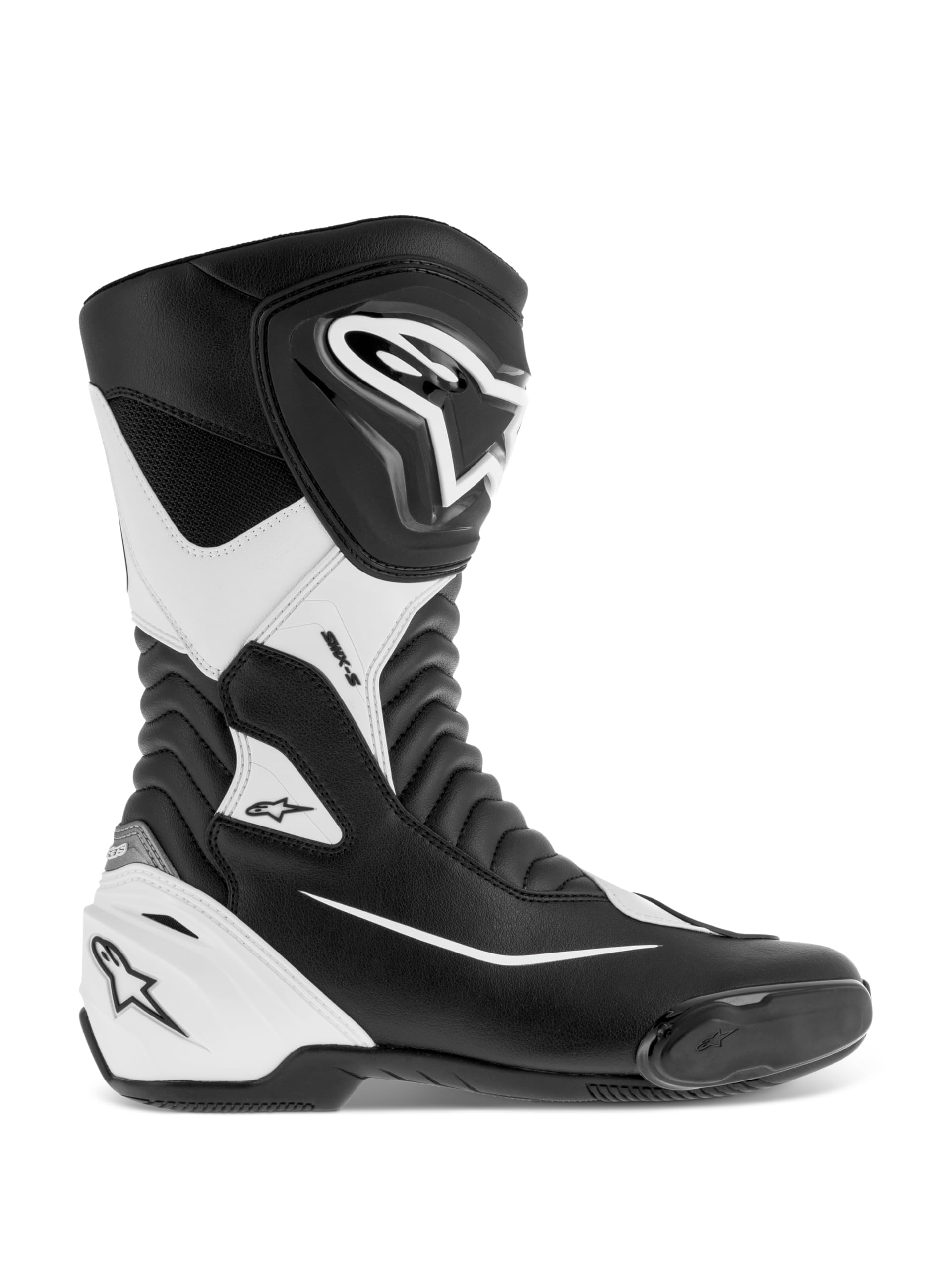
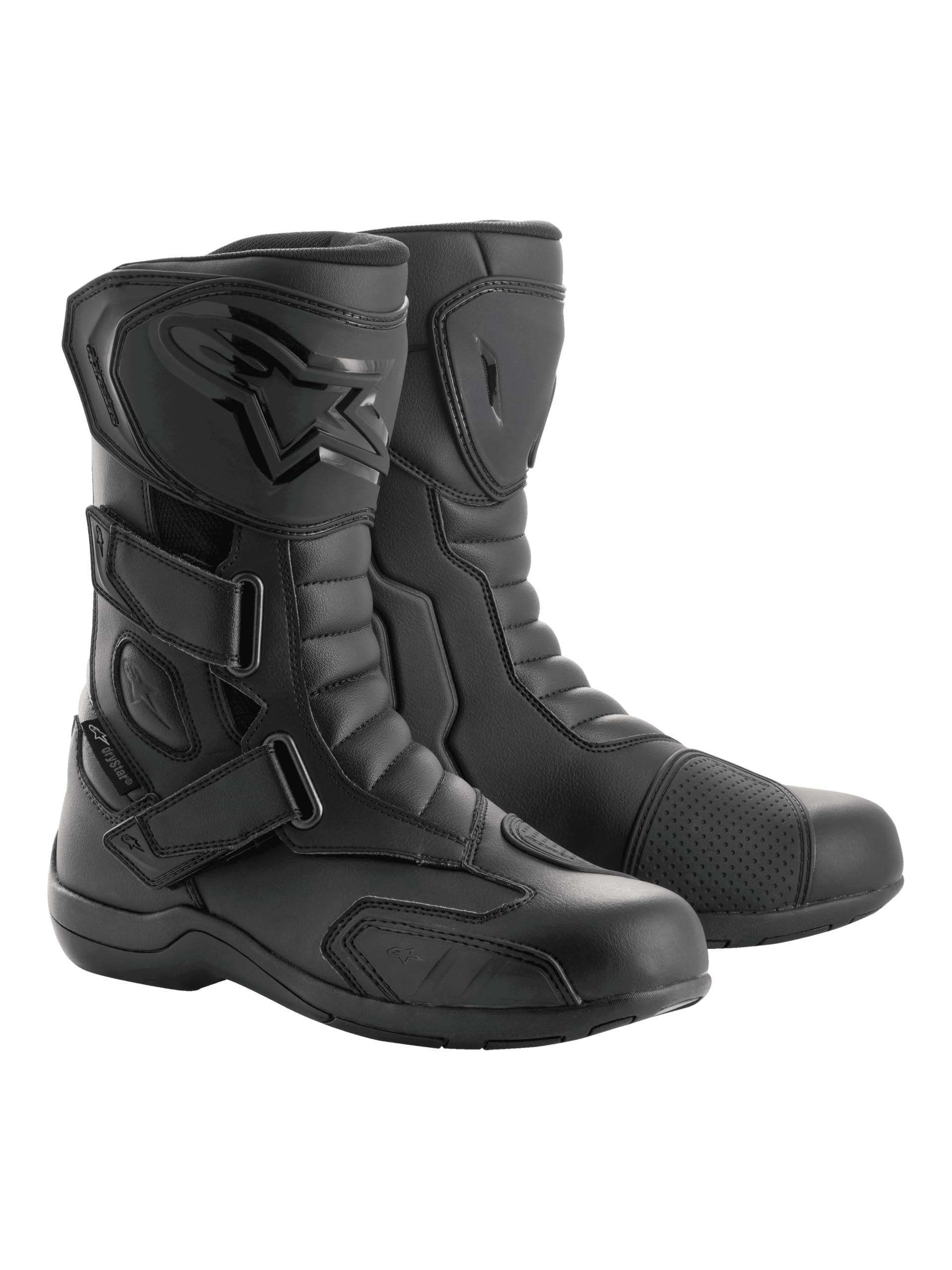
Tall protective boots use a stiff sole, a high shaft and reinforced panels around the toe, heel and ankle. They suit technical trails where rocks kick up and brush crowds the footwell. The trade is weight and stiffness, so long walks feel slow. Expect to pay about $150 to $350, and choose this type when protection matters more than easy walking.
Mid Height Trail Boots for Mixed Riding and Walking
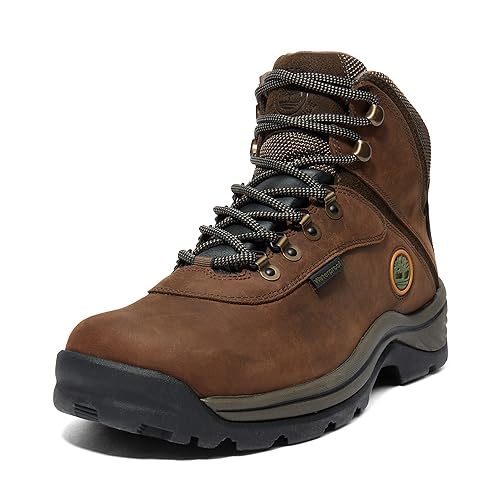
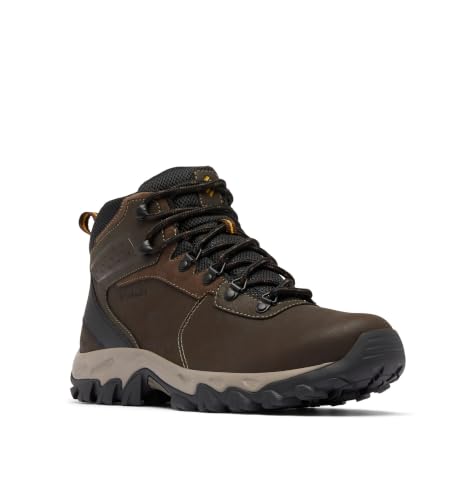
Mid height trail boots balance ankle support with a flexible sole you can hike, load and work in. They suit riders who drive to a trailhead or viewpoint and then walk a real distance. They cost about $90 to $200 and handle dry to damp ground well, though deep mud can top the shaft.
Waterproof Utility Boots for Mud and Work
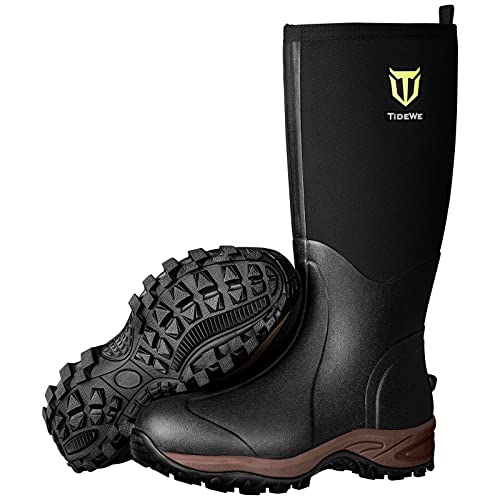
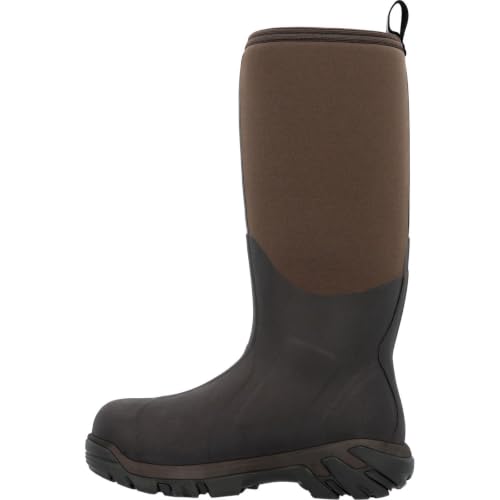
Waterproof utility boots use sealed uppers, easy cleaning and a sole made for slick yards. They suit farms, hunting camps and wet properties where dry feet and fast rinsing matter more than fine pedal feel. Prices run about $80 to $220, and the main limit is heat on long summer rides.
Lightweight Hiking Style Boots for Dry, Easy Trails
Lightweight hiking style boots feel like sturdy shoes with ankle coverage, breathable uppers and a walking sole. They suit smooth trails, camp use and riders who mostly stay in the vehicle on dry ground. Most cost about $70 to $160. Their limits show up in mud or rough country, because softer soles flex on sharp rock, low shafts admit grit and thin uppers guard poorly against hard knocks.
Common Mistakes to Avoid
- Buying tall stiff boots for a job that is mostly walking leaves you with sore calves and clumsy steps by midday.
- Choosing a smooth dress style sole for trail use lets your foot slide on a wet pedal and slip in mud.
- Sizing down to stop heel slip cramps your toes on long sits and makes cold feet worse in winter.
- Wearing low shoes in deep mud lets water and grit pour over the top and soak your socks all day.
- Ignoring calf width means a tall boot either squeezes your leg on bumps or flops and rubs your shin raw.
- Paying for heavy insulation for summer riding traps heat and sweat and makes the boot feel heavier each mile.
Care and Maintenance for UTV Riding Boots
Rinse mud off the uppers and soles after a wet ride, pull out the insoles and stuff the boots loosely with newspaper to draw moisture out. Dry them in moving air away from a heater or campfire, because direct heat cracks leather and warps synthetic panels and glues.
Condition leather when the surface looks dry and pale, and reproof uppers when water stops beading and starts soaking in at once. Check lug depth, cracked soles and loose stitching each month, and clean packed clay from the sole before it hardens into a slick layer. Store boots upright with the shafts open, not folded in a damp gear bag.
Frequently Asked Questions
What features matter most in boots for UTV riding on rocky trails?
On rocky trails, a stiff sole and a reinforced toe matter most in boots for UTV riding. A firm sole keeps sharp stones from bruising the ball of your foot when you step down to move a rock. Look also for a raised rubber strip around the front edge, because that strip takes scrapes that would otherwise cut the upper open.
How do I choose the right size for UTV riding boots?
Choose the right size for UTV riding boots by measuring both feet in the evening and fitting to the larger one. Stand and push your foot forward, then check you can fit one finger behind your heel before lacing. That test leaves room for swelling without letting the boot slide.
How often should I replace UTV riding boots?
Replace UTV riding boots when the sole, support or waterproofing fails, not on a fixed schedule. A boot that once felt firm but now folds easily at the ankle has lost the support you bought it for. Peeling soles, cracked uppers at the flex point and a heel cup you can crush by hand are clear end points.
Are waterproof UTV riding boots worth it for summer trails?
Waterproof UTV riding boots are worth it in summer only if your trails cross water or start with wet grass and mud. On dry dusty roads, a sealed membrane adds heat you do not need. A middle path is a water resistant leather boot with a taller shaft, which shrugs off morning dew and shallow splashes yet breathes better at midday.
Final Thoughts
Match the boot type to your ground first, then check protection, pedal grip and fit with your riding socks on. Tall protective boots suit rough and wet trails, mid height boots suit mixed days, and lighter styles suit dry, easy use. Use the product table above to compare height, weight and price once your type is clear.
When you choose best boots for utv riding by terrain and fit rather than by looks alone, you get a boot that drives steadily, walks comfortably and lasts through real mud and work.


