Best Boots for Standing on Concrete Floors in 2026: Spend Where It Counts
Disclosure: We may earn a commission when you buy through links on this page, at no extra cost to you. As an Amazon Associate I earn from qualifying purchases. Learn more

Cushioning, arch support, fit and daily care for the best boots for standing on concrete floors on long shifts.
Concrete gives almost nothing back to your feet, so small choices in cushioning and fit add up across a long shift. The best boots for standing on concrete floors spread pressure, support your arches and keep you steady without feeling soft or unstable. Prices vary widely, and this guide shows where extra money helps, starting with the comparison table below.
Think first about how you stand. A worker who stays in one spot needs different support from one who walks aisles all day. Your shift length and floor conditions will point you to the right tier.
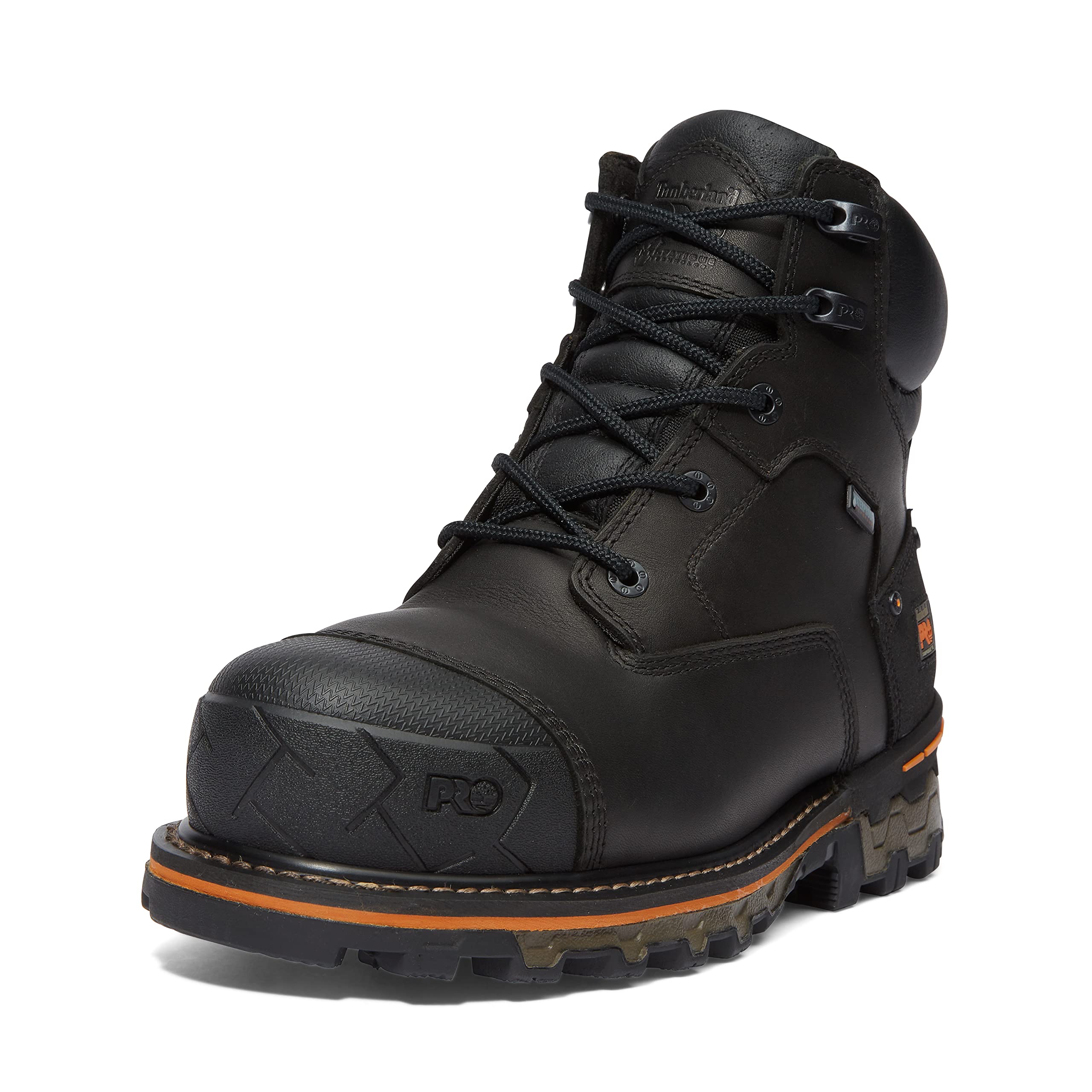


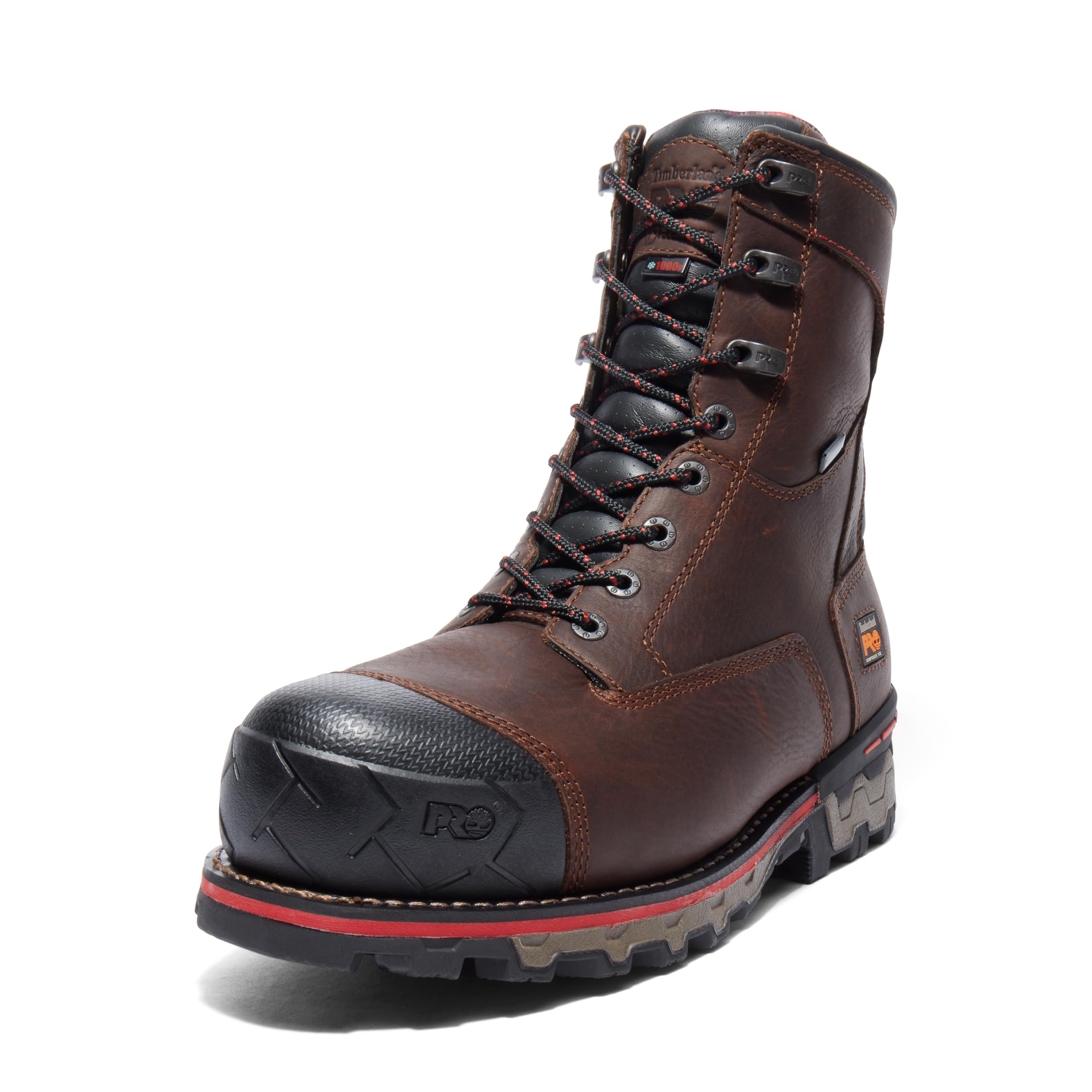
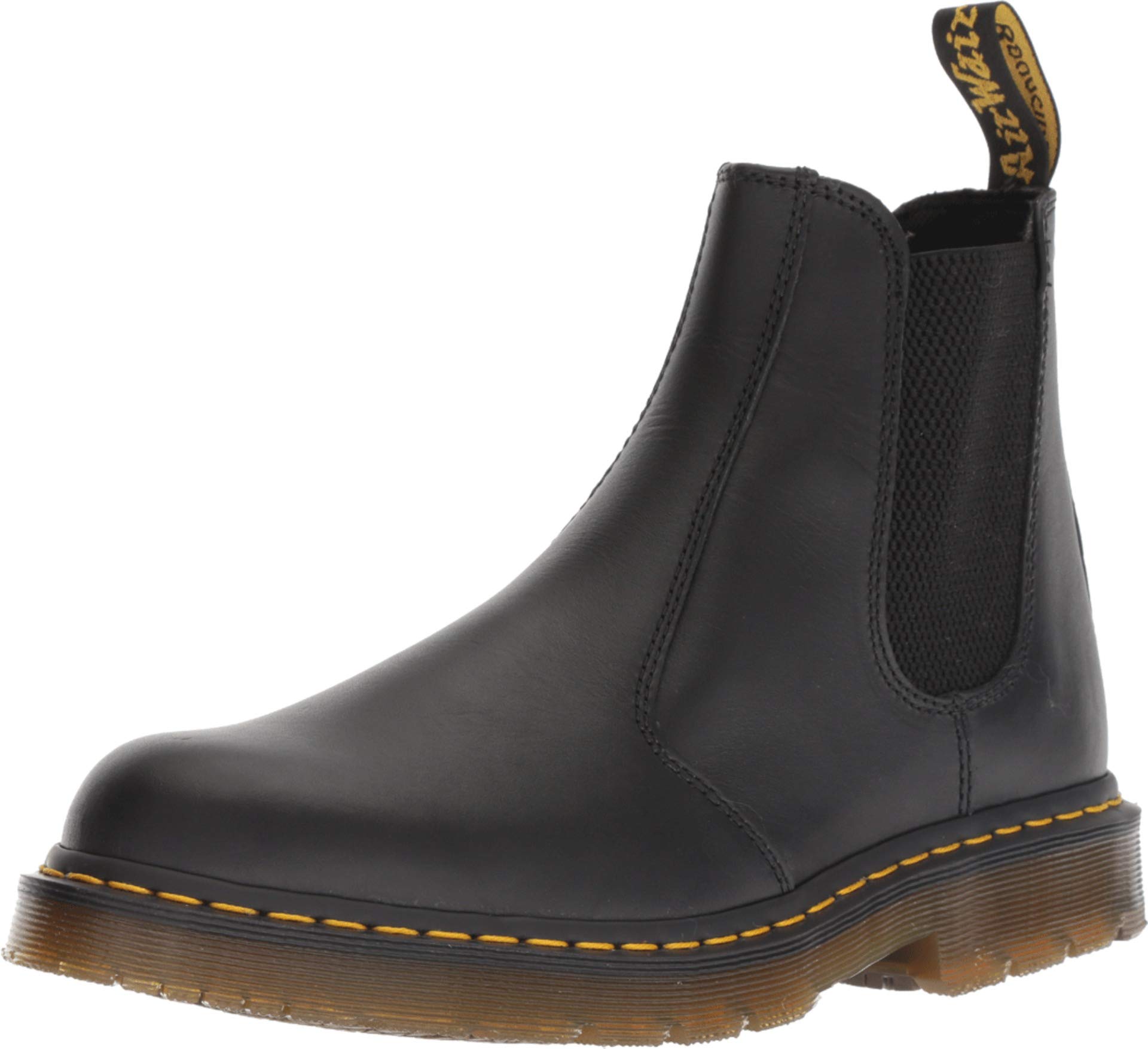
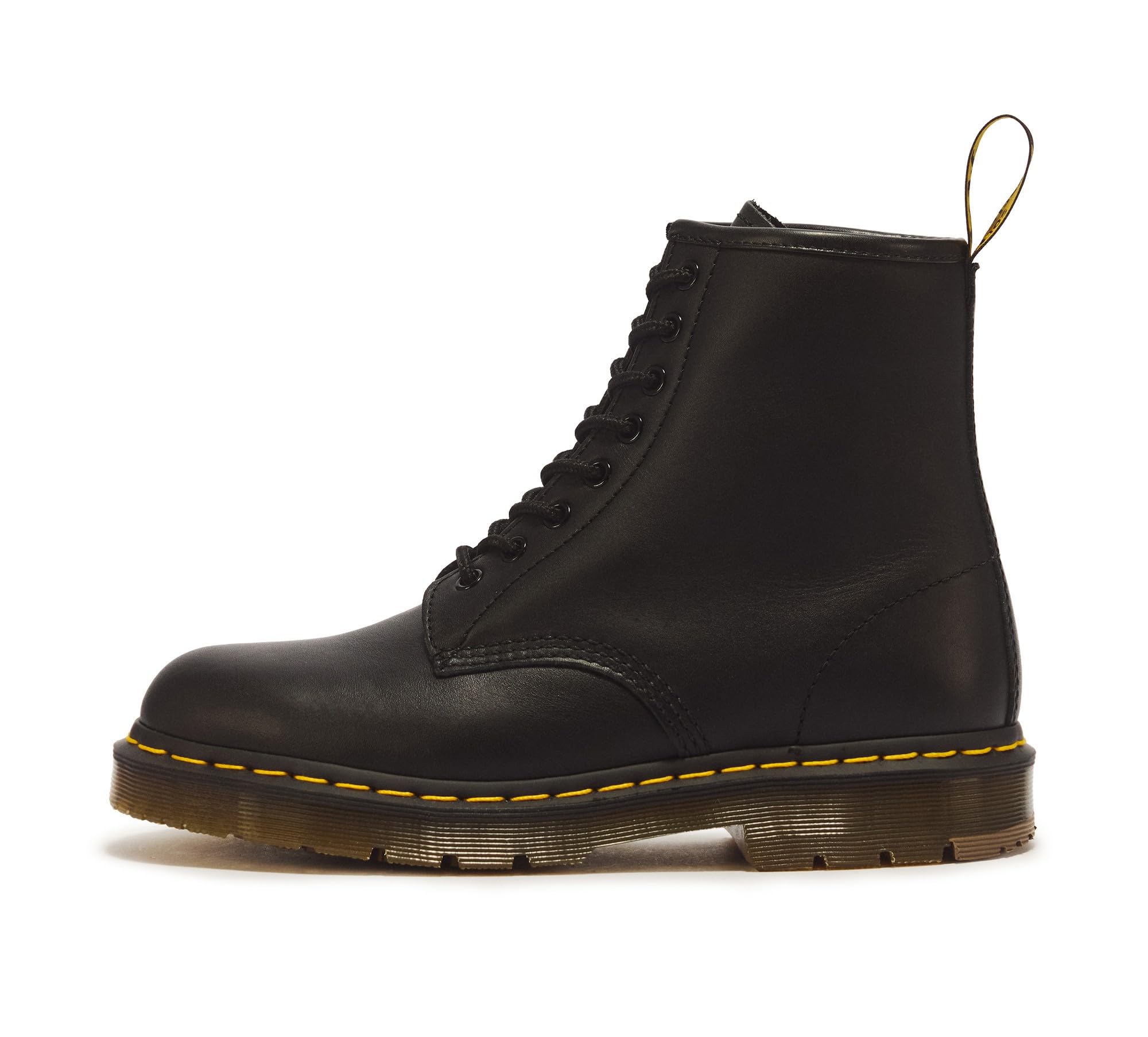


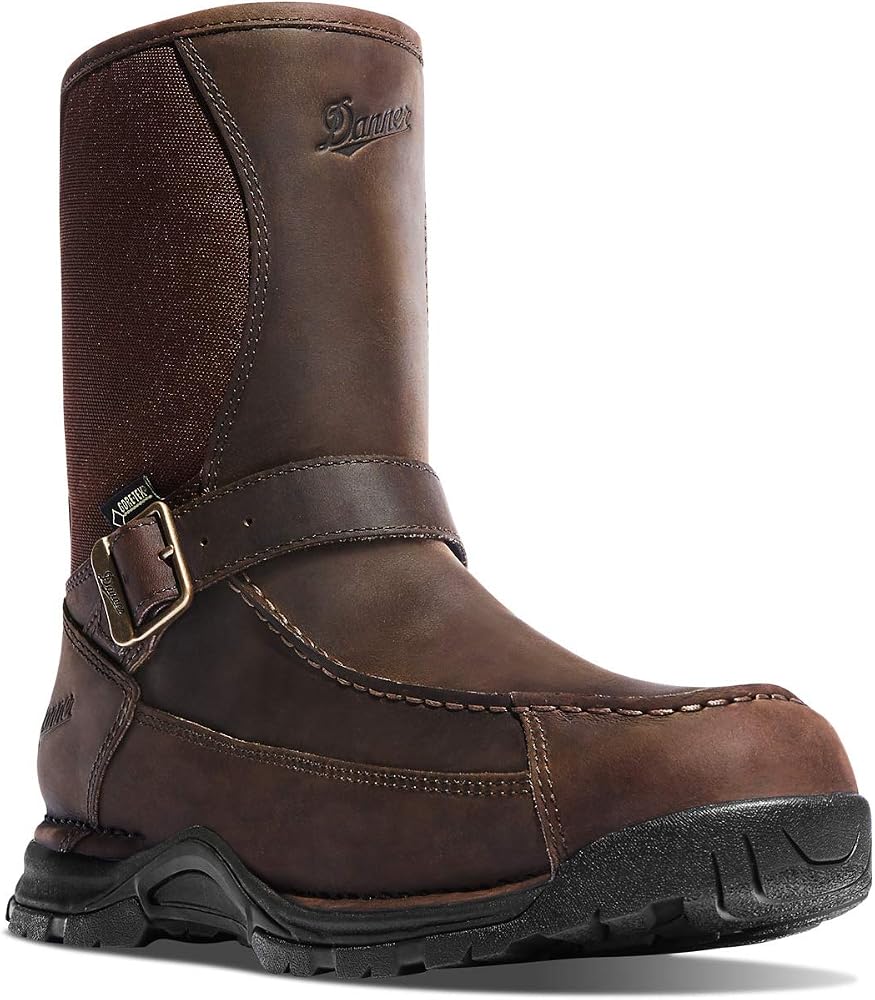
Who Should Buy Which Boots for Long Shifts on Concrete?
Warehouse and Delivery Workers Who Walk and Stand
You split your time between standing, walking and lifting, so you need cushioning that stays responsive rather than flat by midday. Choose a moderate heel to toe drop of about 8 to 12 mm, a stable base and an outsole with clear tread for dock plates and wet entryways. If your job requires protective toes, confirm the rating your employer asks for first.
Factory and Kitchen Workers Who Stand in One Spot
You load the same points of your feet for hours, so pressure spread matters more than speed. Look for a thick midsole, firm arch support and a wide, stable heel that does not wobble when you lean. Slip resistant tread matters where water, oil or food spills reach the floor. A roomy toe box lets toes spread as feet swell during the shift.
Retail, Security and Healthcare Staff on Their Feet All Day
You stand on hard floors in public view, often for about 8 to 12 hours. Choose a plain upper that meets your dress code, quiet tread and cushioning that does not feel spongy when you turn quickly. If you have ongoing foot pain, numbness, swelling that does not settle overnight or pain that changes how you walk, see a doctor or foot specialist, and talk with your clinician about personal support needs before relying on any boot alone.
Key Features to Compare
Compare these factors in order, because fit and support decide comfort long before color does. Your shortlist of the best boots for standing on concrete floors should pass each check.
Cushioning and Midsole Thickness
The midsole absorbs force between your foot and the concrete. Foam midsoles feel soft at first and suit lighter workers or shorter shifts, while denser foam holds its shape longer under heavier loads. Look for cushioning that feels even from heel to forefoot, with no hard spot under the ball of the foot. Very soft soles can feel unstable when you carry weight, so choose balanced cushioning if you lift.
Arch Support and Heel to Toe Drop
Arch support keeps the middle of your foot from taking every step alone. Flat feet often suit a firmer, shaped insole, while high arches often suit more cushion under the arch. Heel to toe drop is the height difference between heel and forefoot. A drop of about 8 to 12 mm suits many standing workers, while a much lower drop can strain calves if you are used to raised heels.
Outsole Grip and Stability
The outsole is the rubber layer that meets the floor, and its pattern decides grip on smooth concrete, dust and wet patches. Wide, flat lugs suit indoor floors, while deeper lugs suit mixed indoor and outdoor ground. Stability comes from a broad base, a firm heel counter and a sole that resists twisting by hand. Check width at the heel and forefoot, because a narrow base can feel unsafe.
Fit, Sizing and Toe Box Shape
Measure both feet late in the day, when they are at their largest, and size to the longer foot. You want about a thumb width of space in front of your longest toe, a heel that stays in place and no pressure across the widest part of the foot. Try boots with your work socks, and walk, stand and crouch before deciding.
Upper Materials, Breathability and Water Protection
Full leather uppers resist scuffs and hold their shape, but they can feel warm and need more break in time. Mesh and knit panels feel breathable and light indoors, yet they offer less protection from spills. A waterproof membrane such as Gore Tex suits wet yards, though it can trap heat in warm rooms. If you rarely meet water, a breathable upper will usually feel better.
Weight and Boot Height
A pair that weighs about 2 to 4 pounds suits most indoor jobs, while lighter builds help if you climb stairs often. Ankle height adds support on uneven ground and keeps debris out, but a tall shaft can rub calves and feel hot. A mid height boot is a sound middle choice for flat concrete.
Price Tiers for Boots Built for Concrete
Price should buy support that lasts and better materials, not decoration that adds weight.
Budget Tier: Basic Cushion for Shorter Shifts
Boots at about $60 to $100 usually give you a foam midsole, a simple insole and a synthetic or basic leather upper. They can work for part time shifts of about 4 to 6 hours or as a spare pair. Trade offs include faster foam packing and fewer width choices. If you stand full time, count the cost of a replacement insole.
Midrange Tier: Fuller Support for Full Shifts
Boots at about $100 to $180 are where most full shift workers get strong value. This tier more often brings denser midsoles, shaped insoles, better outsole rubber and wide sizes. Price does not fix a narrow toe box, so check fit carefully. For work focused options, see our guide to the best work boots for standing on concrete floors.
Premium Tier: Durable Builds for Heavy Daily Use
Boots at about $180 to $280 may add premium leather, replaceable insoles, stronger shanks and outsoles built for longer wear. The gain is durability and stable support over many months, not instant softness. This tier suits heavier workers and very long shifts. For a lower cut, see our guide to the best shoes for standing on concrete floors all day.
Common Mistakes to Avoid
- Buying boots in the morning when your feet are smallest leads to pinching and hot spots by the end of a shift.
- Choosing the softest sole you can find makes carrying loads feel unstable and can tire your ankles.
- Ignoring width and toe box shape causes numb toes even when the length seems right.
- Wearing a waterproof boot in a hot, dry room traps heat and leaves socks damp from sweat.
- Keeping worn flat insoles in a good boot removes the arch support you paid for.
- Judging comfort from a short walk around a store misses pressure that builds after hours of standing still.
Care and Maintenance for Boots Worn on Concrete
Rotate two pairs if you can, giving each pair a full day to dry and let the foam recover. Remove the insoles at night and loosen the laces so air reaches the inside. Brush dirt from the outsole tread, because packed grit reduces grip. Wipe leather with a damp cloth and let it dry away from direct heat.
Long term costs are mostly insoles, laces and eventual sole wear. Replacement insoles often cost about $20 to $50 and may need changing every 6 to 12 months with daily use. Watch for a midsole that feels flat or tread worn smooth at the heel. See our guide to the best boots for standing on concrete, and for all day standing, see our guide to the best boots for standing on concrete all day.
FAQ
What features matter most in boots for standing on concrete floors?
Fit, midsole support and outsole stability matter most in boots for standing on concrete floors. Start with a toe box that lets your toes spread, then check that the heel feels locked and the base feels broad. A useful home check is to stand on one foot for twenty seconds. If you wobble or feel the boot roll outward, the base may be too narrow for long standing.
Do I need waterproof boots for standing on concrete floors?
No, you only need waterproof boots for standing on concrete floors if water, slush or frequent washdowns reach your feet. Dry indoor floors reward breathability more. One point many buyers miss is drying time. A waterproof pair soaked inside from sweat can take longer to dry overnight, so keep dry socks at work in case the lining feels damp at midday.
How long is the break in period for boots for standing on concrete floors?
The break in period for boots for standing on concrete floors is usually a few short wears for mesh styles and about one to two weeks for stiff leather. Wear new boots for part of a shift first, with your normal work socks. If a spot rubs, check sock seams and lace tension before blaming the size. Broken skin means the fit or shape needs attention.
Can I wear boots for standing on concrete floors all day?
Yes, you can wear boots for standing on concrete floors all day if the fit stays comfortable and support still feels even late in the shift. Small habits help beyond the boot itself. Shift your weight, take short walking breaks when your job allows and use an anti fatigue mat at a fixed station if one is provided. Supportive sandals and recovery footwear at home can give tired feet a change after work.
How should boots for standing on concrete floors fit at the heel?
Boots for standing on concrete floors should hold the heel snugly with only slight movement when you walk. A loose heel lifts with each step and rubs, while overtight laces can cause pressure on top of the foot. Try a heel lock lacing pattern through the top eyelets if your heel slips but length and width feel right. That small change often fixes slip without sizing down.
Wrapping Up
Start with fit, then choose cushioning and arch support that match how long and how still you stand, and pick the price tier that fits your shift. Use the product table above to compare weight, height and support features. When you choose best boots for standing on concrete floors with those checks in mind, you spend on comfort that lasts.