
Best Boots for Treestand Hunting in 2026: Which Type Is Right for You?
Disclosure: We may earn a commission when you buy through links on this page, at no extra cost to you. As an Amazon Associate I earn from qualifying purchases. Learn more

Compare rubber, insulated and lightweight boots for treestand hunting, with guidance on insulation, grip, fit with thick socks and quiet climbing.
Treestand hunting asks more of a boot than a normal walk in the woods. You climb in the dark, step onto a small metal platform, then sit almost still for hours while cold air pulls heat from your feet. The best boots for treestand hunting balance warmth for still sits with grip and quiet steps for the climb, and the comparison table below shows how the main types differ.
Start with your season and ground. Early season sits call for lighter, more breathable boots, while late season sits reward heavy insulation. Wet low ground points you toward tall rubber, and dry ridges reward a lace up boot with firm ankle support.
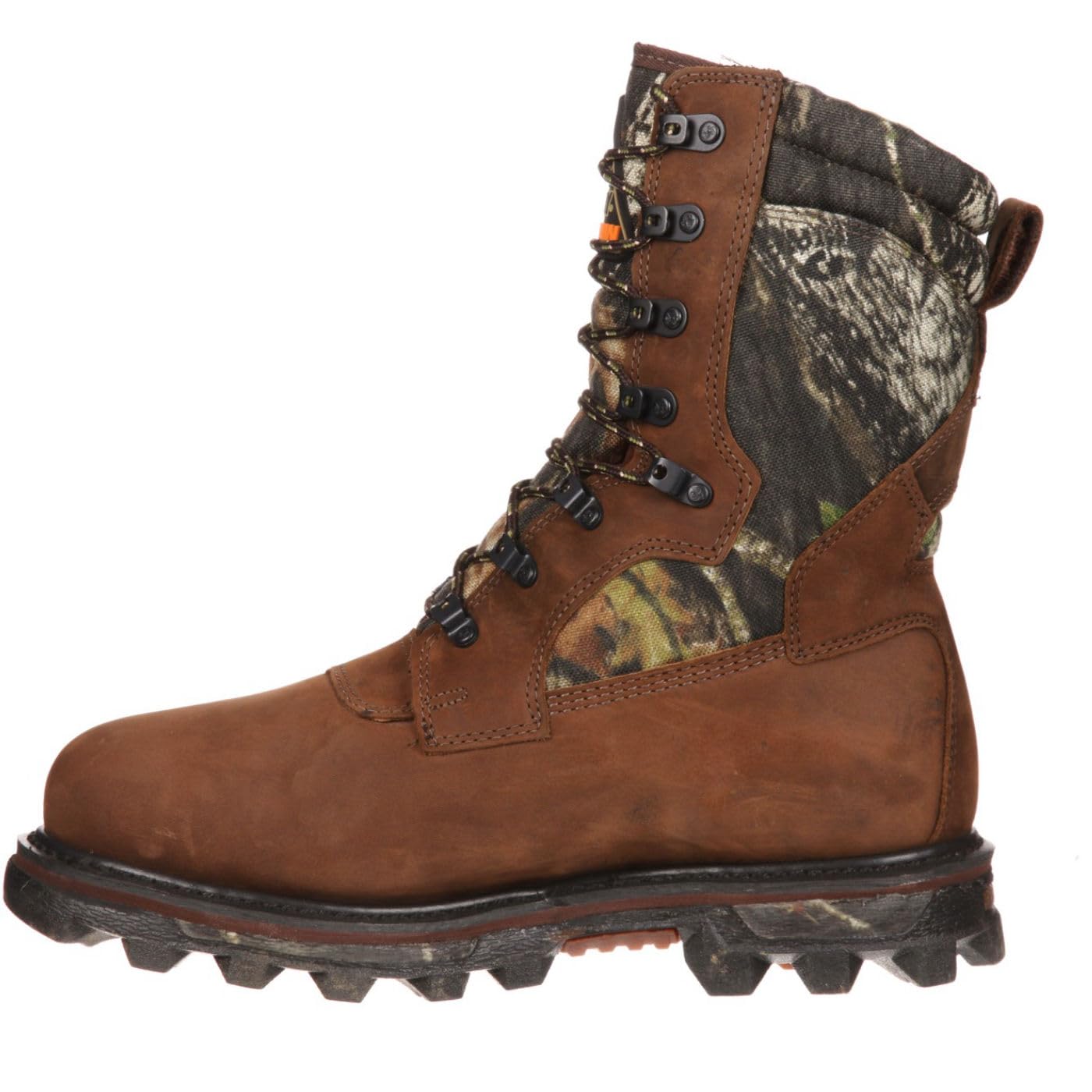
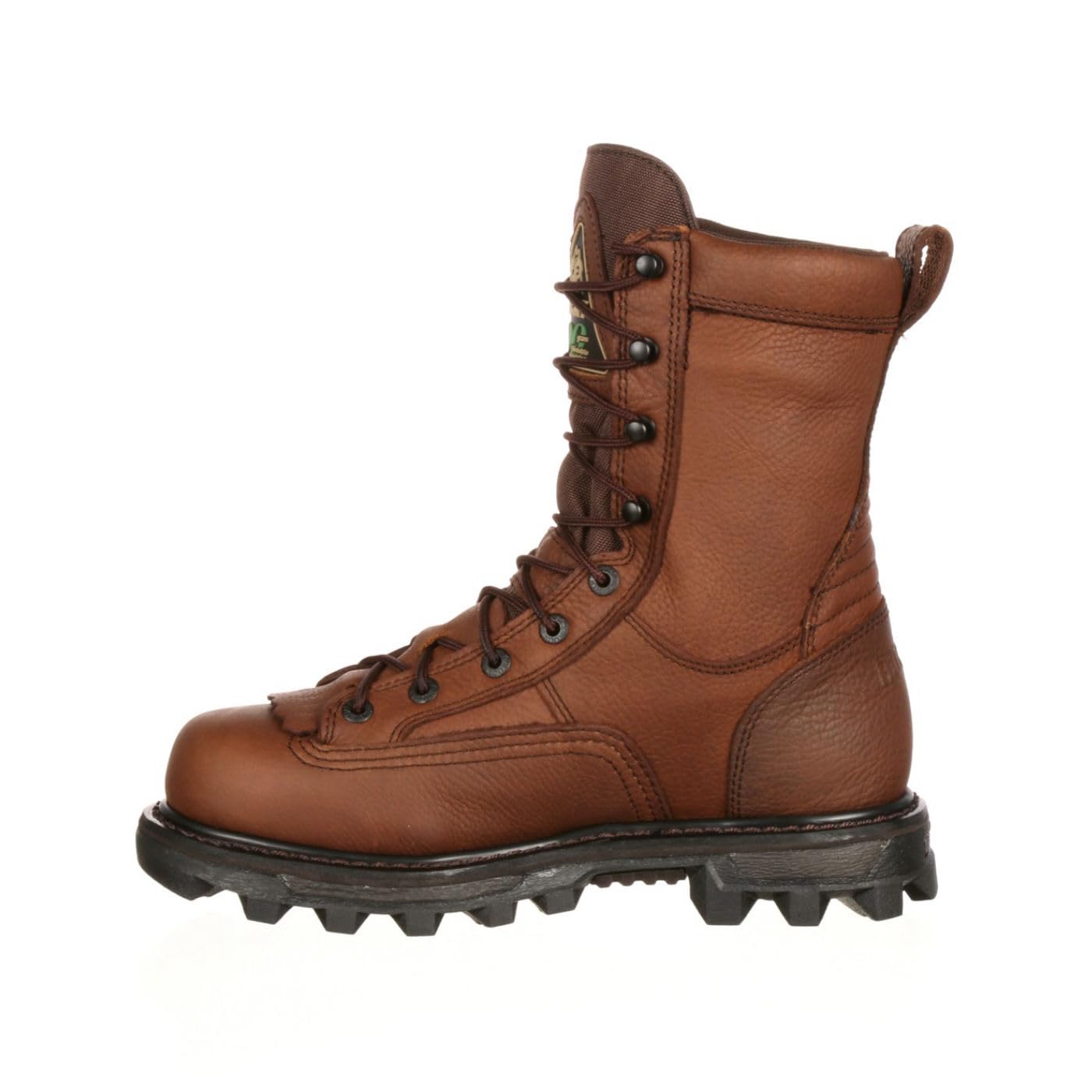

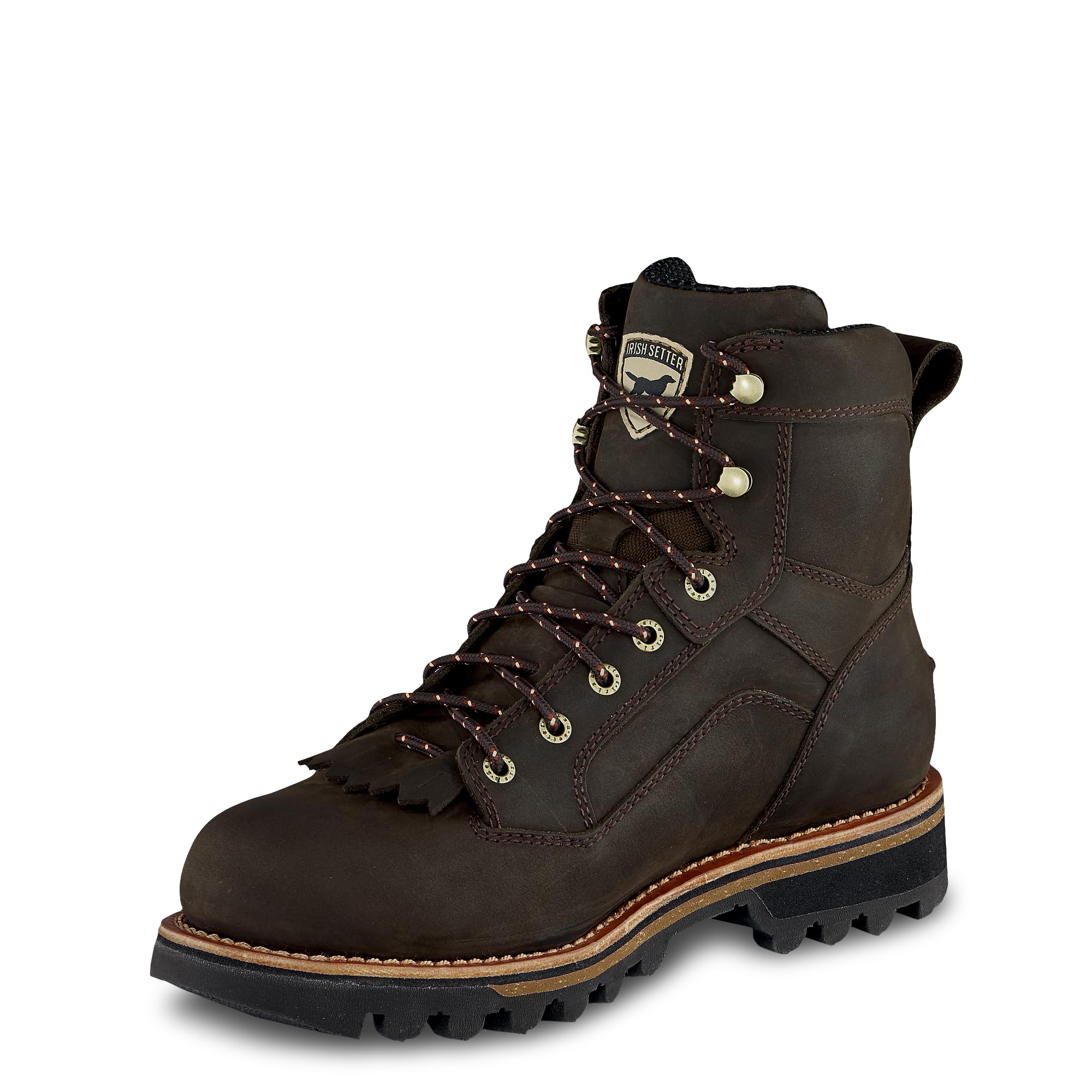
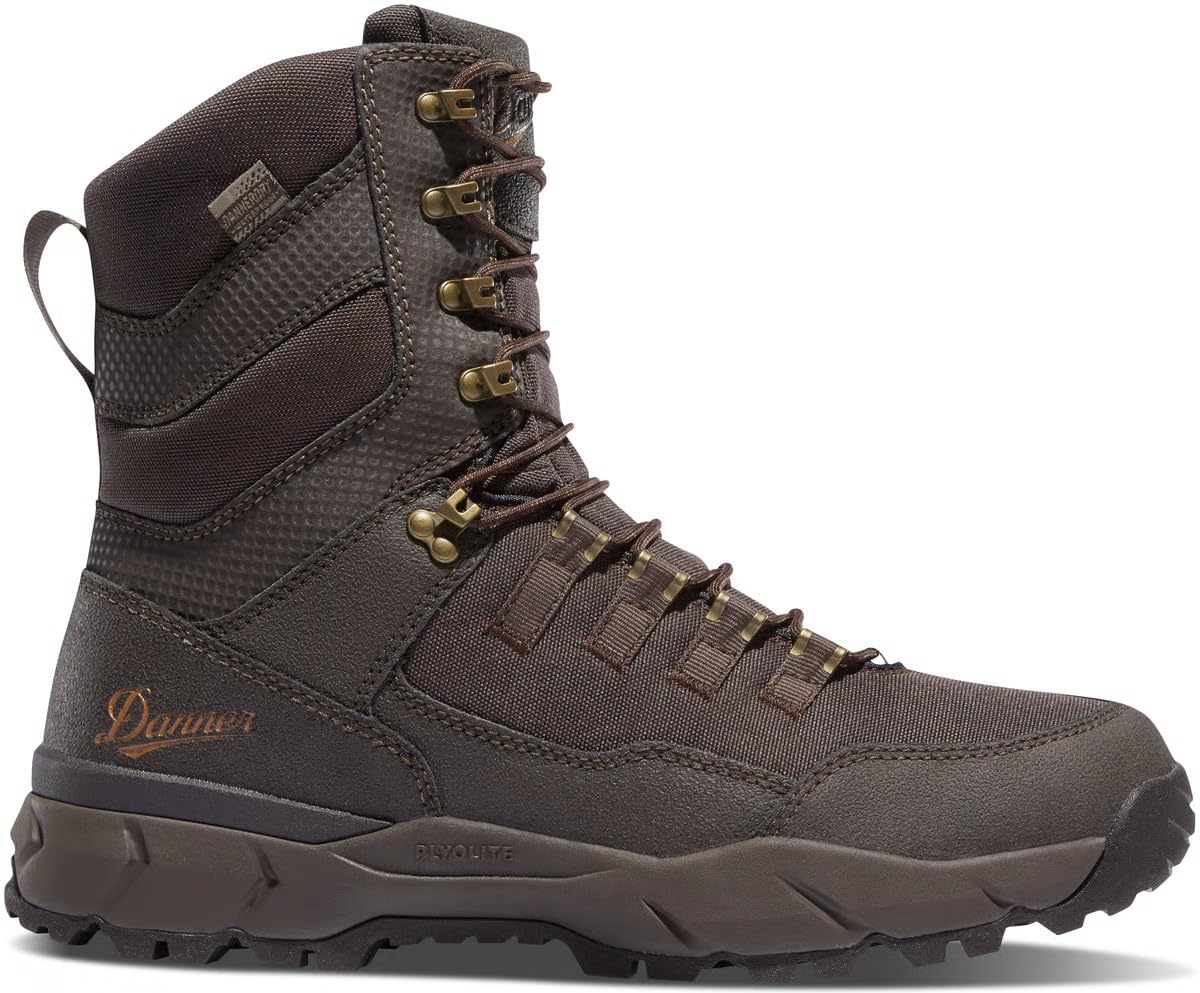
Who Should Buy Which Boots for Treestand Hunting?
Match the boot to the sit you repeat most often. Your walk distance, stand height and usual low temperature matter more than any single feature.
Early Season Hunters Who Walk Far in Mild Weather
You may walk a mile or more to the stand and sit through a warm afternoon. Choose a lightweight boot with little or no insulation, a breathable upper and a flexible sole you can feel rungs through. Heavy insulation will leave your feet sweaty on the walk in, and damp socks feel cold once you stop moving.
Late Season Hunters Who Sit Still in Freezing Wind
You sit for three or four hours with almost no movement, often on a metal platform that stays cold all morning. Choose the warmest insulation you can climb in safely, a roomy toe box for thick socks and a sole that still grips a frosty rung. For broader cold weather options, see our guide to the best hunting boots.
Hunters Who Cross Wet Low Ground to Reach the Stand
You cross creeks, mud or flooded timber before you climb, so dry feet matter as much as warmth. Choose a tall waterproof boot that seals out water up to mid calf or higher. Pick a tread that sheds mud rather than packing it, because packed mud turns the climb slick and noisy.
Types of Boots for Treestand Hunting Compared
Choosing the best boots for treestand hunting starts with type, because type decides scent control, support and warmth. Most pairs fall into one of three groups, priced from about $80 to $250. For a narrower look at stand use alone, see our guide to the best treestand boots.
Rubber Boots for Scent Control and Wet Ground
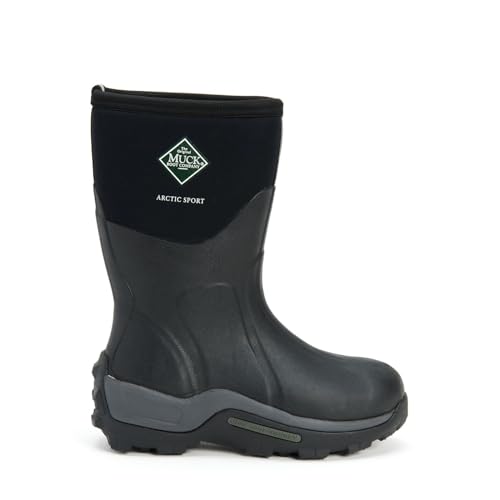
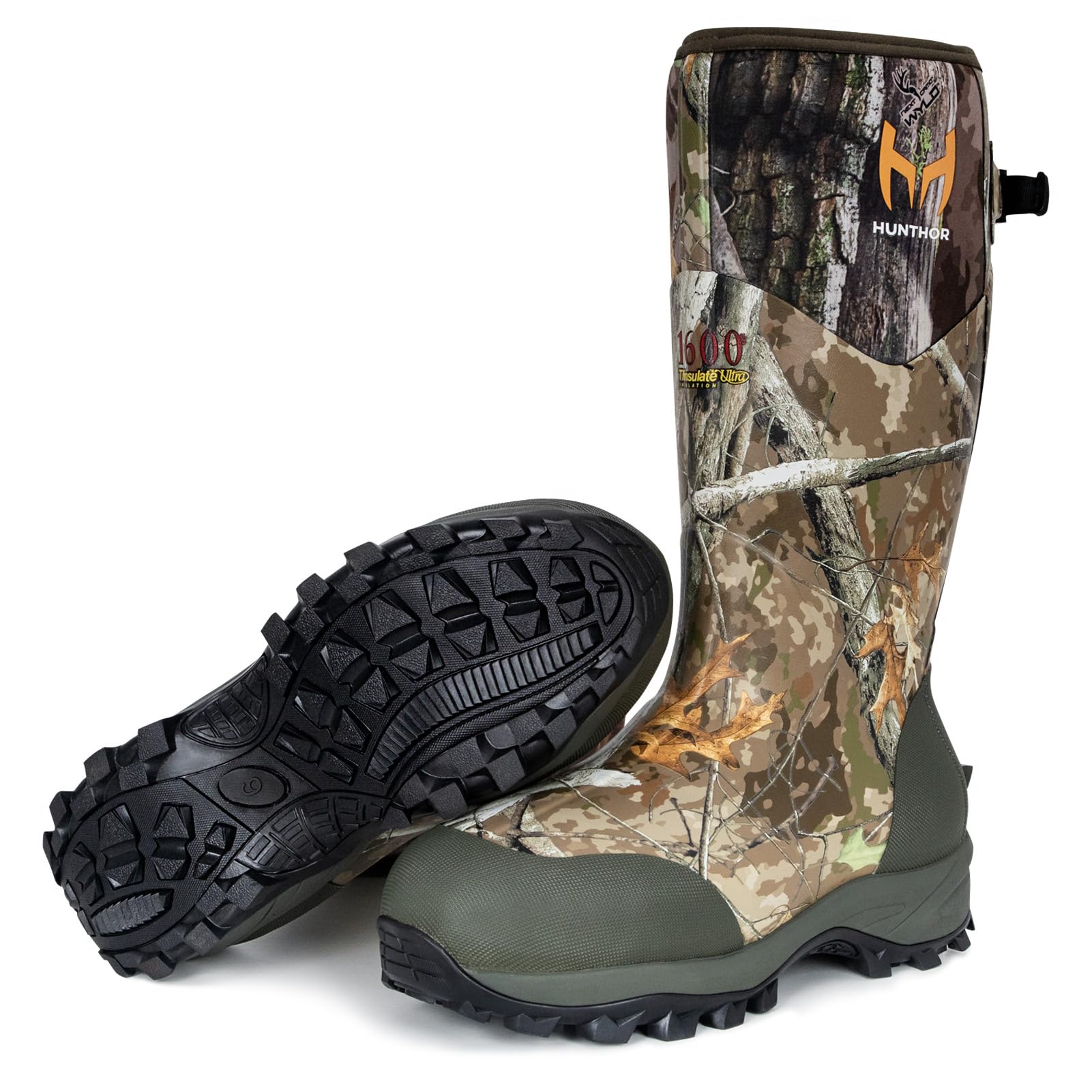
Rubber boots cover the foot and calf in a single waterproof shell, so they leave little scent on brush and ground along your entry route. Most run about 15 to 17 inches tall and suit wet fields, swamp edges and creek crossings. They offer less ankle support than a lace up boot, so take extra care on steep banks and ladder steps. See our guide to the best rubber hunting boots if wet ground is your main problem.
Lace Up Insulated Boots for Support and Climbing
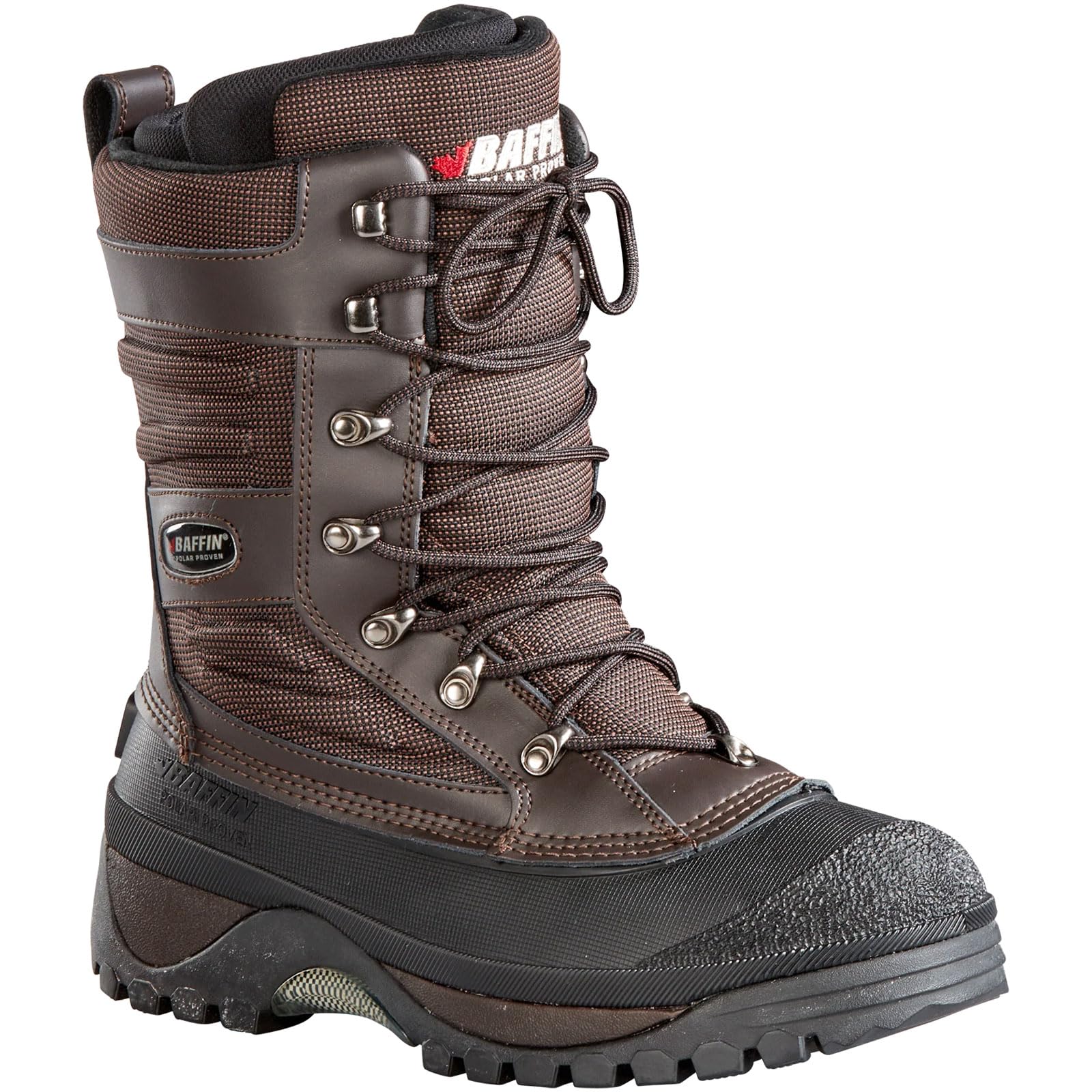
Lace up insulated boots use a leather or synthetic upper, a waterproof lining and laces you can adjust for the walk and the climb. The firmer ankle and shaped fit help on uneven ground and on narrow climbing sticks. Insulation levels vary widely, so this type covers the broadest range of seasons and varied ground.
Lightweight Boots for Early Season Mobility
Lightweight boots borrow the fit of a sturdy hiking boot, with a lower or mid height shaft and little added insulation. They walk quietly, dry faster after a dewy morning and feel less clumsy on small platform steps. Their limit is warmth, because thin walls lose heat fast once you sit still. Choose them for warm early season sits where frost is rare.
Key Features to Compare
Compare these factors in order, because a boot that fails on insulation or grip cannot be saved by a low price.
Insulation for Long Still Sits
Insulation is measured in grams, and it matters more in a stand than on a walking hunt because still feet make little heat of their own. About 200 to 400 grams suits mild weather and longer walks, while about 600 to 800 grams suits freezing morning sits. Boots with 1000 grams or more suit the coldest still sits but feel bulky on the climb. Match the rating to your coldest common sit, not your coldest possible sit.
Waterproofing and Moisture Control
A waterproof membrane such as Gore Tex blocks creek water and wet snow while letting some sweat vapor escape. Sealed seams and a gusseted tongue matter as much as the membrane, because water often enters at the lace area first. A moisture wicking lining pulls sweat away from your socks during the walk in. Breathable panels help on warmer days, because a fully sealed boot can still feel damp from trapped sweat.
Quiet Flexible Outsole and Platform Grip
The outsole should grip wet bark, metal rungs and the grated surface of a stand platform without making noise at each step. Softer rubber compounds grip better and sound quieter than hard, stiff lugs, but they wear faster on gravel. Moderate lug depth suits most stand approaches, while very deep lugs can catch on rungs. A modest heel to toe drop and a sole that flexes at the forefoot help you feel each rung before you trust it with your weight.
Shaft Height, Ankle Support and Arch Support
Shaft height controls both water protection and ankle stability on the climb. Boots about 8 to 10 inches tall support the ankle and keep out most brush and shallow water, while taller rubber shafts protect in deeper crossings. Inside, firm arch support reduces foot fatigue during the walk in and keeps your foot from sliding forward on downhill sections. If your ankles roll on rough ground, favor the taller, firmer lace up styles over soft slip on designs.
Fit, Toe Box and Room for Thick Socks
Try boots late in the day, when your feet are at their largest, and wear the thick socks you plan to hunt in. You need a thumb width of space in front of your longest toe and enough width in the toe box for your toes to spread without pressing the walls. A snug fit through the heel prevents lift on ladder rungs. For width options and sizing notes, see our guide to the best hunting boots for men.
Common Mistakes to Avoid
Most problems come from buying for the walk and forgetting the sit.
- Buying uninsulated boots for late season sits leaves your feet numb within the first hour on a cold platform.
- Wearing cotton socks traps sweat against your skin and makes even warm boots feel cold.
- Choosing a tight fit for a neat feel cuts circulation and leaves less room for warm air around your toes.
- Climbing in mud packed soles makes rungs and platform steps slick and noisy.
- Wearing new boots to the stand for the first time risks blisters and stiff, squeaky materials near game.
Care and Maintenance for Treestand Hunting Boots
Dry boots slowly at room temperature after every hunt, with the insoles removed and the shafts held open. Never place them beside a hot stove or vent, because direct heat can crack leather and warp rubber. Loose newspaper in the toe area helps pull out moisture.
Brush dried mud from the outsole and upper before storage, and rinse rubber boots with plain water when mud holds scent from other places. Treat leather uppers with a conditioner made for waterproof footwear when the surface looks dry. Store boots upright in a cool, dry place, and check laces, seams and sole bonds before the season opens.
FAQ
What features matter most in boots for treestand hunting during late season sits?
Insulation and a roomy fit matter most for late season sits. Still feet on a cold metal platform lose heat faster than walking feet on soil, so warmth built for motion often falls short in a stand. A useful extra check is wind exposure, because an open ridge stand strips heat faster than a sheltered creek bottom at the same temperature.
How should boots for treestand hunting fit when you stand on a small platform?
Boots for treestand hunting should feel secure at the heel with clear space at the toes. On a small platform you often shift weight or turn slowly, and toes jammed against the front wall ache within an hour. Test the fit by standing on a step and leaning slightly forward, which shows whether your toes slide into the end of the boot.
Are expensive boots for treestand hunting worth the cost?
Expensive boots for treestand hunting can be worth the cost if you hunt cold weather often. Higher prices usually buy better insulation placement, more durable waterproof membranes and soles that stay flexible in cold air. If you hunt only a few warm weekends each year, a mid priced lightweight pair will serve you better than a costly heavy pair you rarely wear.
Can I wear boots for treestand hunting for a full day sit?
Yes, you can wear boots for treestand hunting for a full day sit if the fit leaves room for circulation. Loosen the laces slightly once you are settled, because feet swell a little during long still periods. Wiggle your toes at regular intervals and stand carefully for short breaks when the stand design allows it, since small movements restore warmth better than tighter lacing.
Do I need waterproof boots for treestand hunting on dry ground?
You still benefit from waterproof boots for treestand hunting on most dry ground. Morning dew, frost that melts at midday and one shallow crossing can wet a non waterproof upper early in the sit. The exception is warm early season hunting on high, dry ground, where a breathable non waterproof boot may keep your feet drier from sweat alone.
Our Verdict
Decide by season first, then by ground, then by fit. Rubber suits wet, scent sensitive approaches, lace up insulated boots suit cold sits and rough climbs, and lightweight boots suit warm weather. Use the product table above to compare insulation, shaft height and price.
When those three points line up, the best boots for treestand hunting for you is the pair you can climb in quietly and forget about once you sit. Choose that pair, break it in on home walks, and save your attention for the woods.


