
Best Boots for Snowshoeing Women's: Warmth, Fit and Binding Guide for 2026
Disclosure: We may earn a commission when you buy through links on this page, at no extra cost to you. As an Amazon Associate I earn from qualifying purchases. Learn more

How to choose the best boots for snowshoeing women's trips by warmth, waterproofing, binding fit and traction.
Snowshoeing asks a lot from a pair of boots: they must stay warm while you stand still, shed snow at the cuff, and sit securely in a binding for hours. This guide to the best boots for snowshoeing women's trips explains what to look for in warmth, fit, and grip so you can pick a pair that suits your trail and your feet.
The product table below lists current options, and the sections that follow explain how to judge them. Read the parts that match your routes, whether that is a groomed loop near a lodge or a long day in fresh powder.

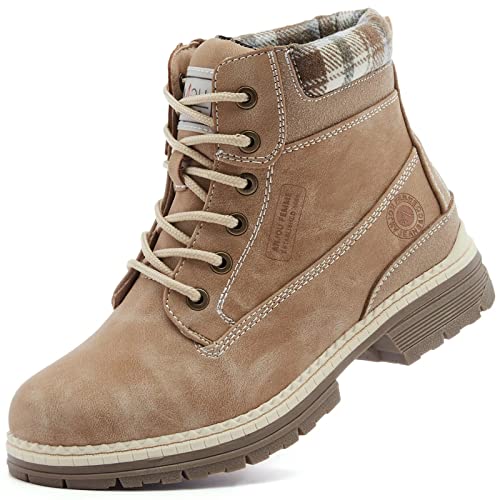

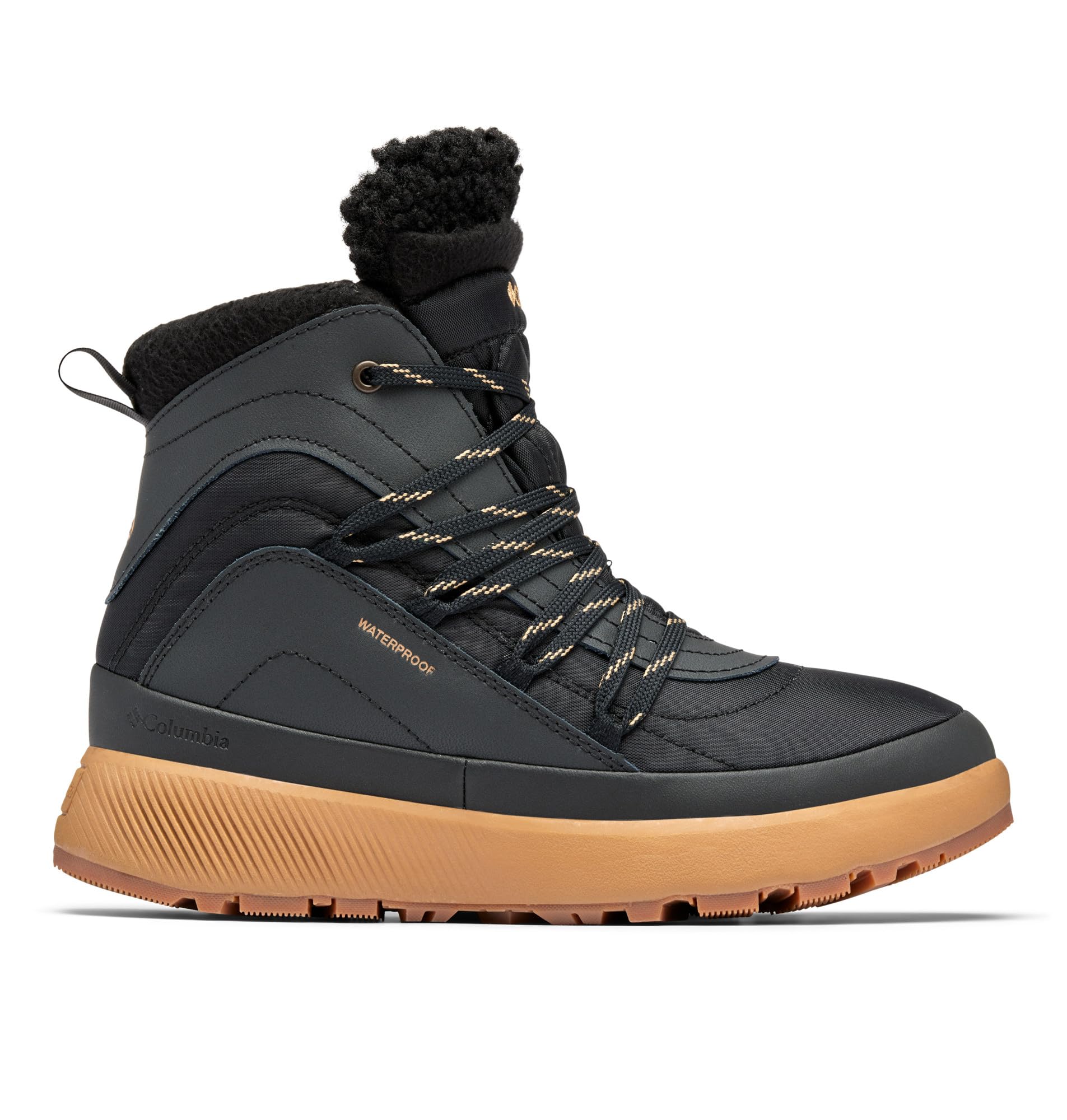


Who Should Buy Which Boots for Snowshoeing?
Your pace and your terrain matter more than any brand name. Start with the group below that sounds most like your winter weekends.
Easy Loops and Packed Trails
If you stay on groomed paths and park trails for a couple of hours, a mid height waterproof boot with moderate insulation is plenty. You generate heat as you walk, so a lighter fill keeps your feet from sweating. Look for a flexible sole that rolls through each step while you wear snowshoes.
Deep Powder and Long Days
Breaking trail through fresh snow means snow reaches the boot top with every step, and long stops let cold creep in. Choose a taller shaft, a gusseted tongue, and heavier insulation. A snug collar that works with gaiters helps keep snow out of the boot.
Hikers Who Add Snowshoes Only Sometimes
If you already own winter hiking boots, check whether they have a stiff enough toe to hold a binding strap. Many women use one pair for snowy hikes and snowshoe days, which keeps the budget down. A boot with a defined heel edge and cold weather rubber covers both jobs.
Key Features of the Best Boots for Snowshoeing Women's Trips
Work through these points in order, because binding fit and warmth decide the day long before style does.
Insulation and Warmth
Insulation is usually listed in grams, and common winter boots range from about 200 to 400 grams for active use. Standing for photos or lunch calls for more, while a brisk pace on a mild day calls for less. Match the fill to your slowest, coldest moments, since movement keeps you warm and stopping does not.
Wool or synthetic socks that wick moisture matter as much as the boot. A damp sock cools fast, so bring a spare pair and keep it dry in a pack.
Waterproofing and Snow Protection
Waterproof membranes keep wet snow and slush out while letting some vapor escape. Sealed seams and a gusseted tongue close the common leak points. Wet snow and stream edges call for full waterproofing, while dry powder in deep cold may only need a water resistant upper with gaiters.
Fit With Bindings and Thick Socks
The boot must sit flat and stay put in the snowshoe binding. A very rounded toe can shift under the strap, while a boot with a flatter, wider sole holds better. Check that the straps close without pinching your ankle or the top of your foot.
Try boots on late in the day with your winter socks. You want a thumb width of space ahead of your longest toe and a heel that stays seated on a downhill step. Women's boots usually offer a narrower heel and a lower calf, which reduces heel lift over long distances.
Traction and Sole Flex
Snowshoes carry most of the grip, but the boot still needs lugs for the walk from the car and for icy patches. Look for lugs about 4 to 6 mm deep with wide spacing, plus rubber that stays flexible in the cold. The sole should bend at the ball of the foot so your stride stays natural inside the binding.
Weight and Support
Every ounce on your foot is lifted again and again, and snowshoes already add weight. A lighter boot saves energy, but give up too much structure and your ankle tires on uneven snow. A collar above the ankle and a firm heel cup offer steady support without stiffness.
Boot Types Compared
Winter Hiking Boots
These boots balance warmth, waterproofing, and a flexible sole. They suit most snowshoe routes because they walk well on packed sections and hold a binding firmly. Expect a mid height shaft and moderate insulation, which works best when you keep moving.
Insulated Snow Boots
Taller snow boots add more insulation and a higher shaft, which suits deep snow, cold mornings, and long stops. They are warmer but heavier, and the extra bulk can feel clumsy on rolling terrain. Choose this type for very cold days or slow, scenic outings.
Lightweight Waterproof Boots
Lighter waterproof boots feel closer to hiking shoes and suit mild days on packed snow. They give good freedom of movement but less warmth when you stand still. Pair them with gaiters and good socks if you like a nimble feel.
For a wider look at the category, see our guide to the best women's winter boots, our guide to the best women's snow boots for snowshoeing, and our guide to the best women's winter boots for snowshoeing. You can also compare the general best boots for snowshoeing before you narrow down to women's fits.
Common Mistakes to Avoid
- Buying heavy insulation for brisk outings makes your feet sweat, and damp socks then feel colder.
- Choosing a low cut boot for deep powder lets snow pour in over the top.
- Wearing cotton socks holds moisture against the skin and drains warmth.
- Fitting boots with thin socks leaves no room for winter socks and cramps your toes.
- Skipping a binding check means a boot that fits your foot may still slip in the strap.
- Storing wet boots in a closed bag lets the lining stay damp and break down early.
Care and Break In
Wear new boots around the house and on short walks before a long day. Hot spots show up early, and you can adjust lacing or socks while a return is still easy. Lace snugly at the ankle and leave the forefoot a little looser for circulation.
After each outing, brush off snow, pull out the insoles, and dry the boots at room temperature away from direct heat, since strong heat can crack leather and weaken glue. Wipe off road salt and renew water repellent finishes when water stops beading. Store boots upright in a dry place, and replace them when the lugs wear smooth or the waterproofing fails.
If your toes stay numb, turn pale, or hurt after you warm up, seek medical care and talk with your clinician about cold exposure.
Frequently Asked Questions
What features matter most in boots for snowshoeing for women?
Warmth matched to your pace, waterproofing, and a secure fit in the binding matter most. A women's last with a narrower heel helps prevent slipping on long climbs. After those, look at sole grip and weight.
Do I need waterproof boots for snowshoeing?
Waterproof boots are the safer choice because snow melts against a warm boot and wet snow soaks stitched uppers. In very cold, dry powder you can manage with a water resistant boot and gaiters. Waterproofing matters most on spring slush and near streams.
How should snowshoeing boots fit?
They should feel snug at the heel and midfoot, with clear room for your toes in winter socks. Walk down a slope in the store if you can, since your toes should not hit the front on a descent. Bring the socks you plan to wear.
How long is the break in period for snowshoeing boots?
Most insulated boots feel right after a few short walks, while stiff leather may take one to two weeks. Sharp pain or growing hot spots point to a fit problem, not a break in issue. Try a different size or width if rubbing does not ease.
Are expensive boots for snowshoeing worth it?
They are worth it when you snowshoe often, in deep cold, or on long routes, because warmth, durability, and weight all improve. For a few easy outings each winter, a mid priced pair does the job. Spend first on fit and socks, then on extras.
Wrapping Up
Start with the cold you expect and how often you stop, then check binding fit, waterproofing, and a women's last that holds your heel. Use the product table above to compare shaft height, warmth, and price. Choose the best boots for snowshoeing women's pair that you forget about once the trail opens up, and your winter days will be warmer and longer.


