
Best Boots to Keep Feet Dry: A Buyer Checklist for 2026
Disclosure: We may earn a commission when you buy through links on this page, at no extra cost to you. As an Amazon Associate I earn from qualifying purchases. Learn more

Find boots that keep feet dry with a buyer checklist on membranes, sealed seams, fit and traction, plus types compared for rain, mud and wet trails.
Wet socks can end a work shift or a hike faster than tired legs can, and most leaks start at predictable places like seams, tongues and low cuffs. Finding the best boots to keep feet dry is a checklist job, not a guessing game. This guide covers the criteria that actually block water and helps you match them to your weather using the comparison table below.
Dryness is a system rather than a single feature. A membrane only helps if its seams are sealed, the tongue keeps puddle water out, and your socks move sweat away from your skin. The sections below turn that system into checks you can run anywhere.


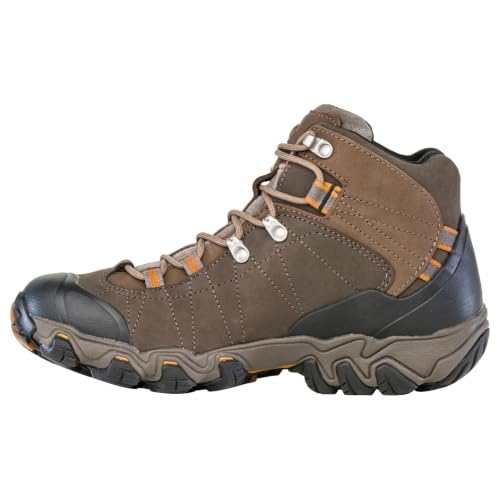


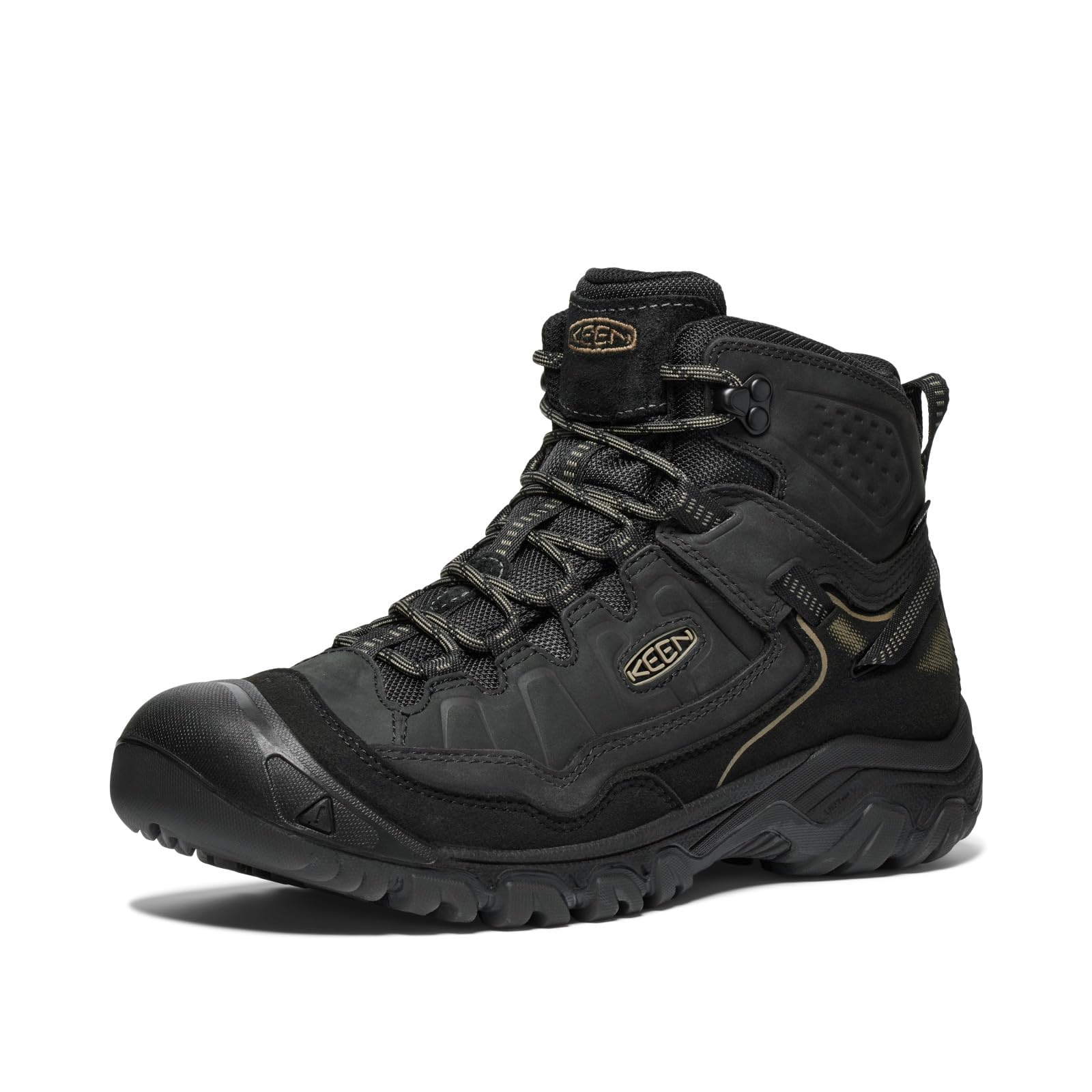

Who Should Buy Boots Built to Keep Feet Dry
Outdoor Workers Standing in Rain and Mud
If you work on farms, building sites, docks or delivery routes, your boots face hours of standing water rather than brief showers. You need a tall cuff, a sealed membrane and an outsole that sheds mud. Cushioning matters too, because you cannot change footwear mid shift.
Hikers and Hunters Crossing Wet Trails and Creeks
Trail users meet water everywhere: soaked grass, stream crossings, mud and rain running down their legs. A mid height or tall boot with a gusseted tongue and a grippy lug pattern suits this mix best. Weight matters more for you than for most buyers, since you lift each boot thousands of times.
Winter Commuters and Daily Dog Walkers
If your wet season is your cold season, dry feet and warm feet are the same problem, so see our guide to the best boots to keep feet warm and dry. For snow and slush, our guide to the best winter boots to keep feet warm and dry covers taller shafts and warmer linings. Even short daily trips soak ordinary shoes, so pick a pair you enjoy wearing.
Key Features to Compare
When you compare the best boots to keep feet dry, judge each model against these six checks. A boot that fails one check will leak no matter how well it scores on the other five.
Waterproof Membrane and Sealed Seams
The membrane is a thin layer inside the boot, often Gore Tex or a similar film, that blocks liquid water while letting vapor escape. It only works as a complete envelope, so check that seams are taped or sealed and that the membrane reaches the top of the cuff. Boots that only coat the outer fabric shed light spray but soak through in steady rain.
Cuff Height and Water Entry Points
Water enters from above more often than it soaks through the sides. A taller cuff, about 8 to 12 inches, keeps out puddle splash and wet grass, while ankle height boots suit city rain. Look for a gusseted tongue, a tongue joined to the upper on both sides, because an open tongue leaves a channel beside the laces.
Uppers That Block Rain Yet Let Vapor Out
Rubber and full grain leather block water and shrug off scrapes, but release heat slowly. Synthetic panels with a membrane behind them feel more breathable. Your climate decides the balance: hot wet weather calls for the most breathable build, while cold wet weather favors leather or rubber. Sweat is moisture too, so a boot that traps vapor feels damp from inside.
Sizing and Toe Space With Thick Wet Weather Socks
Measure both feet in the afternoon, when they are largest, and try boots on with your planned socks. Your toes need room to spread in the toe box, with about a thumb width ahead of the longest toe, because a cramped fit presses the lining and chills your feet. Your heel should stay planted with slight lift. Sizes vary by brand, so trust these checks over the box number.
Outsole Traction on Wet Surfaces
A waterproof boot is useless if it slides on wet rock or a slick dock. Look for an outsole with lugs about 4 to 6 mm deep, spaced to release mud. Softer rubber grips wet pavement and stone better, while harder rubber lasts longer on gravel and concrete. Channels that move water away from the sole, much like tire tread, help on smooth floors where thin water films cause slips.
Weight, Flexibility, Cushioning, and Stability
Heavy boots protect well but tire your legs, so match weight to distance: light pairs for short trips, stiffer pairs for loads and rough ground. A modest heel to toe drop of about 8 to 12 mm suits most walkers. Cushioning softens hard surfaces, while a firm midsole and a shank add stability on uneven wet ground. The boot should bend at the ball of the foot, not fold in the middle.
Types of Waterproof Boots Compared
Rubber Boots for Standing Water and Yard Work
One piece rubber boots have no seams below the ankle, so they are the most reliable choice for flooded yards, barns and boat decks, at about $40 to $90. Their weakness is sweat, since rubber releases almost no vapor, and arch support is minimal. Choose them when water depth is your main problem and distances are short.
Membrane Lined Hiking and Work Boots
These boots pair a breathable membrane with leather or synthetic uppers, giving you support, traction and comfort at about $100 to $250. They handle rain, mud and shallow crossings well for people who walk or stand for hours. If your winters are mild but wet, our guide to the best boots to keep feet warm explains light linings for milder cold. Their limit is deep water above the cuff.
Waterproof Leather Boots for Mixed Town and Trail Use
Full grain leather boots with sealed seams look tidy enough for town, grip well on wet paths and can be reproofed for years. They cost more up front and need conditioning, but a resoleable pair can outlast cheaper boots. Choose leather for one pair covering commuting, travel and weekend trails.
Quick Buyer Checklist and Red Flags to Watch For
Run through these questions first. Every yes points to a boot more likely to keep you dry.
- Does the boot name a membrane and state that its seams are sealed?
- Is the cuff tall enough for your deepest expected water?
- Is the tongue gusseted so puddle water cannot run in beside the laces?
- Did you measure your feet in the afternoon and leave toe box room?
- Do the lugs look deep and wide spaced enough for your terrain?
- Do you own wool or synthetic socks for sweat control?
Red flags include vague claims such as water friendly with no membrane named, glued soles with gaps, and prices far below similar boots with no warranty. Missing care guidance is a warning sign from a boot maker.
Common Mistakes to Avoid
- Buying ankle height boots for deep puddles, so water pours over the cuff within minutes.
- Wearing cotton socks that hold sweat, so feet feel wet even when the boot never leaks.
- Sizing from dress shoes, so thick winter socks crush your toes and chill your feet.
- Trusting a water resistant coating for all day rain, so the upper soaks through once it wears off.
- Drying boots on a radiator, so leather cracks and adhesives weaken.
- Ignoring a small seam leak, so moisture and grit damage the lining beyond simple repair.
Care and Maintenance for Boots That Keep Feet Dry
After a wet day, pull out the insoles, loosen the laces and stuff the boots with newspaper to draw out moisture. Air dry them in a ventilated room away from direct heat, and brush off dried mud so grit cannot grind at the seams. Rotating two pairs gives each pair time to dry fully.
Leather uppers need conditioner and reproofing whenever water stops beading on the surface, while synthetic and rubber uppers need mild soap and water. Check seam lines monthly and repair small separations with a flexible waterproof adhesive. Store boots upright in a dry place.
Frequently Asked Questions
Can I wear waterproof boots all day without my feet feeling damp?
Yes, you can wear waterproof boots all day, but plan for sweat as well as rain. The trick most guides skip is a midday sock change: a dry pair at lunch resets comfort on long shifts and stops the skin softening that leads to blisters. Loosening your boots on a break lets trapped vapor escape.
Are expensive waterproof boots worth it for keeping feet dry?
Higher prices are worth it when they buy better seam sealing, a replaceable sole and a longer waterproof warranty. A budget boot may stay dry for one season of light use, while a pricier leather pair can be resoled and reproofed for many seasons. Read the warranty, since leak coverage matters more than cosmetic coverage.
How should waterproof boots fit to keep feet dry?
Waterproof boots should fit snugly at the heel and midfoot with clear space at the toes. Add this store test: walk down an incline or steps and confirm your toes never jam into the front, because repeated impact bruises nails and stresses the lining. The upper should also crease without pinching, since tight creases crack coatings and open leak paths.
How long is the break in period for waterproof boots?
Most waterproof boots feel comfortable after about 10 to 20 hours of wear. Start with short walks on dry days, then add distance before your first long wet outing, so stiff spots show up early. Cover early hot spots with tape rather than pushing through, since a blister changes how you walk and wears the lining.
Do I need waterproof boots if I already own water resistant boots?
You need waterproof boots when rain lasts for hours, grass stays soaked or you step through puddles daily. Water resistant boots rely on a surface coating that sheds showers, but it fades with dirt and flexing, and their seams are rarely sealed. If your socks have come home damp, that pair has reached its limit and a membrane boot is the right upgrade.
Wrapping Up
Start with the membrane and seam sealing, then check cuff height against your deepest water, and finish with fit in your real socks. Rubber suits standing water, membrane lined boots suit long walking days, and leather suits town and trail use. Compare your shortlist against the product table above, and you will choose the best boots to keep feet dry with confidence.


