Best Boots for Slippery Surfaces by Budget: A Buyer's Guide for 2026
Disclosure: We may earn a commission when you buy through links on this page, at no extra cost to you. As an Amazon Associate I earn from qualifying purchases. Learn more

Compare the best boots for slippery surfaces by budget, with grip, outsole, fit and care checks that help you spend on traction, not extras.
A wet kitchen floor, a frosty dock, or rain slick stone can turn one careless step into a hard fall. The best boots for slippery surfaces earn their price through rubber that bites, channels that clear water, and a fit that keeps your foot steady. This guide shows where extra money truly improves grip and where it only buys extras, starting with the comparison table below.
Begin by naming the surface you cross most often, because tile, ice, mud, and greasy concrete punish different soles. Then match rubber, lug shape, support, and waterproofing to that surface, rather than paying for features built for ground you never walk on.

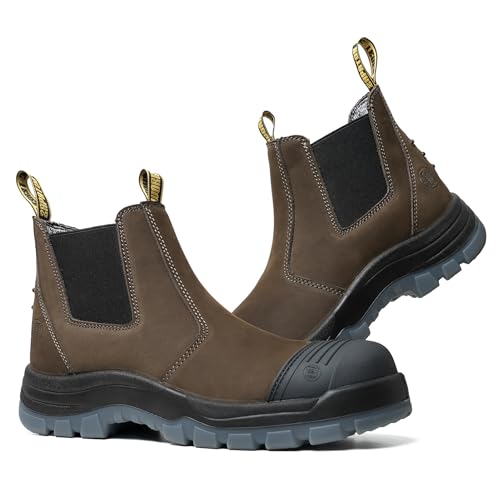
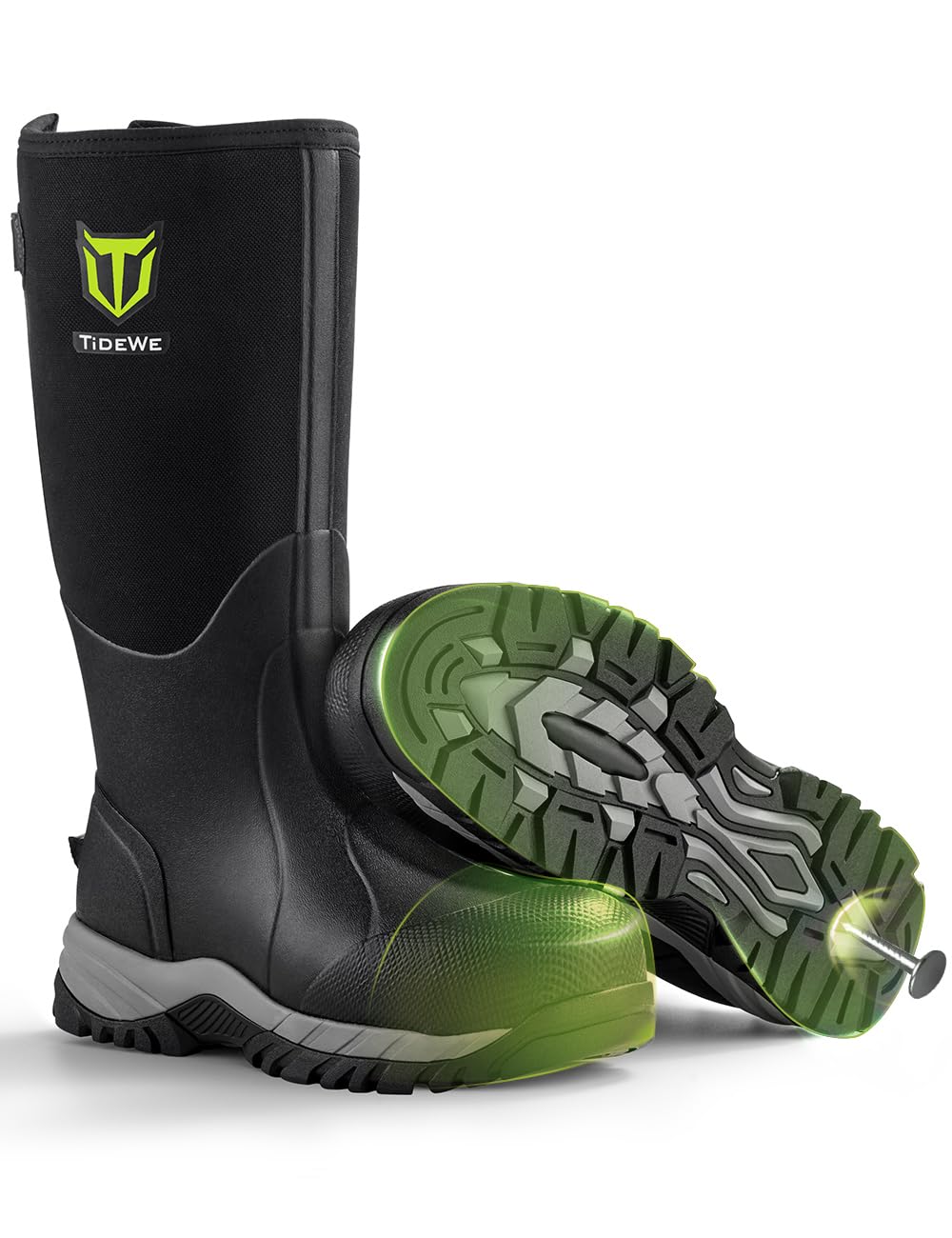


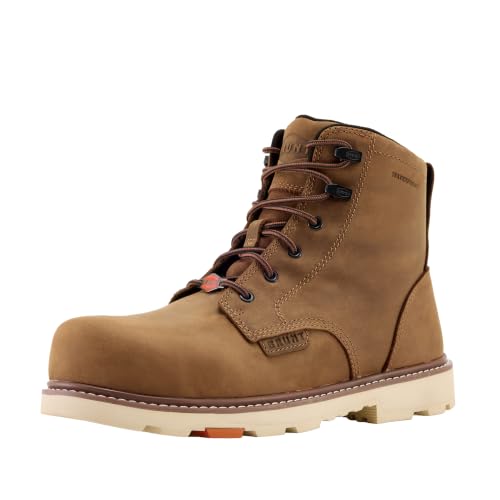
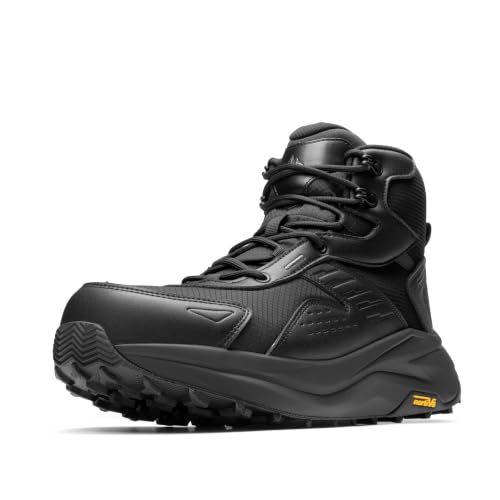

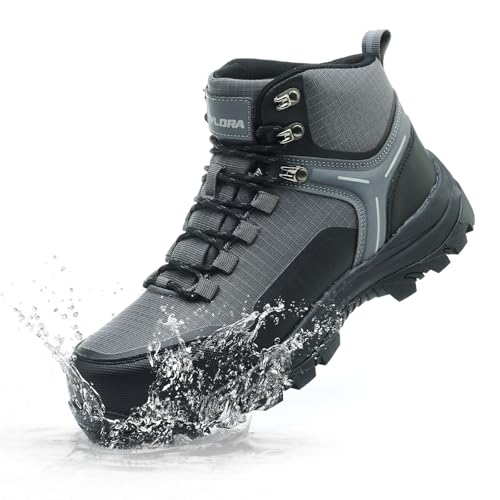
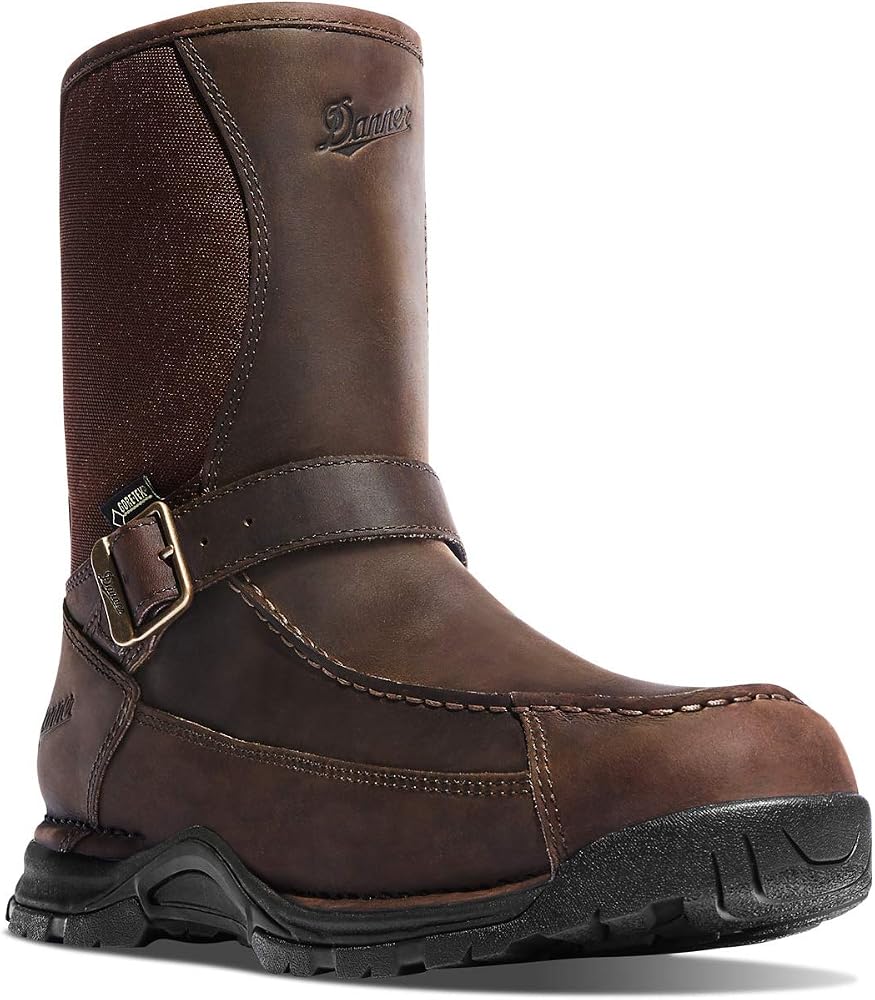
Who Should Buy Boots for Slippery Surfaces?
Your daily surface decides which sole, height, and support you need most.
Workers Who Walk Wet Floors All Shift
You cross tile, sealed concrete, and loading areas where water, soap, or food grease collects. Choose a boot with a broad, flat contact area, fine siping, and rubber rated for oily floors if your workplace requires it. A cushioned insole matters because you stand for hours, and a closed upper wipes clean.
Winter Walkers Who Cross Ice and Packed Snow
You walk driveways, bus stops, and untreated sidewalks where the danger is a hard, frozen layer rather than loose ground. Choose softer rubber that stays flexible in cold air, plus lugs with sharp edges that bite into packed snow. For compounds and spikes made only for frozen ground, see our guide to the best boots for slippery ice before you buy.
Outdoor Workers and Hikers on Wet Rock and Mud
You step on stream stones, wet roots, boat decks, and muddy job sites where the surface changes every few yards. Choose deeper lugs that shed mud, a wrapped rubber edge for angled rock, and ankle height that limits roll. If smooth stone is your main problem, see our guide to the best boots for slippery rocks for sole shapes built for that contact.
Key Features to Compare
Compare these factors in order, because grip comes first.
Outsole Rubber and Lug Pattern
The outsole is where grip is won or lost. Softer rubber conforms to tiny bumps on smooth, wet ground and holds better there, while harder rubber resists wear on rough concrete but can skate on polished floors. Lug depth of about 3 to 5 mm suits wet pavement, while about 5 to 8 mm suits mud that must be pushed aside. Wide spacing sheds debris, and small packed lugs give more contact on flat floors.
Channels and Siping That Clear Water
A flat sole on a wet floor can ride on a thin film of water, much like a tire losing contact with a road. Channels cut across the outsole give that water an escape path, and siping, the fine slits in each lug, opens small edges that grip as your weight lands. Look for channels that reach the edge of the sole rather than ending in the middle. On ice, siping alone is not enough, so winter models add biting edges or metal studs.
Fit and Toe Room for a Steady Stance
A boot that grips the floor still fails if your foot slides inside it, because that slide delays every correction step. Your heel should stay seated when you walk downhill, your toes should not press the front, and the toe box should let your forefoot spread for balance. Measure both feet in the afternoon, when they are largest, and try boots with the socks you will actually wear. If one foot is larger, fit that foot.
Cushioning, Stability, and Arch Support
Cushioning softens long hours on concrete, but very soft foam can feel wobbly on a wet edge, so many work boots pair a firm base with a softer top layer. Arch support should match your foot shape, since a flat foot often wants gentle stability while a high arch wants more padding under the midfoot. Heel to toe drop of about 8 to 12 mm suits most walkers, and shoppers used to neutral shoes often prefer the lower end of that range. If you fall and cannot bear weight, hit your head, or see rapid swelling, get medical care promptly, and talk with your clinician about personal needs.
Waterproofing, Breathability, and Gore Tex
Waterproof boots keep socks dry in puddles and wet grass, and membranes such as Gore Tex block outside water while letting some sweat vapor escape. That trade runs warm in summer, so breathable mesh suits dry indoor floors better. Sealed seams matter as much as the membrane, because a stitched seam can leak at ankle depth. Choose waterproofing for the wettest hour of your day.
Price Tiers and the Grip You Get at Each Level
Price alone does not rank the best boots for slippery surfaces, because a costly fashion boot can grip worse than a plain work boot. Use these tiers to see what extra money usually buys.
Entry Price Boots: Plain Rubber for Mild Wet Floors
Boots at about $60 to $100 usually give you basic rubber, shallow lugs, and simple foam insoles. That mix can be enough for rain wet pavement and short walks if you replace them once the tread smooths out. Expect fewer size options. This tier suits occasional use, as long as you do not ask it to handle ice or greasy floors.
Middle Price Boots: Softer Compounds and Deeper Grip
Boots at about $100 to $180 are where most buyers get real value. Rubber compounds get softer and more surface specific, channels run deeper, and fits come in more widths. Insoles offer arch support you can feel after a full shift. If you walk slippery ground several days a week, this tier balances grip, comfort, and lifespan well.
Higher Price Boots: Special Compounds and Stronger Build
Boots at about $180 to $300 add ice specific rubber, stronger leather or welded uppers, and soles that can sometimes be resoled. You may also get better ankle support and linings that manage sweat over long days. The extra money pays off for daily winter routes and rough job sites. It rarely pays off for a boot worn twice a month.
Ownership Costs Beyond the First Pair
The purchase price is only part of what a pair costs you. Replacement insoles run about $20 to $50, waterproof treatments cost a little each season, and a boot that wears smooth in one winter costs more per year than a pricier pair that lasts three. Check warranty terms for sole separation.
Common Mistakes to Avoid
These errors matter more on slippery ground than on dry pavement.
- Choosing deep hiking lugs for polished tile leaves little rubber on the floor, so the boot skates.
- Buying for dry weather looks ignores the wettest surface of your week, where a fall is most likely.
- Wearing a loose heel lets your foot slide inside the boot and delays every balance correction.
- Trusting a sound upper while the lugs have worn smooth leaves you with almost no grip.
- Using one sole for kitchen grease, ice, and mud asks it to do three jobs and usually fails at one.
Care and Maintenance for Boots Used on Slippery Surfaces
Brush mud and grit from the lugs after each wet outing, because packed dirt fills the channels that clear water. Wash soles with plain water and a stiff brush, then air dry the boots away from direct heat, since hot air can crack leather and harden rubber. Treat waterproof uppers again when water stops beading.
At home, grit tracked onto hard entry floors can cut grip for everyone who follows you, so clean soles before you step inside. Check forefoot lugs each month, and retire a pair once the edges round off.
Frequently Asked Questions
What features matter most in boots for slippery surfaces?
Rubber softness, lug shape, and water clearing channels matter most in boots for slippery surfaces. One point many shoppers miss is the test surface behind a claim, since a sole rated on wet steel may behave differently on ceramic tile. When a listing names a slip test standard, weigh that detail more than a general traction claim.
Can I wear boots for slippery surfaces all day?
Yes, you can wear boots for slippery surfaces all day if the fit and support match your feet. Break a new pair in over short walks first, because stiff soles and fresh heel counters often rub during the first week. Rotating two pairs also helps, since insoles recover shape overnight and linings get a day to dry.
How often should I replace boots for slippery surfaces?
Replace boots for slippery surfaces when the grip fades, which often happens after about 300 to 500 miles of regular walking. A simple home check is to run a thumb across the forefoot lugs and feel for rounded edges that no longer catch your skin. Boots on rough concrete may reach that point in under a year.
Do I need waterproof boots for slippery surfaces?
You need waterproof boots for slippery surfaces only if water reaches your feet, not merely because the floor is wet. Indoor kitchen and warehouse floors call for grip and easy cleaning far more than a membrane, and a waterproof layer there can trap sweat through a long shift. Outdoors, puddles, slush, and wet grass change the answer, because soaked socks chill feet.
How should boots for slippery surfaces fit on a slope?
Boots for slippery surfaces should fit with your heel locked and about a thumb width of space ahead of your longest toe. Test that space on a ramp or a sloped driveway, because feet slide forward on descents even when a flat store floor felt fine. If your toes touch the front on the slope, go up half a size rather than tightening the laces harder.
Final Thoughts
Start with your surface, then judge rubber, channels, and fit before you look at style or extras. Let your budget buy the tier that matches how often you face that surface, and replace the pair when the lugs smooth out. The product table above can help you compare heights, prices, and sole types.
Chosen that way, the best boots for slippery surfaces feel less like a gamble and more like steady footing you can count on every wet day.