Best Boots for Slippery Rocks in 2026: The Buyer Checklist
Disclosure: We may earn a commission when you buy through links on this page, at no extra cost to you. As an Amazon Associate I earn from qualifying purchases. Learn more

A checklist for the best boots for slippery rocks: sticky rubber, secure fit, drainage or waterproofing, and ankle support on wet stone.
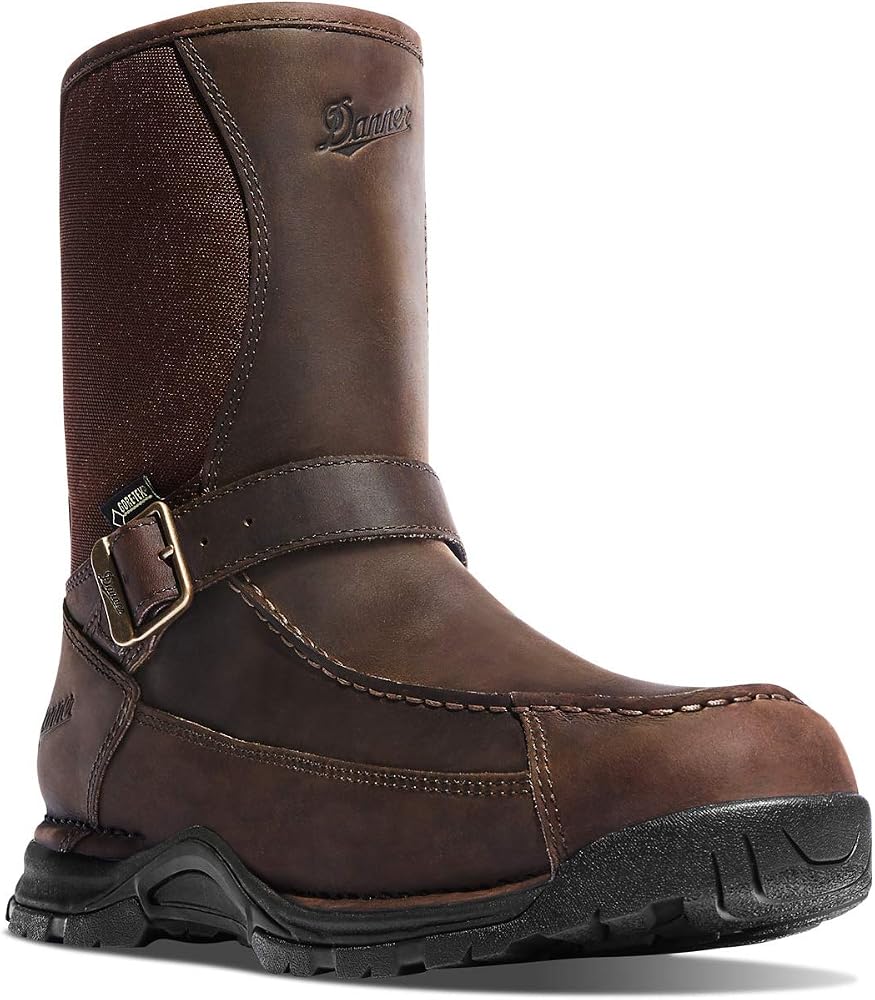
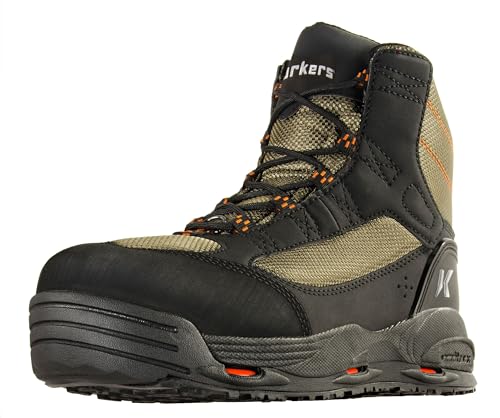
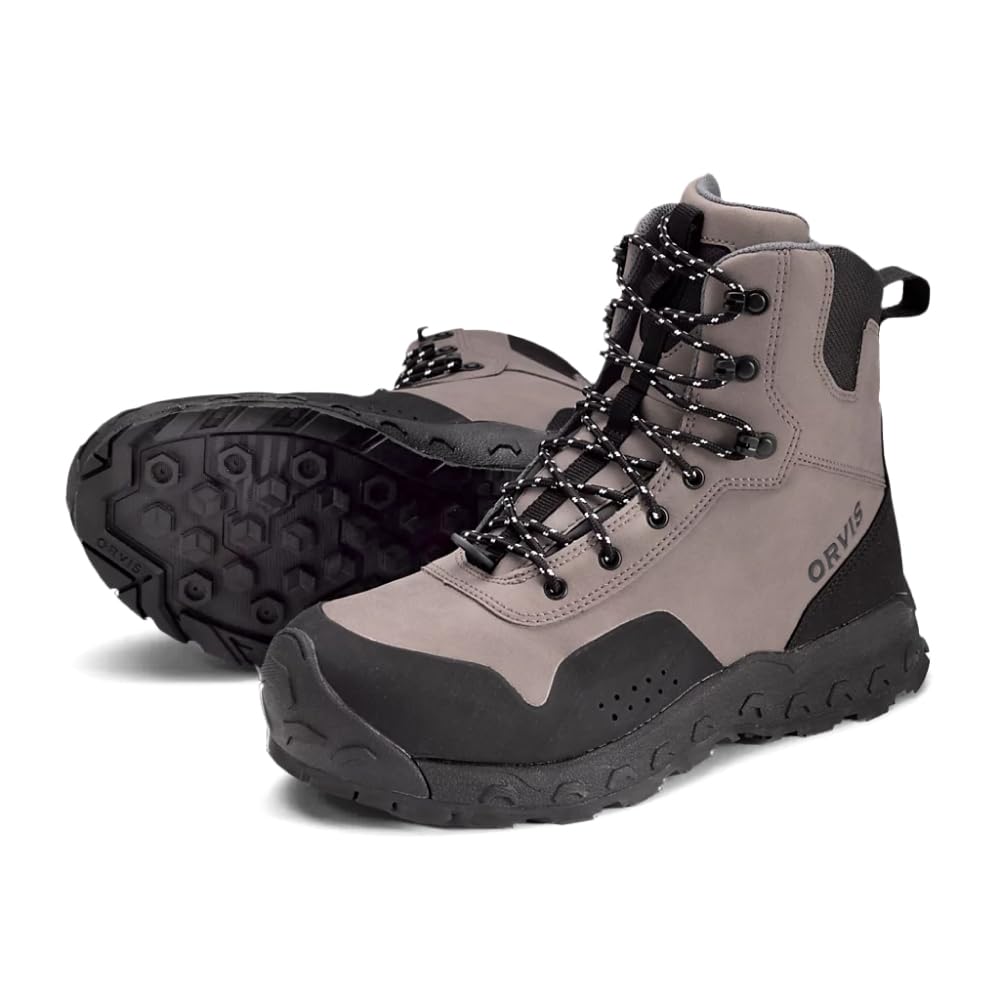
Wet rock punishes the wrong sole. A boot that feels secure on dry gravel can skate on smooth river stone and algae covered ledges. The best boots for slippery rocks grip because rubber compound, lug shape and fit work together. Use the comparison table below to check those points side by side.
This guide turns that checklist into pass or fail questions to use before you order. It covers who needs this boot, the features that change grip, the main types, and care that keeps an outsole biting.





Who Should Buy Boots Made for Slippery Rocks?
Buy for the wettest surface you meet often, not the driest trail you enjoy yearly.
Hikers Who Cross Wet Slabs and Stream Beds
You step from mud onto angled rock, then into shallow crossings where the stone is smooth and dark. You need a flexible sole that keeps a wide patch of rubber on the surface, plus uppers that drain or dry fast. For trail focused designs, see our guide to the best hiking boots for slippery rocks.
Anglers Who Wade Over River Stone
You stand for long periods on rounded cobble while current pushes at your legs, so stability matters as much as grip. A firm heel counter and secure lacing help you shift weight without your foot rolling inside the boot. For options built only for wading, see our guide to the best wading boots for slippery rocks.
Coastal Walkers, Tide Pool Explorers and Boat Crew
You move across algae, barnacle edges and wet decks where a slip means a hard fall. You need low, stable footing, a toe box that lets your feet spread, and materials that tolerate salt water. On warm days in shallow water, some walkers prefer open footwear, and our guide to the best sandals for slippery rocks explains that trade off.
Key Features to Compare
Work through these factors in order, because comfort cannot help a boot that will not hold on wet stone. That order shapes every choice of best boots for slippery rocks.
Outsole Rubber Compound and Lug Pattern for Wet Stone
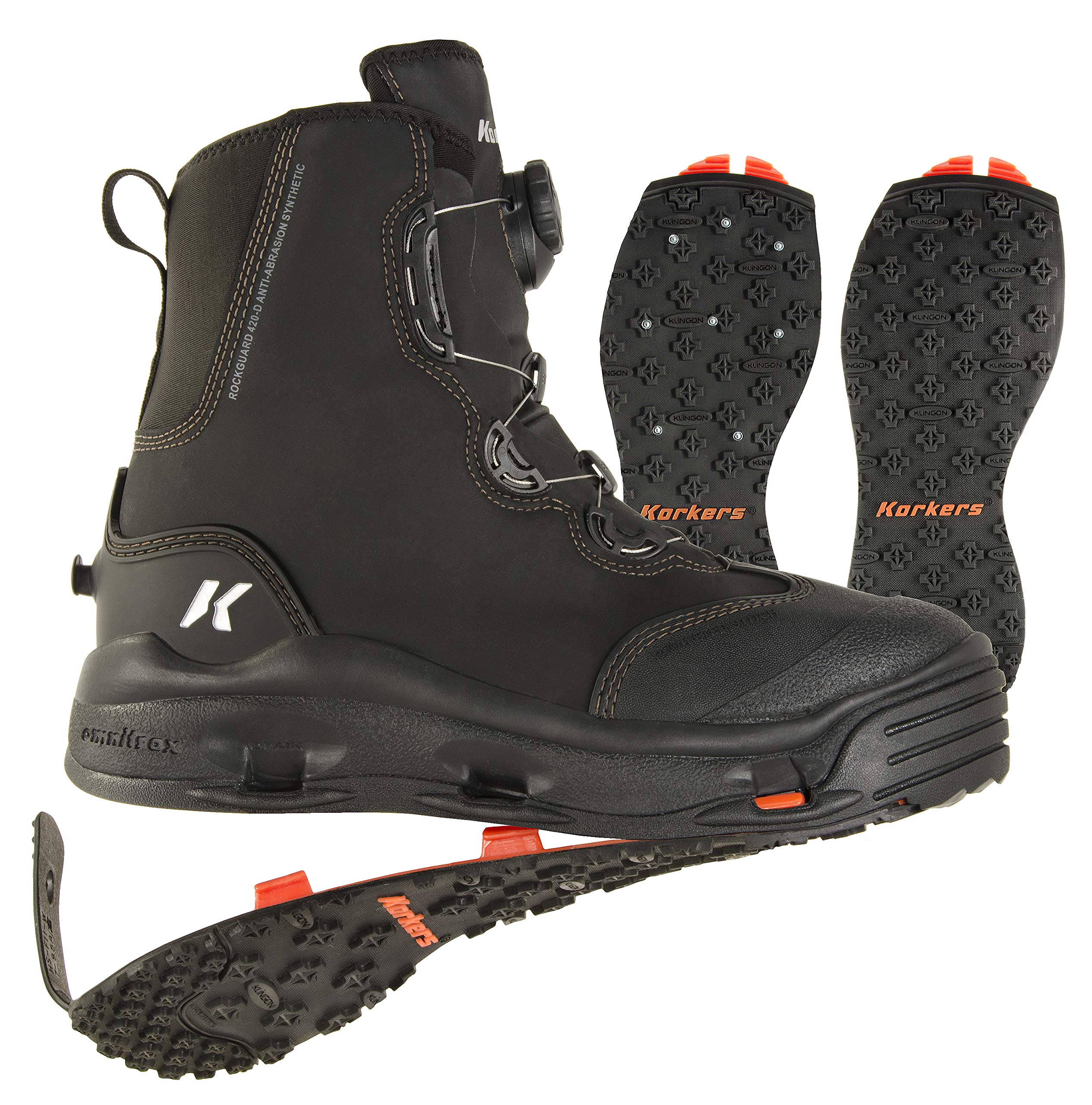
Soft, sticky rubber deforms slightly against smooth stone and holds better than hard rubber that skates across it. Look for shallow, closely spaced lugs with many edges, plus flat contact zones at the toe and heel for slabs. Deep mud lugs reduce the rubber touching wet rock. Thin slits called siping open tiny edges that help on slick, flat surfaces like wet ledges.
Fit, Sizing and Toe Box Room for Balance on Rock
Measure both feet late in the day, when they are at their largest, and try boots with the socks you will wear on wet ground. Your heel should stay seated when you step down, while your toes need room to spread for balance. A narrow toe box forces your foot to roll, and a loose heel lifts and blisters. Allow about a thumb width ahead of your longest toe.
Upper Materials, Drainage and Breathability
Mesh and synthetic uppers drain quickly after a crossing and dry fast, which suits warm weather and frequent water entry. Leather resists scrapes from sharp rock edges, but it absorbs water and dries slowly. Knit style uppers feel light yet often lack the structure to hold your foot steady on angled stone. If you enter water all day, drainage matters more than a sealed build.
Membranes and Drainage for Boots Used on Wet Stone
A Gore Tex or similar membrane keeps rain and shallow puddles out, which helps where water rarely tops the shaft. Once water flows over the collar, a waterproof boot holds that water inside and dries slowly, and breathability drops on warm climbs. Choose a membrane for cold rain. Choose a draining, non waterproof build for deep crossings where getting wet is certain.
Cushioning and Balance When Every Step Counts
Cushioning protects your joints on rocky descents, but a thick, soft midsole can dull your feel for the surface and let your foot tilt on edges. A moderate stack with a firm heel gives a steadier platform, and heel to toe drop of about 5 to 10 mm suits most walkers. If you have had repeated ankle sprains, ongoing swelling, numbness or pain that changes how you walk, talk with your clinician.
Shaft Height, Ankle Support and Break In Time
A taller shaft and structured collar limit how far your ankle can roll on uneven cobble, and they keep grit out at stream edges. The trade off is weight and stiffness, which can tire your legs on long dry approaches. Most leather boots need several short walks to break in. Never take a stiff new pair straight onto a long slippery route.
Which Type of Boot Fits Your Kind of Wet Rock?
Match the type to your water depth and temperature first, then use the feature checks above.
Wading Style Boots for Rivers and Cobble
These boots pair sticky soles with strong ankle structure and fast drainage, built for standing and walking in current. Some accept metal studs for extra bite on algae covered stone, where local rules allow them. They feel heavy on long dry trails, so they suit days spent mostly in the river.
Trail Hiking Boots With Sticky Soles
These boots balance grip with walking comfort for mixed routes of mud, slab and gravel. A waterproof membrane often makes sense here, since crossings are brief and rain is the bigger threat. They drain more slowly than wading styles but carry better over distance. In warm water, see our guide to the best water shoes for slippery rocks.
Tall Waterproof Boots for Cold and Rainy Rock
Taller waterproof boots suit cold rain, wet grass approaches and rocky shores where water stays below the collar. Insulated versions help in near freezing water but feel hot in summer. Check that the sole uses a soft compound, because hard rubber loses grip on wet stone.
Quick Buyer Checklist Before You Order
Ask each question below about any boot you are considering. A no on the first two should rule that boot out.
- Does the outsole use soft, sticky rubber with many small edges rather than hard mud lugs?
- Can you see flat contact zones at the toe and heel for smooth slabs?
- Does your heel stay seated when you step down in your usual socks?
- Can your toes spread inside the toe box without pressing the sides?
- Does the boot either drain fast or keep water out for your typical depth?
- Is the shaft height right for your ankles and your route?
- Do the listings state lug depth, weight and materials clearly?
Treat vague listings as a warning sign. Makers who hide the rubber compound, give no weight, or promise grip with no lug details make comparison impossible.
Common Mistakes to Avoid
- Choosing deep mud lugs for smooth wet rock leaves less rubber in contact and makes each step less secure.
- Buying a waterproof boot for deep crossings traps water inside and leaves your feet soaked for hours.
- Sizing boots in the morning with thin socks leads to a fit that feels tight by afternoon.
- Skipping the break in period before a rocky day causes blisters that change your stride.
- Trusting a worn smooth outsole on wet slabs removes the edges your footing depends on.
- Wearing loose laces on cobble lets your foot slide forward and bruise your toes.
Care and Maintenance for Boots Used on Wet Rock
Rinse mud, sand and salt from the uppers and outsoles after each wet outing, because grit held in the lug edges wears rubber down. Pick stones out of the tread, wash with plain water and a soft brush, and check that siping cuts are not packed with dirt.
Air dry wet boots away from direct heat, with insoles removed and tongues open, since strong heat can crack leather and weaken sole adhesives. Replace the boots when lugs wear smooth at the heel and toe, because worn edges cannot be restored by cleaning.
FAQ
What features matter most in boots for slippery rocks?
The rubber compound matters most, followed by lug shape and fit. A soft compound with many small edges holds on smooth wet stone where hard rubber slides. A secure heel and room for your toes to spread improve balance on slabs. One point buyers miss is forefoot flexibility, which lets the front of the boot stay planted while your heel lifts.
Are expensive boots for slippery rocks worth the extra cost?
Expensive boots for slippery rocks are worth it only when the price buys a better outsole compound, stronger uppers or a resoleable build. Higher cost alone does not add grip. Around $100 to $200 covers most well made options. Spend first on the sole, then on fit, and let extras like insulation come last.
How should boots for slippery rocks fit on your feet?
Boots for slippery rocks should fit snugly at the heel and midfoot, with clear space ahead of your toes. Try them on a slope if the store allows it, because a heel that lifts on flat floors will lift more on descents. Wear your exact hiking sock thickness. Numbness or tingling means the toe box is too narrow.
Can you wear boots for slippery rocks all day?
Yes, you can wear boots for slippery rocks all day once they are broken in and matched to the temperature. All day comfort depends more on drying speed and midsole firmness than on grip alone. On long wet days, swap into spare dry socks at midday, because dry socks reduce friction and blister risk.
How often should you replace boots for slippery rocks?
Replace boots for slippery rocks when the outsole edges at the heel and toe look rounded or smooth, not on a fixed date. Grip fades gradually, so test your boots on a wet, low risk slab near home before a serious route. A sole that slips there will slip worse on steeper stone. Storing boots clean and dry slows rubber hardening.
Our Verdict
Start with the outsole, confirm the fit with your real socks, then decide between drainage and a waterproof membrane based on your water depth. Those three checks filter out most poor choices. Use the product table above to compare the boots that pass.
When you judge best boots for slippery rocks by grip, fit and honest specs, the safer pair is usually easy to spot.