
Best Boots for Slippery Ice at Every Budget in 2026
Disclosure: We may earn a commission when you buy through links on this page, at no extra cost to you. As an Amazon Associate I earn from qualifying purchases. Learn more

Compare the best boots for slippery ice by budget, with guidance on grip, fit, insulation and care so you can walk with more confidence daily.
Prices for winter boots stretch from basic pairs for short trips to costly pairs built for months of daily ice. The best boots for slippery ice are not always the priciest ones, because grip depends first on the outsole and fit. This guide shows where money helps, so you can use the comparison table below with a clear budget.
Think about your real route before you set a price limit. A cleared sidewalk asks less of a boot than an uncleared driveway, a sloped path or a frozen lake edge. Your walking distance and time standing outside will shape the tier advice that follows.
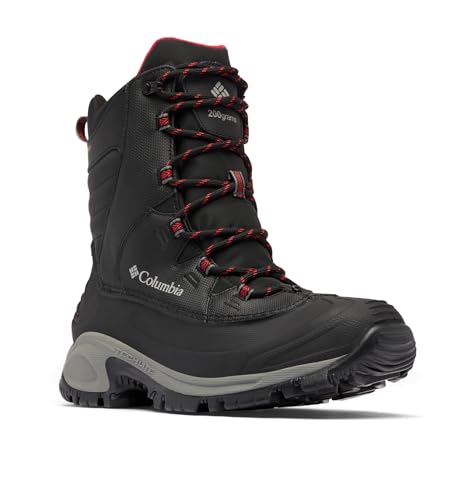


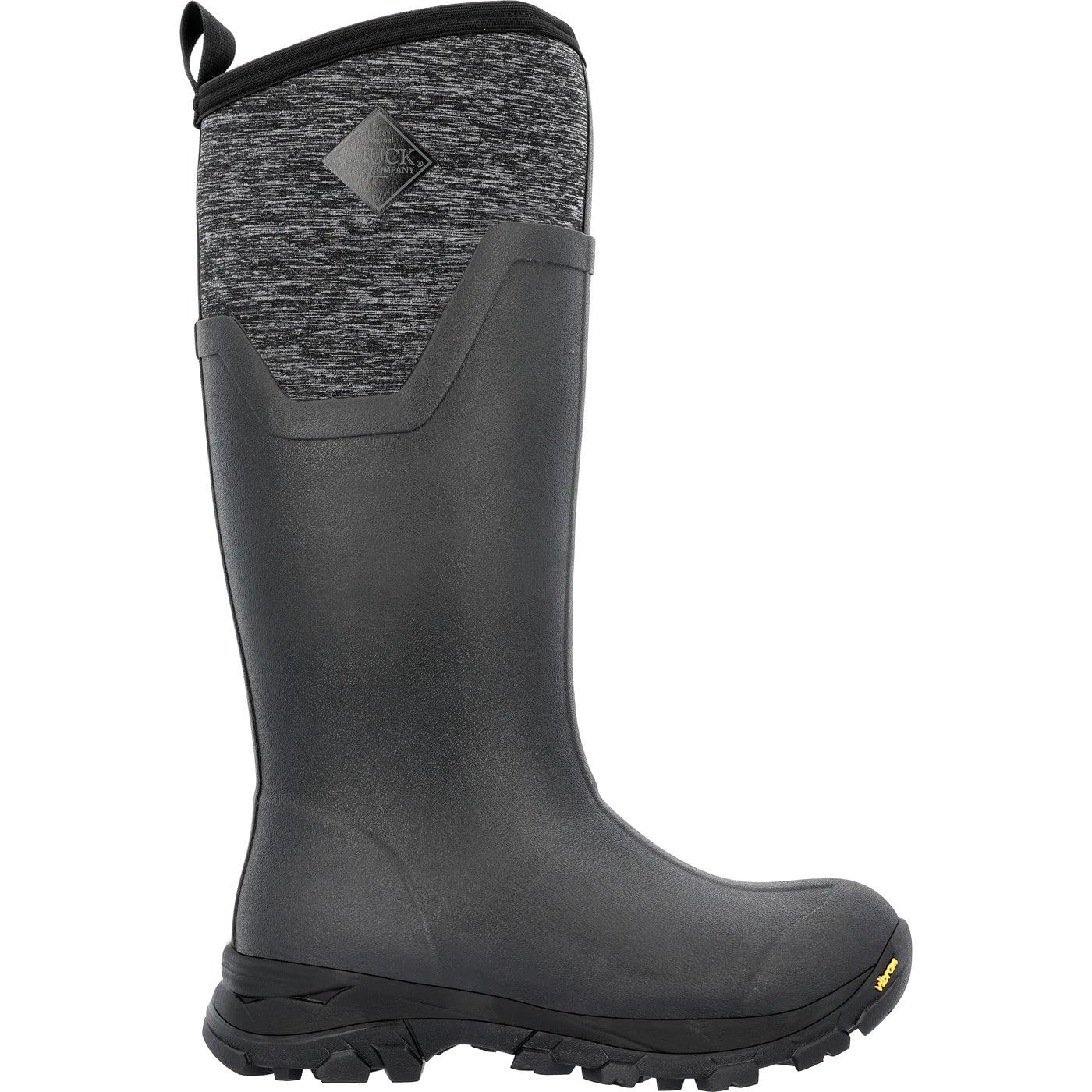


Who Should Buy Which Boots for Slippery Ice?
Start with the surface you cross most often and the time you spend on it. The right budget rises when ice is daily or slopes are involved.
Commuters Crossing Treated Sidewalks and Parking Lots
You need steady grip on thin ice, packed snow and wet pavement, plus comfort for platforms and office floors. A mid height boot with moderate insulation and a flexible outsole usually fits this pattern. If your route is short, a budget pair can work, but daily walkers often gain comfort and warmth in the middle tier.
Outdoor Workers and Dog Walkers on Uncleared Ground
You spend longer on uneven ice, frozen ruts and sloped driveways, so ankle support, deeper lugs and stronger waterproofing matter more. A taller shaft keeps snow out when you step off a cleared path. Plan on the middle or premium tier if you are outside for an hour or more.
Ice Anglers and Anyone Standing Still on Frozen Lakes
Standing still cools your feet far faster than walking, so you need more insulation and room for thick socks. If lake days are a main use, see our guide to the best ice fishing boots for that colder job. Seek urgent medical care if a fall leaves you unable to bear weight, if swelling rises quickly, if you hit your head, or if numbness spreads. Talk with your clinician about personal balance or circulation concerns.
What Each Price Tier Buys You for Ice Grip
Use price as a guide to materials and warmth, not as a promise of grip. When you shop for the best boots for slippery ice, check the outsole at every tier, because a costly boot with shallow lugs can still slide on smooth ice.
Budget Tier: Basic Grip for Short Trips
Budget boots often cost about $60 to $100. Expect a basic rubber outsole, light insulation and a simpler waterproof layer. That mix can suit short drives, brief dog walks and occasional icy errands. The trade off is faster wear and warmth that fades on longer outings. Choose this tier only if ice is occasional.
Middle Tier: Warmer Boots for Daily Winter Use
Middle tier boots often cost about $100 to $180 and are the practical center for most buyers. You usually get a more cold flexible outsole, better insulation, a secure ankle fit and an upper that handles slush longer. Cushioning and arch support also improve. For commuters and dog walkers who face ice most days, this tier gives the clearest gain for the money.
Premium Tier: Deeper Insulation and Longer Wear
Premium boots often cost about $180 to $300. The extra money usually buys denser insulation, full leather or advanced waterproof membranes such as Gore Tex, stronger stitching and soles built for longer service. Breathable linings help between cold streets and warm buildings. This tier pays off for outdoor work and very cold regions, but adds weight short trip users may not need.
Key Features to Compare
Compare these factors in order, because grip and fit decide safety before warmth or style.
Outsole Rubber and Lug Pattern for Ice Grip
The outsole does the gripping, so look for rubber that stays flexible in cold air rather than turning hard and smooth. Deeper lugs of about 4 to 6 mm, set in varied directions, help edges bite into packed snow and rough ice, while wide grooves clear slush. Flat dress style soles give ice little to hold. On glare ice, even good lugs have limits, so use shorter steps.
Fit and Toe Room Over Winter Socks on Ice
Measure your feet in the afternoon, when they are at their largest, and try boots with the socks you will wear outside. Your toes should wiggle without pressing the front, and your heel should lift very little as you step. A roomy toe box lets thick socks work without cutting circulation, which helps warmth. If you fall between sizes, the larger size with an added insole is easier to adjust.
Cushioning and Steady Support on Frozen Ground
Cushioning softens impact on frozen pavement, which feels hard underfoot even through a thick sole. A firm midsole and a shaped footbed give arch support and keep your foot from rolling inward on uneven ice. Stability matters more here than a soft neutral feel, because a stable base helps you correct a small slide. Removable insoles let you add your own support if the depth allows it.
Upper Materials, Waterproofing and Breathability
Leather uppers resist scuffs and hold their shape, while synthetic uppers weigh less and dry faster after slush. A sealed waterproof membrane keeps melt water out, and breathable linings let sweat vapor escape on longer walks. Gusseted tongues block snow at the laces. For dry cold with little slush, water resistance may be enough, but wet snow calls for full waterproofing.
Insulation, Shaft Height and Ankle Support
Insulation is often described by weight, with light fills for active walkers and heavier fills for stationary use. Active commuters may prefer less bulk, because feet warm as they move. A shaft above the ankle adds support on rutted ice and keeps deep snow out. Taller boots weigh more, so match height to your deepest usual snow.
Long Term Costs and Add On Traction
The purchase price is only part of what a winter boot costs you. Laces wear, waterproof coatings need renewal and replacement insoles add up if you walk daily. Budget for a waterproof treatment each season.
For smooth and polished ice, removable traction can help any tier. If you face that surface often, see our guide to the best ice cleats for boots and remove cleats indoors, because metal points can damage wood and tile. At home, boots work best alongside a cleared path, and our guide to the best ice melts covers that job. For broader choices, see our guide to the best boots for ice.
Common Mistakes to Avoid
- Judging grip by price alone leaves you with a costly boot whose shallow lugs still slide on smooth ice.
- Buying boots in your summer shoe size makes thick socks compress your toes and leaves your feet colder.
- Choosing fashion soles with flat treads removes the edges you need to bite into packed snow.
- Wearing cleats indoors scratches floors and makes each step less stable on hard tile.
- Ignoring a loose heel fit lets your foot slide forward on slopes and raises your chance of blisters.
- Storing wet boots in a closed closet traps odor and weakens linings before the next outing.
Care and Maintenance for Boots Used on Ice
Knock snow from the soles and uppers when you come inside, then open the laces and pull the tongue forward so air reaches the lining. Let boots dry at room temperature away from direct heat, because strong heat can crack leather and warp sole glue. Loose newspaper inside can draw out moisture after a wet walk.
Brush dried salt from leather and fabric once a week, since salt can dry out materials over a season. Renew water repellent spray when water stops beading on the upper, and check lug depth before winter starts. Replace boots when lugs look smooth in the heel and forefoot, because worn rubber cannot recover its grip. Store the dry pair upright out of direct sun.
FAQ
What features matter most in boots for slippery ice on sidewalks?
A flexible cold weather outsole and secure fit matter most for sidewalk ice. Thin black ice on concrete gives lugs little depth to grip, so edge shape and rubber softness count more than lug depth alone. Test a new pair on a short and familiar route first, and note whether the heel feels planted during turns.
Are expensive boots for slippery ice worth the extra cost?
Expensive boots for slippery ice are worth it when you walk on ice daily or stand in deep cold for long periods. The clearest gains are insulation, waterproofing and durability rather than a large leap in grip. If your ice exposure is brief and rare, the saved money may serve you better spent on removable cleats for the worst days.
Do boots for slippery ice need to be waterproof for winter commuting?
Yes, boots for slippery ice should be waterproof if your commute crosses slush, puddles or melting snow. Melt water enters fastest at seams and at the tongue, not through the middle of the upper. Check that the tongue is attached at the sides. In dry and very cold towns, water resistance can be enough.
How should boots for slippery ice fit with thick winter socks?
Boots for slippery ice should feel snug at the heel and roomy at the toes when you wear your thickest winter socks. Stand and press your weight forward, as if walking down a slope, and check that your toes do not strike the front. Bring those socks to any fitting, and fit your larger foot first.
Can I wear boots for slippery ice all day at work?
Yes, you can wear boots for slippery ice all day if the cushioning suits hard floors and the insulation is not too warm indoors. Many winter boots feel hot in heated offices, so a lighter fill often works better for mixed days. Changing into indoor shoes lets the boots air out.
Our Verdict
Choose by outsole and fit first, then set your tier by time outside and cold. Most daily walkers land in the middle tier, while short trip users can save money and long outdoor days justify premium warmth. Use the product table above to compare lugs and insulation.
When your route, socks and budget line up, the best boots for slippery ice become a calm choice rather than a guess, and each icy morning starts with steadier footing.


