Best Boots for Yard Work Made Simple: A Clear Buying Guide for 2026
Disclosure: We may earn a commission when you buy through links on this page, at no extra cost to you. As an Amazon Associate I earn from qualifying purchases. Learn more

A first time buyer guide to yard work boots, explaining fit, traction, waterproofing, and comfort in plain language so you can choose a sturdy pair.
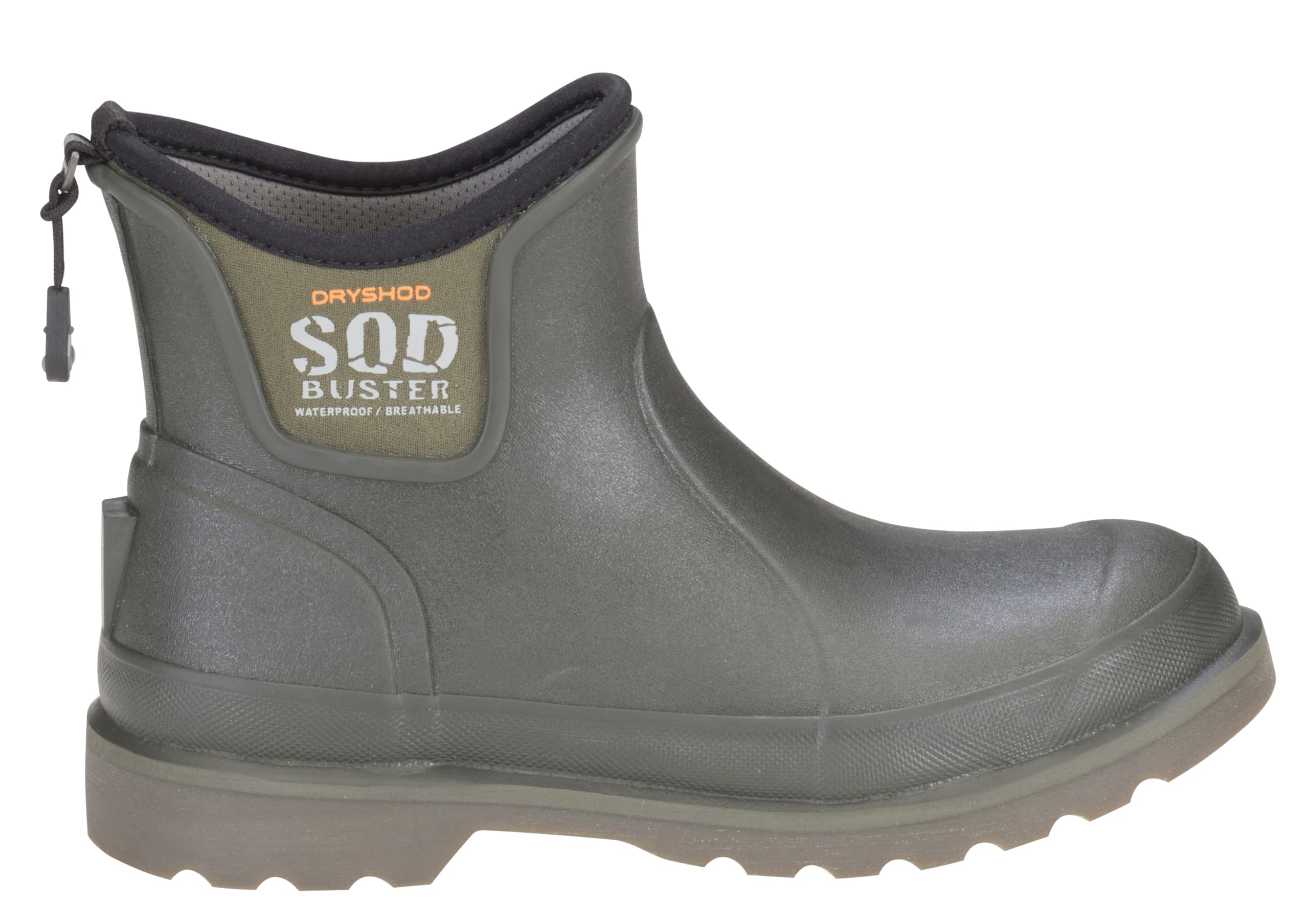
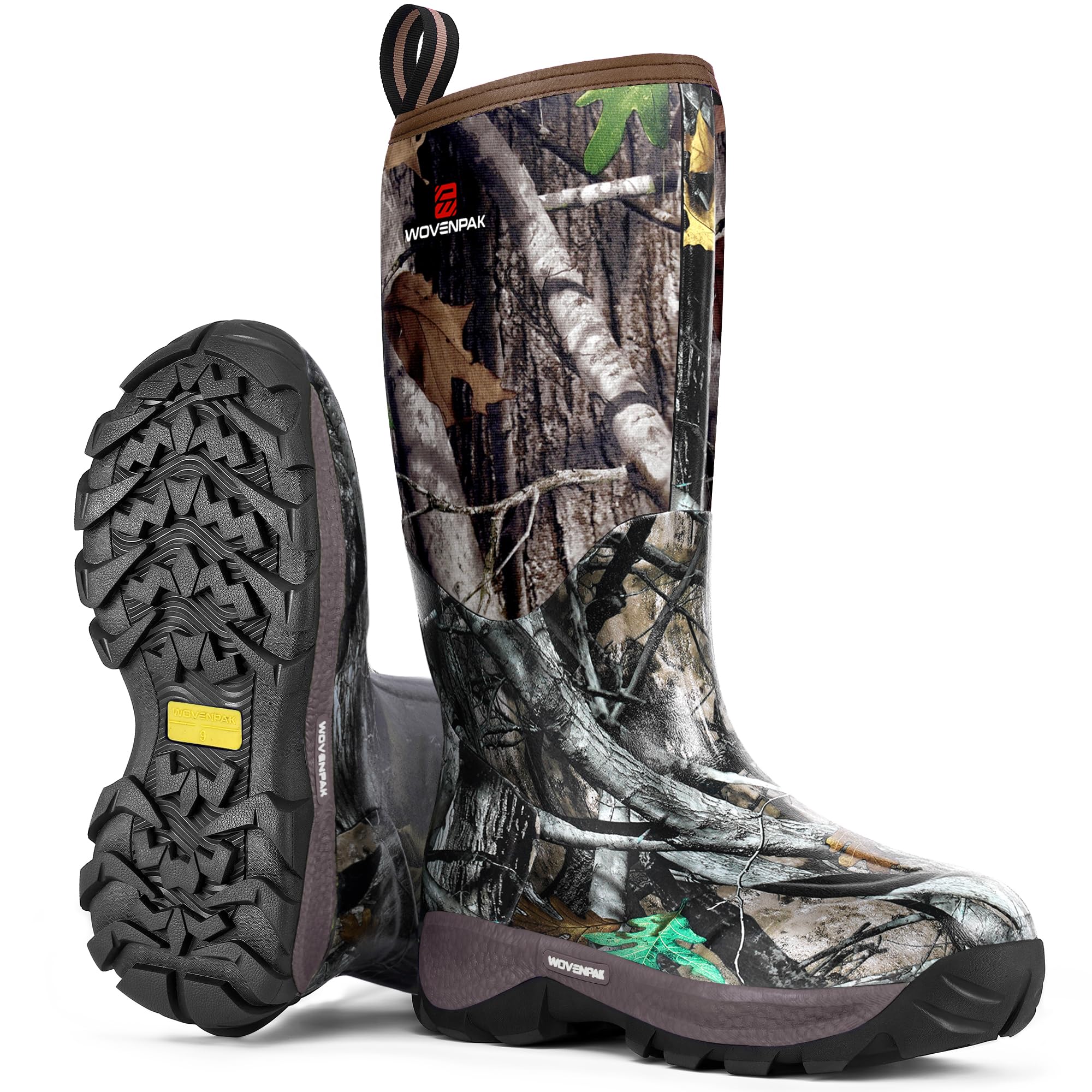
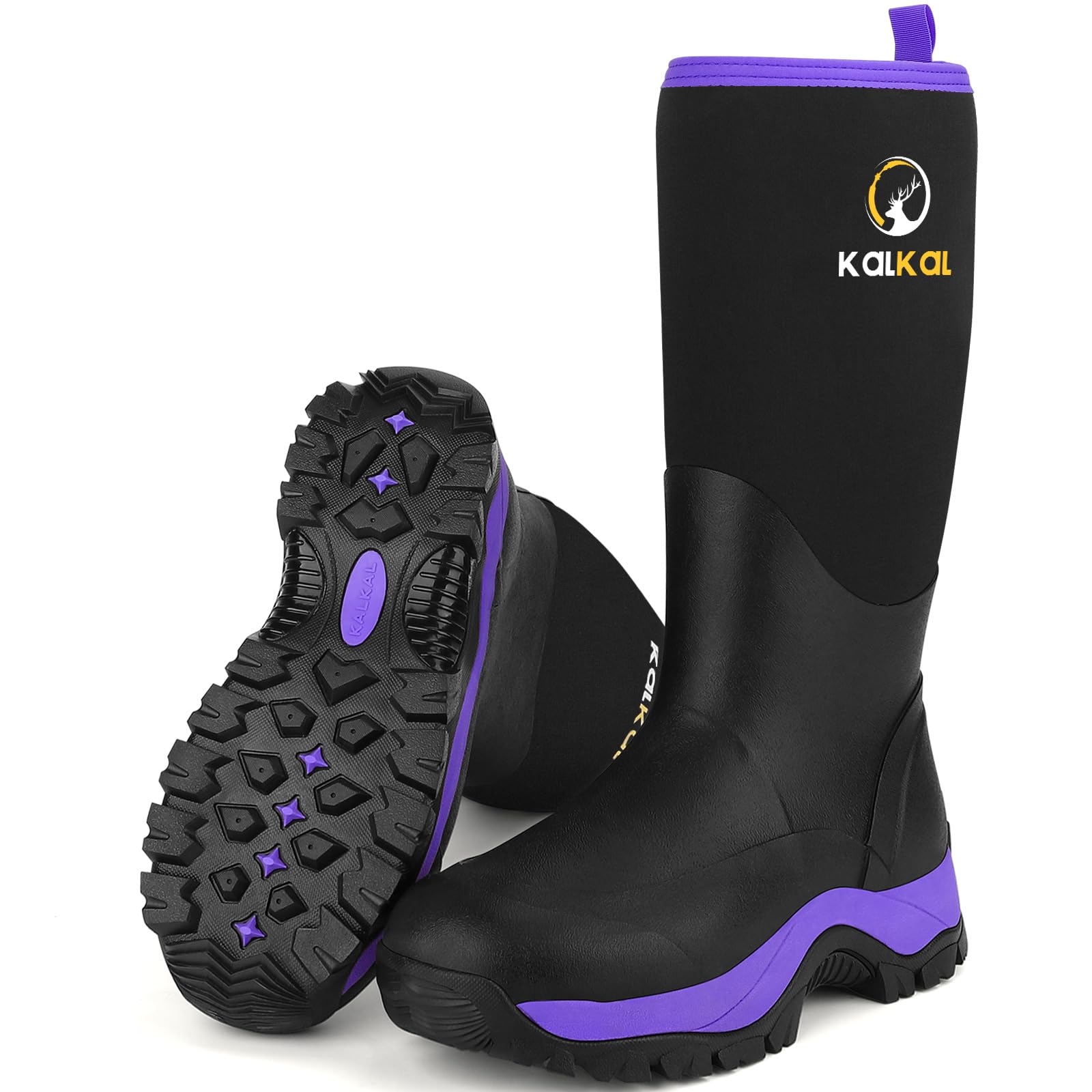
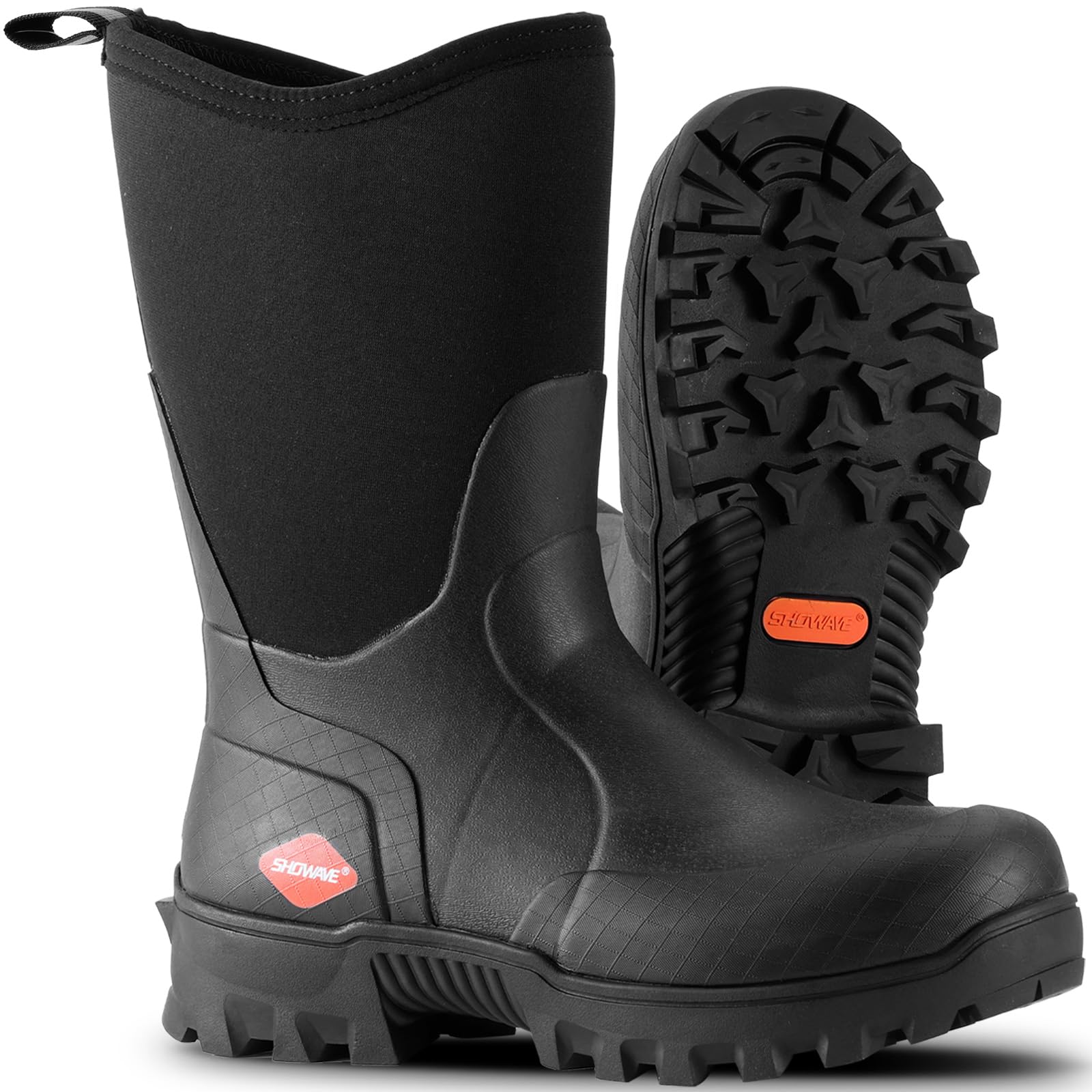
Yard work asks a lot from footwear, from muddy soil and wet grass to gravel paths and uneven ground. The best boots for yard work protect your feet, grip slippery surfaces, and stay comfortable through mowing, digging, planting, and hauling. This beginner guide explains the basics in plain language, and the comparison table below can help you compare the main choices side by side.
You do not need to know technical terms to choose well. Focus on fit first, then traction, then weather protection, and finally weight. A boot that fits well and grips the ground will serve you better than a fancy boot that pinches or slips. The sections below walk through each point step by step, so you can shop with confidence even if this is your first pair.



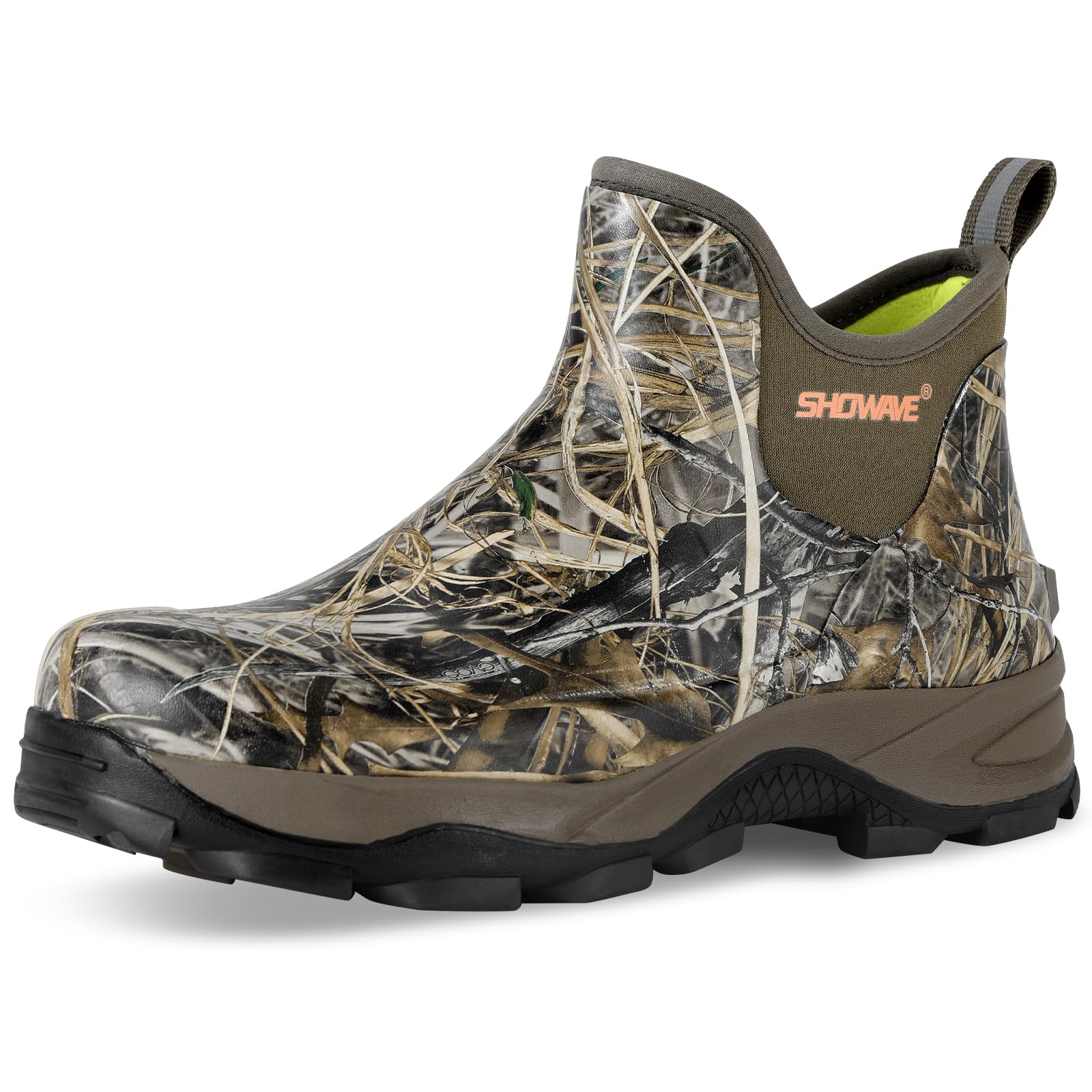
Boots 101: The Basics
A yard boot has four main parts: the upper, which covers the foot; the toe box, which gives the toes room; the midsole, which cushions each step; and the outsole, which grips the ground. The upper may be leather, rubber, mesh, or a mix, and each material suits different weather and tasks. Ankle height also matters, since taller boots support the ankle on slopes, while shorter boots feel cooler and easier to slip on. For a general work boot comparison, see our guide to best work boots when you want to see how yard boots differ from heavier job site styles.
Yard boots are not the same as hiking boots or fashion boots. Hiking boots often focus on long distance comfort on trails, while yard boots focus on mud, water, and repeated bending and kneeling. Fashion boots may look sturdy but often lack the tread depth and toe protection needed for yard tasks. Choose a boot built for outdoor chores, with a sole that sheds mud and an upper that can handle splashes.
Pay attention to sole patterns as well. Wide, spaced lugs shed mud better than flat soles, while a heel with a firm edge helps on slopes and steps. A boot with a roomy fit around the ankle also lets you bend and kneel without pinching, which matters when you plant, weed, or lift bags of soil.
Key Specs Explained in Plain English
The specs below sound technical, but each one answers a simple question about comfort or safety in the yard. Read them in order and note which ones matter most for your garden.
Features That Matter for Yard Work
Yard work needs traction, toe protection, and easy cleaning more than speed or style. Deep tread helps on wet grass and mud, while a reinforced toe guards against bumps from tools and stones. A sole that sheds mud keeps grip consistent, and a wipe clean upper saves time after messy jobs. Look for these practical features first, and treat extra features as bonuses rather than essentials.
Fit, Sizing, and Toe Box
Measure both feet in the afternoon and use the larger foot as your guide, since feet spread slightly during the day. Leave a small space in front of the longest toe, and make sure the toes can wiggle without pressing the sides of the boot. Try boots with the socks you will wear in the yard, and walk on a hard floor to check heel slip. If you need a women's specific fit, see our guide to best women's boots for yard work, and if you need a men's specific fit, see our guide to best men's boots for yard work, since lasts and sizing can differ.
Break In Period and Comfort Out of the Box
Some yard boots feel comfortable right away, while stiffer leather boots may need several short wears to soften. Start with short sessions in the garden, then build up to longer tasks before a full day of heavy work. Mild stiffness around the ankle is normal at first, but sharp pressure on the toes usually means the fit is wrong. Do not count on break in time to fix a boot that pinches or rubs in the store.
Upper Materials and Breathability
Leather uppers last well and resist scuffs, but they can feel warm in summer. Rubber uppers handle mud and water easily and clean quickly, yet they may feel less breathable on hot days. Mesh panels add airflow for warm weather, but they let water in more easily. For most yards, a mix works well: a sturdy main material with breathable panels, or a waterproof boot for wet seasons and a lighter boot for dry summer work.
Weight and Flexibility
Heavier boots often feel more protective, but they can tire your legs during long sessions. Lighter boots feel easier to lift with each step, yet they may offer less ankle support on slopes. Bend the boot gently to check where it flexes.
A boot that bends near the toes, rather than in the middle, usually walks more naturally and causes less strain. Balance weight with the tasks you do most, since hauling and digging favor sturdier boots.
Cushioning and Support
Cushioning absorbs impact when you walk on hard paths, while support keeps the foot aligned on uneven ground. A stable midsole helps when you carry loads or work on slopes, and arch support should match your foot shape rather than forcing it flat. Removable insoles are useful because they let you swap in a pair that suits your arch. If cushioning feels flat after a few weeks, replace the insoles before you replace the boots.
Rookie Mistakes to Avoid
- Buying boots that are too long to gain width, which can cause heel slip and blisters.
- Choosing fashion boots with shallow tread, which can slip on wet grass and mud.
- Skipping waterproofing for wet yards, then finding feet soaked after the first rain.
- Wearing thin dress socks for fitting, so boots feel tight with the thick socks used outdoors.
- Ignoring ankle support on slopes, which can leave the foot rolling on uneven ground.
Getting Started: Setup and First Use
When your boots arrive, try them indoors first with your yard socks and lace them fully. Walk around the house, bend down as if planting, and check for pressure on the toes or heel slip. Treat leather uppers with a suitable conditioner if the maker advises it, and check that laces stay tied during movement.
For your first outdoor session, choose a short, dry task such as light weeding, then check your feet for red marks. Air dry wet boots away from direct heat, since heat can stiffen leather and warp soles, and clean mud from the tread so grip stays effective. The product table above can help you compare easy care materials before your second outing.
Frequently Asked Questions
What features matter most in boots for yard work?
Traction, fit, and weather protection matter most in boots for yard work. Deep tread grips wet grass and mud, a roomy toe box prevents pinching during long sessions, and a suitable upper keeps feet dry or cool depending on the season. Toe protection also matters when tools or stones are nearby.
Start with these four points, then consider weight and ankle height for your yard. A boot that covers these basics well will handle most common tasks, from mowing to planting.
Do I need waterproof shoes for yard work?
You need waterproof footwear when you often work in wet grass, mud, or rain, or when you water plants and wash down paths. Waterproof boots keep feet dry and reduce the chill that comes with damp socks. If your yard is mostly dry and you work mainly in summer, breathable boots may feel more comfortable.
For a lighter waterproof option, see our guide to best waterproof shoes for yard work to compare shoes against full boots. Choose based on your wettest regular task, not on rare storms.
How should boots for yard work fit?
Boots for yard work should leave a small space in front of the longest toe and let the toes wiggle without pressing the sides. The heel should stay in place when you walk, and the widest part of the foot should sit in the widest part of the boot. Try boots in the afternoon with your yard socks, since feet spread during the day. If the boot feels tight across the toes, try a wider width before a longer length, because extra length alone often causes heel slip.
How long is the break in period for yard boots?
The break in period for yard boots ranges from no time at all for soft, flexible styles to several short wears for stiffer leather boots. Wear new boots for short garden sessions first, then increase the time as they soften. Soreness that fades after a few wears is common with stiff leather, but sharp pain or blisters usually signal a fit problem. If discomfort stays in one spot after a week of short wears, consider a different size, width, or insole before longer use.
Are expensive boots for yard work worth it?
Expensive boots can be worth the cost when they offer durable materials, deeper tread, and cushioning that lasts through many seasons. Cheaper boots may still work well for light, occasional yard tasks, especially if the fit is right. The best value is the boot that fits well and matches your main tasks, not simply the highest price.
For lighter garden tasks, see our guide to best shoes for gardening and yard work for a lower cost alternative. Compare the product table above by fit, traction, and durability before you decide.
Final Thoughts
Start with fit, then traction, then weather protection, and choose weight based on how long you work in the yard. A boot that feels good with your yard socks and grips wet grass will handle most tasks well. Check the product table above to narrow your shortlist, and remember that no boot can guarantee protection, so follow your employer, maker, and local rules for yard tasks and wear suitable eye and hand protection when needed. The best boots for yard work are the pair that fit your feet, suit your ground, and stay comfortable through a full session in the garden.