
Best Boxwood for Planters: Buying Guide and Care Tips for 2026
Disclosure: We may earn a commission when you buy through links on this page, at no extra cost to you. As an Amazon Associate I earn from qualifying purchases. Learn more
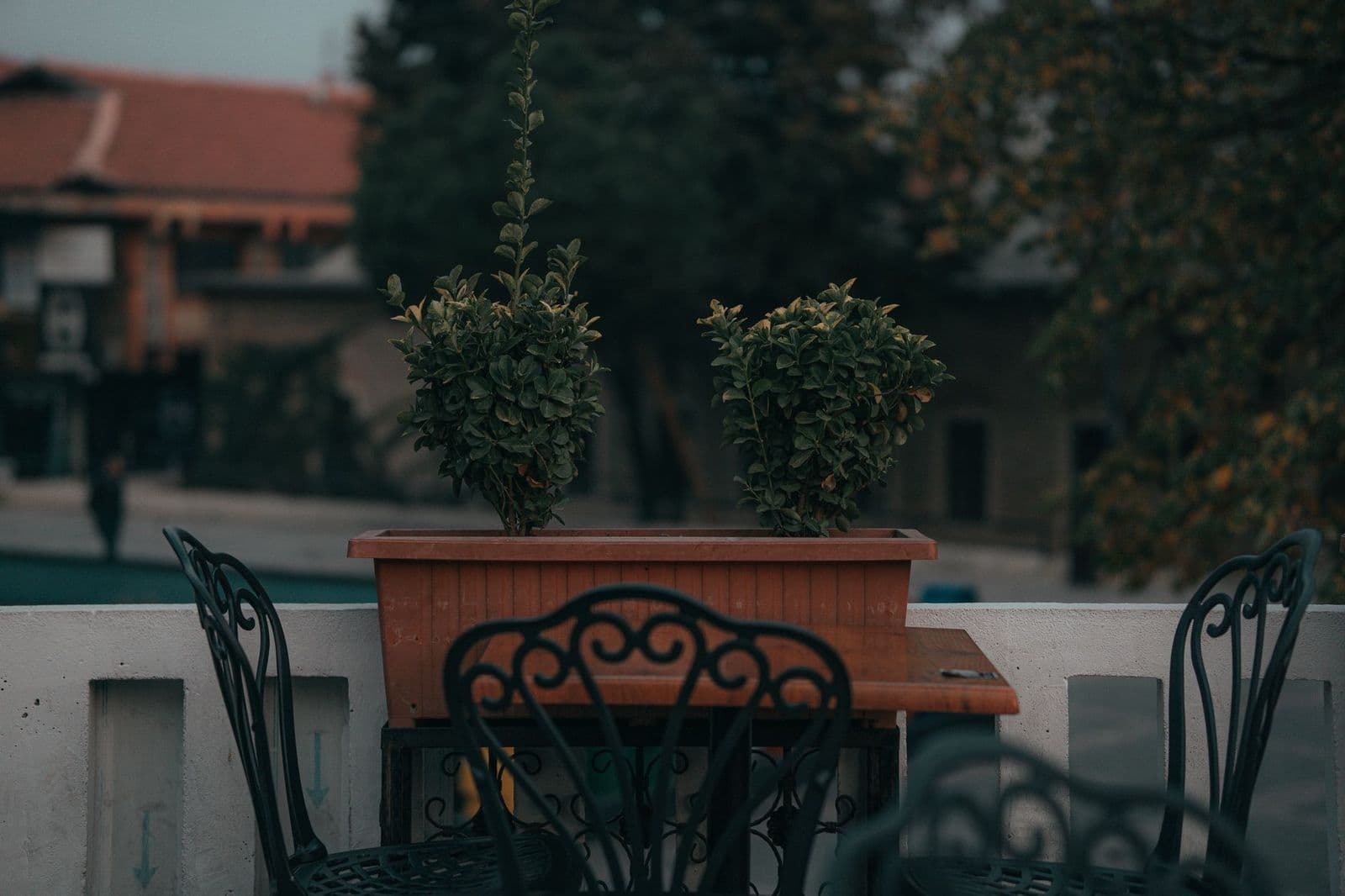
Learn how to choose the best boxwood for planters with sizing, drainage, soil and winter care guidance, plus a simple checklist for healthy container shrubs.
A boxwood in a planter gives you tidy green structure all year, but container life is harder on a shrub than life in the ground. Roots sit closer to heat, cold, and dry air, so the plant you pick and the pot you pair it with matter more than most people expect. This guide to choosing the best boxwood for planters walks you through growth habit, pot size, soil, drainage, and winter care.
By the end, you will know which growth habit suits your space, how large a container the roots truly need, and which care habits keep container shrubs dense instead of thin and stressed.
Three Ways to Buy: Choosing by Planting Style
Instead of chasing a single winner, think about how you plan to use the shrub. The three paths below cover most porches, patios, and entryways, and each one trades money, patience, and instant impact in a different way.
The All Round Path: A Compact Rounded Shrub
For most households, a naturally compact and rounded type is the safest starting point. It fills a medium planter without constant pruning, holds a neat ball or mound shape, and looks good beside a front door within one growing season. Expect to pay a moderate price for a plant in a one gallon or two gallon nursery pot. The main trade off is patience, because a compact type still needs a full season to knit into a dense, finished looking mound.
The Value Path: Smaller Starter Plants
Starter plants in small pots cost the least and let you plant pairs or rows without a large bill. They suit gardeners who enjoy watching plants grow and who can water attentively during the first summer, when small root balls dry out fast. The savings are real, often about half the cost of a larger shrub. The limitation is time, since a starter may need two or three seasons before it reads as a deliberate design feature rather than a small green blob.
The Premium Path: Larger Specimen Plants
A larger specimen, sold in a three gallon or five gallon pot, delivers instant structure the day you plant it. This path suits formal entryways, weddings, home sales, and anyone who wants a finished look now. You pay more per plant, and the shrub is heavier to move once potted. In return, a bigger root system handles missed waterings and winter cold better than a small starter, and the shape usually needs only light trimming to stay crisp.
How to Choose the Best Boxwood for Planters: Buying Guide
Start with the plant itself, then match the container and soil to it. The sections below give you the specific numbers and checks to use in the garden center or on a product page.
Features That Matter for Planters
Container life rewards a slow to moderate growth rate, dense branching, and small leaves that keep their color in winter. Look for a stated mature size, because a shrub that wants to reach six feet will fight a small pot and demand constant pruning. Root health matters most of all. Gently slide the plant from its nursery pot if the seller allows it, and look for firm white roots that hold the soil together without circling tightly. A plant that smells sour at the roots or shows black, mushy roots has sat wet for too long and should stay on the shelf.
Match the Plant to Your Garden Size and Layout
Measure the spot before you buy. A planter on a narrow stoop needs a shrub that matures at about two feet wide, while a broad terrace can carry a three foot mound. Leave at least a few inches between the foliage and any wall so air can move and leaves can dry after rain. Pairs flanking a door look best when both plants and both pots match closely in size. If you are styling a mixed display, our guide to the best looking planters can help you match pot shapes and finishes to your home.
Safety: Organic Practices and Pet Awareness
Boxwood leaves contain natural compounds that are toxic to dogs, cats, and livestock when eaten in quantity, so place planters where curious pets cannot chew foliage freely, and sweep up pruned clippings. If your household prefers organic growing, look for soil and fertilizer labeled OMRI listed, which means the ingredients passed a review for organic use. Choose fertilizers with no added synthetic coatings if the planter sits near a vegetable bed or a water feature. Wash your hands after pruning, and keep any plant treatment products locked away from children, following the label exactly.
Value and Coverage per Dollar
Compare plants by nursery pot volume rather than by height alone, because a short plant in a two gallon pot often has a stronger root system than a tall plant in a one gallon pot. Price per gallon is a useful rough guide: starters may run about $10 to $20 per gallon of pot size, while large specimens cost more per gallon because the grower carried them for years. Also budget for the planter itself, potting mix, and a slow release fertilizer. A cheap shrub in an undersized pot is not a bargain if you must replace both within a year.
Durability and Weather Resistance
Roots in a pot feel colder than roots in the ground, often by a full hardiness zone or more. If you garden in a cold region, choose a type known for winter hardiness and plan to move the planter against a sheltered wall, or wrap the pot in insulation during deep freezes. In hot regions, light colored pots and afternoon shade protect roots from baking. Sun scald and winter wind both dry foliage, so a spot with moving air but not constant wind gives the best balance. Quality nursery stock with a stated hardiness range on the tag is worth the small premium.
Soil and Growing Medium Quality
Never fill a planter with plain garden soil, which compacts, drains poorly, and can carry weed seed and disease. Use a quality potting mix built on bark, coir, or peat with perlite for drainage, and aim for a slightly acidic to neutral pH, roughly 6.0 to 7.0. A handful of compost blended in at planting adds slow nutrition and helpful microbes. The mix should feel loose and springy, not heavy like mud. Plan to refresh the top layer each spring, because organic matter breaks down and the soil level sinks over time.
Types of Boxwoods for Planters
Most container shrubs fall into three broad groups. Knowing which group you are looking at makes tag reading much faster and helps you predict how the plant will behave after its first winter outside.
Standard Options
Standard types are the classic dense shrubs sold everywhere, grown for hedges and foundation planting but equally at home in large pots. They offer the widest size range and the lowest prices. They suit gardeners who want a traditional look and do not mind shaping once or twice a year. Their weakness is size, because vigorous types outgrow medium planters faster than dwarf types do.
Organic and Eco Friendly Options
This group covers shrubs raised with organic inputs and sold with untreated, pollinator friendly care in mind, paired with organic potting mixes and fertilizers. These plants suit households growing herbs or food nearby and anyone reducing synthetic inputs on a patio. Expect slightly higher prices and slower early growth. The growing approach matters more than the plant itself here, so check for OMRI listed soil and fertilizer to support the plant after it comes home.
Compact and Lightweight Container Options
Dwarf and slow growing types stay small for years, which keeps both the plant and the filled planter light enough to move for cleaning, storms, or seasonal displays. They suit balconies, renters, and anyone who rearranges furniture often. The trade off is a smaller presence, so use them in groups or in tall narrow pots that add height. Gardeners mixing container styles often pair them with the best planters for succulents on sunny shelves where small scale plants share the same careful watering rhythm.
How to Make Your Boxwood Last Longer
Most container boxwoods decline from water stress and tired soil, not from age. A few steady habits will keep yours dense and green for many years.
- Water early in the morning. Morning watering lets foliage dry during the day, which lowers leaf disease, and it charges the soil before afternoon heat pulls moisture away.
- Keep drainage open. Check that pot holes stay clear, empty saucers after rain, and lift pots on small feet so water never pools under the roots.
- Refresh the mix with compost each season. Scratch a thin layer of compost into the top each spring and top up the potting mix as it settles, which feeds the plant gently and restores soil structure.
- Test soil pH every couple of years. A simple home test kit shows whether the mix has drifted; boxwoods sulk and yellow when pH moves far from the 6.0 to 7.0 range.
- Prune lightly and often. Small trims in late spring keep air moving through the center, and removing a few crowded inner stems helps prevent the brown patches that start in damp, still foliage.
If you rotate seasonal plantings around your shrubs, the best perennials for planters make good companions because they share the same well drained mix and moderate feeding schedule.
Frequently Asked Questions
What features matter most in boxwoods for planters?
A stated mature size that fits your pot, dense branching, and healthy roots matter most. Ask or check how the plant handles winter cold in a container, since pot roots freeze sooner than ground roots. Leaf size and winter color come next. One extra check many buyers miss is the weight of the filled planter, because a shrub you cannot move is a shrub you cannot shelter during a cold snap.
What is the difference between garden soil and potting mix?
Garden soil is dug earth meant for beds, while potting mix is a soilless blend of bark, coir, or peat with drainage material. In a pot, garden soil packs down, holds either too much or too little water, and may carry fungal problems. Potting mix stays loose so roots can breathe. The one exception is a very large planter, where a small share of topsoil can add weight against wind, but the blend should still drain freely.
How much potting mix do I need for my planter?
Plan on filling the pot so the root ball sits about an inch below the rim, then add roughly ten percent extra mix to settle after the first few waterings. A planter about 14 inches wide usually takes around ten to twelve quarts of mix with the plant in place. Buying one bag size up is cheaper than a second trip, and leftover mix stores well in a sealed bin for spring top ups.
How long can a boxwood live in a planter?
A healthy boxwood can live in a planter for ten years or more with root pruning and fresh mix every few years. Every three to five years, slide the plant out in early spring, trim about an inch of roots from the sides and bottom, and replant with fresh mix in the same pot. Skipping this step is the most common reason an older shrub slowly thins even though watering and feeding never changed.
Is organic care worth it for container boxwoods?
Organic care is worth it when the planter sits near food plants, play areas, or water features, and when you plan to compost prunings at home. Organic fertilizers feed more slowly, which suits containers where salts from fast synthetic feeding can build up and burn roots. Results look similar on the shrub itself, so the choice is mostly about your household and garden values. Gardeners with indoor collections can compare approaches in our guide to the best planters for orchids, where gentle feeding matters just as much.
Our Verdict
Choose by mature size first, root health second, and price third, and your shrub will reward you for years. Match the pot to the plant, use a loose potting mix, and keep winter protection in mind if your climate runs cold. Use this guide to pick the best boxwood for planters for your door, patio, or balcony with confidence.


