
Best Boots for Dirt Work for 2026: How Budget Changes What You Get
Disclosure: We may earn a commission when you buy through links on this page, at no extra cost to you. As an Amazon Associate I earn from qualifying purchases. Learn more

Compare boots for dirt work by budget, shaft height, traction, water resistance and toe protection so you can spend where daily field work demands it most.
Dirt work wears boots in a specific way. Loose soil works into laces and seams, mud adds weight at every step, and uneven ground twists ankles. The best boots for dirt work keep soil out, grip without clogging, and stay comfortable outdoors. Prices vary widely, so this guide shows where extra money helps, starting with the comparison table below.
Begin with your ground and your hours. A few hours a week in dry soil asks far less of a boot than daily work in wet fields. Match your workload to the factors below, then use the budget tiers to set a limit.

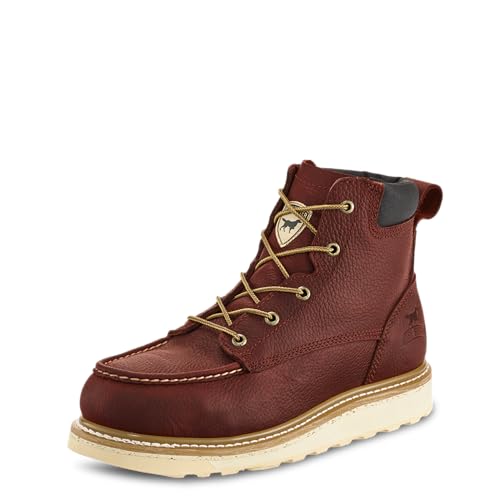
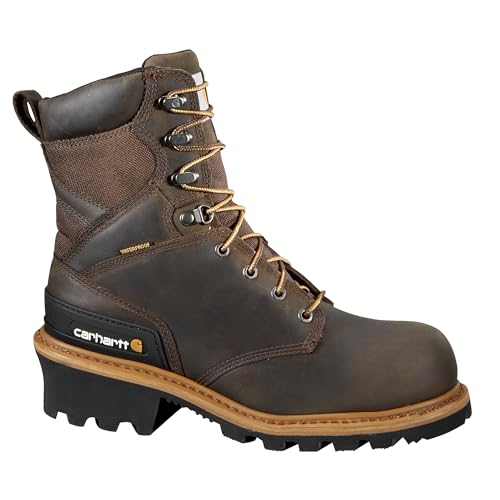

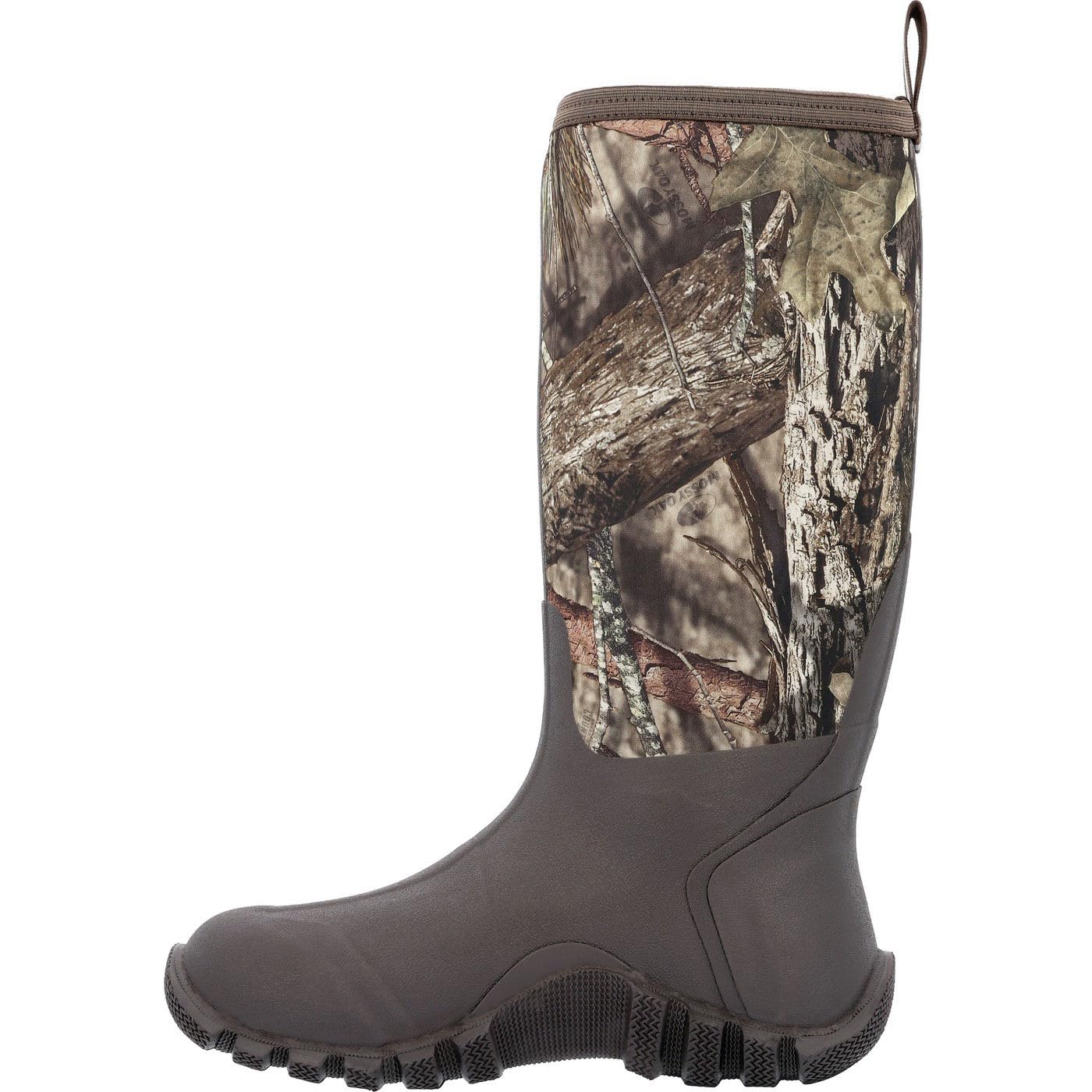
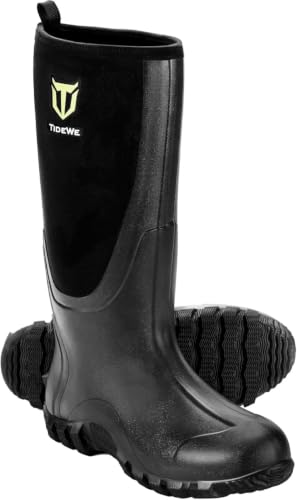


Who Should Buy Boots for Dirt Work by Workload
Your soil and schedule matter more than brand names. Each group below needs a different mix of height and protection.
Farm and Ranch Hands in Loose Soil and Manure
You walk soft ground all day and hose boots off often. Choose a taller shaft, about 12 to 16 inches in a pull on style or 8 inches in a lace up style, so soil stays out. A smooth rubber upper rinses clean, and wide spaced lugs shed mud. Plan on the midrange tier or above, because thin cheap uppers crack under daily washing.
Landscapers and Grounds Crews on Mixed Surfaces
You move between soil, gravel, wet grass, and pavement. Choose an 8 inch lace up boot with a cushioned midsole and lugs that still feel stable on hard ground. A water resistant upper handles dew and light mud. If you kneel often, look for tougher material across the toe area.
Construction and Utility Workers on Graded Dirt Lots
You work on rutted ground where dropped tools add real risk. Choose a boot with a safety toe rated for your site rules, strong ankle support, and firm outsole edges for shallow trenches. Many sites require specific ratings, so check your employer rules before you buy.
Key Features to Compare
Compare these six factors in order. Together they decide whether a boot stays clean inside, grips, and lasts a full season.
Shaft Height and Dirt Exclusion
Shaft height decides how much soil reaches your socks. A 6 inch boot suits shallow, dry dirt and frequent bending. An 8 inch boot blocks more loose soil and supports the ankle on slopes. Tall pull on boots, about 12 to 16 inches, suit deep mud where low boots fill within minutes. Look for a snug top edge, because a gap lets fine dry soil pour in.
Outsole Lugs for Loose Ground and Easy Cleanout
Lugs are the raised tread blocks that bite into soft ground. For loose dirt and mud, look for deep lugs, about 5 to 8 mm, set wide apart so soil falls out as you walk instead of packing into a smooth, slippery layer. If you also walk on concrete daily, choose a slightly lower lug, because deep lugs wear fast on hard surfaces.
Water Resistance for Mud and Wet Soil
Wet soil tests a boot differently than rain, because mud presses moisture against seams for hours. Full rubber boots block water completely but trap heat and sweat. Waterproof leather or synthetic boots use a membrane that blocks outside water while feeling lighter. Water resistant treated leather only suits damp soil. Check that seams are sealed, because an unsealed stitch line is the usual entry point for water.
Upper Material and How It Cleans
The upper takes the abrasion and the daily cleaning. Full grain leather resists scrapes from roots and tools, but it needs drying and conditioning. Rubber uppers rinse clean in seconds and resist manure and fertilizer, yet they can feel hot. Synthetic uppers cost less and dry fast, but thin synthetics scuff through sooner where boots rub against shovels and steps.
Toe Protection and Foot Support
Dirt work puts tools and heavy loads close to your feet. A steel toe gives strong impact protection at the lowest cost but adds weight and conducts cold. A composite toe is lighter and warmer in winter. A soft toe costs least and suits light farm tasks with no site rule. Pair the toe with a firm shank and a supportive insole, because uneven ground fatigues arches quickly.
Closure Fit, Weight, and Heat
Laces let you tighten the heel and loosen the forefoot, which helps when feet swell, but lace hooks collect soil and laces soak up mud. Pull on boots have no laces to clog and go on fast, yet fit depends on matching your calf and instep. Zips clog easily in fine dirt, so avoid them here. In hot weather, choose a lighter uninsulated boot to reduce sweat.
What Each Budget Level Actually Buys You
When you compare best boots for dirt work by price, the gains come in a clear order: first basic coverage, then better materials, then longer service life.
Around $80 to $130: Basic Coverage for Occasional Dirt Tasks
At around $80 to $130, expect a synthetic or split leather upper, a basic lug sole, and water resistance rather than full waterproofing. These boots suit weekend garden work and dry soil. Trade offs include thinner insoles and glued soles that cannot be replaced. Buy here if your hours are short.
About $130 to $190: Stronger Uppers and Support for Regular Crews
At about $130 to $190, you typically gain full grain leather or sturdier rubber, deeper and better spaced lugs, sealed seams, and a cushioned midsole that still feels supportive late in the day. Safety toe options are common here. For most people who work in dirt several days a week, this tier balances service life and cost best.
Above $190: Longer Service Life and Replaceable Parts
Above $190, the main gains are durability and repair options rather than new features. Look for thicker leather, stronger stitching, a sole that a cobbler can replace, and a waterproof membrane with sealed seams. This level pays off if you work in dirt daily, and it makes little sense for occasional use.
Long term cost is not only the purchase price. Factor in replacement insoles once or twice a year, leather conditioner, and a second pair if your work is wet daily, because rotating pairs lets each one dry fully.
Common Mistakes to Avoid
- Choosing low shoes for deep loose soil lets dirt fill the heel cup and causes blisters fast.
- Buying tight flat tread for mud leaves the sole packed smooth, so each slope becomes a slide risk.
- Wearing a soft toe boot on a site that requires a safety toe can get you sent home.
- Picking a size without thick work socks leads to pinched toes once your feet swell on shift.
- Leaving mud caked on leather for days dries and cracks the upper, shortening boot life.
- Spending on insulation for summer dirt work traps heat and sweat, which raises blister problems.
Care and Maintenance for Boots Used in Dirt Work
Knock soles together and brush off dry soil before you come inside, then rinse mud from the upper and outsole with plain water. A stiff brush clears packed dirt from between lugs and restores grip. If you work around manure or fertilizer, rinse the same day, because salts weaken leather and rubber over time.
Dry boots slowly at room temperature, away from direct heat, with newspaper inside to hold shape and absorb moisture. Radiator heat cracks leather and can warp glued soles. Condition leather once it looks dry. For extra comfort, see our guide to the best inserts for work boots, which covers cushion and arch options.
FAQ
What features matter most in boots for dirt work on a tight budget?
On a tight budget, shaft height and lug spacing matter most in boots for dirt work. A modest boot that keeps soil out serves you better than a costly looking boot with tight flat tread. Press the sole with your thumb: if the lugs bend easily, they will wear quickly.
How tall should boots for dirt work be for deep loose soil?
For deep loose soil, boots for dirt work should cover the ankle by a wide margin, usually 12 inches or more in a pull on style. The extra height stops soil spilling over the top when you sink. Wear trousers over the shaft, not tucked inside, because fabric tucked in acts like a funnel that guides soil to your sock.
How should boots for dirt work fit with thick work socks?
Boots for dirt work should fit with about a thumb width of space in front of your longest toe while you wear your thick work socks. Try boots late in the day, when feet are swollen, and step down firmly. Your heel should stay seated, because heel lift in loose soil quickly rubs blisters. If you are between sizes, choose the larger size.
How long should boots for dirt work last with daily field use?
With daily field use, boots for dirt work usually last about one to two seasons before lugs wear smooth or uppers crack. Rubber boots often fail first at flex points above the toes, while leather boots usually fail at stitching. Rotating two pairs and drying each pair fully can add months of life.
Are pull on or lace up boots for dirt work better for keeping soil out?
Pull on boots for dirt work usually keep soil out better, because there are no laces or tongue gaps where fine dirt can enter. The tongue on a lace up boot is the weak point, since soil collects there and works inward. If you prefer laces, choose a boot with a tongue attached along both sides.
Final Thoughts
Set your budget by your hours and your wettest ground, not by the longest feature list. Keep soil out with the right shaft height, choose lugs that shed mud, and match toe protection to your site rules. If your work is mostly wet fields, see our guide to the best work boots for mud and dirt. For a broader view, see our guide to the best work boots, and for fit notes, see our guide to the best men's work boots. Use the product table above to compare tiers.
When you judge best boots for dirt work by workload first and budget second, the right tier is usually clear. Buy the simplest boot that covers your ground well.


