
Best Boots for Shoveling Snow in 2026: A Budget Guide
Disclosure: We may earn a commission when you buy through links on this page, at no extra cost to you. As an Amazon Associate I earn from qualifying purchases. Learn more

Compare boots for shoveling snow by budget tier, with guidance on insulation, waterproofing, grip, and fit so you can pick the right pair for winter chores.
Shoveling is stop and start work in deep snow, slush, and wind, and the price of boots built for it runs from about $50 to well over $200. The best boots for shoveling snow share a few traits at every price: a waterproof shell, insulation matched to your winters, and lugs that bite into packed snow on a sloped driveway. What changes with money is how warm, how tall, and how durable those traits are.
This guide is organized by budget, so you can see exactly what each spending level buys and where the upgrades stop mattering. The comparison table below lays out the main types side by side, and the sections after it explain which tier fits a short sidewalk, a long driveway, or hours of clearing after a storm.
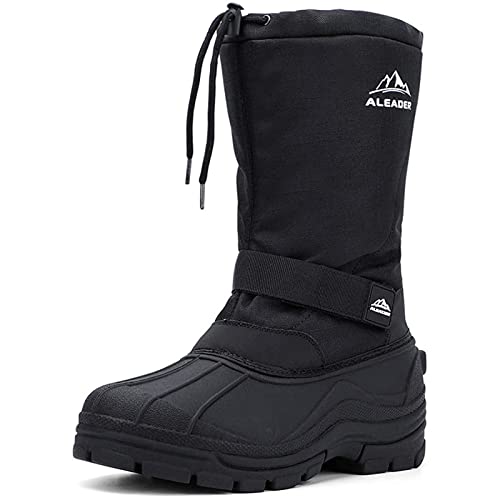

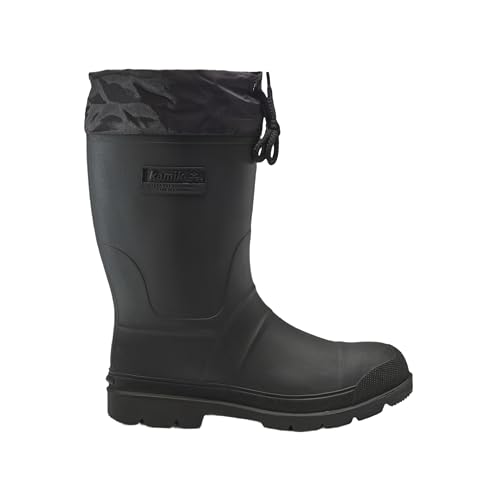
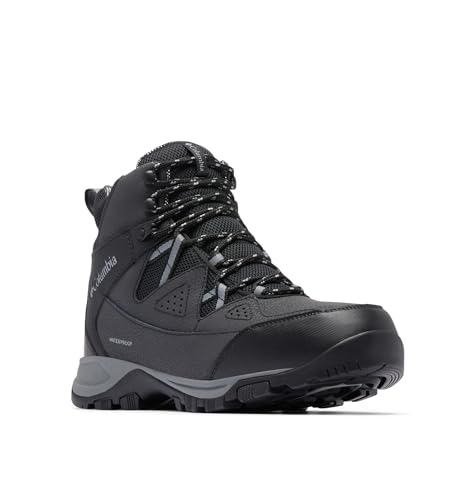
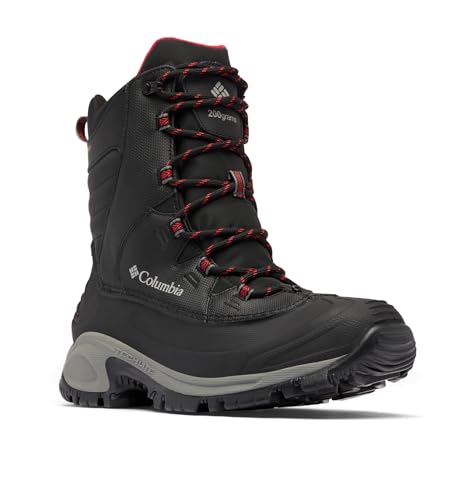


Three Spending Levels for Clearing Snow
Starter Pairs at about $50 to $90
Entry level shoveling boots are usually rubber and nylon pac style pairs with a basic waterproof lower and light insulation, often rated by makers for mild winter cold rather than deep freeze. They suit short sessions on a small walkway in regions where storms are occasional. Expect thinner liners, simpler tread, and hardware that wears sooner, but for twenty minutes of clearing a few times a winter, they do the job. If your clearing is mostly light and quick, the wider range in our guide to the best snow boots overlaps this tier.
The Middle Shelf at about $90 to $150
Midrange pairs add thicker insulation, sealed seams, and deeper multidirectional lugs that hold better on icy patches at the end of the driveway. Shaft heights rise to around mid calf, which keeps snow out when you step off the cleared path into a drift. Liners are often removable for drying between storms.
For most homeowners with a standard two car driveway, this is the tier where comfort and durability balance best. Readers comparing broader cold weather styles can also see our guide to the best winter boots for shoveling snow.
The Top Shelf at about $150 to $250
Premium shoveling boots bring the warmest insulation packages, full grain leather or advanced synthetic uppers, and outsoles with aggressive tread compounds that stay flexible in severe cold. Fit improves too, with shaped ankle support for long sessions and uneven ground. This tier makes sense for rural properties, long lanes, and anyone who clears snow for neighbors or works outdoors through the coldest weeks of the year.
What Your Money Gets You at Each Price Tier
Warmth and Insulation by Tier
Budget pairs typically carry light insulation suited to short outings, while midrange boots step up to midweight fills that stay comfortable during an hour of work. Premium models carry the heaviest insulation and reflective liners for the coldest regions. Remember that shoveling generates body heat, so a moderately insulated boot often feels warmer in use than the same boot would standing still at a bus stop.
Waterproofing and Shaft Height by Tier
At the starter level, waterproofing usually covers the rubber lower only, and the fabric upper resists light spray. Midrange and premium pairs extend waterproof membranes higher and seal the seams, so slush pushed up by the shovel stays outside. Taller shafts appear as prices rise, and that height matters more than brand names when you regularly step into snow above the ankle.
Tread and Durability by Tier
Cheap outsoles use shallow lugs in basic rubber that can harden and lose grip in deep cold. Spending more buys deeper lugs, siping cuts that flex on ice, and rubber compounds that stay pliable at low temperatures. Uppers and stitching also last longer at higher tiers, which spreads the price over more winters. No tread design can promise you will never slip, so clear in short strokes and keep your footing deliberate on ice.
Features Worth Paying For (and Ones to Skip)
Features That Matter for Shoveling Snow
Shoveling loads your feet in ways walking does not. You push off the balls of your feet, brace against the shovel load, and stand in slush melt that pools on cleared pavement. That calls for a stiff enough sole to spread pressure, a heel breast that grips when you drive the blade, and insulation concentrated around the toes, where cold reaches first. A gusseted tongue keeps snow and grit from working inside.
Waterproof Membranes and Breathability
A waterproof membrane, such as the kind sold under names like Gore Tex or a house brand equivalent, blocks meltwater while letting some sweat vapor escape. The trade off is cost and a slightly warmer feel during hard work. For short driveway sessions, a sealed rubber lower with a water resistant upper is often enough. For long clearing in wet, heavy snow, full membrane coverage earns its price.
Arch Support and Foot Type
Standing on hard, frozen pavement for an hour tires flat feet and high arches alike. Flat feet usually do better with a firmer midsole and a structured heel counter that limits rolling inward. High arches need more cushioning under the forefoot, since pressure concentrates there during each push. Most stock insoles are thin, so budget room in the fit for a supportive replacement insole if you know your feet need one.
Fit, Sizing, and Toe Box
Measure your feet in the afternoon, when they are at their largest, and try boots on with the thick socks you actually shovel in. You want about a thumb width of space in front of your toes, because feet swell slightly during work and toes that jam the front go cold faster. The heel should stay planted when you mimic a pushing step.
If you fall between sizes, the larger size with a thicker sock is usually the warmer choice. Women shopping in a separate size run can compare fits in our guide to the best women's boots for shoveling snow, and men can do the same in our guide to the best men's boots for snow shoveling.
Long Term Costs to Factor In
Beyond the purchase price, plan for replacement insoles about once a season, waterproofing treatments for leather uppers, and eventually a new pair when the tread wears smooth, often after three to six winters of regular use. Removable liners can be replaced on some midrange and premium models, which extends the life of the shell. Factor in a boot dryer or simply the habit of pulling liners out after every storm, since boots stored wet lose insulation loft and develop odor.
Boots for Shoveling Snow: Your Questions Answered
How much insulation do boots for shoveling snow need?
For most driveways, midweight insulation around 200 to 400 grams is enough, because shoveling itself generates heat. Choose heavier insulation, around 600 grams or more, only if your winters regularly drop well below zero or you stand still between passes. Overinsulated boots make feet sweat during hard work, and damp socks then feel colder. Match the insulation to your coldest typical storm, not the single coldest night of the year.
Can boots for shoveling snow double as everyday winter boots?
Yes, most midrange pairs work fine for errands, dog walks, and winter commuting, since the same grip and waterproofing help on slick sidewalks. The main compromise is bulk, because tall insulated shafts feel clumsy during long indoor stops. If you want one pair for everything, pick a mid calf height with a removable liner. Very tall or heavily insulated premium pairs are better kept as dedicated storm gear.
How should boots for shoveling snow fit with thick socks?
Boots for shoveling snow should fit snug at the heel and midfoot with clear space ahead of the toes while you wear your thickest winter socks. A fit that feels perfect in thin socks will squeeze in thick ones, and squeezed feet lose circulation and warmth. Wiggle room for toes matters more than a tight fashion fit. If the boot has a removable liner, try it on with the liner in, since liners take up real volume.
When should boots for shoveling snow be replaced?
Replace them when the tread lugs wear down to shallow nubs, when the waterproof lower cracks, or when the insulation packs flat and your toes go cold in weather the boots once handled. Most pairs last about three to six winters of regular driveway use. A simple test is to stand in a few inches of slush for several minutes; water seeping in means the shell or seams have failed, even if the boots still look decent.
Are expensive boots for shoveling snow worth the money?
Expensive pairs are worth it when you clear large areas, face severe cold, or shovel many times each winter, because warmth, grip, and durability all improve at the top tier. For a small walkway cleared a few times a season, a starter pair covers the need at a third of the price. The honest middle ground is the midrange tier, which buys sealed waterproofing and real insulation without paying for expedition level construction you may never use.
Final Thoughts
Choose by session length and storm severity first, then by budget. The best boots for shoveling snow for a short sidewalk are light, waterproof, and easy to pull on, while long driveways in cold regions reward warmer insulation, taller shafts, and deeper tread. Compare your shortlist against the product table above, wear the right socks when you judge the fit, and take breaks during heavy shoveling, since the work is strenuous even with the right boots on your feet.


