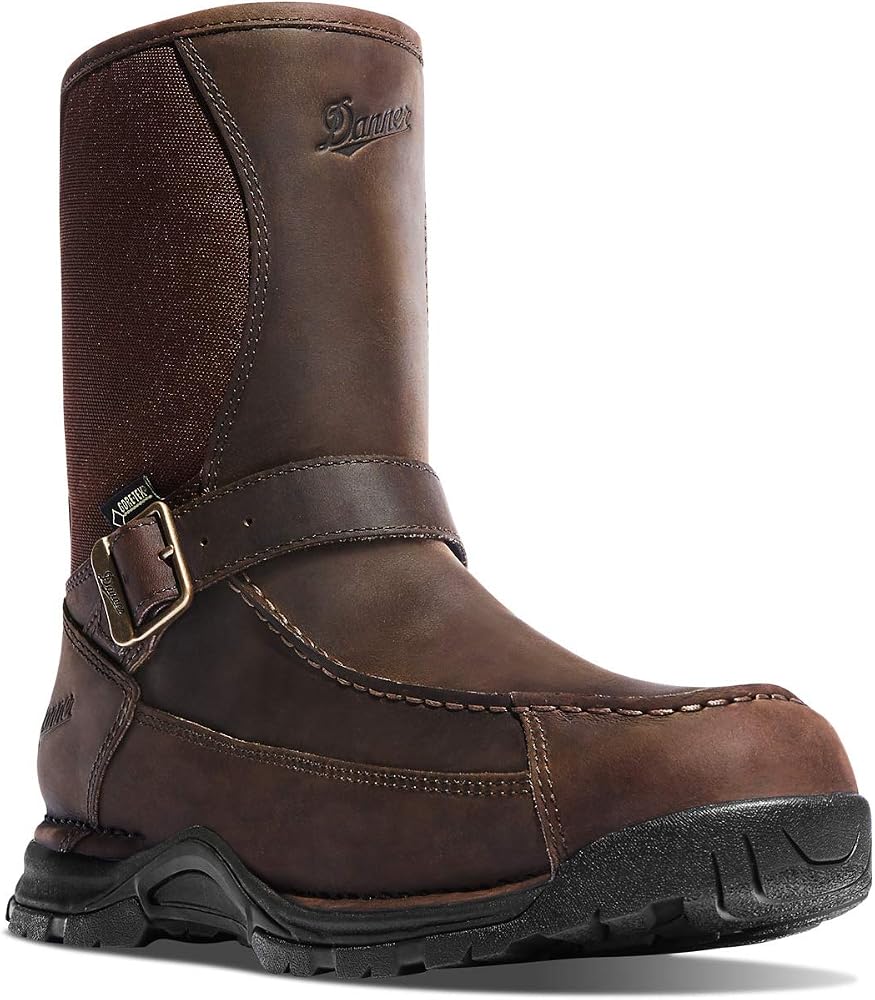
Best Boots for Seattle Weather 2026: Which One Fits the Way You Use It?
Disclosure: We may earn a commission when you buy through links on this page, at no extra cost to you. As an Amazon Associate I earn from qualifying purchases. Learn more

Discover the best boots for seattle weather for your needs. We match features to real use cases so you avoid overpaying and get the right fit the first time.
Seattle rain is rarely a single storm. It is drizzle on the morning walk, puddles at the curb, wet leaves on a hill and damp pavement for months at a time. The best boots for seattle weather are not the warmest or tallest pair you can find, but the pair that keeps your feet dry, steady and comfortable on your actual route. Use the comparison table below to match height, grip and warmth to how you spend your day.
Think first about distance and surface. A short drive asks less of a boot than two miles of bus stops, ferry decks and sloped sidewalks. Your socks and your usual hills will matter more than a long list of features.
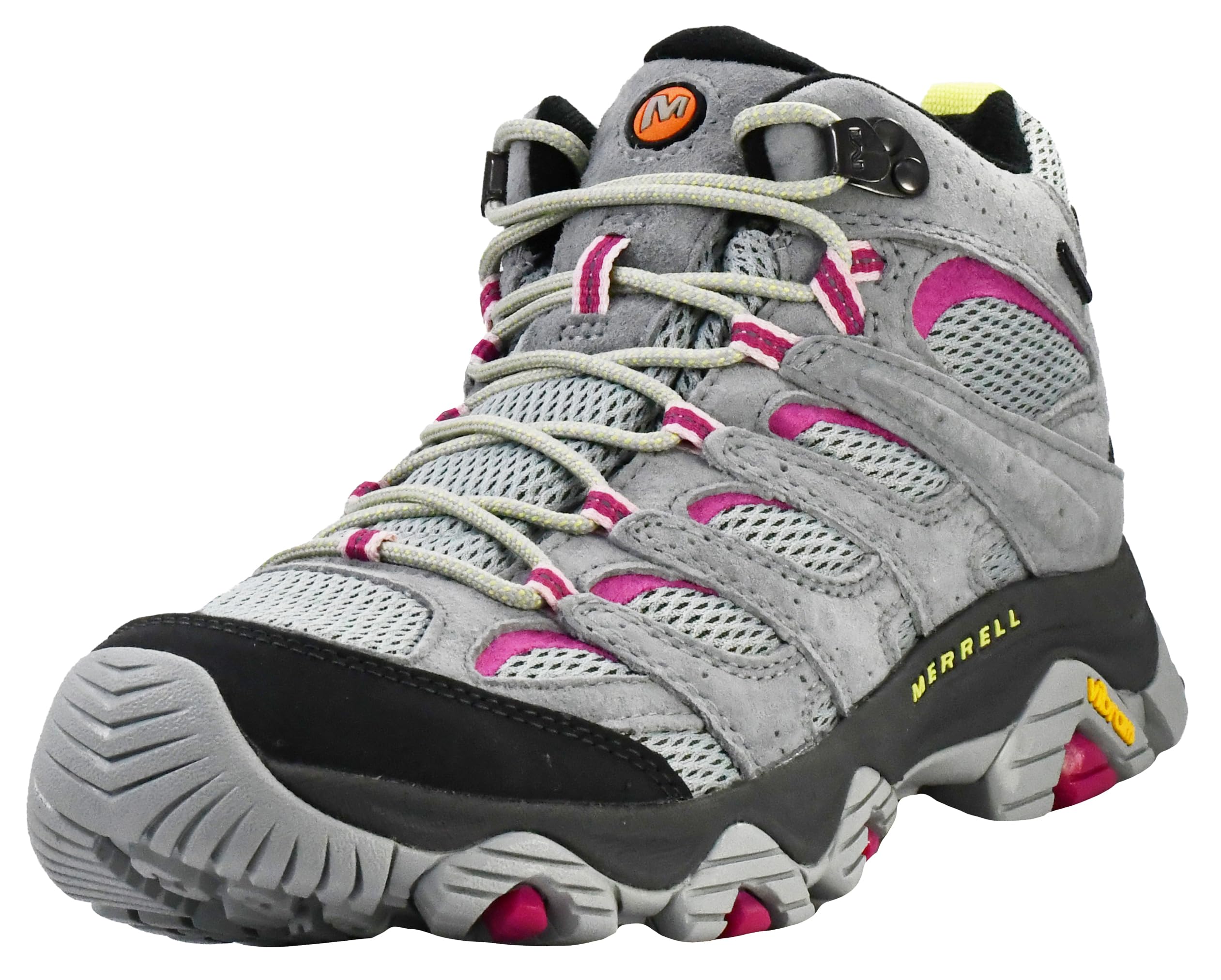

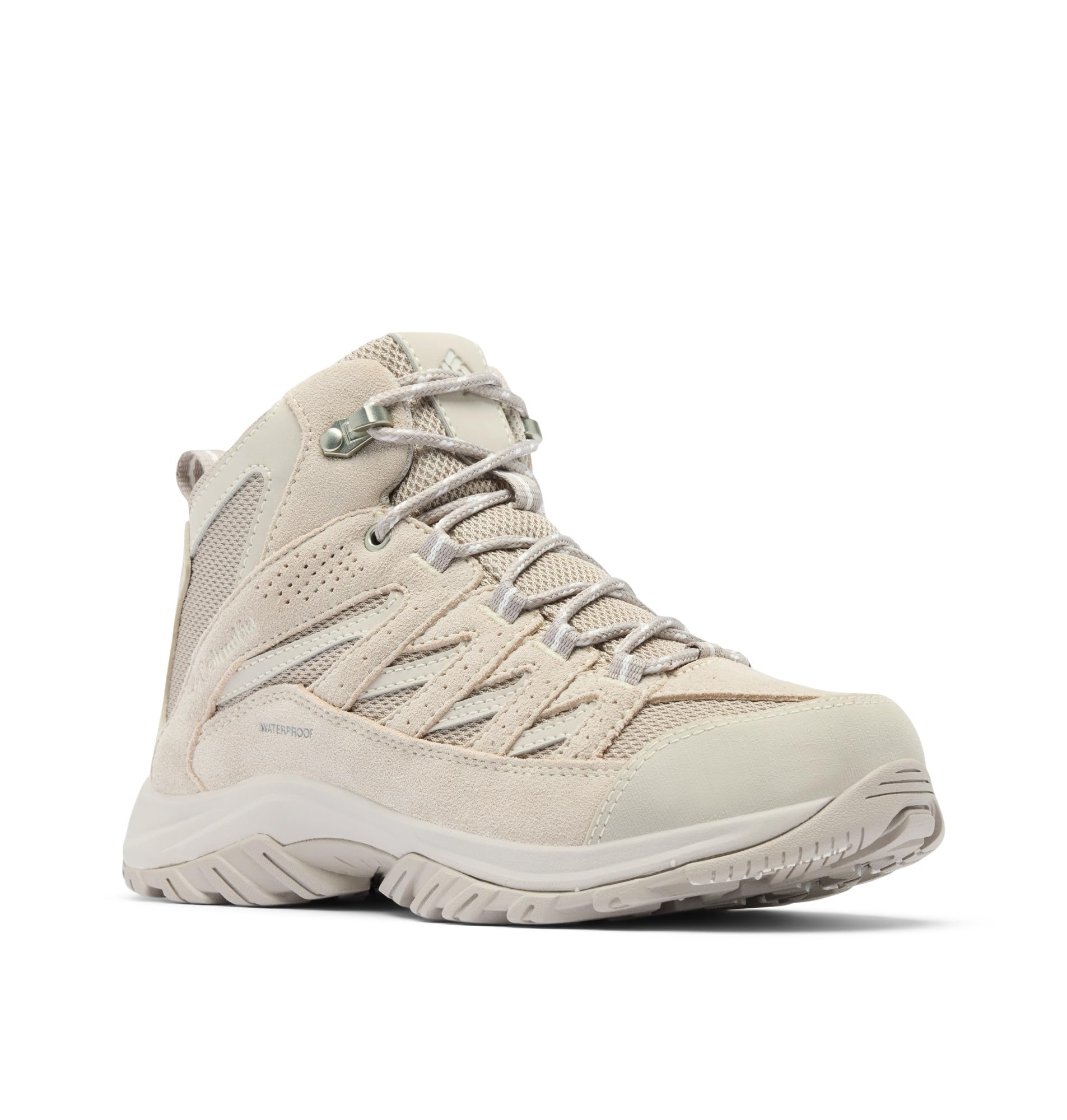
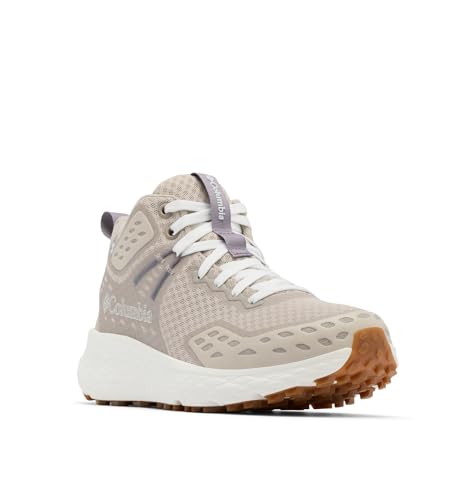


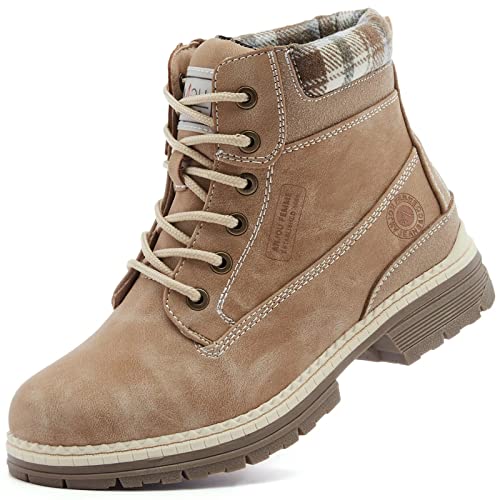
Who Should Buy Which Boots for Seattle Weather?
Start with the outing you repeat most weeks. Seattle covers mild lowland rain, cold snaps and weekend trips toward higher ground, and each pattern points to a different boot.
Daily Commuters Who Walk and Ride Transit
You walk on pavement, climb bus steps and stand on wet platforms, often for an hour or more in total. Prioritize a waterproof membrane, a grippy outsole and cushioning that stays supportive at the end of the day. A mid height boot in a lighter weight suits most commuters, because it covers the ankle against splash without feeling heavy on stairs.
Outdoor Workers and Dog Walkers in Steady Rain
You are outside whether the forecast improves or not, and you cross grass, mud and gravel as well as pavement. Prioritize taller coverage, sealed seams and a deeper tread that can clear soft ground. Leather or sturdy synthetic uppers that can be cleaned and reproofed will serve you better than delicate finishes. Readers who want a city only focus can also see our guide to the best boots for seattle for local errands and commuting routes.
Weekend Walkers Heading to Markets and Light Trails
You need one flexible pair for farmers markets, neighborhood walks and damp park paths on packed dirt. Prioritize easy entry, moderate grip and enough toe room for a full morning on your feet. You can save money here, often about $80 to $140, because you do not need the tallest shaft or the stiffest support.
Key Features to Compare
Compare these factors in order, because waterproofing alone will not help if the sole slips or the fit fails. When you shop for the best boots for seattle weather, let your route decide which factor comes first.
Membranes and Sealed Seams for Steady Rain
A waterproof membrane sits inside the upper and blocks outside water while letting some vapor escape. Gore Tex is one well known option, and many brands use their own membranes with similar aims. Look for sealed seams and a gusseted tongue, because water often enters at joins and at the laces rather than through the main panel. The trade off is breathability, so indoor workers may prefer a shorter, lighter build for the walk in.
Outsole Grip on Wet Pavement and Wet Leaves
The outsole is your contact with slick concrete, painted crosswalks, metal grates and layers of wet leaves that can slide underfoot. Softer rubber tends to grip smooth wet surfaces better than very hard rubber, while lugs of about 3 to 5 mm help on grass and mud. A mostly flat contact area suits city pavement, and deeper, widely spaced lugs suit mixed trails. Stability also comes from a firm heel and a sole that does not twist easily on a curb edge.
Cushioning and Support for Wet Pavement Miles
Cushioning softens impact on concrete, but you still need arch support that matches your foot type. Flat feet often feel better with firmer support and a stable heel, while high arches often need more cushioning under the heel and forefoot. If your ankles roll inward as you tire, choose a boot with a wider base and a structured heel counter rather than a very soft, narrow sole.
Fit, Sizing and Toe Box Room for Socks
Try boots in the afternoon, when feet are at their largest, and wear the socks you plan to use in winter. You want about a thumb width of space in front of your longest toe and no pinching across the forefoot. A roomy toe box lets toes spread on hills and helps with thicker socks, but the heel should still stay in place with little lift. If you sit between sizes, the larger size with a thicker sock usually works better than a tight fit.
Shaft Height, Weight and Breathability in Mild Cold
Ankle height boots shed light splash and suit mostly paved routes. Mid calf height adds protection in deep puddles and on muddy paths, but it adds weight and warmth. Most Seattle days sit in cool rather than bitter cold, so heavy insulation is often more than you need in the city. If summer rain is your main concern, see our guide to the best warm weather boots for lighter options that trade storm coverage for airflow.
How to Choose Boot Height and Warmth for a Seattle Week
Match the boot to the wettest part of your week, not the driest. If your route includes standing water at curbs, soaked grass or a dog park, choose the taller option. If you move between a heated bus, an office and short walks, choose the lighter option and rely on a good membrane and grip instead of bulk.
Seattle lowland winter days are often about 35 to 50 degrees, so a lined but not heavily insulated boot with wool blend socks suits many adults. Save true insulated, high coverage boots for long outdoor shifts or trips to the passes. For those colder cases, see our guide to the best cold weather boots for added insulation. If your needs span all seasons, see our guide to the best all weather boots for a broader comparison.
Common Mistakes to Avoid
These errors are common in Seattle because mild rain can make almost any boot seem adequate on a dry store floor.
- Choosing by price alone leaves you with a sole that slips on wet pavement and painted lines.
- Ignoring sealed seams and the tongue design lets water enter at the laces during steady rain.
- Buying a size too small for winter socks causes toe pressure and cold feet on longer walks.
- Picking heavy snow insulation for mild city days makes feet overheat indoors and on the bus.
- Skipping a walk test on a slope hides heel lift that can cause blisters on Seattle hills.
Making Rain Boots Last in a Wet Climate
Air dry wet boots at room temperature away from direct heat, and remove the insoles so the inside dries fully. Stuffing the boots loosely with plain paper for the first hours can help draw out moisture after a soaking. Rotate two pairs for daily wear when you can, because a full day of rest lets cushioning recover and the lining dry. Never store boots that still feel damp inside.
Brush off mud once it dries, wipe road grit with a damp cloth and reproof the upper when water stops beading on the surface. Check lugs for packed grit and look at heels for uneven wear. Store boots upright in a dry place with room for air to move. Replace a pair when the tread is smooth in the main contact areas or the upper leaks after reproofing.
Frequently Asked Questions
What features matter most in boots for Seattle weather?
Waterproofing, grip on wet pavement and a fit that works with your winter socks matter most in boots for Seattle weather. Start there before you pay for extra height or insulation. One point many buyers miss is the tongue. A tongue joined to the upper up to the ankle keeps puddle splash out far better than a loose tongue.
Do I need waterproof boots for Seattle rain?
Yes, you need waterproof boots for Seattle rain if you walk more than a few minutes or cross grass and puddles. Water resistant finishes alone shed light drizzle, but they wet through during a longer commute. In Seattle the rain often lasts all day, so a membrane and sealed seams are the safer default for most walkers.
Are expensive boots for Seattle weather worth the cost?
Expensive boots for Seattle weather can be worth the cost if you walk daily and need durable waterproofing and long lasting construction. Occasional users often do well in the middle range, about $100 to $180. Spend first on fit and grip, because a costly boot that pinches or slips is still the wrong boot. Check the return window before you commit.
Can I wear boots for Seattle weather all day at work?
Yes, you can wear boots for Seattle weather all day at work if the weight, cushioning and indoor warmth suit your job. Office workers often prefer a lighter ankle boot they can forget about at a desk. People who stand on hard floors should pay extra attention to insole support during the first week while feet adjust.
How long is the break in period for boots for Seattle weather?
The break in period for boots for Seattle weather is usually a few short walks over about one to two weeks for soft synthetic styles, and longer for stiff leather. Start with thirty to sixty minutes near home, then add distance. A good fit should feel snug but not painful from the start. Sharp rubbing, numb toes or heel blisters on the first short walk are signs to change size or style, not to push through.
Wrapping Up
Put waterproofing and wet grip first, fit the boot with your real socks and choose only as much height and warmth as your route demands. That order will serve commuters, dog walkers and weekend walkers alike, and it keeps you from paying for snow features you rarely use in the city.
Compare your short list in the product table above, then choose the best boots for seattle weather for the walks you actually take each week. The right pair is the one you will wear without thinking twice when the sidewalk is wet again.