
Best All Weather Boots: A Buyer Checklist for 2026
Disclosure: We may earn a commission when you buy through links on this page, at no extra cost to you. As an Amazon Associate I earn from qualifying purchases. Learn more
A plain buyer checklist for the best all weather boots: membranes, sealing, insulation balance, grip and fit for rain, mud and snow.
A checklist beats a hunch when a boot has to handle rain in April, slush in January, and mud in between. The best all weather boots are not the warmest, the lightest, or the most sealed pair on the shelf; they are the pair whose membrane, insulation, and tread match your weather. Start with the claim itself: all weather is a membrane and sealing class claim, and a barrier lining plus sealed seams keep water out only up to the lining top. Step into water above the collar and it flows in, so deep water belongs to a different boot class, the tall rubber boot.
The second check is season honesty. A single boot for every season is a compromise by design: insulation heavy enough for deep winter traps heat in summer, and a light breathable build that feels right in July surrenders cold protection in January. If deep snow and hard cold dominate your year, a dedicated pair from the best cold weather boots class beats any compromise. Score each candidate against the product table and the six checks that follow.
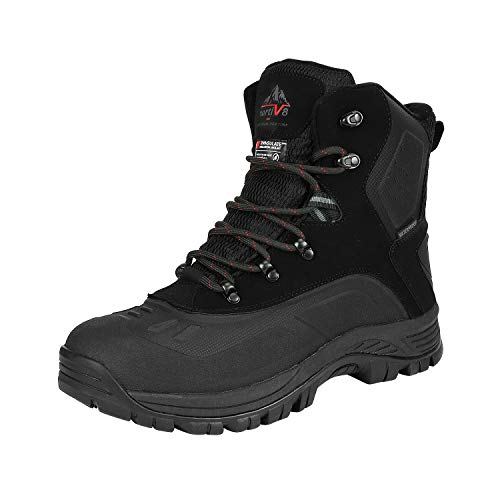
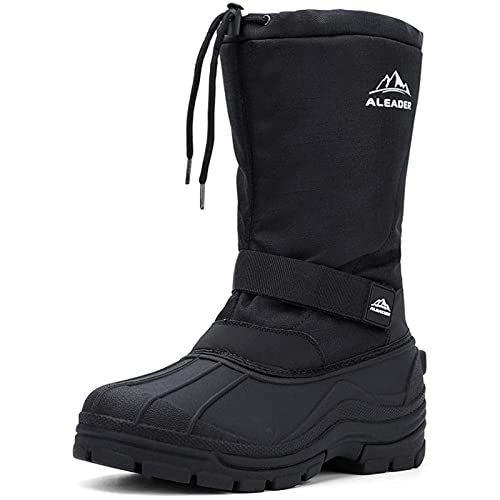

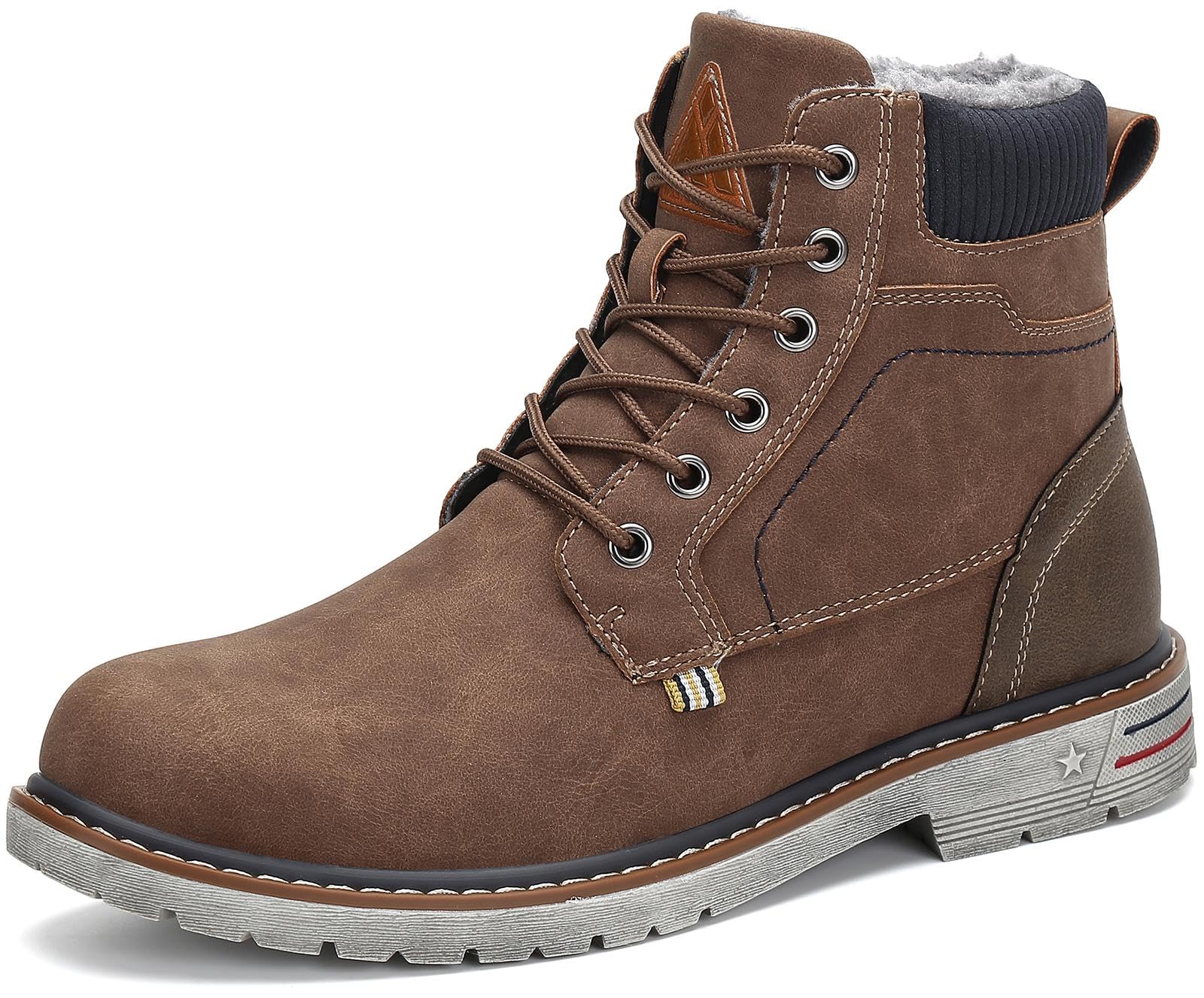

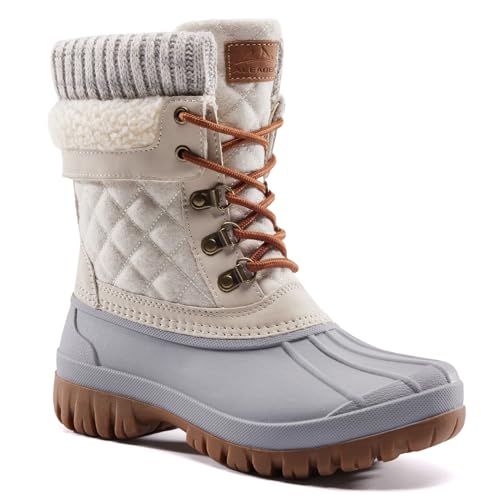


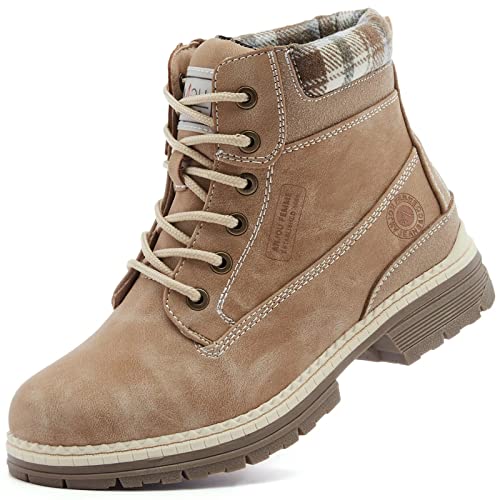
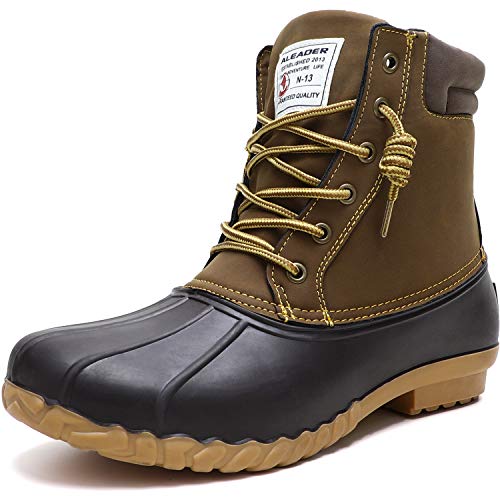
The Buyer Checklist: Six Checks That Matter
Each check below names what to look at and where weak boots give themselves away. None requires special tools; your hands, your eyes, and a thick pair of socks will do.
Fit, Sizing, and Toe Box
Measure both feet late in the day, at their largest, and try boots on with the thickest socks you plan to wear. You want a thumb width ahead of your longest toe, a heel that stays seated, and a toe box wide enough for your toes to spread on descents. Weather boots run warm, so a fit that feels snug in thin store socks often turns cramped once real socks and a swollen afternoon foot enter the picture.
Durability and Expected Lifespan
Read the boot as a chain of parts: upper, seam stitching, sole bond, and hardware. Full grain leather and densely woven synthetic uppers outlast thin fashion leathers, and a stitched welt or a well bonded sole survives flexing longer than a glued edge. Expect a hard used pair to give two to four seasons before seams soften or the bond tires. Daily pavement wear eats tread long before the upper fails, so watch the heel edges for the fastest wear signal.
Outsole Traction and Terrain
Grip is a tread and compound claim. Deep, widely spaced lugs clear mud and bite into soft ground, while softer compounds grip smooth wet stone and tile better than hard ones. Treat any promise of total slip protection as marketing, because no boot can promise that you will not fall. Match the pattern to your ground: aggressive lugs feel clumsy and wear fast on city pavement, and shallow city tread leaves you skating on muddy trails.
Break In Period and Comfort Out of the Box
Synthetic and fabric boots feel right within a few short walks, while leather boots ask for one to two weeks before the ankle and forefoot soften. Judge comfort in the store by the absence of specific faults: no heel lift, no pressure point over the toes, no seam rubbing the ankle bone. A boot that hurts in one spot rarely improves at home, because break in softens materials but does not move seams.
Cushioning and Support
Cushioning does two jobs: it softens impact on hard ground and insulates your foot from cold pavement. A midsole that feels plush in the store can pack down within a season, so favor moderate firmness over pillow softness for daily miles. Support comes from the shape of the footbed and the stiffness of the shank, not from marketing words. A removable insole matters if you stand on concrete all day, because you can replace the cushioning without replacing the boot.
Waterproofing: Membranes and Sealed Seams
The lining height is the ceiling; this check covers everything below it. Look for a gusseted tongue attached high on both sides, seams that are taped or sealed rather than plain stitching, and a membrane that runs the full height of the upper. The same sealing traps heat and sweat in warm wet regions, which is why many walkers in mild climates choose best warm weather boots with little insulation and faster drying fabrics instead. Keep the outer fabric clean, since dirt holds water against it and slows drying.
What Each Price Band Buys
Prices sort weather boots into three broad classes, and the product table sits inside them. Readers comparing men's cuts will find the companion guide to best all weather boots men's useful too.
Budget Class Boots
At about $30 to $100 you get synthetic uppers, a basic membrane, and a cemented sole. These boots handle commuting, dog walking, and light trails well for a season or two. The limits are thinner insulation, soles that smooth out sooner, and linings that wear at the heel. This class suits occasional wet weather and growing feet that change size yearly.
Midrange Class Boots
At about $100 to $180 the materials step up: better membranes, leather uppers, and midsoles that hold their shape. Insulation becomes a real choice here rather than a token lining, and fit ranges widen. Most walkers who wear weather boots several days a week land here, because it balances lifespan against price best.
Premium Class Boots
At about $180 to $300 you are paying for construction: stitched welts, premium leather, replaceable components, and membranes with stronger durability. These boots suit daily wear in harsh climates and outdoor jobs. The gain is lifespan and repairability rather than dryness, since a midrange membrane already keeps rain out. Buy this class when the boot is a tool, not a backup.
Quick Buyer Checklist
Run through these questions before you order. If most of your wet weather arrives hot, weight the airflow questions heavily; the guide to best boots for hot weather covers that end.
- Does the waterproof lining reach two thirds of the way up the upper?
- Are the tongue gussets attached on both sides?
- Is there a thumb width of room ahead of your longest toe with thick socks on?
- Does the tread pattern match your ground, lugs for mud or fine tread for pavement?
- Is the insulation matched to your coldest month, not your average month?
- Can the insole be removed and replaced?
- Does the return window cover a week of indoor wear?
Red Flags to Watch For
- A waterproof claim with no mention of a membrane, sealed seams, or lining height.
- Temperature ratings with no method named, since makers measure them differently.
- Tread so shallow it looks like a dress shoe, sold as trail ready.
- A price far below every similar boot, paired with buyer comments that repeat the same phrases.
- No stated weight, no stated lining, and no return policy on the product page.
Tips to Get the Most From Your Weather Boots
Air dry wet boots away from direct heat, since radiators and heaters crack leather and tire adhesives. Stuffing them with newspaper overnight pulls moisture from the lining and holds the shape.
By the door, a tray keeps melt water off the floor; choosing best all weather mats for the entry is a separate purchase from the boot, protecting the floor rather than your feet. Rinse road salt off uppers after winter walks, because salt dries leather and stains fabric. Rotate two pairs if you wear them daily, so each dries fully between wears.
Questions Answered
How should all weather boots fit?
All weather boots should fit with a thumb width of space ahead of your longest toe, a heel that does not lift, and room for your thickest winter socks. The point most buyers miss is width at the midfoot: a boot that fits in length but squeezes the midfoot will ache within an hour, because feet swell as they warm. Try boots late in the day, walk a slope or stairs in the store if you can, and judge the fit at your biggest, warmest foot, not your morning foot.
How long does the break in period last for leather weather boots?
Leather weather boots usually need one to two weeks of short daily wears before they feel fully yours, while fabric and synthetic models need only a few walks. The rule is progression: wear them around the house, then on short errands, then a full walk, adjusting laces at the first hot spot instead of pushing through it. A blister during break in usually means the heel is lifting, which thicker socks or a new lacing pattern can often fix.
Do all weather boots need a waterproof membrane?
No. A membrane is one route to dry feet, not the only one. Tall rubber boots shed water with the material itself and suit garden and farm work, while waxed leather with sealed seams handles rain on short outings. The membrane earns its place on longer walks in steady rain, where every stitched seam is a potential entry point. Choose by exposure: minutes of rain forgive simple construction, while hours of rain punish every shortcut in the sealing.
Are expensive all weather boots worth the money?
They are worth it when you wear them often enough for lifespan to matter. A premium boot worn two hundred days a year costs less per wear than a budget boot replaced every season. The math reverses for occasional use, where a midrange pair gives the same dry feet for far less money. Spend first on fit and sealing, which decide comfort and dryness, and let construction quality come second.
How often should all weather boots be replaced?
Replace all weather boots when the sealing or the structure fails, not on a fixed schedule. The clearest signs are cracks opening at the flex points of the upper, a lining worn through at the heel, and seams that weep in light rain they once shrugged off, while scuffs and faded color mean nothing. One practical check is the puddle check: stand in shallow water for a minute, and if your socks dampen, the boot has become fair weather footwear.
The Bottom Line
Run the checklist in order: lining height and sealing first, season honesty second, tread matched to your ground third. Fit decides whether any of it matters, so measure late in the day. The best all weather boots for you are the pair that passes those checks at a price band your wear pattern can justify. Compare the product table against your answers, and let your coldest, wettest week cast the deciding vote.


