
Best Boots for Seattle in 2026: What Actually Matters Before You Buy
Disclosure: We may earn a commission when you buy through links on this page, at no extra cost to you. As an Amazon Associate I earn from qualifying purchases. Learn more

Choose Seattle boots for wet sidewalks, hills and daily commutes with guidance on waterproofing, outsole grip, toe box fit, support and simple care.
Seattle rain rarely arrives as one hard storm. It settles in as drizzle, wet leaves, slick crosswalks and puddles that stay for hours. The best boots for seattle handle that steady damp while still feeling good on hills. Use this checklist and the comparison table below to judge waterproofing, grip and fit before price.
Think first about a normal week, not your worst day outdoors. Count your hill climbs, bus stops and dog walks, because those minutes decide shaft height, weight and cushioning.


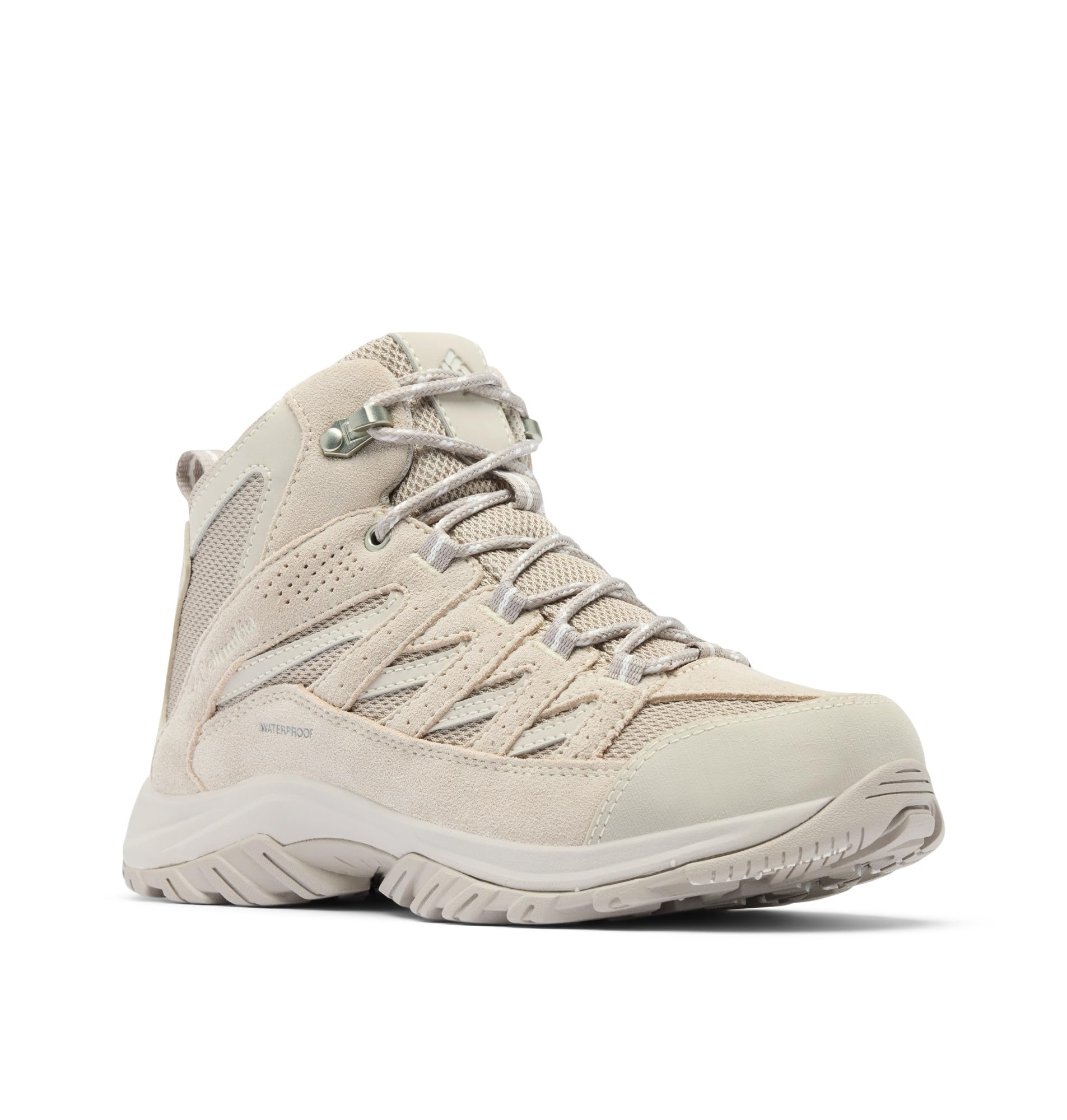
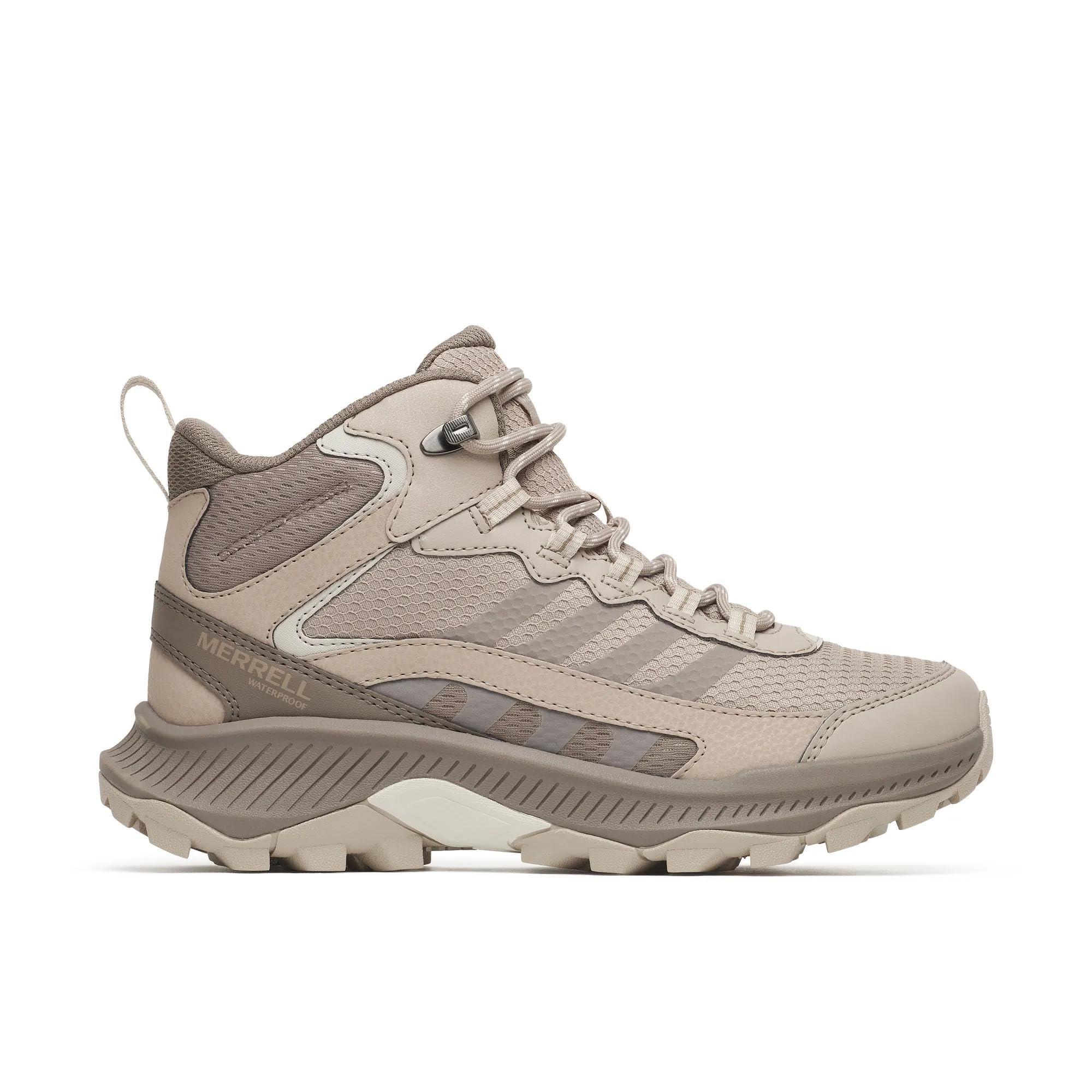

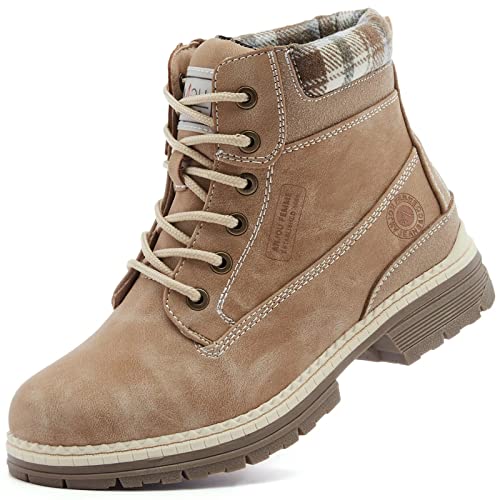

Who Should Buy Boots for Seattle Streets and Hills?
Seattle rewards boots that do several jobs well. Your main route and your usual socks will point you to a different build than a neighbor needs.
Daily Commuters Who Walk Hills and Ride Transit
You climb grades, wait on damp platforms and step on and off buses many times a day. Choose a mid height boot with flexible forefoot bend, moderate cushioning and an outsole that grips wet concrete. A lighter build matters here, because extra weight feels larger on the last hill home.
Dog Walkers and Outdoor Workers in Steady Rain
You stay out when sidewalks flood at the corners and grass turns soft. Choose taller coverage, sealed seams and an upper that sheds water instead of soaking it up. You also need a roomy toe box for thicker socks. A gusseted tongue helps too, because it keeps water from slipping in at the laces.
Students and New Residents Who Walk Everywhere
You may cover campus paths, grocery runs and evening walks in one pair. Choose a versatile waterproof boot that looks neat with everyday clothes and still supports long walks. Versatility saves money only if the boot fits well, so prioritize fit and traction over styling details. A simple dark upper hides rain spots well.
Key Features to Compare
Compare each factor below in order, because a strong score in one area cannot fix a failure in another. A waterproof boot that slips, or a grippy boot that pinches, will stay in the closet.
Waterproofing With Gore Tex and Sealed Seams
Waterproofing means a membrane inside the boot blocks outside water while seams and tongue joins are sealed against leaks. A Gore Tex lining is one common option, and other membranes can work if the construction is sound. For Seattle, full waterproofing suits daily rain better than a light spray coating that fades. Check that the tongue is attached at the sides, because an open tongue lets puddle water enter even when the membrane works well.
Outsole Grip on Wet Pavement and Slopes
The outsole is the rubber layer that meets the ground, and its pattern decides how you handle slick brick, wet leaves and smooth concrete. Look for many small edges and channels that move water aside, plus a heel shape that bites when you walk downhill. Softer rubber often grips wet stone better than very hard rubber, though it may wear faster. Avoid a flat dress sole for hill routes, because it offers few edges to catch.
Fit, Sizing and Toe Box Room for Socks
Fit decides whether good materials help or hurt. Measure both feet late in the day, when feet are at their largest, and try boots with the socks you plan to wear in rain. Your toes should wiggle without hitting the front on a downhill step, and your heel should stay put on stairs. If you fall between sizes, the larger size with a thicker insole often works better than a tight boot that limits circulation.
Upper Materials and the Breathability Trade Off
Upper materials shape both rain protection and airflow. Full grain leather resists scuffs and sheds light rain well once treated, while synthetic panels dry faster and often weigh less. Mesh boosts breathability on mild days but lets rain pass unless a membrane sits behind it. For Seattle, choose a mostly closed upper for the rainy seasons, and save open mesh styles for drier summer use when cooling matters more than a brief shower.
Arch Support, Cushioning and Stability for Long Walks
Arch support holds the midfoot so your stride stays steady on uneven sidewalks, and cushioning softens impact on concrete. Flat feet often feel better with firmer support and a stable heel, while high arches often need more padding under the forefoot. Notice overpronation, where the foot rolls inward, because a stable boot can reduce that roll on long walks. Support should feel present without pushing hard into the arch in the store.
Weight, Flexibility and Shaft Height for Puddles
Weight and flexibility decide how fresh your legs feel after several miles. A boot that bends at the toes but stays firm through the midfoot walks naturally and still protects on gravel. Shaft height is your puddle defense, with ankle height fine for light rain and mid calf height better for flooded corners. Taller shafts add coverage, though they can feel stiff in warm weather and take longer to dry.
Choosing a Boot Type and Running a Quick Buyer Checklist
Start with boot type. Tall rain boots give the most puddle coverage, but they often offer less arch support for long hill walks. Waterproof hiking style boots give stronger traction and support, while waterproof casual boots balance a neat look with daily comfort. That balance is what makes a pair count among the best boots for seattle for daily use.
If standing water is your main concern, see our guide to the best rain boots for seattle for taller shaft options and calf fit advice.
- Does water stay out when you stand in a shallow puddle for a full minute?
- Does the outsole grip a wet slope without your foot sliding forward?
- Can you wiggle your toes while wearing your thickest rain day socks?
- Does your heel stay in place when you walk down stairs?
- Does the boot bend at the toes without folding through the midfoot?
- Is the shaft tall enough for the deepest puddles on your route?
- Can you clean grit from the outsole and seams with little effort?
Watch for red flags while you compare. Vague waterproof claims with no mention of a membrane or sealed seams, a smooth sole sold for hill use, and no width options all suggest weak design. Short return coverage matters too, because fit problems often appear only after a longer walk.
Common Mistakes to Avoid
Most Seattle boot regrets come from testing for the wrong weather or the wrong walk.
- Buying water resistant boots for daily rain leaves socks damp by midday and uppers slow to dry.
- Choosing a smooth fashion sole for hill routes raises your slip risk on wet brick and crosswalks.
- Sizing boots with thin socks in the morning leads to pinched toes once thicker socks go on.
- Picking the tallest shaft for every trip adds heat and stiffness on mild days.
- Ignoring return terms leaves you stuck with a boot whose heel slip shows only downhill.
- Storing wet boots in a closed closet traps odor and slows drying of linings.
Care and Maintenance for Boots Worn in Seattle Rain
Air dry wet boots at room temperature away from direct heat, because a heater can crack leather and warp adhesives that hold the sole. Pull out the insoles, loosen the laces and stuff the toes with plain paper to draw moisture out. Rotating two pairs gives each pair a full day to dry.
Brush off grit before it grinds into seams, rinse mud with plain water and wipe leather dry. Renew proofing only as the maker directs, because heavy wax can block breathability on some builds. Check lugs each month, and retire a boot when the outsole turns smooth where you push off.
FAQ
What features matter most in boots for Seattle rain and hill walking?
Waterproof construction, wet grip and a secure fit matter most for Seattle rain and hill walking. Start with sealed seams and an attached tongue, then check outsole edges on a slope. One extra local point is leaf season, when wet leaves act like a slick mat, so deeper sole channels help more in fall than in summer.
How long is the break in period for new boots worn daily in Seattle?
Most modern Seattle daily boots feel comfortable within about three to five shorter walks. Start with one hour outings on flat blocks, then add hills once hot spots fail to appear. Even creasing at the forefoot without heel blisters is a useful sign of progress. If pain sharpens instead of fading, the size or shape is likely wrong rather than stiff.
How often should I replace boots worn every day in Seattle?
Replace daily Seattle boots when grip, support or waterproofing fails, even if the upper still looks sound. Many daily walkers reach that point after about one to two years of heavy use. Watch for smooth lugs at the heel, a midsole that feels flat on concrete and damp socks in light rain. Failed function matters more than a fixed calendar date.
Are expensive boots worth it for Seattle commuters?
Expensive boots can be worth it for Seattle commuters when the extra cost buys sealed construction, better rubber and a replaceable insole. Those upgrades show up as dry socks and steadier hill descents over many months. Price alone proves little though, so compare outsole design and warranty length first.
Do I need waterproof boots for Seattle, or is water resistant enough?
You need full waterproof boots for Seattle if you walk daily through the rainy months. Water resistant uppers handle a brief shower on a short trip from a car, but steady drizzle and puddle splash overwhelm most coatings. Exposure time decides more than rainfall totals, so judge by your commute length. Keep a water resistant pair as a backup for dry spells.
Final Thoughts
Put waterproofing, wet grip and honest fit at the top of your list, and let style and price settle what remains. Match shaft height to your puddles, support to your walking distance and weight to your hills. Then check your final choice against the product table above before you order.
Chosen that way, best boots for seattle becomes a clear standard for your own route. Pick the pair that keeps you dry and steady, and city rain becomes background rather than a barrier.


