Best Boots for Sanitation Workers in 2026: Which Type Is Right for You?
Disclosure: We may earn a commission when you buy through links on this page, at no extra cost to you. As an Amazon Associate I earn from qualifying purchases. Learn more

Compare the best boots for sanitation workers by waterproofing, grip, toe protection and comfort, with a fit checklist and care tips for wet waste work.
Sanitation work soaks, splashes and wears out ordinary work boots fast. You step through wash water, spilled liquids and grit all shift, so the best boots for sanitation workers have to keep waste out as well as keep your feet steady. Use the comparison table below to match each type to your route and floor.
This guide compares boot types, not brands. It explains who needs a tall sealed shaft, who needs ankle support for truck work, and which features matter most on slick floors.




Who Should Buy Which Boots for Sanitation Work?
Start with the wettest part of your shift, because that moment decides shaft height, sole pattern and toe protection more than price does.
Curbside Collection Crews
You climb in and out of a truck, walk short bursts on wet pavement and lift heavy bins at the curb. Choose a lace up or mid height boot with strong ankle support and a sole that grips painted curbs and slick asphalt. A safety toe guards against a dropped bin, and a roomy fit helps because feet swell during a long route.
Transfer Station and Recycling Floor Workers
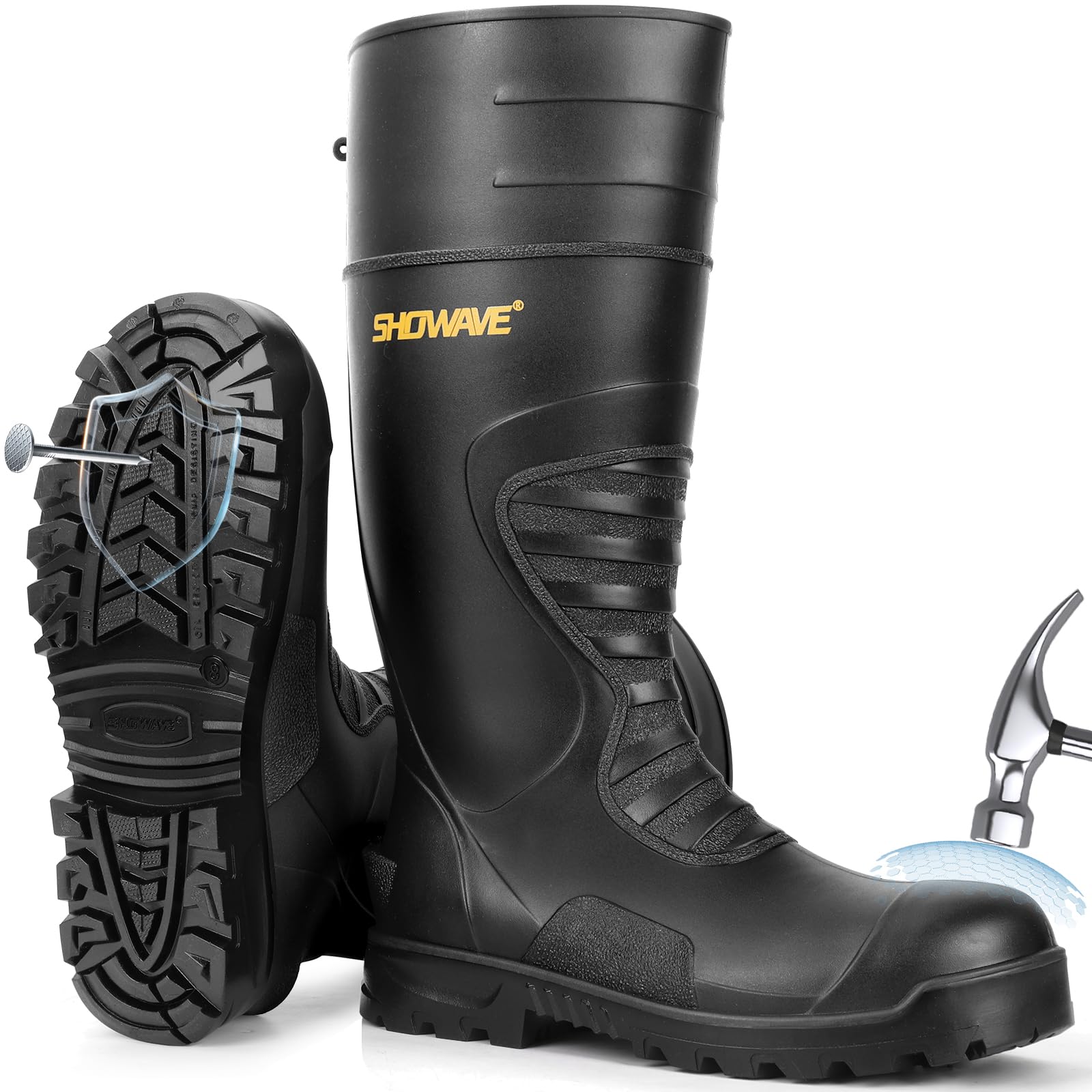
You stand and walk on wet concrete where broken glass, metal edges and spilled liquids are part of the floor. Choose a sealed waterproof boot with a puncture resistant midsole and a sole made for oily surfaces. For a walking comparison, see our guide to the best boots for concrete workers, since those floors punish cushioning in a similar way.
Sewer, Drain and Street Cleaning Crews
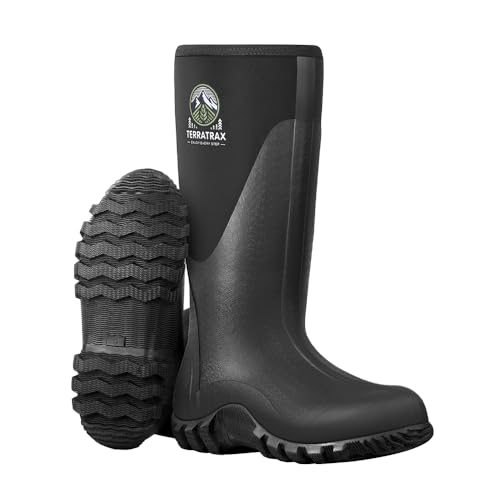
You work in standing water and wash down spray, and liquids can reach well above the ankle. Choose a tall pull on boot that rises close to the knee, with no laces or tongue gaps where water enters. The shaft should fit your calf closely enough to keep debris out, and the upper should rinse clean at the end of the shift.
Sanitation Boot Styles Compared: Pull On, Lace Up and Mid Height
Three boot types cover almost every sanitation job. They differ in shaft height, ankle support and cleaning speed.
Tall Pull On Waterproof Boots
These boots use a one piece rubber, PVC or neoprene upper with sealed seams and no laces, so wash water and waste stay outside. They give the best splash protection and hose down clean in minutes, which suits sewer and wash bay work. The tradeoff is heat, because a tall sealed shaft lets little air move. Fit matters more than usual here, since laces cannot adjust the shape. Most pairs cost about $80 to $160.
Lace Up Waterproof Work Boots
These boots pair a waterproof membrane, such as Gore Tex, or a sealed leather upper with a gusseted tongue that blocks water at the laces. Laces let you tune the fit around the ankle, so support feels better for climbing, driving and lifting. They protect well against rain and shallow puddles, but deep water can pass the top of the shaft. Cleaning takes longer around eyelets and seams. Most pairs cost about $120 to $220.
Lightweight Mid Height Waterproof Boots
These boots cut weight with fabric panels and thinner soles, and they suit dry routes, sorting lines and supervisory rounds where deep water is rare. You get easier walking and better breathable comfort on warm days. The lighter build gives up some puncture protection and usually wears sooner on rough concrete. Choose this type only when splash height stays low and sharp debris is uncommon. Most pairs cost about $90 to $170.
Tall Pull On Boots vs Lace Up Boots: Which Should You Choose?
Pick the tall pull on type when liquid depth is your main risk, because shaft height and sealed seams decide whether your socks stay dry. Pick the lace up type when movement is your main risk, because ankle support and a tuned fit matter during lifting and climbing. Then weigh cleaning time, because a boot you can rinse in two minutes gets cleaned properly every shift. That daily habit is why the best boots for sanitation workers often outlast pricier pairs that stay dirty.
Key Features to Compare
Judge every model against the factors below, in this order. Waterproofing that fails makes comfort pointless, and a sole that slips makes every other strength irrelevant. For durability, look for well bonded sole joints and uppers without thin fabric patches, since those points open first under daily wash downs.
Outsole Traction on Wet Concrete and Slick Floors
The outsole needs soft rubber that stays flexible in cold weather, wide channels that push water aside, and lugs that bite on gravel at the curb. Deep lugs help outdoors but can clog with waste, so floor crews often do better with a flatter pattern and many small edges. Wet kitchen floors behave much like plant floors, so see our guide to the best boots for kitchen workers for more on slick surface grip. Test grip on a wet, painted line, where weak soles slip first.
Waterproofing, Shaft Height and Chemical Resistance
Match shaft height to the deepest liquid you meet, then add a margin, because splashes travel higher than standing water. Rubber and PVC uppers resist common cleaning chemicals and rinse clean, while leather needs a sealed finish and more care after chemical contact. Check that seams are sealed, not only stitched, and that the tongue is attached along both sides. No membrane matters once water flows over the top of the boot.
Safety Toe and Puncture Protection
A safety toe in steel or composite guards against dropped bins, compactors and falling metal, and composite toes feel lighter during a long shift. A puncture resistant midsole matters where glass and nails hide in loose waste. Rail crews face a similar mix, so see our guide to the best boots for railroad workers for that angle. A cut or puncture wound, spreading redness, swelling or a chemical burn needs prompt medical care, so report it, seek treatment and talk with your clinician and safety lead about return to work.
Cushioning, Arch Support and Stability for Long Shifts
You may stand for hours on concrete, so cushioning under the heel and forefoot protects your knees and lower back by late shift. Arch support keeps the foot from rolling inward as muscles tire, and a stable, wide base helps when you carry a bin across uneven ground. Removable insoles let you swap a worn pair without replacing the boot. Route crews who walk miles each day can also see our guide to the best boots for ups workers, since that work rewards light, supportive footwear.
Fit and Toe Room Over Thick Work Socks
Try boots late in the day, when your feet are at their largest, and wear your work socks. Your toes should wiggle freely in the toe box without sliding forward on truck steps, and your heel should stay seated when you lift a bin. For tall pull on styles, check calf room with your work pants tucked in or out, as you actually wear them.
Common Mistakes to Avoid
- Buying a low shoe for wet waste work lets liquid and debris reach your socks within the first hour.
- Choosing smooth soles for plant floors turns every wash down into a slip risk for you and your crew.
- Skipping puncture protection on sorting floors leaves your feet exposed to glass and metal hidden in waste.
- Wearing boots that fit tightly in the morning causes blisters and numb toes once feet swell by midday.
- Leaving dirty boots unrinsed lets chemicals and grit break down seams and shorten the life of the pair.
- Using one pair daily without drying time keeps the lining damp and speeds up odor and wear.
Care and Maintenance for Sanitation Boots
Rinse the outside of your boots after every wet shift, using plain water and a soft brush for grit in the sole channels. Wash off chemical splashes right away, because residue left overnight can stiffen rubber and attack stitching. Shake out debris, remove the insoles and let everything air dry away from direct heat, since heaters crack leather and warp rubber.
Rotate two pairs if you work daily, so each pair dries fully between shifts. Check soles for worn smooth spots, cracks and objects stuck in the tread each week, and inspect seams after any heavy impact. Store boots upright in a dry place.
FAQ
What features matter most in boots for sanitation workers?
Sealed waterproofing, slip resistant grip and toe protection matter most for sanitation workers. After those three, judge shaft height against the deepest liquid on your route. A boot that keeps waste out and keeps you upright prevents the two problems that end shifts early, wet feet and falls.
How should boots for sanitation workers fit at the calf and toes?
Boots for sanitation workers should leave wiggle room at the toes and a close, gap free fit at the calf on tall styles. A loose calf lets wash water and grit pour in from the top, even when the boot itself is fully waterproof.
Are expensive boots for sanitation workers worth the cost?
Expensive boots for sanitation workers are worth it when the extra cost buys sealed seams, a puncture resistant midsole and a replaceable insole. Those parts extend service life on wet concrete, so cost per shift often drops. Skip paying more for fashion leather or heavy insulation you do not need, because neither helps in wash water.
How often should sanitation workers replace work boots?
Sanitation workers should replace work boots when the tread turns smooth, the upper cracks, or water starts entering at a seam. On daily wet routes that point often arrives after about 6 to 12 months of use.
Do sanitation workers need waterproof boots on dry routes?
Yes, sanitation workers still benefit from waterproof boots on dry routes, because one spilled load or wash down can soak a non waterproof pair for the rest of the shift. A shorter waterproof style keeps the weight and heat down on those routes.
The Bottom Line
Match shaft height to your deepest liquid, demand grip made for slick floors, and protect your toes where waste hides sharp edges. Fit the boot late in the day with work socks, and rinse it after every wet shift. Use the product table above to compare types against those points.
Chosen that way, best boots for sanitation workers become a match between your route, your floor and your feet.