
Best Boots for Concrete Workers: A Buying Guide for 2026
Disclosure: We may earn a commission when you buy through links on this page, at no extra cost to you. As an Amazon Associate I earn from qualifying purchases. Learn more

Slab cushioning, alkali care, toe classes, and waterproof heights explained for crews choosing the best boots for concrete workers.
Concrete work asks more of a boot than almost any other trade. You stand on a flat, unforgiving surface for the whole shift, you work around wet material that attacks leather and skin, and you still need grip, toe protection, and a fit that holds up by hour ten. Choosing the best boots for concrete workers starts with those three facts, not with a label on a box.
This guide walks through the choices in the order the work presents them: the surface under your feet, the wet material against the boot, then fit, safety classes, height, and weight. The product table lines up the main boot types side by side so you can match each section to a style before you spend anything.



How to Choose the Best Boots for Concrete Workers
Most boot advice is written for mixed ground, trails, or warehouse floors. Concrete is different because the surface never changes and never gives. The points below are the ones that decide whether a pair of best work boots for concrete workers still feels workable at the end of a long week.
Standing on a Finished Slab All Day
A finished slab is a flat, hard standing surface with no slope, no soft spots, and nothing to absorb the load of your body weight. Every step lands the same way, hour after hour. On ground like that, the cushion class inside the boot is the comfort half of the purchase. A thicker midsole and a shaped insole spread the standing load across the whole foot instead of letting it sit on the heel and the ball.
Comfort here means fit and load spreading, nothing more. No boot prevents or relieves pain or injury, and cushioning does not change that. If you notice pain, numbness, or swelling that persists beyond the normal end of day tiredness, that is a sign to see a clinician, not a sign to buy a softer insole and push through.
Wet Concrete, Alkali, and the Rinse Rule
Wet concrete is strongly alkaline, and that chemistry is hard on everything it touches. Left sitting on leather, it draws out the oils that keep the hide flexible, and the leather slowly dries, stiffens, and cracks. On skin, prolonged contact can burn and irritate, so wet concrete that gets inside a boot should be washed off skin with clean water as general safety practice.
The habit that protects the boot is simple. Rinse the boots with plain water at the end of any day they met wet concrete, knock off the buildup around the sole edge, and let them dry at room temperature away from direct heat. Boots that get rinsed the same day last far longer than boots that carry dried concrete for a week.
Fit, Sizing, and the Toe Box
Feet swell across a working day, so try boots on in the afternoon, wearing the socks you actually work in. Your heel should sit locked without lifting, and your toes need room to spread under load rather than pressing the front of the boot. A wide toe box matters on slab work because your forefoot carries weight evenly for hours at a time.
Length is not the only measure. If one foot is larger, fit the larger foot and use the lacing to settle the smaller one. A boot that feels snug in the morning can feel a full size smaller by the afternoon pour, so a fitting that starts tight rarely improves with wear.
Safety Toe Classes and Certification
Where the site calls for toe protection, the class needs to be a certified class, marked on the boot under a recognized safety standard. A thick looking toe area without that mark is not a safety feature, whatever the listing implies. Steel, composite, and alloy caps all exist inside the certified classes, and they trade weight and temperature feel rather than protection level.
Check what your employer and your site rules actually require before choosing. Some concrete crews also need a puncture resistant midsole for work around rebar offcuts and formwork nails. The right move is to match the certified classes on the boot to the written rules of the job, not to a salesperson's summary of them.
Height and Water Protection for Pour Days
A pour day is a long wet day. You may stand at the edge of fresh concrete, walk through washdown water, and hose off tools before the light goes. Boot height decides how much of that stays outside. A tall shaft keeps splashes and shallow wet material away from your socks, while a shorter boot is easier to walk in once the work turns to finishing and cleanup.
A waterproof membrane adds a second line of defense for wet ground and morning washdowns. It also holds warmth and slows drying once water does get in, so a membrane boot is a pour day and wet season choice rather than an automatic upgrade for dry slab work indoors.
Weight, Flex, and End of Day Fatigue
Every ounce on your foot is lifted thousands of times a shift. Heavier boots with stiff soles protect well and shrug off rough ground, but they ask more of your legs by the last hour. Lighter, more flexible boots feel easier on a smooth slab, where the surface itself does part of the protecting.
The honest trade is protection against fatigue. On flatwork and finishing, where the ground is smooth and the hazards are known, many workers favor the lighter end. Around demolition, rebar, and rough site ground, the heavier build earns its weight.
Types of Boots for Concrete Work
The styles below cover the same ground as the product table, sorted by the job each one does best. Readers comparing general surface options often start with the broader best boots for concrete category before narrowing to a trade routine.
Rubber Pour Boots
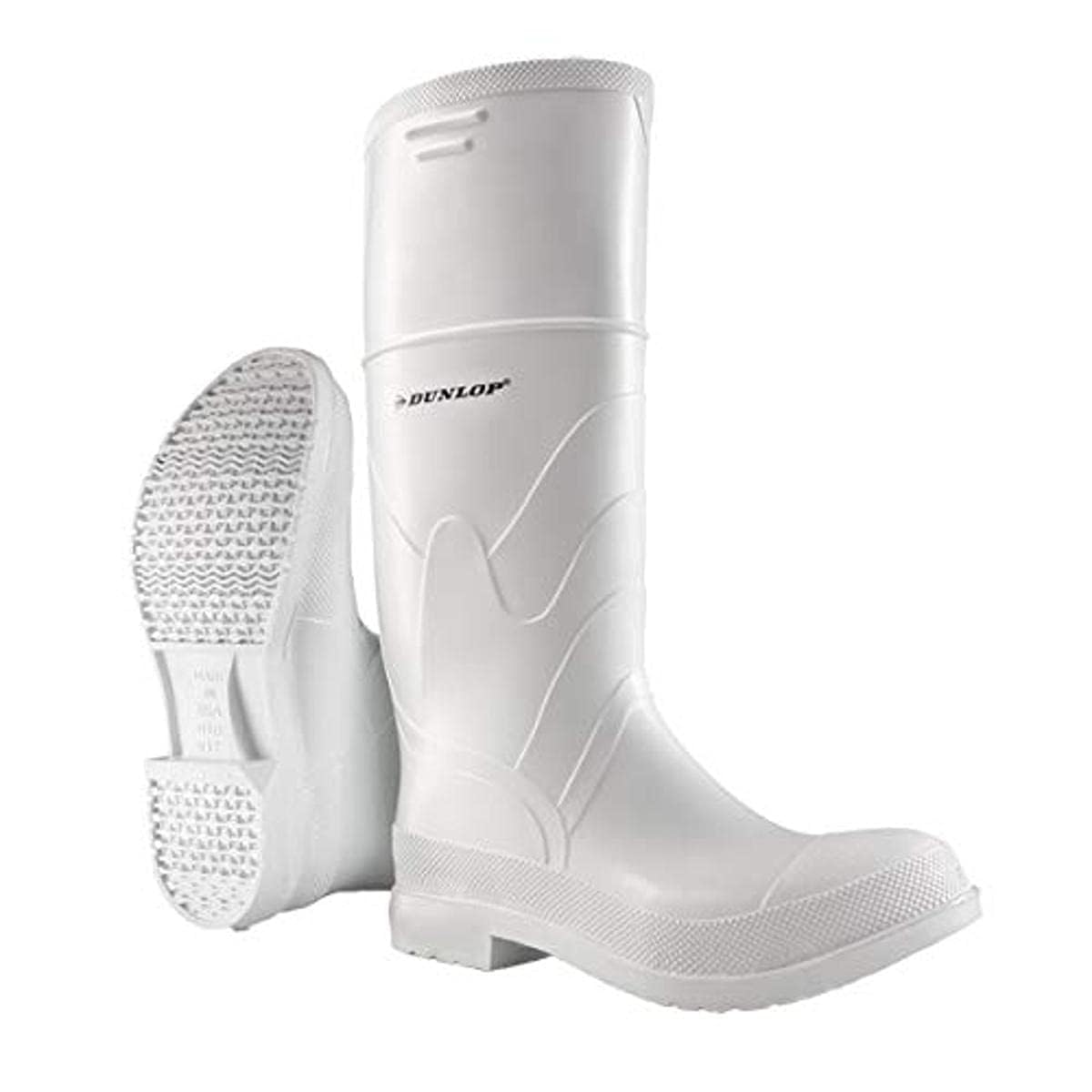
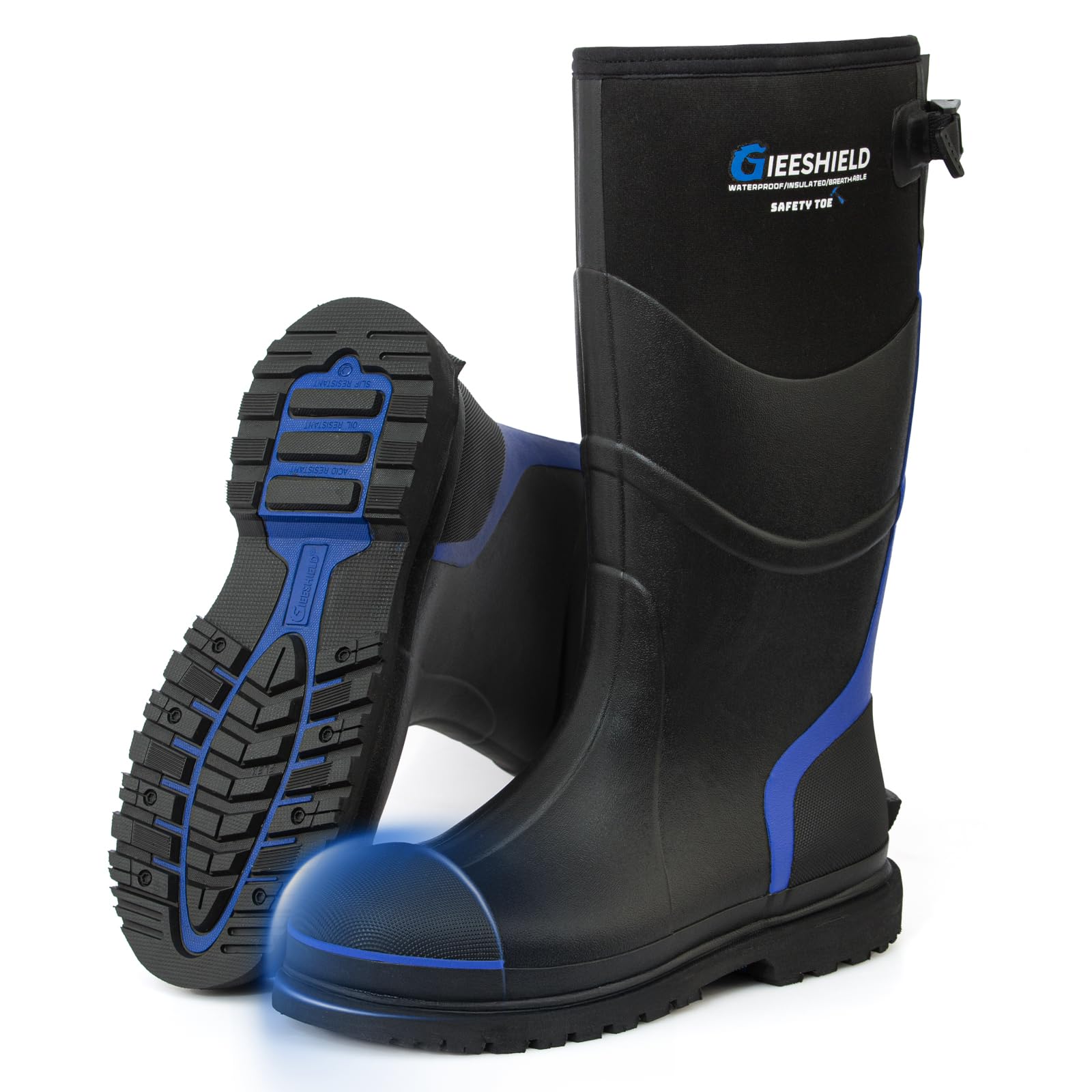
A full rubber boot is the pour day specialist. Wet concrete slides off it, the rinse at the end of the day takes a minute, and nothing soaks through to the sock. The trade is support: most rubber boots have a plainer footbed and a looser fit, so crews who wear them for a full shift often add a shaped insole. Choose this style when wet material is the main fact of your day.
Waterproof Leather Work Boots
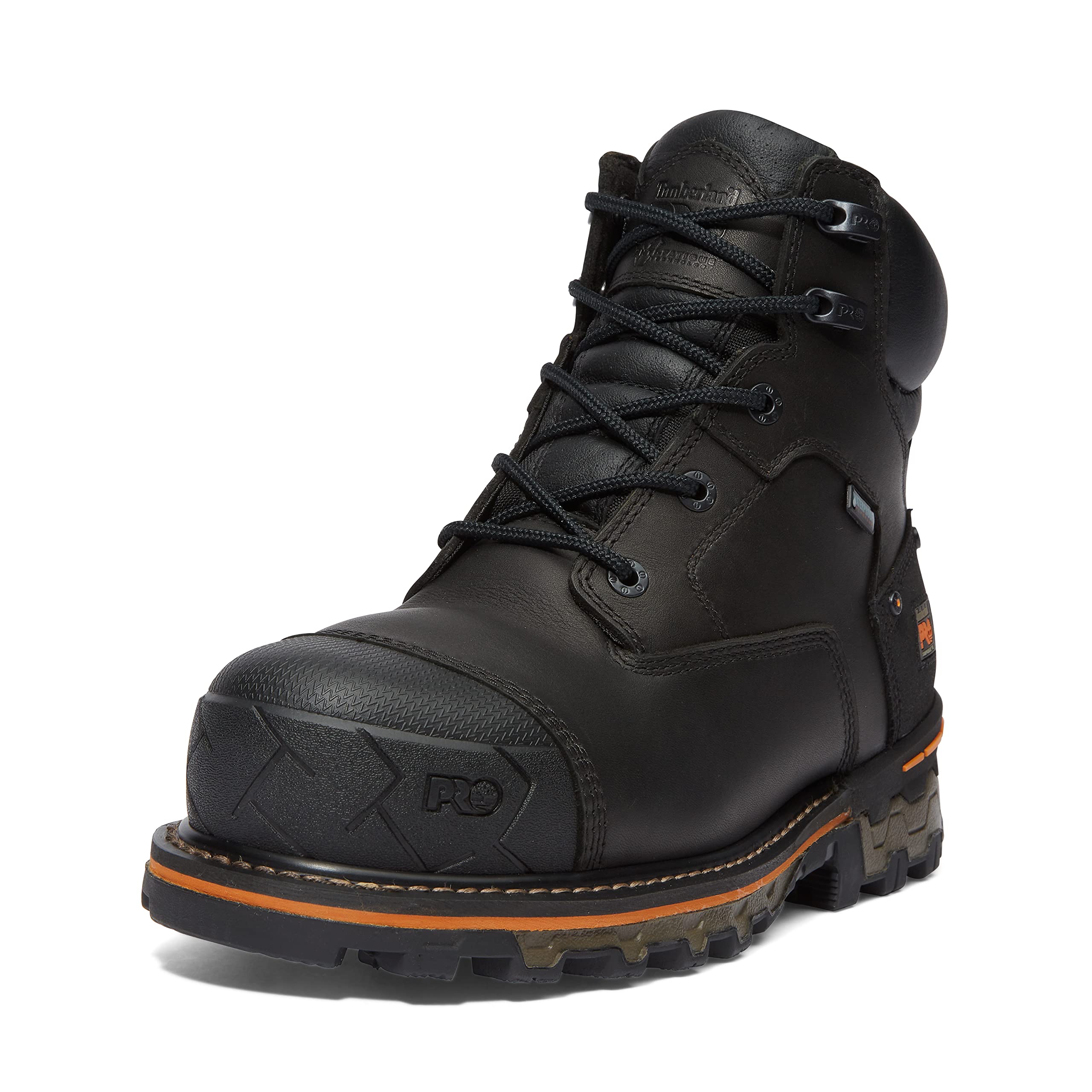
A leather boot with a waterproof membrane is the all round site choice. It supports the ankle, locks the heel better than rubber, and handles the walk between pours, formwork, and finishing. The weakness is the alkali problem described earlier: leather only keeps this up if the rinse habit holds. Choose it when your day mixes wet work with hours of standing and walking on cured surfaces.
Soft Toe Boots for Finishing and Flatwork
Where the site rules allow it, a soft toe boot is the lightest comfortable option for finishing crews and flatwork specialists. The hazards there are mostly fatigue and the occasional dropped tool at low height, and some employers still require a certified toe for everyone on site. Check the written rules first. Where it is allowed, the soft toe boot gives the closest feel to a sturdy shoe with a proper work sole under it.
Tall Boots for Deep Pours and Washdown
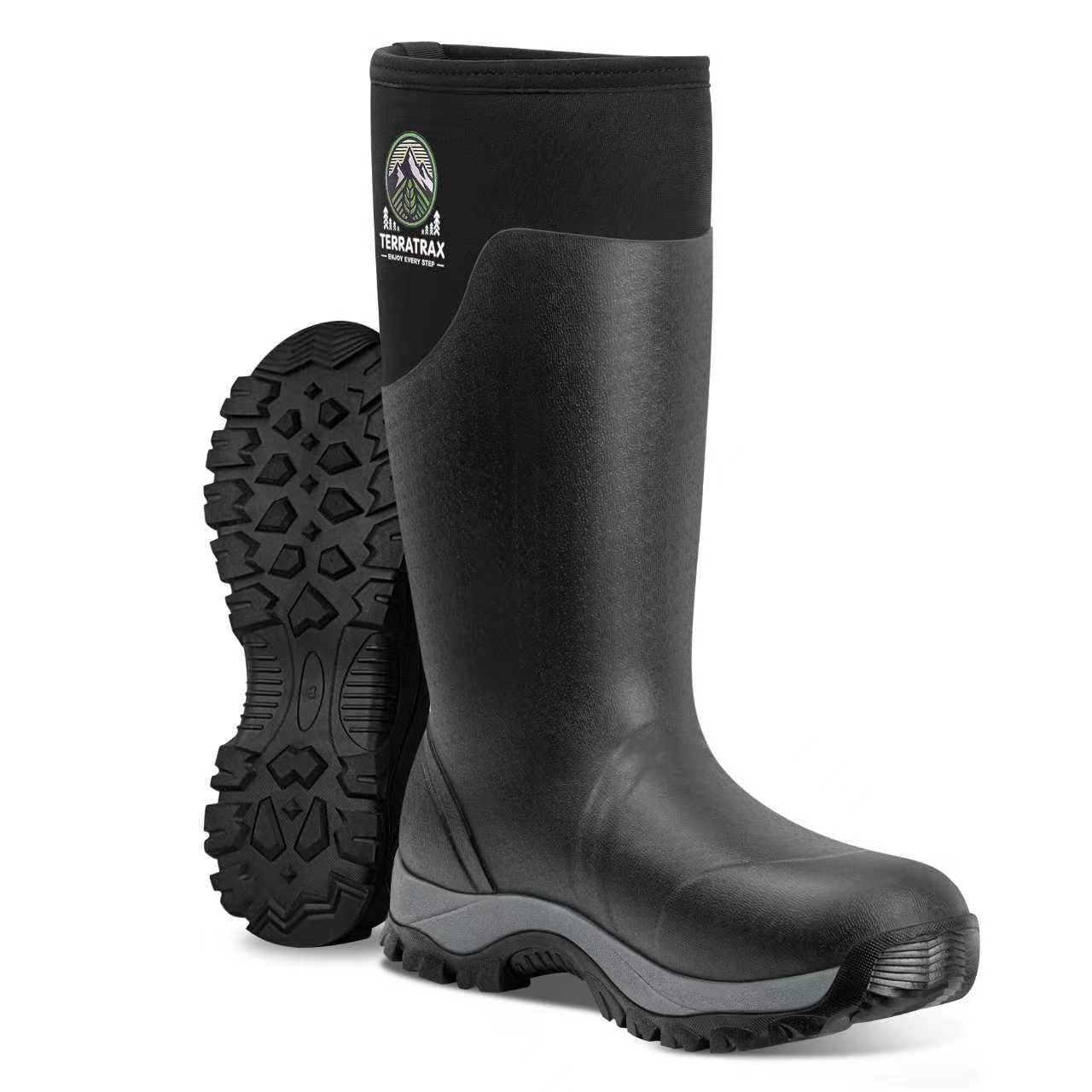
A tall shaft earns its keep on deep pours, pump days, and washdown heavy work where water and wet material reach above ankle height. The extra coverage also keeps gravel and dried chunks out when you kneel at formwork edges. The cost is warmth and a slower dry time, so tall boots usually live as the second pair in the truck rather than the everyday choice.
Price Bands: What Your Money Buys
Price bands in work boots mostly buy materials and build quality rather than extra features. The bands below describe whole classes, and the same thinking applies to the wider best boots working concrete market, where listings mix pour boots, leather boots, and hybrids in one list.
Entry Bands, About $80 to $120
At this level you get serviceable rubber pour boots and basic leather boots with cemented soles. Expect plainer insoles, thinner leather, and a shorter working life under daily alkali exposure. For a new hand or a spare pair kept for pour days, this band does the job. For a full time finisher, it is usually a false economy across a season.
Middle Bands, About $120 to $180
The middle band is where most concrete workers land. Leather is thicker, soles are more likely to be stitched or better bonded, cushioned insoles are shaped rather than flat, and certified toe classes are common. A pair in this band, rinsed and rotated, should carry a full season of site work without the upper giving up early.
Upper Bands, About $180 to $260
Upper band boots buy premium hides, resolable builds on some styles, and more refined fit shapes across widths. The comfort gain over the middle band is real but smaller than the step up from the entry band. This level suits workers who are on slab ten hours a day and whose employer leaves the boot choice, and the boot budget, to them.
Common Mistakes to Avoid
- Buying for the showroom floor instead of the slab, which leaves you with a trail style sole that feels fine for ten minutes and punishing by hour six.
- Letting wet concrete dry on leather for days, which lets the alkali strip the hide until it cracks at the flex points.
- Choosing a low boot for pour work and spending every wet day with damp socks and grit inside the boot.
- Ignoring the written safety rules of the site and arriving with an uncertified toe where a certified class is required.
- Wearing one pair every single day with no rotation, so the cushioning never recovers and the inside never fully dries.
Care and Maintenance Tips
Care for concrete boots is mostly about removing the material that attacks them. Plain water and a stiff brush are the rule, because harsh cleaners damage leather just as the concrete does.
- Rinse boots with plain water the same day they meet wet concrete, and brush the sole edge and welt line clean.
- Dry boots slowly at room temperature, away from heaters and direct sun, with the insoles pulled out.
- Condition leather once it is clean and dry, since alkali exposure dries the hide faster than normal site wear.
- Rotate two pairs across the week so each pair rests and dries fully between shifts.
- Replace insoles when they pack flat, and retire the boot when the midsole feels dead or the sole is worn smooth.
Frequently Asked Questions
Do concrete workers need waterproof boots?
Concrete workers need water protection on pour days and wet ground, but not every day of the job. A membrane boot or a rubber pour boot keeps socks dry when washdown water and fresh concrete are part of the shift. On dry indoor slab work, a plain leather boot breathes better and dries faster overnight. Many crews settle the question by owning both styles and choosing by the day's task list.
How long should boots last on concrete work?
A middle band leather boot usually lasts about one to two years of full time concrete work with rinsing and rotation. Rubber pour boots often last longer as material, but their footbeds flatten sooner. The alkali habit decides more than the brand level does. Boots rinsed daily and rested between shifts outlast expensive boots that are left coated in dried concrete and worn seven days a week.
Are rubber boots or leather boots better for pouring concrete?
Rubber boots are better on the pour itself because wet concrete rinses straight off and nothing soaks in. Leather boots are better for the rest of the day, with stronger ankle support and a closer fit for finishing work. The deciding factor is how much of your shift is spent standing in or beside fresh material. If the answer is most of it, rubber wins; if pouring is one task among many, leather is the more comfortable all day choice.
What socks work best inside concrete work boots?
A cushioned work sock with moisture moving fibers works best inside concrete work boots. The cushion adds a thin extra layer between your foot and a boot footbed that flattens with use, and the fiber blend moves sweat away instead of holding it against the skin. Avoid thin cotton socks, which stay damp, bunch at the toe, and raise the odds of blisters during long finishing shifts on warm slabs.
Can concrete dust inside a boot harm your skin?
Yes, concrete dust and dried residue inside a boot can irritate skin across a long shift. Dry concrete dust is alkaline, and sweat turns it into a mild paste that rubs at the heel and the top of the foot. Shake boots out before each shift, change socks at lunch on heavy pour days, and wash any skin that has sat against wet concrete. Skin that stays red, cracked, or sore needs medical attention rather than another workday.
Final Thoughts
Start with the surface and the material, and the rest of the choice gets easier. A flat hard slab calls for real cushioning, wet alkaline concrete calls for height, water protection, and a rinse habit, and the site rules decide the certified toe class before style enters the picture. Pick your type from the product table, match it to your band, and the best boots for concrete workers for your routine will be the pair still doing its job at the end of the season. If foot pain, numbness, or swelling ever persists, talk with a clinician about your own needs before the next pour.


