
Best Boots for Railroad Workers 2026: Every Type Explained Side by Side
Disclosure: We may earn a commission when you buy through links on this page, at no extra cost to you. As an Amazon Associate I earn from qualifying purchases. Learn more

The best boots for railroad workers match duties, ballast grip and employer rules. Compare four types by pros, cons and typical price.
Railroad work asks a boot to do several jobs at once: grip loose ballast, shrug off weather, and stay comfortable through a long shift on your feet. With so many types on the shelf, the confusion is real. The best boots for railroad workers are the ones matched to your duties, your employer's safety spec, and the ground you walk. This guide compares each main type side by side, and the comparison table below puts their strengths and trade offs in one place.
No single type wins every job. A yard worker climbing in and out of equipment needs different things from a track crew member walking miles of ballast, so read the types first, then use the choosing section to check fit, tread and support against your own work.


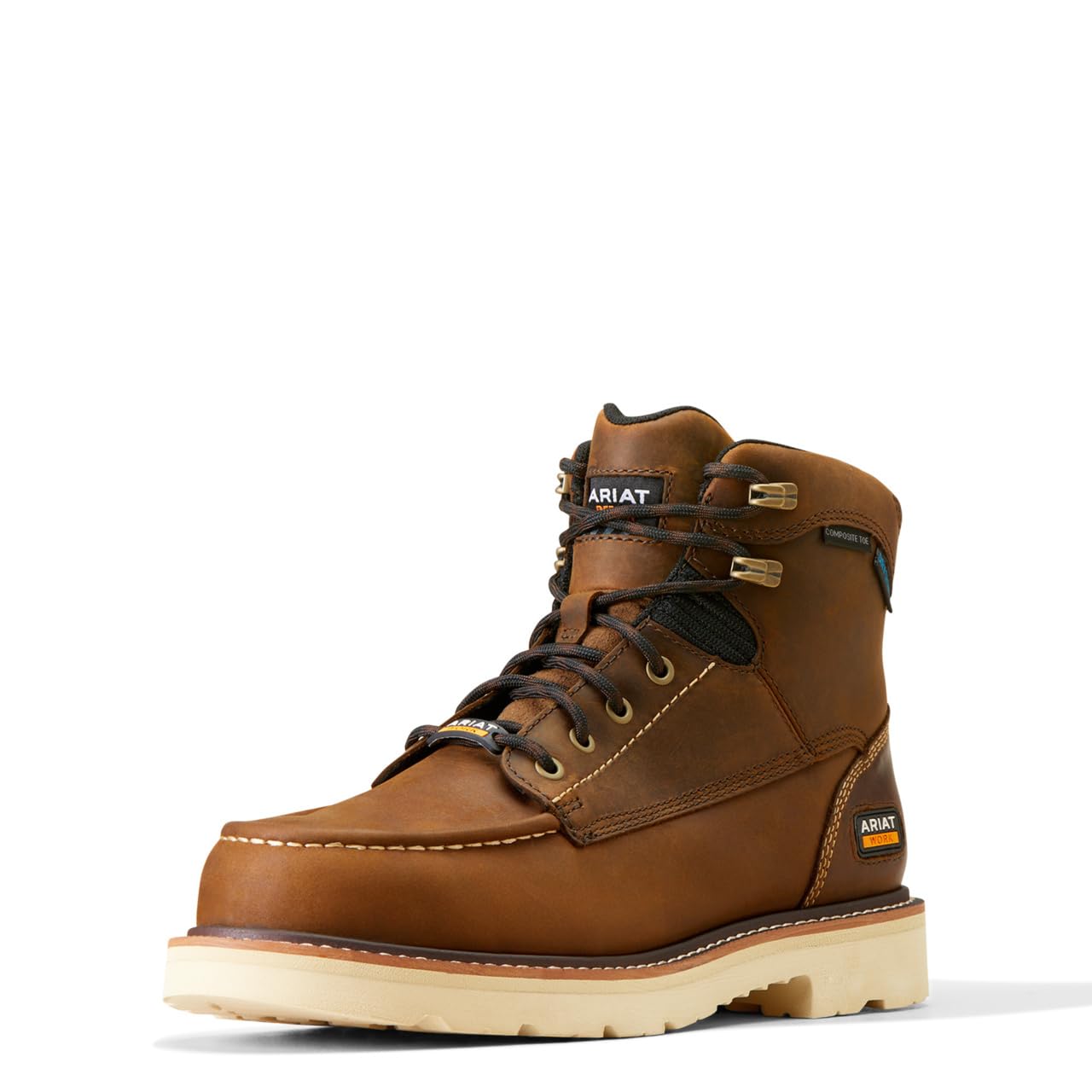


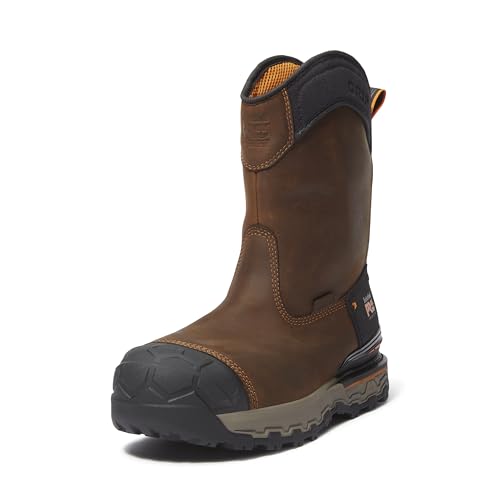

Types of Boots Compared
Start with the ground itself. Rail work is a ballast and steel environment: loose crushed stone underfoot, rail heads and switch parts at ankle height, and metal surfaces that turn slick in rain. A boot for this work is read by its sole and its shaft first, by whether the sole bites into stone without rolling and whether the shaft guards the ankle against knocks and twists. The four types below split along those lines, and crews comparing the broader category can also read our guide to best railroad boots.
| Type | Best For | Pros | Cons | Typical Price |
|---|---|---|---|---|
| Safety toe work boot | Track and yard crews | Rated toe protection, stiff sole | Heavier, slower break in | about $120 to $220 |
| Waterproof work boot | Wet seasons and washdown areas | Dry feet, sealed seams | Warmer in summer | about $110 to $210 |
| Insulated winter boot | Northern winter work | Warmth at low temperatures | Bulky, seasonal only | about $130 to $250 |
| Lightweight hiker style boot | Long walking routes | Low weight, quick break in | Less protection, shorter life | about $90 to $180 |
Safety Toe Boots
This is the default class for track and yard work. A rated toe cap, in steel or composite, guards against dropped tools and shifting parts, while a stiff shank keeps the sole from flexing painfully on loose stone. The weight is the cost, and the break in takes patience. The dedicated guide to best work boots for railroad workers covers this class in more depth.
Waterproof Boots
A membrane lining and sealed seams keep rain and standing water out through a full shift. Gusseted tongues matter here, since they block the gap where water usually enters first. This class runs warm in summer, so some workers keep it as a wet season pair and switch to an unlined boot when the weather turns dry.
Insulated Winter Boots
Insulation fill, rated by weight, traps heat when temperatures drop and the wind runs down the line. Warmth is the whole point of the class, and the bulk is the price: thick insulation makes the boot heavier and slower on ladders. Numb toes end shifts early, so northern crews treat this class as required gear rather than an upgrade.
Lightweight Hiker Style Boots
Where duties and employer rules allow a soft toe, this class trades protection for low weight and a fast break in. It suits long inspection walks on maintained ground. Ballast wears its softer soles down quickly, though, so expect a shorter working life than the heavier classes above.
Safety Toe vs Soft Toe: Which Should You Choose?
The choice starts with your employer's written spec and the hazards of your duties. Dropped tools, coupler parts and rolling stock hardware make a rated toe the safe default for track and yard work, and many railroads require one outright. A soft toe only makes sense where the rules allow it and the work keeps you clear of heavy parts, such as some inspection and office to field roles.
Role changes the balance too. Conductors spend more time on platforms, car steps and ballast at stops, which shifts the priorities toward grip and lighter weight, and the guide to best boots for railroad conductor treats that role on its own. Concrete crews face a flatter version of this same choice, and the guide to best boots for concrete workers compares boots for that surface.
How to Choose the Right Boot
Features That Matter for Railroad Workers
Begin with your employer's written spec, because where an employer rates a toe class or a sole class, the certified rating decides the purchase. A rating certifies that a boot passed a standard test for one hazard class. It never promises an uninjured foot, so fit, care and attention still do part of the work. Beyond the spec, look for puncture resistance in the midsole where scrap and tie plates litter the ground.
Break In Period and Comfort Out of the Box
Shift length is the comfort test that matters. A boot that feels fine in the store must still feel fine at hour ten, so weight and fit decide long shifts more than any single feature. Stiff safety toe classes need one to two weeks of shorter wears before a full shift, while hiker style classes often feel ready sooner. Plan the break in before a stretch of long days, not during it.
Fit, Sizing, and Toe Box
Measure your feet late in the day and shop in your thickest work socks. Toes need room to spread on uneven stone, so the toe box should feel wide rather than tall, and your heel should stay seated when you step up onto a rail step. Length alone is a poor guide here, since a boot that fits standing still can still slide on ballast and raise blisters by mid shift.
Outsole Traction and Terrain
Deep lugs bite into ballast and shed stone instead of packing it, while a softer rubber compound grips wet steel and painted surfaces better. The trade is wear: soft compounds grind down faster on crushed rock. A defined heel breast is worth having, since it catches ladder rungs and car steps and keeps your foot from slipping forward under load.
Arch Support and Foot Type
Long shifts mix walking with standing on hard surfaces, and that standing time is where arch support earns its place. Flat feet usually want firmer support to stop the inward roll that tires the ankles, while high arches want more cushion under the midfoot. Most work boots accept an aftermarket insole, so treat the stock insole as a starting point rather than the final fit.
Care and Maintenance Tips
- Knock ballast dust and grit out of the tread each day, since packed stone wears lugs down and cuts grip.
- Air dry wet boots away from direct heat, because heat cracks leather and weakens the glue lines that hold soles on.
- Rotate two pairs when you can, so each pair dries fully between shifts and the foam recovers its shape.
- Condition leather uppers monthly in wet seasons to stop cracking at the flex points above the toes.
- Inspect soles and toe caps weekly, and retire a pair when the lugs wear smooth or the cap starts to show through.
Boots: Your Questions Answered
What features matter most in boots for railroad workers?
Your employer's safety spec matters most, then ballast grip, then comfort that lasts a full shift. One point buyers often miss: read the spec before you shop, not after, because a boot without the required toe or sole rating cannot be worn on the job at all. After the spec, the defined heel and lug pattern earn their keep every time you climb car steps or cross a wet rail.
How long is the break in period for railroad work boots?
Stiff leather safety toe boots usually need one to two weeks of shorter wears, while lighter hiker style boots may need only a few days. Break them in on days off and short shifts first. A useful test: if a hot spot appears within the first hour at home, it will be a blister by hour ten on ballast, so adjust your socks or your size before the boots ever reach the yard.
Can railroad workers wear one pair of boots for a full shift?
Yes, if the fit is right and the pair was broken in first. The detail that saves feet on long shifts is a mid shift sock change, since dry socks cut friction and restore the feel of cushion in minutes. Workers who stand on steel or concrete for hours also notice their insoles by the last third of a shift, when the foam in a worn insole has packed flat.
Do railroad workers need waterproof boots?
Most do for at least part of the year, since track work continues through rain and standing water collects in low spots along the line. The deciding detail is water depth: a membrane keeps out rain and puddles, but water over the boot top enters any boot. In wet climates, one waterproof pair plus a real drying routine at home beats two pairs that never fully dry.
How often should railroad boots be replaced?
Replace them when the lugs wear smooth, the midsole feels packed flat, or the toe cap and upper start to separate anywhere. Heavy ballast work can wear a pair out in about a year, while lighter duties may stretch the same class to two. Check the heel wear pattern monthly, since uneven wear that deepens month by month is an early sign the boot is changing how you walk.
Final Thoughts
Choose the type by your duties and your employer's spec, confirm the fit with your thickest work socks, and let grip on ballast break any tie. The product table above shows current options in each class. Matched that way, the best boots for railroad workers are simply the pair still doing their job at the end of your longest shift.


