Best Boots for UPS Workers in 2026: Matching the Right Model to Your Routine
Disclosure: We may earn a commission when you buy through links on this page, at no extra cost to you. As an Amazon Associate I earn from qualifying purchases. Learn more

Not all boots fit every routine. See which best boots for ups workers match how you actually use them, what features to prioritize, and what to skip.
There is no single boot that suits every UPS job, because a hub shift spent sorting on concrete asks something very different from a delivery route spent climbing in and out of a package car. The best boots for ups workers are the ones matched to your surface, your step count, and your weather, not the ones with the longest feature list. Name your main role first, then use the comparison table below to weigh the traits that role demands.
Comfort also changes across a shift. Feet that feel fine in the first hour can ache by the last delivery, and a boot that grips a dry dock can skate on a wet step.


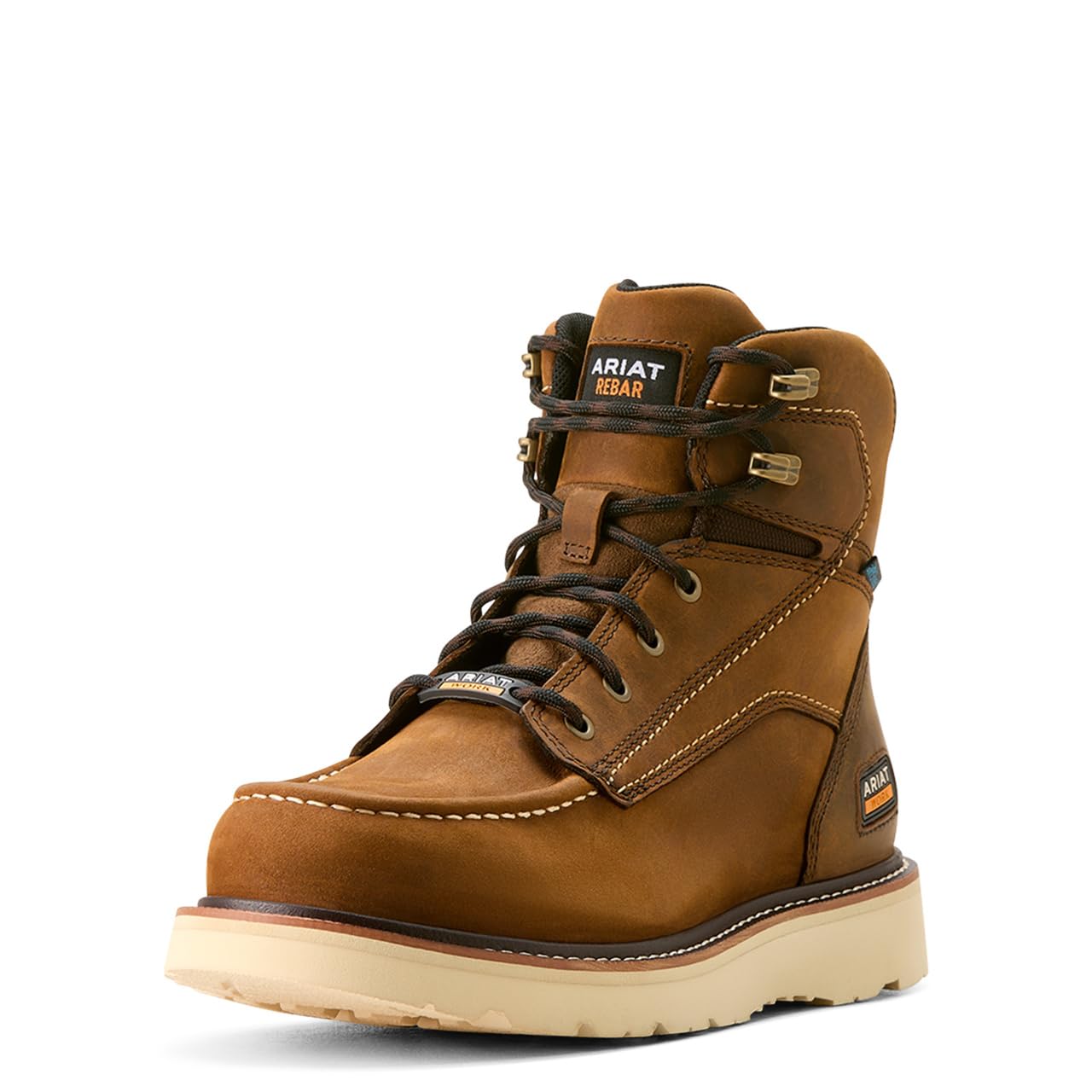

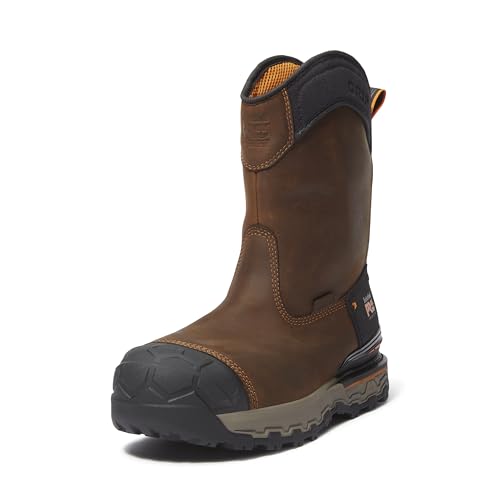
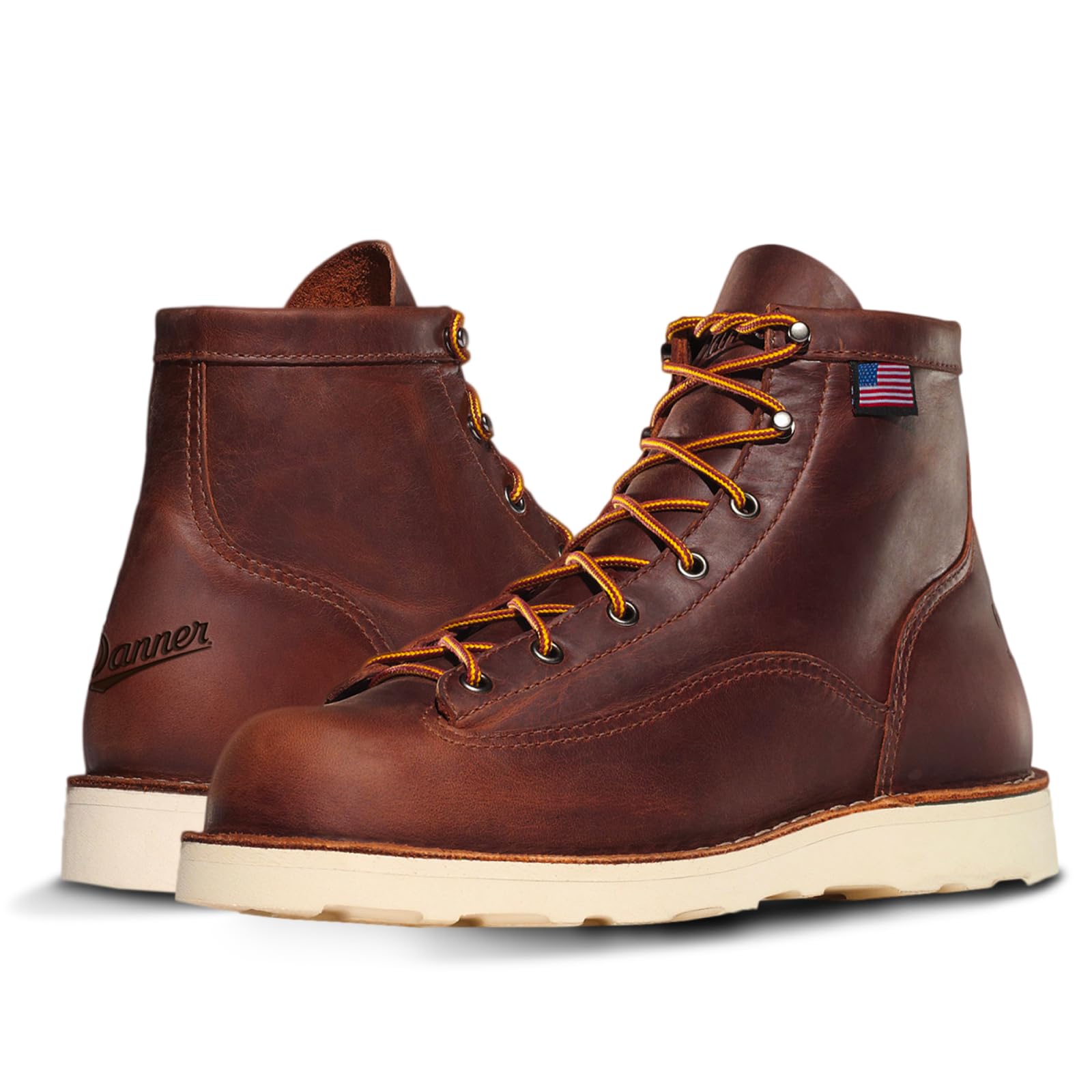


Who on the UPS Team Needs What From a Boot?
Your building, route, and season should decide the style of boot before price or color.
Hub Package Handlers on Concrete All Shift
You stand, pivot, lift, and walk short bursts on hard floors for most of the shift, often around scattered cardboard and dust. Put cushioning and a stable, fairly flat outsole first, and consider a protective toe if falling packages are a daily risk. See our guide to the best boots for concrete workers for more on hard surfaces.
Delivery Drivers Stepping In and Out All Day
Your day mixes pavement, driveways, stairs, grass, and the metal steps of the package car, repeated hundreds of times. A lighter mid height boot with flexible ankle movement and dependable wet grip will serve you better than a heavy, stiff pair. See our guide to the best boots for ups drivers for route options.
Route Workers in Rain, Snow, and Wet Loading Areas
If your route keeps you outside through storms, waterproof boots with a sealed membrane such as Gore Tex earn their cost, because soaked socks make the rest of the shift miserable and raise the risk of blisters. Insulation helps on cold rural routes but can feel stifling in summer, so match the lining to your coldest month.
New Hires and Seasonal Helpers Building Up Mileage
Your feet are still adapting to the step count, so an easy break in and a forgiving fit matter more than maximum durability. A mid priced pair, about $80 to $150, with soft cushioning and a roomy toe box lets you learn the job without fighting your footwear.
Key Features to Compare
Read each feature through your own day, because the right choice for a driver in a rainy region can be wrong for a sorter in a warm hub.
Leather and Mesh Uppers for Long Delivery Days
Full grain leather shrugs off scuffs from pallets, hand trucks, and package car doors, and it molds to your foot over time, but it breathes slowly and dries slowly once wet. Mesh and knit panels move heat away on hot routes, yet they offer less abrasion protection and soak through in minutes. Many workers do best with a mixed upper, leather where the boot takes knocks and fabric where flex and airflow matter.
Getting the Right Size for Ten Hour Route Days
Measure and try boots in the afternoon, wearing your work socks, because feet swell as the shift goes on and a morning fit can turn tight by evening. Your heel should stay put when you walk, while the toe box leaves room to spread your toes on long walks. Leave a thumb width of space ahead of your longest toe. Lacing changes hold more than most buyers expect, so see our guide to the best lace up boots if heel slip is your main problem. If numbness, sharp pain, or swelling keeps returning after rest, talk with a clinician about your personal needs.
Outsole Traction on Docks, Steps, and Pavement
The outsole is your contact with wet dock plates, painted concrete, loose gravel, and icy sidewalks, all in one route. Rubber that stays flexible in cold weather grips better than hard, plasticky soles, and a tread with many edges bites on slick flat surfaces where deep hiking lugs can feel less stable. Shallow, closely spaced lugs suit pavement and warehouse floors, while wider spaced lugs clear mud on rural stops. Check that the heel edge is defined, because it catches you when you step down from the package car.
Cushioning That Survives Peak Season Mileage
Cushioning absorbs the repeated impact of 15,000 to 25,000 steps a day, and its job is to spread load so no single spot on your foot takes every hit. Soft foam feels kind during a short try on but can pack down within weeks, while firmer midsoles often feel better in month three. Arch support should match your arch height rather than push up as high as possible, since an aggressive arch in a low arched foot creates its own ache.
Weight, Heel to Toe Drop, and Boot Height
When you shop for the best boots for ups workers, weight deserves a number, not a guess. A pair a few ounces lighter per foot saves real effort across thousands of steps and curb climbs. Heel to toe drop, the height difference between heel and forefoot, of about 8 to 12 mm suits most walking, while a much lower drop can strain calves used to raised heels.
Choosing Boot Height for Your UPS Role
Low shoes are the lightest option and move freely, which suits hub work and dry summer routes, but they leave ankles exposed on broken pavement. Mid height boots, the most common choice for drivers, add ankle coverage and keep out gravel and slush while still flexing well at each stop. Tall boots earn their place on snowy rural routes, where support and coverage outweigh the extra weight.
If you split your week between hub and route, one mid height pair usually covers both. For styles built around this job, see our guide to the best ups boots.
Common Mistakes to Avoid
- Choosing on price alone leaves you replacing a worn out pair mid season, at a higher total cost than one durable pair.
- Buying deep hiking lugs for a pavement route makes each step less stable on flat, wet surfaces.
- Sizing boots first thing in the morning means they pinch once your feet swell during the shift.
- Picking a waterproof membrane for a hot indoor hub traps heat and leaves socks damp from sweat.
- Judging comfort by the first ten minutes in the store ignores how cushioning feels in hour nine.
- Wearing the same pair every day without a rest day shortens its life and keeps the inside damp.
Care and Maintenance for Boots Worn Every Day
Brush off dust and grit after each shift and loosen the laces so air can reach the inside, because trapped moisture breaks down linings and invites odor. Stuff wet boots loosely with newspaper and let them air dry away from direct heat, since a heater can crack leather and warp glues. Rotating two pairs gives each a full day to dry and recover its cushioning shape, and both pairs usually last longer in total.
Check the outsole every few weeks for smooth patches at the heel and ball, the first places grip fades. Clean leather with a damp cloth and condition it when it looks dry, while fabric uppers need only a soft brush and mild soap. Replace insoles when they stay flat after a rest day.
FAQ
What features matter most in boots for UPS workers?
Fit, wet grip, and cushioning matter most, in that order. In the store, add one test many buyers skip: walk down a slope or ramp and check that your toes do not slam the front of the boot. That pressure is exactly what long driveways and ramps create, and a boot that fails this test will bruise toes on route.
How should boots for UPS workers fit during a long shift?
Boots for UPS workers should feel secure at the heel and midfoot, with clear space at the toes. Walk the store for at least ten minutes before deciding, because warmth and movement change the fit. If one foot is larger, fit the larger one and use a thicker sock on the smaller side. A fit that needs painfully tight lacing to stop sliding is the wrong size, not a break in issue.
Do UPS workers need waterproof boots?
UPS workers on outdoor routes in wet climates benefit from waterproof boots, while hub staff usually do not. Many route workers keep a waterproof pair for storm and winter days, with a lighter breathable pair carrying the dry months. That split keeps the membrane pair from wearing out during summer, when its heat brings no benefit. Let the weekly forecast, not habit, pick the pair.
Can UPS workers wear boots through a double shift in peak season?
Yes, UPS workers can wear one pair through a double shift if the fit and cushioning are right. The small change that helps most is a sock swap at the meal break, because dry socks cut friction and make the same boot feel fresher. If your feet are still throbbing the next morning, the boot, not your toughness, is the problem to fix.
How long is the break in period for new work boots?
Most new work boots need about one to two weeks of regular wear before they feel fully yours. Build up gradually on shorter shifts or errands first, then a full route, rather than debuting them on the longest day of peak season. Blisters at this stage signal poor fit, not an unavoidable rite of passage.
Are expensive boots worth it for UPS workers?
Expensive boots are worth it for UPS workers when the extra money buys durability and a replaceable insole, not decoration. Think in cost per month: a pair at about $180 that lasts a full year costs less over time than a pair at about $90 replaced twice. If your role is part time or seasonal, a mid priced pair is usually the smarter spend.
The Bottom Line
Start with your role, then judge every option on fit with room to swell, grip that suits your surfaces, and cushioning that still feels supportive late in the shift. Height, waterproofing, and weight should follow your building, route, and season rather than a generic ranking. When those basics line up, the best boots for ups workers feel like part of the uniform. Compare your finalists in the product table above before you order.