Best Boots for Rucking Army in 2026: Every Type Explained Side by Side
Disclosure: We may earn a commission when you buy through links on this page, at no extra cost to you. As an Amazon Associate I earn from qualifying purchases. Learn more

Compare rucking boot types by load fit, weight, waterproofing and break in needs, with price bands, care tips and answers to common rucking questions.
Rucking turns an ordinary walk into loaded work, and the boot feels every added pound. A pair that seems fine on a short stroll can rub, soak, or fold under a pack once the miles stack up, which is why choosing the best boots for rucking army use starts with the type of boot rather than any single feature.
This guide explains each boot type side by side, then covers fit under load, uniform considerations, and the small details that prevent blisters. The comparison table below sets out what each type does well and where it falls short.




Types of Boots Compared
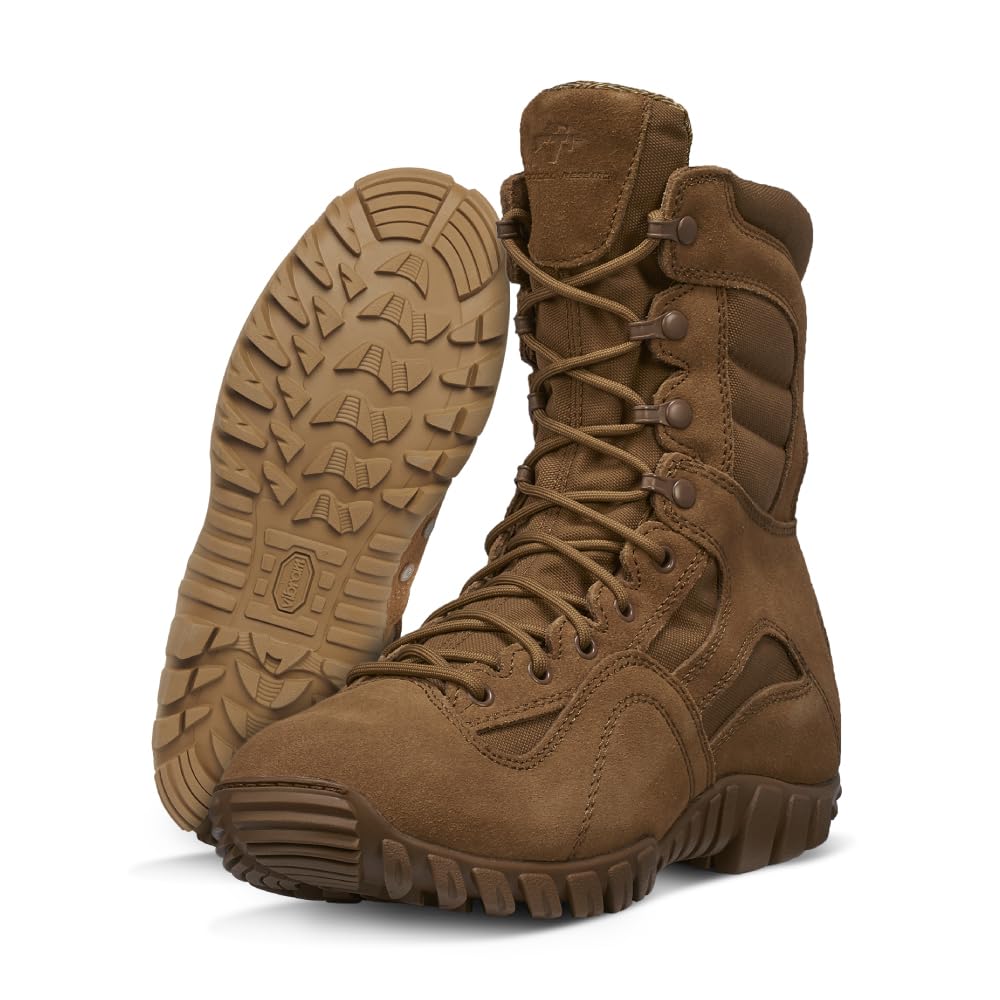
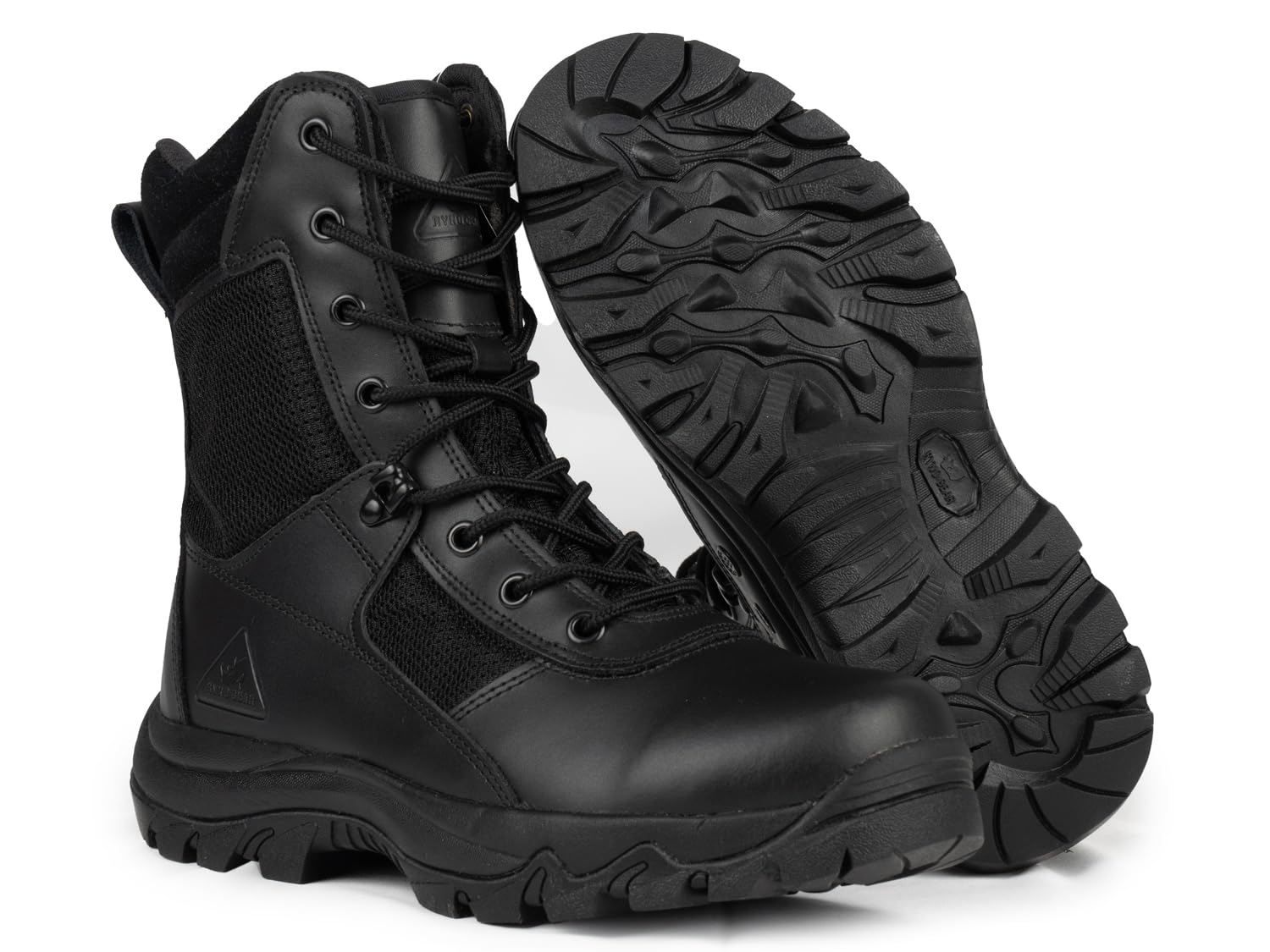
Rucking boots fall into four broad types. The right one depends on your climate, your terrain, and whether your rucks are training miles on roads or field movement over rough ground. Soldiers comparing issue style options often start with the best army combat boots for rucking, which span the first three types below.
| Type | Best For | Pros | Cons | Typical Price |
|---|---|---|---|---|
| Full leather service boots | Road marching, garrison training, mixed terrain | Durable, supportive, resoleable builds | Heaviest type, slow break in, slow to dry | about $130 to $260 |
| Lightweight tactical boots | Fast road rucks and high weekly mileage | Light step, quick break in, cooler feet | Less ankle support, uppers wear sooner | about $100 to $200 |
| Waterproof rucking boots | Wet seasons, stream crossings, cold mud | Dry feet in standing water, sealed seams | Hot in summer, very slow to dry once soaked | about $140 to $280 |
| Jungle and hot weather boots | Hot climates and water heavy training | Drainage vents, fast drying, breathable | Little insulation, less protection on rock | about $110 to $210 |
Full Leather Service Boots
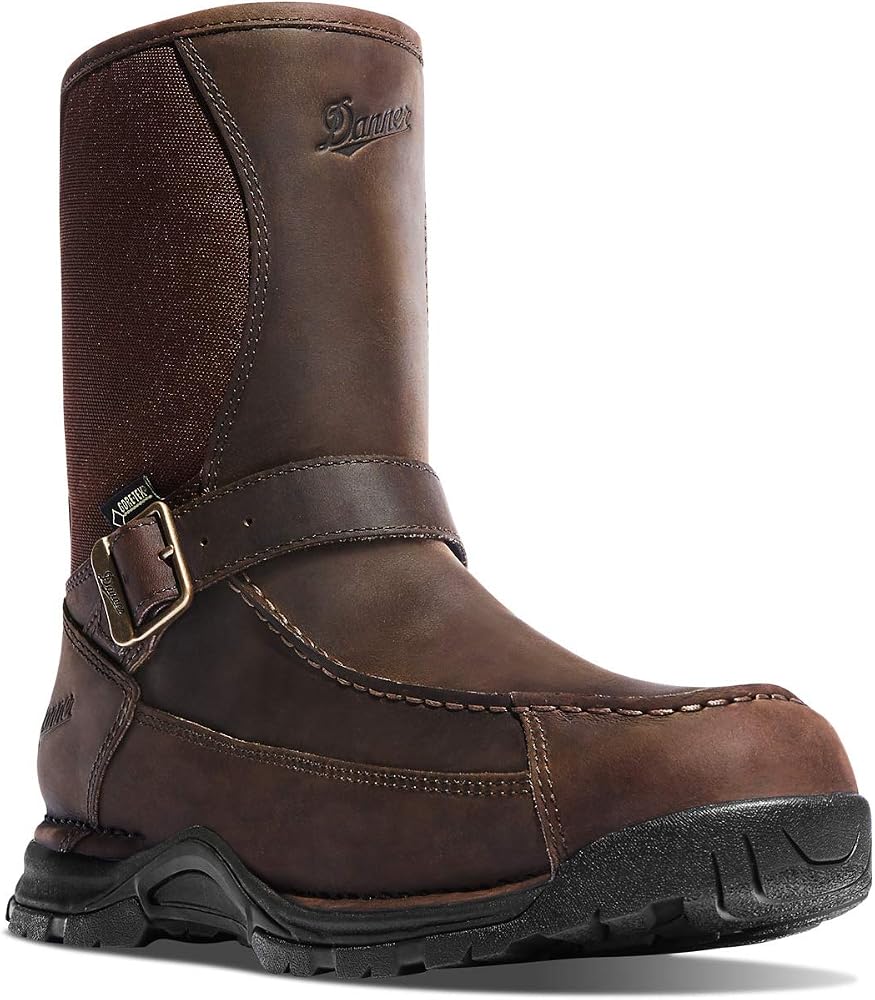
The classic service boot pairs a full leather upper with a stiff, supportive sole. Leather molds to the foot over time, shrugs off brush and rock, and tall shafts brace the ankle when a heavy pack shifts your balance on uneven ground. For steady road marching and mixed field work, this is the benchmark type.
The costs are weight and patience. Leather boots are the heaviest option here, they need a patient break in, and once soaked they can take days to dry. They suit soldiers who ruck in varied terrain and want one durable pair rather than the lightest step.
Lightweight Tactical Boots
Lightweight tactical boots mix leather or synthetic panels with fabric sections and a more flexible sole. They feel closer to athletic shoes, break in quickly, and reduce leg fatigue across high mileage training weeks on pavement and packed trails.
Flexibility is the trade. Softer uppers scuff and tear sooner in brush, the ankle gets less bracing on off camber ground, and thin soles transmit more of the road on long descents. Choose this type when your rucks are fast, road based, and frequent, rather than slow and heavy over rock.
Waterproof Rucking Boots
Waterproof boots seal a membrane inside the upper to keep external water out during stream crossings, wet grass, and cold mud. In a wet season they prevent the chilled, heavy feeling of soaked leather and protect feet during long static periods after the march.
Know the limit before you buy. Water that comes over the shaft stays inside just as the membrane keeps water out, and a soaked waterproof boot dries slower than any other type. Breathability also drops, so hot weather rucking in this type punishes feet with sweat instead.
Jungle and Hot Weather Boots
Jungle boots are built to get wet and dry fast. Drainage eyelets near the sole push water out with each step, mesh or canvas panels move air, and thinner materials dry overnight instead of over days. In hot, humid training areas this type prevents the constant damp that softens skin and breeds blisters.
They give up insulation and some underfoot protection. Thin soles feel sharp stones more, and there is little warmth for cold mornings. As a second pair for summer cycles they are hard to beat; as a single year round boot they leave gaps.
Lightweight Tactical Boots vs Waterproof Boots: Which Should You Choose?
Decide by water and temperature. If your rucking is mostly dry roads in warm weather, the lightweight tactical type wins on comfort per mile: cooler feet, less fatigue, and a faster break in. If your training runs through wet seasons, cold mud, or regular stream crossings, the waterproof type wins by keeping external water out and feet warmer at halts.
On support, neither is the strongest here; full leather still braces the ankle best under the heaviest packs. On drying, the tactical boot recovers overnight while the waterproof boot may still be damp at the next formation. Many soldiers settle it by season, rucking light through summer and switching to the sealed pair when the rains arrive.
How to Choose the Right Boot
Type narrows the field, but fit under load decides whether a boot survives a twelve mile ruck without damaging your feet. Work through the points below in order when you shop for the best boots for rucking army training.
Start With the Load
Rucking is walking under a carried load, and the load changes how a boot fits and feels. Weight presses the foot flatter and pushes it forward in the boot, so a pair that fits unloaded can jam toes on descents once the pack is on. Fit under load is the honest try on: shop with your ruck socks and, where the store allows, weight on your back.
Break the boot in before any long ruck, without exception. Build distance gradually over shorter sessions so the upper softens and you learn where the boot rubs while the stakes are low. A brand new pair on a long graded ruck is the most common preventable failure in this whole category.
Uniform Rules by Service
Uniform rules are set by your own service, branch, and unit, and they decide which colors, heights, and materials you may wear. The details differ between services and change over time. Check your current uniform guidance before you buy, and treat any boot outside it as a training only purchase at your own risk.
Within those rules there is still real choice: type, fit, sole, and price band all remain yours to decide. The best military boots for rucking face the same rulebook first approach, whichever service you serve in.
Fit, Sizing, and Toe Box
Feet swell across a long ruck, so size for the foot you have at mile ten, not mile one. Look for a full thumb width ahead of the longest toe, room for toes to spread inside the toe box, and a heel that stays locked when you walk downhill. Measure both feet late in the day and fit to the larger one.
Soldiers moving up from general issue options in the best army boots category often find rucking specific lasts roomier in the toe. If your toes touch the front on a slope, go up half a size; a slight heel slip can be managed with lacing, but jammed toes cannot.
Hot Spots, Socks, and Lace Lock
Hot spots are the rucking failure class: a warm, rubbing patch is a blister announcing itself, and stopping to fix it early is the whole game. Sock class is part of the purchase, not an afterthought. A liner sock under a cushioned wool blend outer sock cuts friction, wicks sweat, and gives you a dry change at the halfway point.
Lace lock matters just as much. A runner loop at the top eyelet lets you anchor the heel without crushing the midfoot, which stops the forward slide that batters toes on descents. Learn two or three lacing patterns and test them on training rucks, not on the day that counts.
Weight and Flexibility
Every ounce on the foot is lifted thousands of times per ruck, so lighter boots genuinely reduce fatigue across long distances. The cost shows up as support: flexible soles and soft uppers let the foot work harder on rock and rutted ground, and tired feet roll ankles more easily late in a march.
Match the balance to your load. Lighter packs and groomed routes suit the flexible end, while heavy packs and broken terrain justify a stiffer, heavier boot. The broader best boots for rucking category, civilian events included, follows the same weight against support trade.
How to Make Your Boots Last Longer
Rotate two pairs if your training schedule allows, because a full day of rest lets foam recover and leather dry completely between sessions. After wet rucks, remove the insoles, loosen the laces fully, and air dry away from direct heat, which cracks leather and warps soles. Brush off dried mud before it works into stitching, and condition leather once it starts to look dry or pale.
Watch the outsole and midsole for the real retirement signs: tread worn smooth at the heel and forefoot, a midsole that stays compressed, or an upper tearing away from the sole.
Boots: Your Questions Answered
What features matter most in boots for rucking army?
The features that matter most are fit under load, a heel that locks without midfoot pressure, and an upper matched to your climate. After fit, weigh sole stiffness against your pack weight, since heavy loads need more support, and check drainage or waterproofing against your wettest training week. Small details like a top lace loop and gusseted tongue quietly decide more rucks than headline specs do.
How should rucking boots fit under a loaded pack?
Rucking boots should fit with a full thumb width ahead of the toes and a heel that does not lift when you descend. The pack pushes your foot forward and spreads it flatter, so unloaded comfort is a poor test. Try boots late in the day, wear your ruck socks, and add weight if you can. Any toe contact on a slope means going up half a size.
Do rucking boots need to be waterproof?
Rucking boots need to be waterproof only when your training regularly crosses water or runs through cold, wet seasons. A membrane keeps external water out and feet warmer at halts, but it traps sweat in summer and dries very slowly once water comes over the shaft. Hot climate soldiers usually do better with fast draining jungle styles, while wet season units get real value from the sealed type.
How long is the break in period for rucking boots?
The break in period for rucking boots runs from a few days for lightweight tactical styles to several weeks for full leather. Build up with short, unloaded walks first, then add distance and pack weight in stages. Any hot spot that appears should be dealt with the same day, because breaking in through a blister teaches your feet nothing and costs training time.
Are expensive rucking boots worth the money?
Expensive rucking boots are worth it when the price buys better leather, a resoleable build, and a last that matches your feet, because those traits survive multiple training cycles. A resole restores the working surface of a boot whose upper still fits you perfectly. Cheaper boots serve light training well, but thin soles and glued joints tend to fail first under heavy weekly mileage.
Wrapping Up
Pick the type by climate, then win or lose the purchase on fit under load. Leather for durability, lightweight tactical for fast road miles, waterproof for the wet season, and jungle styles for heat, with socks and lacing treated as part of the boot. Check your shortlist against the product table above, confirm your uniform rules, and you will have the best boots for rucking army miles for your training cycle.