
Best Army Combat Boots for Rucking in 2026: What Your Money Really Gets You
Disclosure: We may earn a commission when you buy through links on this page, at no extra cost to you. As an Amazon Associate I earn from qualifying purchases. Learn more

Compare army combat boots for rucking by price tier, fit, toe box room, cushioning, traction and waterproofing, and learn which upgrades are worth paying for.
Prices for rucking boots stretch from under $100 to well above $250, and a higher price does not always buy more comfort under a loaded pack. The best army combat boots for rucking match your load, weekly miles and terrain. Use the comparison table below to see how fit, cushioning and traction change as prices rise.
This guide sorts the spending for you, from who each type suits to which upgrades earn their cost and which extras you can skip.


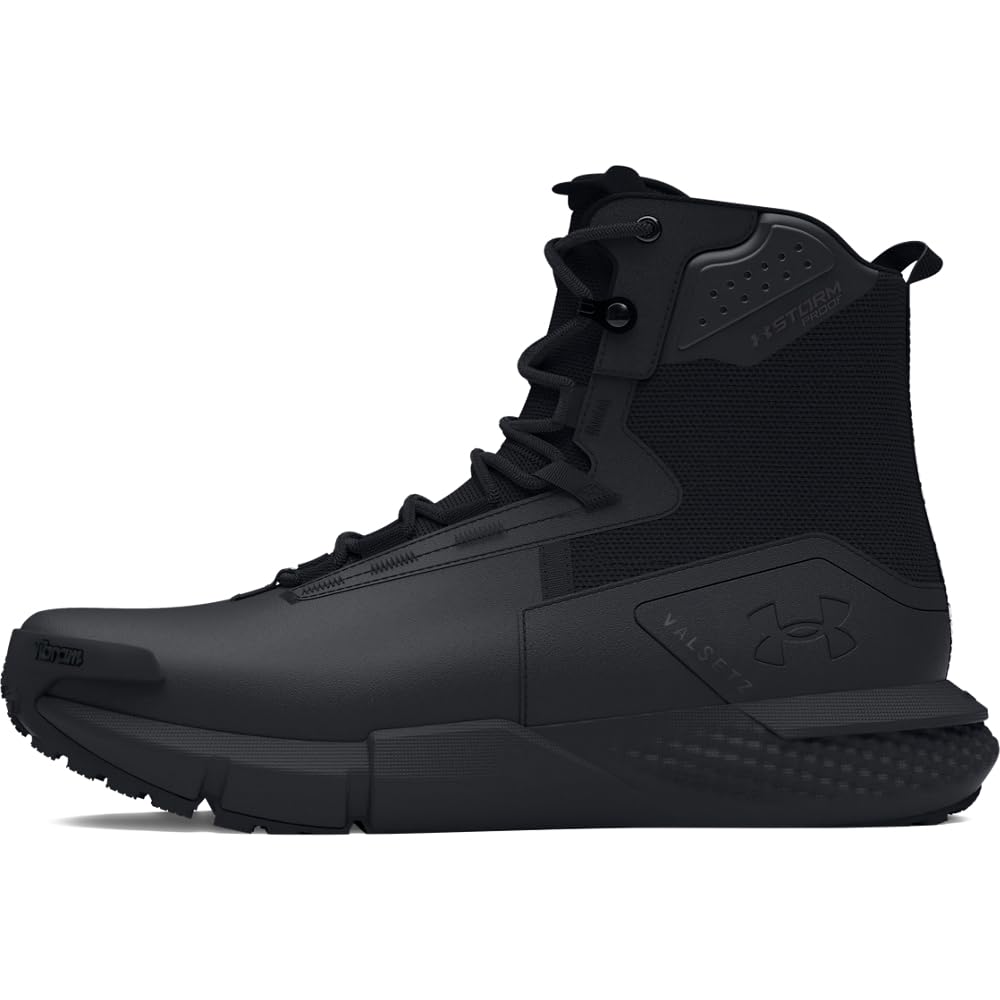
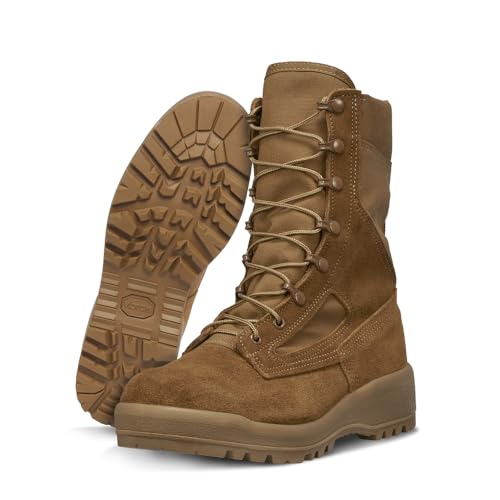


Who Should Buy Which Army Combat Boots for Rucking?
Start with the rucking you actually do, because load and distance change what your feet need far more than appearance does.
New Ruckers Building Base Miles
You are starting with lighter loads, often about 20 to 35 pounds, on roads or packed trails for a few miles at a time. Choose a mid priced boot with forgiving cushioning, a roomy toe box and a flexible sole. A poor fit will end a session faster than any missing feature.
Soldiers Training Weekly With Heavier Loads
You ruck often, carry about 35 to 50 pounds, and need a boot that stays stable when fatigue changes your stride late in a march. Look for firmer arch support, a secure heel and grip on wet pavement and loose gravel. If your unit sets uniform rules, check the required color, height and materials before you buy.
Ruckers on Rough, Wet or Hilly Terrain
You train where roots, mud, stream crossings and steep grades punish weak traction and slow drainage. Choose deeper lugs, a stiffer shank for stability on uneven ground, and an upper that either sheds water fast or keeps it out with a waterproof membrane. That support protects your ankles when each step lands at a different angle.
What Each Price Tier Buys You in a Rucking Boot
Price tiers predict materials and build quality better than they predict fit, so judge each boot against the fit checks in this guide.
Budget Tier: Basic Support for Light Loads
Boots at about $80 to $130 usually pair synthetic panels with some leather, offer modest cushioning and use a simpler outsole compound. They can serve new ruckers on short, dry routes, but the foam often packs down sooner.
Middle Tier: Durability and Comfort for Regular Training
Boots at about $130 to $190 tend to add denser cushioning, better stitching, a more supportive shank and rubber that holds grip longer. For most weekly ruckers this is where money works hardest, because you gain comfort on mile eight without paying for rare features. If you compare general duty styles too, see our guide to the best army combat boots for daily wear options.
Premium Tier: Refined Fit and Longer Service Life
Boots at about $190 to $280 may use fuller grain leather, more precise lasting, stronger hardware and outsoles that resist wear on pavement. The gain is not magic cushioning. It is a closer fit, steadier support after many months, and parts that age slowly.
Features Worth Paying For and Ones to Skip
Some upgrades change every mile, while others only add weight or cost. Spend first on fit, support and traction.
Upper Materials, Breathability and Waterproofing
Full leather uppers resist abrasion and hold their shape, but they feel hotter and need more break in time. Leather paired with nylon panels breathes better, dries faster and weighs less, though it scuffs sooner on rock. A Gore Tex lining suits cold, wet routes, yet it slows drying once water enters over the collar. In warm weather, a draining boot often serves you better.
Cushioning and Heel to Toe Drop
Cushioning spreads the impact of each loaded step, and thicker foam helps most on pavement and during the final miles when your legs tire. Heel to toe drop describes how much higher the heel sits than the forefoot, often about 8 to 12 mm in this style of boot. A higher drop can ease calf strain, while a lower drop feels more stable if you already train in neutral shoes.
Stability and Arch Support Under Load
A pack raises your center of gravity and pushes your arches down with every step, so stability matters more here than in an unloaded boot. Look for a firm heel counter, a midsole that resists twisting, and arch support that matches your foot shape without pressing into one sore spot. If you feel sharp foot pain, numbness that does not fade after a march, or swelling that keeps growing, stop increasing your load and talk with a clinician about your personal needs.
Outsole Traction and Lug Depth
The outsole is your only contact with the ground, and lug depth shapes how it behaves. Lugs of about 4 to 6 mm bite into dirt, mud and loose gravel, while shallower, wider lugs feel steadier on pavement and wear more slowly there. Softer rubber grips wet rock better but can wear faster on roads, so match the pattern to your main surface.
Fit and Sizing for Feet That Swell Under a Ruck Load
Feet swell during a long ruck, so fit the boot in the afternoon while wearing your rucking socks, and leave about a thumb of space ahead of your longest toe. The toe box should let your toes spread without sliding side to side, and your heel should stay seated on downhill steps. This is where the best army combat boots for rucking separate themselves, because a boot that pinches at mile ten will cause blisters no feature can fix.
Ongoing Costs of Rucking Boots: Insoles, Socks and Laces
The purchase price is only part of what a rucking boot costs you. Insoles often need replacing every few months of heavy training, socks wear thin at the heel and toe, and laces fray long before an upper fails. Budget for those items from the start.
A budget boot replaced twice may cost more than a middle tier boot that lasts through both cycles, while a premium boot only pays off if you use its longer service life. Readers comparing nearby categories can also see our guide to the best combat boots for rucking for a broader view.
Common Mistakes to Avoid
- Buying your normal shoe size without room for foot swell leaves toes bruised on long descents.
- Choosing a waterproof boot for hot routes traps heat and sweat, which raises your blister risk.
- Rucking a heavy load in brand new boots skips the break in miles your feet need.
- Paying for deep lugs when you train only on pavement adds weight and wears tread faster.
- Ignoring unit uniform rules can leave you with boots you cannot wear on duty.
- Wearing thin everyday socks wastes cushioning, because seams rub with every loaded step.
Care and Maintenance for Rucking Boots
After each wet or muddy ruck, pull the insoles out, loosen the laces fully and let the boots dry at room temperature away from direct heat. Never use a hot dryer, because high heat can crack leather and weaken the glues that hold the sole.
Brush dried mud from the upper and outsole, wash with mild soap and water when needed, and condition leather once it looks dry or pale. Check lugs for small stones and replace worn laces before they snap on a route. If you also wear general duty footwear, see our guide to the best combat boots and our guide to the best army boots to keep each category clear.
FAQ
What features matter most in army combat boots for rucking on a budget?
Fit, heel hold and basic arch support matter most, even on a budget boot. A roomy toe box and a secure heel prevent the sliding that causes most blisters, and those cost nothing extra once you size carefully. Spend what remains on cushioning rather than a waterproof lining for dry routes.
Do I need waterproof army combat boots for rucking?
You need waterproof army combat boots for rucking only when routes are cold, wet and long enough that chilled feet become a real problem. One detail many buyers miss is collar height, because water that pours over the top stays inside a sealed boot for hours. For summer rain, a fast draining upper plus spare socks often works better.
How often should I replace my army combat boots used for rucking?
Replace army combat boots used for rucking when the midsole feels flat and harsh, the lugs no longer grip, or the upper can no longer hold your heel steady. A practical sign is new aches on familiar routes at familiar distances. Rotating two pairs can extend the life of both by giving the foam a day to recover.
How should army combat boots fit for long ruck marches?
Army combat boots for long ruck marches should feel secure at the heel and midfoot, with clear space for toes to spread and swell. Try a short downhill walk or stairs during fitting, because toes that tap the front on a slope will suffer on real descents. Lace the middle eyelets snugly and leave the top pair looser if ankle motion feels blocked.
Can I wear army combat boots for rucking all day on duty?
Yes, you can wear army combat boots for rucking all day on duty, provided the fit is right and the boots are fully broken in. For long standing hours, a fresh insole and a midday sock change do more for comfort than most buyers expect.
How long is the break in period for army combat boots for rucking?
The break in period for army combat boots for rucking is usually one to three weeks of gradually longer walks. Start with short unloaded walks, then add your pack in stages, and tape any hot spot as soon as you feel it. Leather heavy models sit at the longer end of that range, while synthetic models often feel ready sooner.
Wrapping Up
Choose by fit first, then by the support your load demands, then by the traction your terrain requires. Budget boots serve light training, middle tier boots cover most weekly ruckers well, and premium boots repay heavy, frequent use. Use the product table above to compare weight, height and price.
When you judge the best army combat boots for rucking by how they feel at the end of a long march, not in the first minute, the right tier becomes clear. Buy the boot your feet can trust and break it in patiently.


