
Best Army Boots: A Practical Buying Guide for 2026
Disclosure: We may earn a commission when you buy through links on this page, at no extra cost to you. As an Amazon Associate I earn from qualifying purchases. Learn more

How to choose the best army boots: check the uniform rules first, then fit, traction, weight, break in time, materials and price bands, explained plainly.
Choosing boots for duty wear is a decision your feet will judge every single day. The best army boots for you are the pair that passes your unit rules, fits your foot shape under a loaded pack, and suits the ground you actually cover. This guide walks through the checks that matter, in the order that matters, so you can narrow the field before you spend anything.
Start with the rules, because an unapproved boot is wasted money no matter how comfortable it feels in the shop. Then work through fit, traction, weight, and materials, and use the product table to line up the main options side by side before you read the detail.


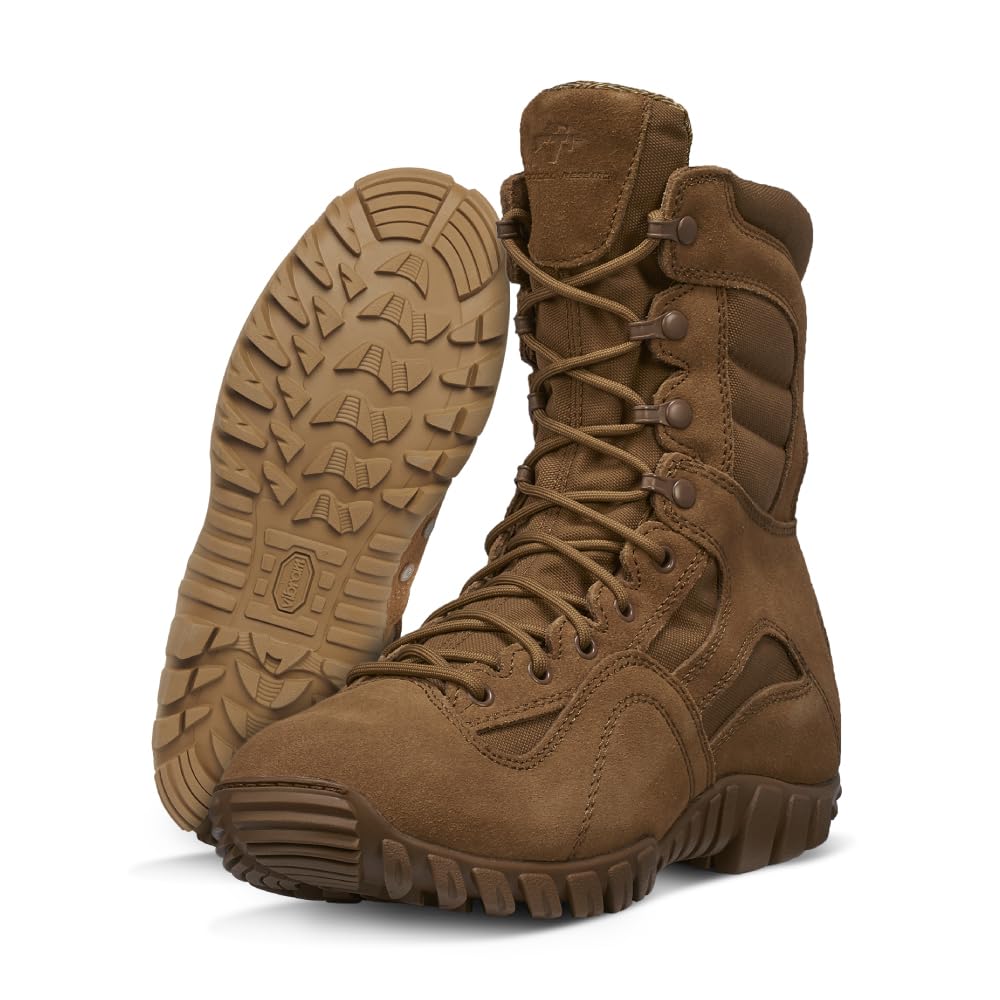


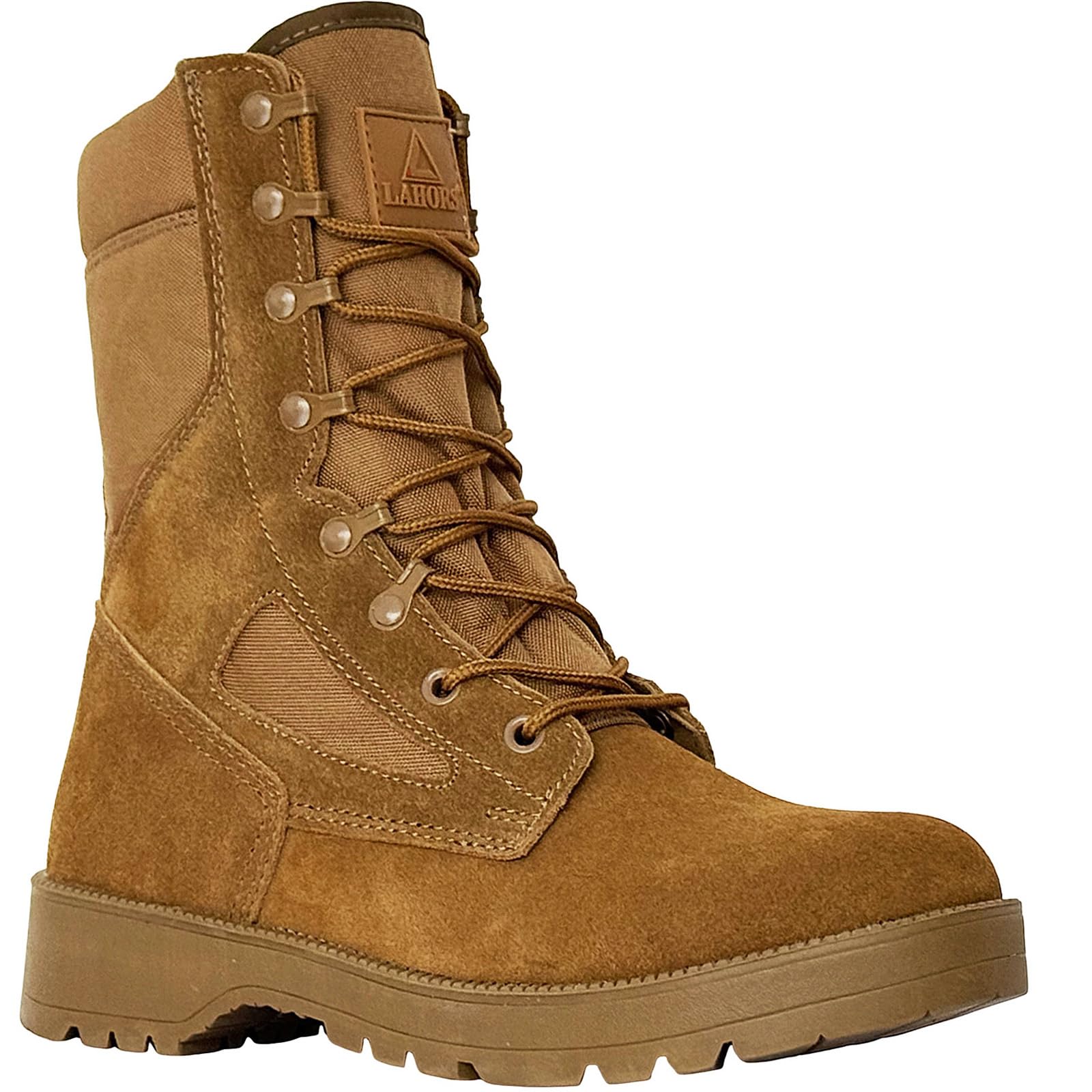


Check the Uniform Rules Before You Spend
Uniform regulations belong to your service branch and your unit, not to the shop selling the boot. Height, color, material, and sole style can all be specified, and the details change between services and between roles in the same service. A boot marketed as an army boot is a sales description, not an approval, so never treat the label on the box as permission to wear it on duty.
Check the current regulation list for your unit before you order, and ask through your chain of command when a boot class is not named clearly. Civilians, veterans, and reservists buying for work, training, or outdoor use have more freedom, but anyone buying for an organization with a dress code should run the same check first. Five minutes with the rules is cheaper than a pair you cannot wear.
What the Price Bands Actually Buy
Price bands in duty boots mostly buy materials and construction, not comfort by themselves. A cheap boot with the right fit will serve you better than a costly one that rubs, so use the bands below to set expectations and then judge each class on the factors that follow.
Entry Band, About $40 to $110
Entry level boots pair thinner leather or mostly synthetic uppers with glued soles and simple foam insoles. They suit short duties, light training, and buyers who need a regulation looking boot on a tight budget. Expect the upper to crease and soften early, and expect the sole bond to be the first thing that fails. For occasional wear they are a sensible buy.
For daily marching, most buyers outgrow this band within a season or two.
Working Band, About $110 to $180
The working band is where most soldiers and heavy civilian users end up. Uppers mix fuller leather with strong fabric panels, cushioning improves, and soles use harder rubber with deeper lugs. Construction is still mostly glued, but the materials tolerate daily wear, wet grass, and regular polishing. If you march, stand long shifts, or train several days a week, this band usually gives the best service per dollar spent.
Premium Band, About $180 to $280
Premium boots buy thicker leather, stiffer construction, and in some classes a stitched sole that a cobbler can replace when it wears down. Waterproof membranes and better ankle support also appear at this level. The boots often feel heavier and need a longer break in period, which surprises buyers who expect instant comfort for the price. Choose this band when the boots are daily equipment for years, not for occasional wear.
How to Choose: The Factors That Decide Comfort and Service Life
Fit, Sizing, and Toe Box
Measure and try boots late in the day, when your feet are at their largest, and wear the socks you will actually use on duty. You want a thumb width of space in front of your longest toe, a heel that stays put when you walk, and a toe box wide enough that your toes can spread under load. Feet swell on long marches, so a fit that feels snug in the morning can turn painful by the afternoon.
Width classes matter as much as length. Many army boots come in regular and wide fittings, and moving up a width often fixes pressure that a longer size only moves around. If a model offers no wide option and your forefoot feels pinched, that model is not for you, whatever the price band. Fit is a comfort question only, and this guide treats it that way throughout.
Outsole Traction and Terrain
The outsole decides how the boot behaves on the ground you cross most. Deep, widely spaced lugs shed mud and bite into soft trails, while shallower, closer patterns feel steadier on pavement, drill squares, and polished floors. Hard rubber wears slowly but can feel slippery on wet stone, and softer rubber grips better at the cost of a shorter life. Match the pattern to your ground rather than to the toughest terrain you might meet once a year.
Weight and Marching Load
Boot weight is carried with every step, so a heavy pair costs more energy over a long day than the number on the box suggests. Light boots reduce fatigue on roads and in warm weather, while heavier boots protect the foot on rough, stony ground and under a heavy pack. Think about your total load, not just the boot: the pack, the gear, and the water all change what your feet can forgive.
Soldiers who train with a loaded pack should also read the guide to best boots for rucking army, where load carriage gets its own treatment. However you train, check the fit under load before trusting a new pair: carry your usual pack weight on a short walk and feel for heel lift and toe pressure while the boots are still new enough to exchange.
Break In Period and the First Long March
Most duty boots need a break in period while the leather and the sole unit learn the shape of your stride. Wear a new pair for short duties first, then build the distance over several outings. A stiff boot taken straight onto a long march is the classic route to blisters, hot spots, and a miserable week, and no price band removes that risk.
Treat the first long march as a trial you schedule, not a surprise you endure. Tape known hot spots, carry spare socks, and stop early to adjust lacing if a heel starts to lift. Pain or numbness that persists after the boots have softened and the fit has been checked is not a boot problem to push through; ask your doctor about your feet.
Upper Materials and Breathability
Full leather uppers polish well, resist scuffs, and suit units whose rules demand a plain leather look. Leather and fabric mixes dry faster, weigh less, and breathe better in heat, which is why they dominate warm weather and training boots. Mesh panels help hot feet but let in dust and grit on dry trails. Waterproof membranes keep rain and puddle water out, yet they also hold warmth in, so the same boot that feels right in winter can feel punishing in summer.
Durability and Expected Lifespan
Look at how the sole joins the upper. Stitching you can see usually means the sole can be replaced when the tread wears down, while a glued sole is lighter and cheaper but ends the boot when the bond fails. Check the stitching around the toe and heel, the thickness of the leather at the flex point, and whether the eyelets are metal rather than thin fabric loops. With daily use, expect the cushioning to tire before the upper does, and plan replacement around comfort, not appearance.
Types of Army Boots
Full Leather Duty Boots
The classic duty boot is a high leather boot built for uniform wear, polishing, and long hours on mixed ground. It offers the most ankle support and the plainest look, which keeps it legal under the strictest dress rules. The trade is weight and a slow break in. Choose this type when regulations, ceremony duties, or rough ground matter more than speed and ventilation.
Hot Weather Boots
Hot weather boots swap part of the leather for fabric panels and sometimes add drainage ports near the sole, so water escapes after crossings and the boot dries overnight. They run cooler and lighter than full leather, but the fabric scuffs sooner and support is softer. They suit jungle, desert, and summer training, and they are the wrong choice for cold, wet seasons.
Waterproof Boots
Waterproof boots seal the upper with a membrane so rain and shallow water stay out during wet duties. They shine in cold rain, mud, and winter fields, where dry feet stay warmer for longer. The cost is heat: in warm weather the same seal traps sweat, and a boot that floods over the top dries slowly. Pick them for a wet climate, not as an all year default.
Lightweight Tactical Boots
Lightweight tactical boots borrow the low weight and flexible sole of training shoes while keeping a boot height and a duty look. They feel easy on roads, stairs, and long standing shifts, and they need little break in. Protection and lifespan are the compromise, since soft soles wear faster on gravel and the uppers flex more under a pack. They fit garrison duty, security work, and light field use.
Choosing Army Boots for Your Situation
Your situation narrows the type list quickly. Garrison and office duties reward polish and comfort while standing, field training rewards traction and support, and road work rewards low weight. A smaller group of buyers even run in their boots, and the guide to best army boots for running covers that training choice on its own, since a marching boot and a running boot ask different things of the sole.
Best Summer Army Boots
Summer changes the boot decision in three ways. First, breathability moves to the top of the list, so fabric panels and lighter uppers beat full leather whenever the rules allow them. Second, drainage and fast drying matter after stream crossings and sudden rain, because a boot that stays wet all week breeds blisters.
Third, color and material rules still apply, so check that a pale warm weather class is approved before you buy it. Pair the boot with thin moisture moving socks, keep a dry spare pair in your pack, and rotate two pairs on long exercises so each one dries fully between wears.
The Gear Around the Boot
A boot works as part of a small system, and the cheapest comfort gains often sit beside it rather than inside it. Replacement insoles change the cushioning and arch feel of a boot you already own, and the guide to best insoles for army boots explains how to choose them by foot shape. Socks matter just as much: the guide to best socks for army boots covers the thicknesses and fibres that prevent most blisters. A watch, by contrast, is a different category of kit altogether, and the guide to best army watches covers timepieces worn with a uniform; nothing about a watch changes which boot you should buy.
How to Make Your Army Boots Last Longer
- Rotate two pairs on daily duty, because foam and leather both recover shape and dry fully when they rest a day between wears.
- Dry wet boots slowly at room temperature with the insoles removed, since direct heat cracks leather and weakens the glue that holds the sole.
- Clean mud off the upper and lugs after field use, because dried grit works like sandpaper at every flex point.
- Condition leather when it starts to look dry, and reproof waterproof classes as their makers direct, so the upper stays supple instead of cracking.
- Replace insoles when they flatten, because tired cushioning is often the first part to go, long before the upper or the sole wears out.
Your Questions Answered
How should army boots fit when I first try them on?
Army boots should hold the heel firmly, leave a thumb width before your longest toe, and let your toes spread without pressing the sides. Try them late in the day with your duty socks on, and walk down an incline in the shop if you can. One check worth adding: press your foot forward in the unlaced boot and confirm you can slide one finger behind the heel, which confirms the length before the laces hide a bad fit.
How long does it take to break in a new pair of army boots?
Most army boots take about two to three weeks of short, regular wear before they feel fully settled, and stiff full leather classes can take longer. Build distance gradually: short duties first, then longer walks, then a loaded march. A useful trick during this stage is to lace the middle eyelets a little looser on easy days, which reduces pressure on the top of the foot while the leather is still learning its creases.
Can I wear army boots all day on concrete?
Yes, army boots can be worn all day on concrete, and many duty roles demand exactly that. Hard flat ground punishes thin soles, so favour a boot with real cushioning and consider a replacement insole for long standing shifts. Concrete also wears tread fast; check the heel corners monthly, because a sole worn unevenly on hard floors changes how your foot lands and can make an otherwise sound boot feel unstable.
Do I need waterproof army boots, or will they be too hot?
You need waterproof army boots only if your duties regularly put you in rain, wet grass, or shallow water for long stretches. In dry or hot postings the membrane mostly traps sweat and slows drying, so a breathable class serves you better. A practical middle path is a non waterproof boot treated with a surface proofing spray: it sheds light rain and dries quickly, without sealing your feet in for the whole day.
When should army boots be replaced?
Replace army boots when the tread is worn smooth at the heel or ball, the midsole feels flat and dead, or the upper cracks at the flex point and lets water in. Uppers that lean to one side are another clear sign, since a collapsed heel counter no longer holds the foot straight. Keep the old pair for dirty jobs if the sole still grips, but stop trusting them for long marches.
Final Thoughts
The order of decisions matters more than any single feature. Rules first, then fit under load, then the ground you cover, and only then the price band, because the product table can only compare boots that pass those checks. Keep break in gradual, and ask your doctor about lasting foot pain or numbness rather than treating it as a boot problem.
Get those steps right and the best army boots for your duties stop being a gamble. They become the pair you lace up without thinking, which is exactly what duty footwear should be.


