Best Boots for Shingle Roofing of 2026: Complete Buying Guide
Disclosure: We may earn a commission when you buy through links on this page, at no extra cost to you. As an Amazon Associate I earn from qualifying purchases. Learn more

Compare boots for shingle roofing by grip, fit and cushioning, with clear guidance on soles, uppers and sizing for safer work on pitched roofs.
Asphalt shingles feel gritty underfoot, yet that grit loosens as the surface heats up and your footing can shift. The best boots for shingle roofing grip that loose surface, cushion long hours on a pitch, and protect your feet from stray nails. This guide shows you how to judge each factor so you can use the comparison table below with confidence.
Your pitch, your hours, and your usual tasks decide what matters most. A steep roof calls for maximum contact and ankle support, while repair work calls for flexibility for kneeling and climbing. The sections below match each need to sole design, fit, upper materials, and price.


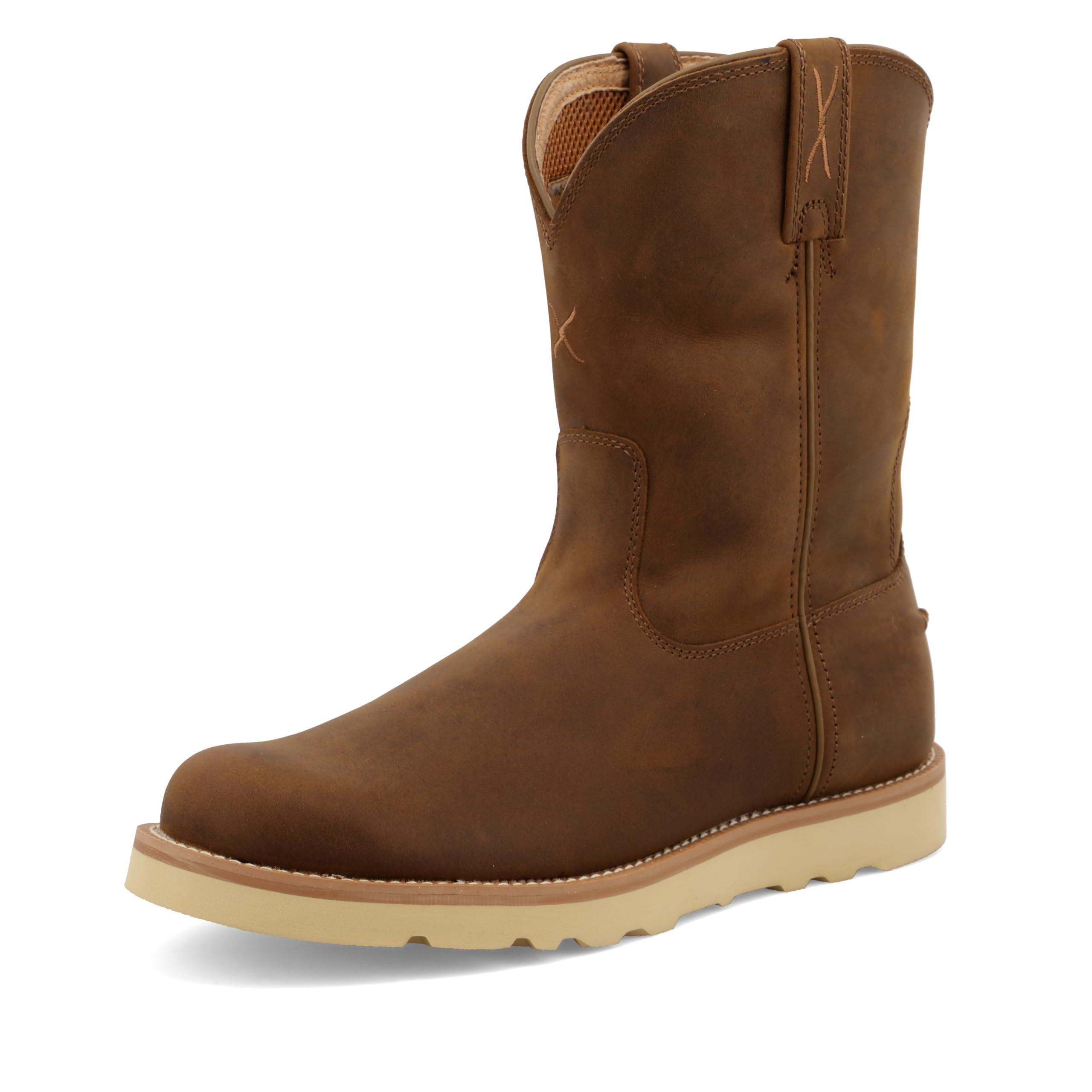

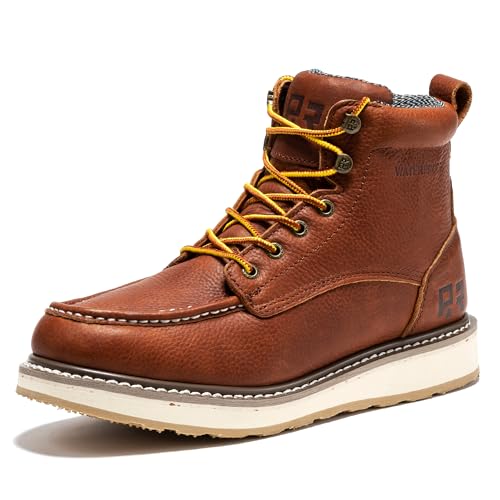

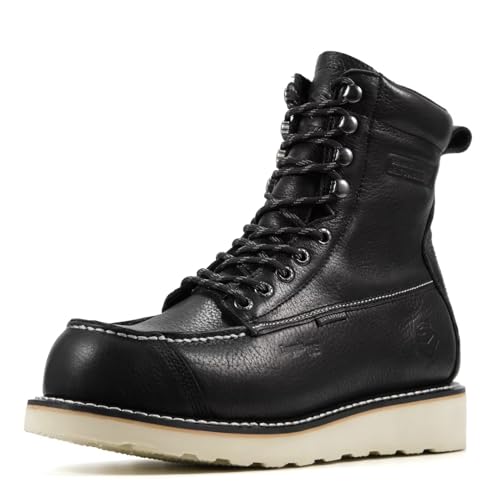
Who Should Buy Which Boots for Shingle Roofing?
Start with the work you do most weeks. Boots that suit daily shingle laying can feel clumsy for small repairs, and light boots for repairs can wear out fast on full installs.
Full Time Shingle Roofers on Steep Pitches
You spend most of the day on a slope, often carrying bundles and turning near the ridge. Choose a boot with a soft and flat outsole that keeps maximum rubber on the shingles, firm ankle support, and a protective toe. Prioritize grip and stability over low weight, and expect to pay about $120 to $200.
Tear Off and Repair Crews Who Kneel and Climb
Your day mixes ladder climbs, kneeling at flashing, and short moves across partly stripped decking. Choose a flexible boot that bends at the forefoot and still grips when granules collect on the sole. A lighter build around $90 to $150 suits this work, and a replaceable insole helps when cushioning packs down.
Homeowners and Helpers on Single Story Roofs
You may roof a garage, a shed, or one house section, and you need secure footing without buying gear for daily trade use. Choose a mid height boot with proven grip on asphalt and a roomy fit for thick socks. Most occasional users do well around $70 to $120.
Key Features to Compare
When you compare the best boots for shingle roofing, judge grip first, then fit, then comfort on the pitch. A boot that fails on grip fails at its main job, no matter how cushioned it feels on flat ground. If you also do general site work in the same pair, see our guide to the best work boots for roofing for broader needs.
Outsole Grip and Contact on Asphalt Shingles
The outsole is your contact with a surface covered in loose mineral granules, so compound and pattern matter more than deep lugs. Soft rubber grips shingles better than hard rubber, and wide flat contact areas with shallow grooves let the rubber meet the surface. Avoid tall and widely spaced lugs, because they reduce contact and can tear granule layers on hot days.
Fit, Sizing and Toe Box Room for Roof Work
Measure both feet late in the day, when feet are largest, and size for the larger foot with your work socks on. Your toes need room to spread as you brace on a pitch, so look for a toe box that allows slight movement without letting the foot slide. Your heel should stay seated when you walk downhill on the roof. If you fall between sizes, choose the larger size and adjust with lacing.
Upper Materials, Heat and Breathability on Hot Roofs
Roof surfaces radiate heat, so upper choice shapes how hot your feet feel by midday. Full leather uppers resist abrasion from shingle edges, but they hold heat and dry slowly after morning dew. Mesh and knit panels feel breathable and light, yet they wear faster where shingles rub. Many roofers do best with leather at the toe and heel and ventilated panels at the sides.
Cushioning and Balance on Steep Pitches
You stand and kneel on a slope for hours, so cushioning must absorb load without feeling unstable. A firm midsole with moderate padding supports your arch, while very soft foam can let the foot roll on a pitch. Heel to toe drop is the height difference between heel and forefoot, and a moderate drop of about 8 to 12 mm suits most roofers. Lower drops feel natural for kneeling.
Weight, Flexibility and Ankle Support on a Pitch
Every climb costs more energy in heavy boots, so weight shapes how tired your legs feel by late afternoon. Lightweight shoes and boots around 1 to 2 pounds per boot suit repair work, while heavier builds add protection for tear off work. A mid or high collar limits side movement on uneven decking and supports the ankle. Choose a sole that bends at the toes but stays stiff through the middle.
Water Resistance and Protection From Nails and Heat
Morning dew and light rain make shingles slick, so water resistance protects both comfort and footing. Waterproof boots with sealed seams and membranes such as Gore Tex keep socks dry, but they breathe less in summer heat, so see our guide to the best winter roofing boots if cold and wet work dominates. Look for a puncture resistant plate, because tear off work exposes you to nails. Boots never replace fall protection, so use a harness on steep work and seek prompt medical care for any puncture wound.
Which Boot Type Fits Your Shingle Work?
Boot types differ mainly in sole softness, collar height, and weather protection. Match the type to your pitch and season first. For a wider view across roof surfaces, see our guide to the best roofing boots before you decide.
Soft Sole Roofing Boots for Maximum Grip
These boots use soft rubber and low profile patterns built for contact on granule surfaces. They suit installers on moderate to steep pitches who need to feel the roof through the sole. The trade off is faster sole wear, since soft compounds abrade on asphalt. Choose this type if grip is your top concern.
Standard Work Boots Adapted for Shingle Roofs
Standard work boots bring thicker leather, stronger toes, and stiffer support for mixed site tasks. They suit crews who split time between ground work, tear off, and shingle laying in one pair. Check that the sole pattern is fairly flat, because deep lugs grip shingles poorly.
Waterproof Boots for Wet Morning and Cold Season Work
Waterproof boots add sealed membranes and gusseted tongues that keep dew and drizzle out during early starts. They suit roofers in damp climates and anyone who begins before the roof dries. In hot regions they can feel warm by noon. Note that smooth wet metal behaves differently from wet shingles, so see our guide to the best boots for metal roofing if you work on both surfaces.
Common Mistakes to Avoid
Most poor choices come from judging boots on flat ground.
- Wearing running shoes or sandals on shingles leaves you with weak grip and exposed toes, so a slip can cause a serious fall.
- Choosing deep lug soles reduces contact on granules and damages shingle surfaces, so footing and the roof both suffer.
- Buying boots sized in the morning ignores foot swelling, so toes jam when you brace on a pitch.
- Keeping worn smooth soles in service removes your main source of grip, so even low pitches become risky.
- Trusting boots alone for safety ignores fall protection, so a single slip has no backup.
- Pressing hard with stiff soles on heat softened shingles scars the roof, so the work can age early.
How to Make Your Roofing Boots Last Longer
Brush loose granules from the soles and uppers after each job, and check the outsole for smooth patches, cuts, and embedded nails. Air dry wet boots away from direct heat, and loosen the laces fully so air reaches the lining.
Rotate two pairs if you roof daily, giving each pair a full day to dry. Replace insoles when they stay flat after a night of rest, and retire boots once the contact area turns smooth and shiny. Store boots upright in shade, away from solvents.
FAQ: Boots for Shingle Roofing
What features matter most in boots for shingle roofing on steep pitches?
Soft rubber grip, wide sole contact, and firm ankle support matter most on steep pitches. Those three factors decide whether your foot holds when granules shift under load. On steep work, also tuck laces and keep collars snug, since harness straps should not catch on dangling lace loops.
How long is the break in period for new roofing boots?
Most roofing boots need about one to two weeks of regular wear before the upper and midsole adapt to your feet. Wear new boots on ground tasks and low pitches first, not on your steepest job. If a pressure point still causes numbness after two weeks, the size or shape is wrong for your foot.
How should roofing boots for shingle work fit at the toes and heel?
Roofing boots should leave about a thumb width of space ahead of your longest toe while keeping the heel firmly seated. Test the fit on an incline board if you can, since flat floors hide forward slide. Kick the toe gently against a step, and your toes should not strike the front.
Are expensive roofing boots worth it for shingle work?
Expensive roofing boots are worth it if you roof weekly and need durable leather and lasting support. Occasional users often gain little from premium builds, since grip depends more on sole condition than on price. A mid priced boot replaced on time will usually grip better than a costly boot worn smooth.
Do I need waterproof boots for shingle roofing in dry weather?
No, you do not need waterproof boots for shingle roofing during dry weather, and ventilated boots will usually feel cooler. Waterproof models earn their place for dew covered morning starts and damp seasons. One compromise is a water resistant leather boot treated before the wet season, which sheds light moisture while breathing better than a sealed membrane boot.
Our Verdict
Choose grip first, fit second, and weather protection third, and match ankle support to your steepest pitch. Soft sole types suit dedicated installers, standard work boots suit mixed crews, and waterproof types suit damp starts. Use the product table above to compare sole design, weight, and price.
When you shop for best boots for shingle roofing with those priorities in mind, the right pair becomes clear. Buy the boot that holds the surface and feels steady in the final hour.