
Best Boots for Railroad Conductor in 2026: A Clear Buying Guide
Disclosure: We may earn a commission when you buy through links on this page, at no extra cost to you. As an Amazon Associate I earn from qualifying purchases. Learn more

New to buying railroad conductor boots? Learn plain English specs, fit checks and ballast grip so you can compare types and avoid rookie mistakes.
Buying work boots for railroad work feels confusing at first because one shift mixes walks, platforms and loose stone. The best boots for railroad conductor use are not hiking boots or dress boots, and this guide explains the difference in plain English using the comparison table below.
Start with your actual assignment. Note how far you walk, how often you climb, and whether your employer requires a safety toe. Those answers narrow the field fast.

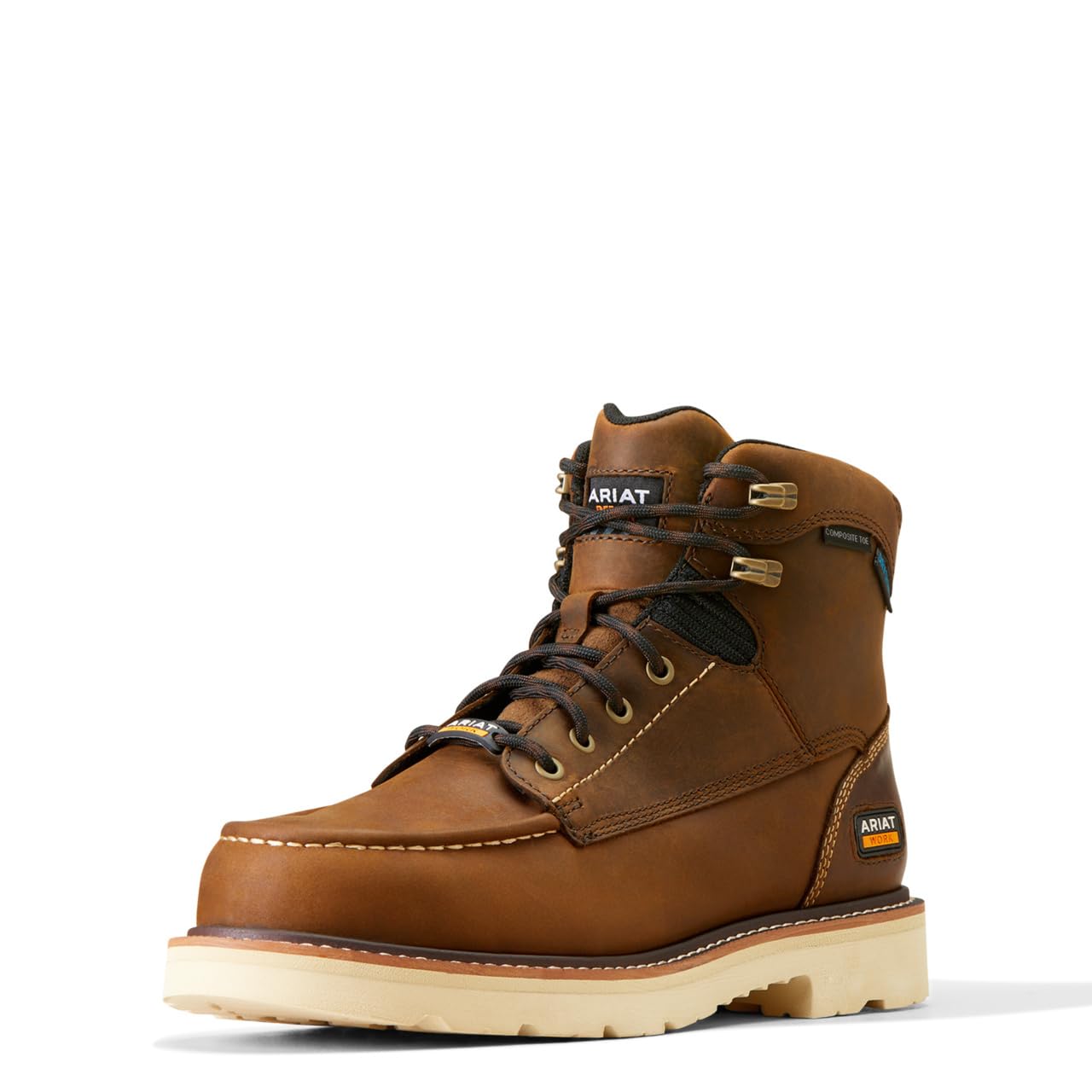


Boots 101: The Basics for Railroad Conductors
A railroad boot is a work boot built for walking and standing on uneven ground around moving equipment. The upper covers the ankle for support on sloped ballast, the outsole grips loose stone and wet concrete, and the toe may add protection near tools and freight. Most stand 6 to 8 inches tall.
Conductors split time between train, platform and yard, so one pair must handle floors, metal steps and gravel. That is why choosing the best boots for railroad conductor means matching the boot to your assignment, not to looks.
Who Should Buy Which Railroad Conductor Boots?
Your daily route decides which trade offs matter. Pick your group below, then confirm the details.
Yard Conductors Who Walk Ballast All Shift
You cover miles on loose stone, cross tracks and stand on sloped ground. Put grip and ankle support first, with a deep lug outsole and a firm 8 inch shaft. A safety toe and puncture resistant plate suit yards with scrap and sharp stone. Stability matters more than low weight here.
Road and Passenger Conductors on Platforms
You stand for long stretches, walk smooth platforms and climb metal steps many times a day. Put cushioning and a lighter build first, often in a 6 inch boot that flexes easily at the ankle. A shallower lug pattern feels steadier on flat wet floors than a deep yard lug. Check uniform rules before choosing color.
New Conductors Buying a First Pair
You may not know your regular assignment yet, so choose a balanced boot without extremes. A mid height leather boot with moderate lugs, good arch support and a roomy toe box adapts to yard and platform days alike. Follow your employer rule list first, and see our guide to the best work boots for railroad conductors for rule driven choices.
Key Features to Compare
Compare these factors in order, because fit and grip protect you every hour, while extras help only sometimes.
Outsole Grip on Ballast, Concrete and Metal Steps
The outsole is the rubber layer that meets the ground, and its lug pattern decides how secure each step feels. Deep, widely spaced lugs bite into loose ballast and shed small stones instead of trapping them. On concrete and metal steps, a flatter contact area grips better than tall lugs that can skate on wet surfaces. Oil resistant rubber helps where fuel coats the ground. See our guide to the best boots for railroad ballast to compare lug depth.
Safety Toe, Electrical Hazard Rating and Employer Rules
Many railroads require a safety toe, in steel or composite. Steel is slimmer and often costs less, while composite feels lighter and warmer in cold weather. Some roles also require an electrical hazard rating for insulation from live circuits. Confirm the exact standard with your safety office. If pain, numbness or swelling in your feet keeps returning after shifts, talk with your clinician about personal needs and ask a safety professional to check your footwear fit.
Fit, Sizing and Toe Box Room for Long Shifts
Feet swell during a long shift, so try boots late in the day in your usual work socks. You want about a thumb width of space ahead of your longest toe, a heel that stays put, and no pinching across the ball of the foot. The toe box should let your toes lie flat and spread a little on a slope, because cramped toes tire fast. If you fall between sizes, choose the larger size with a thicker insole.
Membrane Waterproofing for Rainy Yard and Platform Work
Waterproof boots use a membrane under the upper that blocks rain and puddle water while letting some sweat vapor escape. Gore Tex is the best known membrane, and store brands work alike. Choose waterproofing for wet yards, snow or dewy ground, because wet socks cool feet and soften skin until it blisters. The trade off is warmth and slower drying, so a breathable non waterproof boot suits dry summer work better.
Cushioning, Arch Support, Stability and Heel to Toe Drop
Cushioning softens impact on concrete, while arch support spreads load so the middle of your foot does not ache by mid shift. Stability comes from a firm heel counter and a midsole that resists twisting on sloped ballast. Heel to toe drop is the height difference between heel and forefoot, often about 8 to 12 mm in work boots. A higher drop suits raised heel habits, while a lower drop feels flatter. Read our guide to the best railroad boots for more on support types.
Weight, Flexibility and Shaft Height
A heavy boot protects but costs energy on every step, and conductors can walk several miles before lunch. Flexible boots bend at the ball of the foot so climbing feels natural, yet the sole should stay stiff enough that sharp ballast does not press through. A 6 inch shaft is lighter and cooler for platform work, while an 8 inch shaft adds support and keeps stones out.
First Shifts: Breaking In and Getting Started
Wear a new pair at home and on short errands for a few days before a full shift, adding an hour or two daily. Leather softens where your foot bends, and your feet adjust without 12 hour pressure. Carry your old pair at first so you can swap if a hot spot starts.
Set your lacing before you judge the fit. Snug the lower eyelets to hold the heel back, firm up the ankle hooks, and recheck after the first hour. Workers beyond the yard can compare notes in our guide to the best boots for railroad workers, since break in lessons apply across railroad roles.
Rookie Mistakes to Avoid
- Buying a safety toe boot before checking employer rules leaves you with a pair you cannot wear on duty.
- Choosing a smooth fashion sole for yard work makes loose ballast feel like marbles underfoot.
- Sizing boots in the morning with thin socks gives a fit that turns painful once feet swell.
- Ignoring outsole wear until the lugs are smooth removes grip you rely on in wet night work.
- Wearing brand new boots on a full 12 hour shift turns a small rub into a blister.
Care and Maintenance for Railroad Boots
Brush ballast dust and mud off after each shift and let the boots air dry away from direct heat, because hot air cracks leather and warps membranes. Pull the insoles out overnight so sweat can escape, and loosen the laces for airflow. Rotate two pairs if you can, since a rest day lets cushioning recover.
Condition plain leather every few weeks if it looks dry, and reproof it when water stops beading. Check laces and sole edges monthly, and replace worn laces before they snap on shift. Store boots upright out of direct sun. A cobbler can resole a well built pair when the tread is gone.
FAQ
What features matter most in boots for a railroad conductor?
Grip on ballast, a secure fit and the safety rating your employer requires matter most in boots for a railroad conductor. One point buyers miss is the shank, the stiff layer inside the sole. A firm shank stops stones pressing into your arch, so ask about it when a listing only praises soft cushioning.
How should railroad conductor boots fit when feet swell?
Railroad conductor boots should fit with space ahead of the toes and a locked heel, even after your feet swell. Try them at the end of a workday for the truest test. If your heel slips only in a new boot, a thicker sock or a runner loop often fixes it. Persistent slip means that last shape does not suit your foot.
How long is the break in period for railroad conductor boots?
The break in period for railroad conductor boots is usually about one to two weeks of growing wear time. Stiff leather yard boots sit at the long end, while softer platform boots settle within days. Even creasing at the ball of the foot without new hot spots signals good progress. If one sharp fold keeps digging in, exchange sizes while you can.
Are expensive railroad conductor boots worth the extra cost?
Expensive railroad conductor boots are worth it when the extra cost buys a resolable build and better leather. Boots run about $120 to $300, and higher prices often reflect repairable welt construction. A costly boot you cannot resole offers less value than a mid priced pair a cobbler can rebuild. Spend first on fit and required ratings.
Do railroad conductors need waterproof boots for yard work?
Yes, railroad conductors who work wet yards, snow or early dew usually need waterproof boots. Mostly indoor or dry summer platform work is the exception, where a breathable upper keeps feet cooler. Consider a second non waterproof pair for hot months if your budget allows. Rotating pairs also gives each pair a full day to dry.
Can railroad conductor boots be worn for a full 12 hour shift?
Yes, railroad conductor boots can be worn for a full 12 hour shift once broken in and fitted with your work socks. Comfort over that span depends more on insole support and weight than on shaft height. Pack spare socks and change at mid shift on hot or wet days. Dry socks cut friction and make the second half feel easier.
The Bottom Line
For a first pair, let your assignment lead. Yard work calls for deep lugs, ankle support and the safety toe your railroad requires, while platform work rewards lighter weight and softer cushioning. Fit boots late in the day, break them in gently, and use the product table above to compare height, toe type and waterproofing.
When you choose best boots for railroad conductor options with those points in mind, you get footwear that supports the work instead of fighting it. Start balanced, keep up simple care, and your boots should last.


