Best Boots for Scaffolding in 2026: A Clear Buying Guide for New Buyers
Disclosure: We may earn a commission when you buy through links on this page, at no extra cost to you. As an Amazon Associate I earn from qualifying purchases. Learn more

Compare scaffolding boots by grip on planks, toe protection, ankle support, fit and weight, with simple first pair checks for scaffold work.
Buying your first pair for scaffold work feels different from buying boots for the ground. You will stand on narrow planks, climb ladders and shift your weight on metal frames, so grip and balance matter from the first step. The best boots for scaffolding give you steady footing, toe protection and support that lasts a full shift, and the comparison table below shows the options side by side.
This guide starts with the basics in plain language, then walks through fit, weight, cushioning and care. Read it in order if you are new to the trade, or jump to the section that matches your question.


Boots 101: The Basics for Scaffold Work
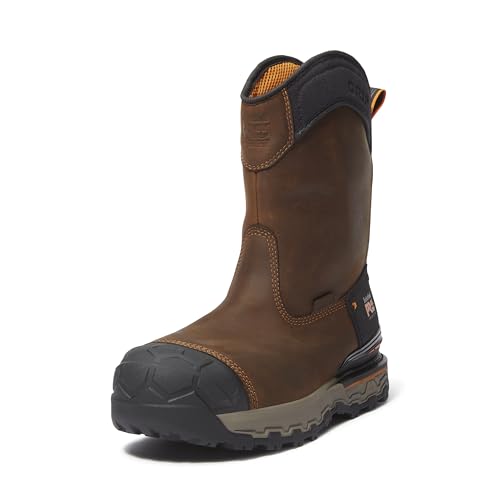
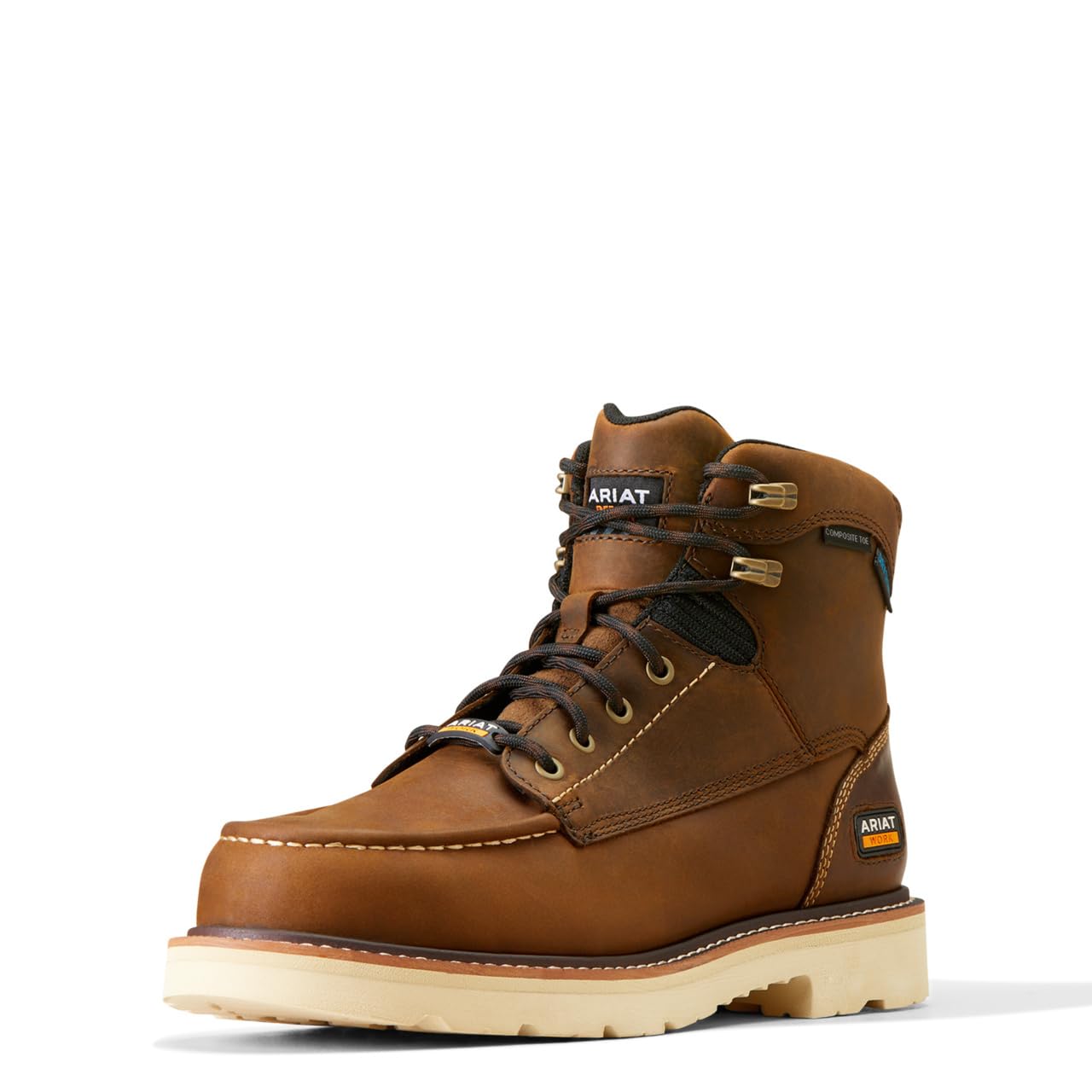
A scaffolding boot is a work boot built for height work on planks, frames and ladders. Its outsole needs flat contact and clear tread edges so it grips wood and metal instead of skating on dust or rain. Its upper rises over the ankle to limit rolling, and a firm shank under the arch keeps the boot steady when only part of your foot rests on a rung.
Terms on a product page describe real parts of that job. The toe box is the room around your toes, the shank is the stiff support under the middle of the foot, and the heel breast is the front face of the heel that can catch a rung. Choosing the best boots for scaffolding starts with matching those parts to your daily surfaces, not with color or brand.
Who Should Buy Which Boots for Scaffolding Work?
Your daily tasks decide which build suits you. A new hand who mostly passes material needs a different balance of weight and protection from a worker who erects frames in rain.
New Scaffold Hands Learning the Trade
You need forgiveness while your footing habits are still forming. Choose a boot with a wide, flat outsole, ankle coverage and a roomy toe box, since those traits help you feel planted on planks. A composite toe keeps weight lower during long climbs, and a price around $100 to $160 keeps a first pair sensible.
Erectors Who Climb and Carry All Shift
You move up and down frames with tools and fittings in hand, so every ounce counts and ladder grip matters most. Look for a defined heel, a stiff shank and laces you can lock at the ankle so the boot does not shift on rungs. If your crew rules call for rated work footwear on every lift, see our guide to the best work boots for scaffolding for a closer look at rated options.
Workers on Wet Outdoor Sites
You face slick planks, mud at the base and rain that soaks socks by midday. Choose waterproof boots with sealed seams, deep tread channels that clear water, and a breathable lining so heat can escape during dry spells. Keep spare socks in your bag, because dry socks restore grip inside the boot.
Scaffold Boot Specs in Plain English
Read each spec as an answer to a site problem. The notes below tell you what the term means, what it changes on a plank, and which level new buyers should pick.
Features That Matter Most for Scaffolding Boots
Grip and protection come first for scaffolding boots. Pick an outsole with wide, flat lugs and siping that bites on wet wood and painted metal, plus rubber that stays flexible in cold weather. Add a safety toe rated for impact, a puncture plate if you step around loose fittings, and ankle padding that guards against frame knocks. Boots here often cost about $120 to $250, and grip and toe protection earn their keep before comfort extras do.
Fit, Sizing, and Toe Box Room in Scaffolding Boots
Measure both feet late in the day, when they are at their largest, and size to the longer foot. You want about a thumb width of space in front of your longest toe and enough toe box height to wiggle your toes in thick work socks. Walk, crouch and step onto a low ledge in the shop, since a boot that pinches during a crouch will hurt far more on a plank. If you notice numbness, sharp pain, swelling that does not settle after rest, or broken skin from rubbing, stop wearing the boots for height work, get medical care promptly, and talk with your clinician about personal fit needs before you climb again.
Weight and Flexibility in Scaffolding Boots
Each boot often weighs about 1.5 to 2.5 pounds, and that gap feels large after dozens of ladder climbs. Lighter boots reduce leg fatigue and suit workers who move constantly, while heavier leather builds shrug off scrapes from frames. Flex should sit at the ball of the foot, not in the middle, because a boot that folds under the arch feels unstable on a rung. If you carry loads up the frame, favor support over the lightest build.
Cushioning and Support in Scaffolding Boots
Cushioning softens standing time on hard planks, while arch support and stability features keep your foot from rolling inward as you tire. A boot with neutral support suits a natural arch that stays comfortable on flat insoles, and a firmer insole suits feet that ache under the arch by midday. Look for a heel to toe drop of about 8 to 12 mm and a removable insole, so you can swap in a supportive insert later.
Break In Period and Comfort Out of the Box in Scaffolding Boots
Stiff leather boots may need one to two weeks of short wears before the ankle and forefoot soften, while softer synthetic builds often feel ready sooner. Comfort out of the box matters because a blister on day one changes how you step, and careful stepping matters more at height. Wear new boots on ground tasks first, and add ladder time only once hot spots are gone.
Getting Started: Setup and First Use of Scaffolding Boots
Start at home, not on the frame. Put on your work socks, lace from the bottom up so each section stays even, and use the top eyelets or hooks to lock your heel down. Stand on a step edge to check that your heel stays seated and your toes do not jam forward.
For the first few days, keep new boots to ground work and short climbs while you learn their grip. Carry your older pair as a backup until the new pair has earned your trust. Check lace tension at breaks, since leather and padding settle during the first week and a loose ankle can appear without warning.
Rookie Mistakes to Avoid
New buyers repeat the same few errors, each easy to prevent before you pay.
- Buying boots by street shoe size alone leaves toes cramped in thick socks and makes descents painful.
- Choosing deep, chunky tread made for mud leaves less rubber touching a smooth plank and reduces grip.
- Ignoring the safety toe rating leaves you with boots your site rules may reject on the first morning.
- Wearing brand new boots for a full shift at height invites blisters that change your footing.
- Leaving laces loose at the top lets the heel lift on ladders and raises the risk of an ankle roll.
Care and Maintenance of Scaffolding Boots
Brush off dried mud after each shift, paying attention to the tread, since packed dirt turns a gripping outsole smooth. Air dry wet boots away from direct heat, with the insoles pulled out and newspaper inside if the lining feels soaked. Heat from a radiator or dryer can crack leather and weaken glue, so patience protects the boot.
Condition leather uppers once they look dry, replace worn laces, and inspect the outsole, toe cap and stitching each week. Retire a pair when tread edges round off, the shank feels soft under the arch, or the upper splits at a flex point, because worn parts fail quietly long before the boot looks finished.
Frequently Asked Questions
What features matter most in boots for scaffolding?
Grip on planks and ladders matters most in boots for scaffolding, followed by toe protection and ankle support. One detail new buyers miss is tread shape near the heel, since a clean heel edge helps you brake a small slide on a dusty plank. Check that the tread stays open across the middle too, so grit falls out instead of packing flat.
Can I wear scaffolding boots all day?
Yes, you can wear scaffolding boots all day once the fit and break in are right. Build up wear time over several days, and use a midday sock change on hot sites to cut friction. If one spot rubs at the same place each afternoon, adjust lacing there first before blaming the size.
Do I need waterproof boots for scaffolding work?
You need waterproof boots for scaffolding work if your site is outdoors and rain or standing water is common. On covered or indoor frames, a breathable non waterproof upper may feel cooler and dry faster after sweat builds up. Remember that waterproof linings slow drying once water enters over the collar, so gaiters or taller shafts help in steady rain.
How long is the break in period for scaffolding boots?
The break in period for scaffolding boots is usually about one to two weeks of regular wear. Stiff leather takes the longer end of that range, while padded synthetic uppers settle sooner. Use moleskin or tape on early hot spots during that window, since protecting skin early keeps your stride natural while the boot softens.
How often should I replace boots for scaffolding?
You should replace boots for scaffolding when grip, support or protection fades, which often lands around 6 to 12 months of daily site use. A useful home check is pressing a thumbnail into the outsole lugs, since rubber that feels hard and glassy usually grips less on wet metal. Replace sooner after any hard impact to the toe cap.
Wrapping Up
Keep your first decision simple. Put grip first, confirm the safety toe your site requires, then match fit, weight and cushioning to your longest day. A careful fit check at home prevents most returns and sore feet.
Use the product table above to compare tread, toe type and shaft height against those points. When you choose best boots for scaffolding with that short checklist, your first pair can feel steady from the first climb.