
Best Boots for Railroad Ballast Made Simple: A Clear Buying Guide for 2026
Disclosure: We may earn a commission when you buy through links on this page, at no extra cost to you. As an Amazon Associate I earn from qualifying purchases. Learn more

Learn how to choose railroad ballast boots for loose stone, with guidance on fit, grip, arch support, toe room and care for long shifts on track.
Buying your first pair for track work feels confusing because ballast is unlike any floor or trail. The best boots for railroad ballast must keep you steady on loose angular stone that shifts under each step. This guide explains each spec in plain words and helps you read the comparison table below with confidence.
Think about your real shift before you shop. Note how far you walk, how long you stand, and whether you climb steps, ladders, or sloped stone beside the rails. Those answers point you to the right shaft height, sole, and fit far better than price alone.


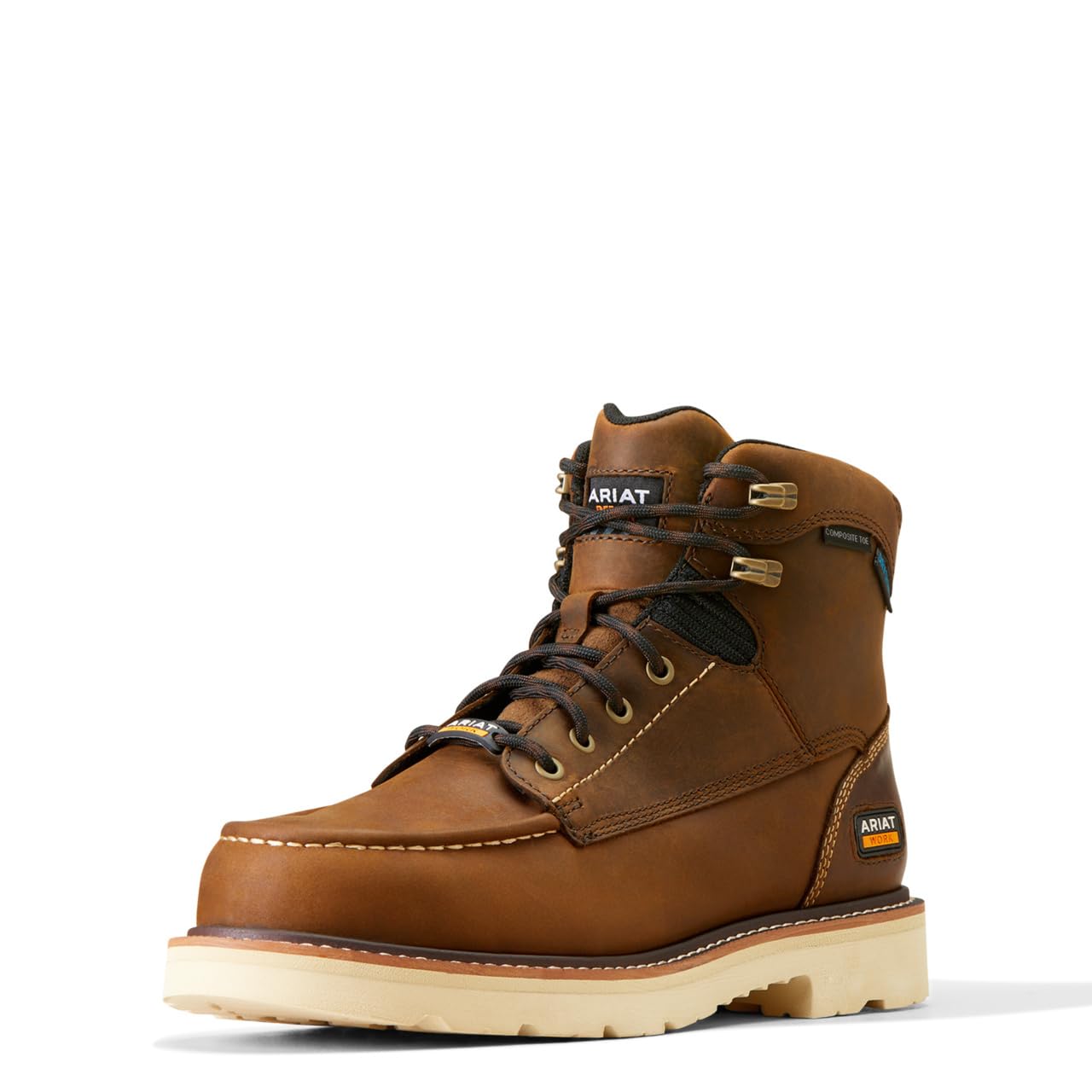


Boots 101: The Basics for Walking on Ballast
Ballast is the bed of crushed stone that holds the ties and rails in place. Its pieces are sharp, uneven, and loose, so your foot lands on a new angle with every step. A boot for this ground is a tall work boot with a stiff sole, a supportive shaft, and a roomy front section called the toe box. The outsole is the rubber layer that grips the stone, while the midsole above it softens impact.
Who Should Buy Boots for Railroad Ballast?
Your job on the track shapes the boot you need. Match the groups below to your daily distance, your climbing, and the surfaces you cross most often.
Track Crews Who Walk Ballast All Shift
You cover long distances on stone while carrying tools, so cushioning, arch support, and stability matter most for you. Choose a firm shank, strong ankle support, and a sole that resists sharp edges. If your crew duties overlap with general track roles, see our guide to the best boots for railroad workers for role based fit notes.
Yard and Inspection Staff Who Cross Stone and Steel
You move between ballast, concrete, and metal steps, often with frequent stops. Choose a defined heel that catches ladder rungs and step edges, plus an outsole that grips wet steel without feeling clumsy on stone.
New Hires Buying a First Pair for Ballast Work
You need a balanced boot that follows your employer safety rules and feels right from the first week. Start with the required toe protection, then check fit with your thickest work socks. If you want the wider picture first, see our guide to the best railroad boots for general types and terms.
Ballast Boot Specs in Plain English
In practice, the best boots for railroad ballast combine a protective sole, a stable fit, and materials that survive abrasive rock. Note your top three factors before you compare prices, which often run about $130 to $260 for a suitable pair.
Features That Matter for Railroad Ballast
Ballast demands more than a standard work boot offers. A stiff shank stops the sole from twisting when a stone tips under your weight, and a raised shaft supports the ankle on sloped rock. A puncture resistant plate guards against sharp stone and stray metal pushing through a thin sole. A defined heel helps you brace on slopes and rungs. Put stability and sole protection first, since comfort cannot fix a boot that rolls on loose stone.
Fit and Toe Room for Hours on Loose Stone
Measure both feet late in the day, when they are at their largest, and try boots on with your work socks. You want a thumb width of space in front of your longest toe and no pinching across the forefoot. Feet swell during long shifts, so a toe box that feels snug in the shop will feel tight by evening. If you notice lasting numbness, sharp heel pain, or swelling that does not ease after rest, talk with a clinician about your personal needs.
Grip on Loose Stone, Ties and Steel
The outsole decides whether each step plants or skates. Look for deep lugs of about 4 to 6 mm with wide gaps, because open gaps shed small stones instead of trapping them under the sole. A harder rubber compound resists cuts from sharp rock, while a softer compound grips wet surfaces better but wears faster. Choose deeper lugs if you mostly walk stone, and a flatter contact area if you mostly stand on concrete or steel.
Leather and Synthetic Uppers in Dust and Rain
Leather uppers resist scrapes from rock and hold their shape well, though they need more break in time and weigh more. Synthetic panels cut weight and let air move, which helps on hot days, but they can fray sooner against sharp stone. A Gore Tex lining keeps puddle water out and lets some vapor escape, while a plain breathable lining dries faster after a wet shift. Favor airflow in dry yards.
Weight and Flexibility
Most pairs for this work weigh about 3.5 to 5 pounds. The boot should bend at the forefoot where your foot bends, yet stay stiff through the middle so stones do not push into your arch. Heel to toe drop, the height difference between heel and forefoot, often sits around 8 to 12 mm and can ease calf strain for some walkers. Choose the lightest pair that still gives a firm shank and full toe protection.
Durability and Expected Lifespan
Ballast is abrasive, so soles and stitching wear faster here than on flat floors. Check for double or triple stitching at stress points and a sole joint you can inspect for gaps. With daily track use, many boots need new soles or full replacement after about 12 to 18 months. A resoleable design costs more at first and can pay off if the upper stays sound.
Getting Started: First Fit Checks and First Shifts
Wear a new pair at home first and walk on a gravel drive or loose stone patch if you have one. Lace from the bottom up, snug at the middle, and firm at the top hooks so the heel stays seated. Walk a slope and a few steps sideways, because ballast asks your ankles to work in every direction. For more on pace and distance, see our guide to the best boots for walking on railroad ballast.
Keep your first shifts shorter if your schedule allows it, and carry your older pair as a backup for the first week. Tape small hot spots before they become blisters. Air dry wet boots away from direct heat, since strong heat can crack leather and weaken glue.
Rookie Mistakes to Avoid on Railroad Ballast
New buyers tend to repeat the same errors, and each one shows up as sore feet by midweek.
- Buying a soft trail style sole for ballast lets sharp stones bruise the arch and makes each step feel unstable.
- Sizing boots in the morning with thin socks leaves no room for swelling, so toes strike the front on slopes.
- Choosing a smooth outsole for yard comfort causes slips when lugs cannot bite into loose stone.
- Ignoring employer toe and puncture rules can mean a rejected pair that you cannot wear on the track at all.
- Wearing a brand new pair for the longest shift of the week turns small rub points into blisters that slow you down.
Care and Maintenance for Boots Used on Ballast
Brush stone dust and grit from the uppers and sole grooves after each shift, because trapped grit grinds at stitching and leather. Rinse heavy mud with plain water, then stuff the boots with newspaper and let them dry at room temperature. Condition plain leather once it looks dry or pale, and check laces for cuts from sharp rock.
Each month, inspect the lugs for worn sections and look along the sole joint for separation. Press the midsole with your thumb and note spots that feel flat, because worn cushioning raises fatigue even when the upper looks fine. Retire a pair when the shank flexes easily in your hands.
FAQ
What features matter most in boots for railroad ballast?
Stability, sole protection, and fit matter most in boots for railroad ballast. One useful shop test is to stand on a loose gravel pile in the pair and shift your weight side to side. A boot that stays planted without ankle wobble on that pile will usually feel calmer on real ballast slopes.
How long is the break in period for boots for railroad ballast?
The break in period for boots for railroad ballast is usually about one to two weeks of shorter wear. Leather shafts soften first, while stiff soles take longer to flex at the forefoot. Tighten laces a little more during the second week, because softened leather gives slightly and the heel can lift if you keep the first week tension.
How often should boots for railroad ballast be replaced?
Boots for railroad ballast should be replaced when the lugs wear smooth, the shank softens, or the lining tears, often after about 12 to 18 months of daily use. Keep a simple wear log with the start date and your weekly distance. That record helps you plan the cost before the old pair fails on shift.
Do I need waterproof boots for railroad ballast?
You need waterproof boots for railroad ballast only if you often step through puddles, wet ditches, or melting snow along the track. In dry yards, a breathable lining usually feels cooler and dries faster overnight. Consider your lowest ground, not your average ground, because one flooded crossing each shift can soak a non waterproof pair.
Can I wear boots for railroad ballast all day during a long shift?
Yes, you can wear boots for railroad ballast all day if the fit leaves room for swelling and the sole support matches your distance. Swap to dry socks at your meal break, because fresh socks reduce friction and make the same boot feel better for the second half.
Our Verdict
Start with stability, sole protection, and an honest fit check, and let price come after those three. Walkers on long routes should favor cushioning and lug depth. Use the product table above to compare shaft height, toe protection, and sole type against your shift notes.
Chosen with those points in mind, the best boots for railroad ballast will feel steady on loose stone and still feel fair at the end of a long day. Take your time with the first fit and break the pair in gently.


