Best Boots for Military Rucking in 2026: Fit, Support, and Break In Guide
Disclosure: We may earn a commission when you buy through links on this page, at no extra cost to you. As an Amazon Associate I earn from qualifying purchases. Learn more

The best boots for military rucking fit well, support the arch under load, and grip rough ground. Here is how to choose and break them in.
Rucking puts a loaded pack on your back and miles under your feet, and the best boots for military rucking have to handle that combination without breaking down or breaking you. Extra weight raises the pressure on every part of the foot, so small fit and support problems that are harmless on a normal walk become blisters and sore arches by mile five.
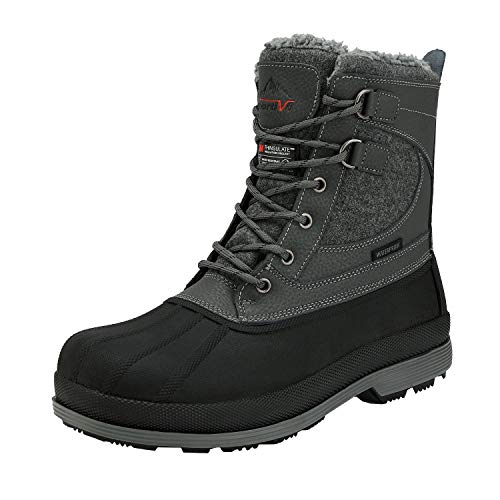
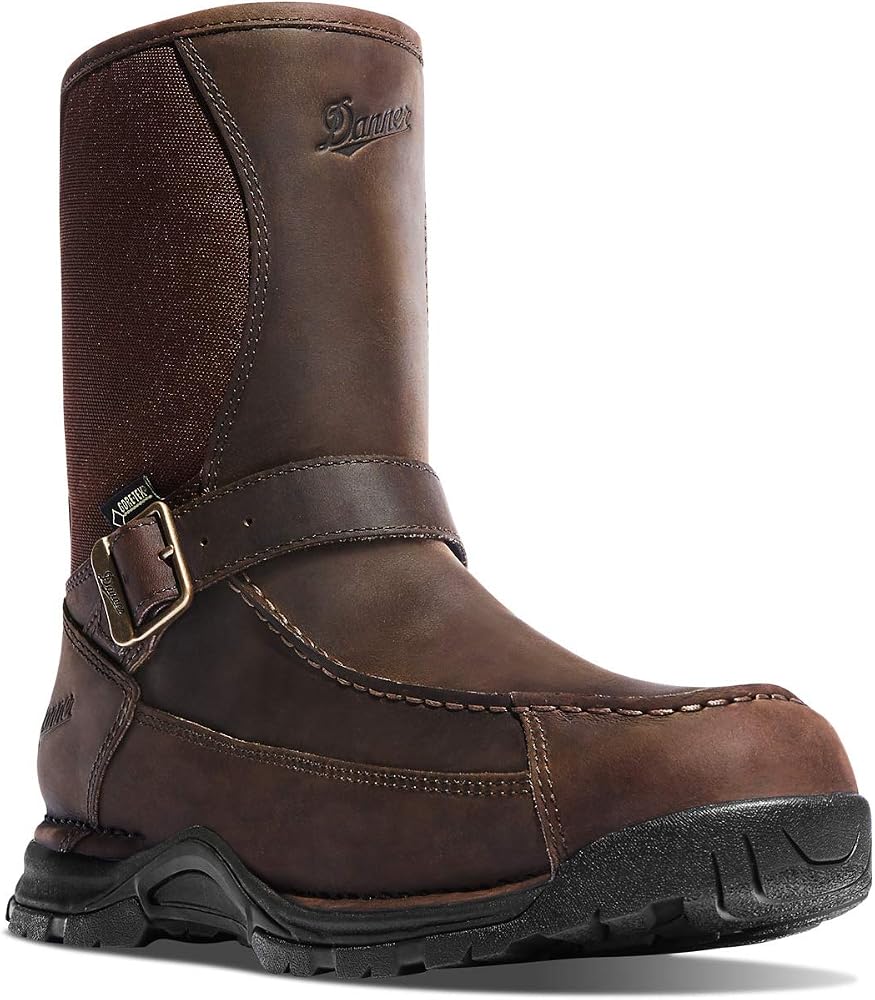
This guide explains what to look for in a rucking boot, compares the main styles, and covers fit, break in, and care. Use the product table above to see the options side by side, and use the sections below to match a boot to your pack weight, your terrain, and your training schedule.





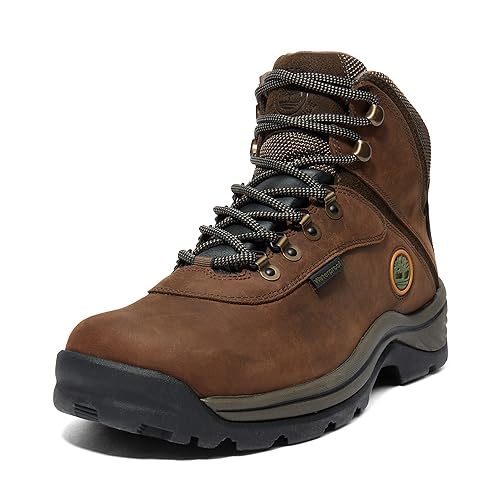
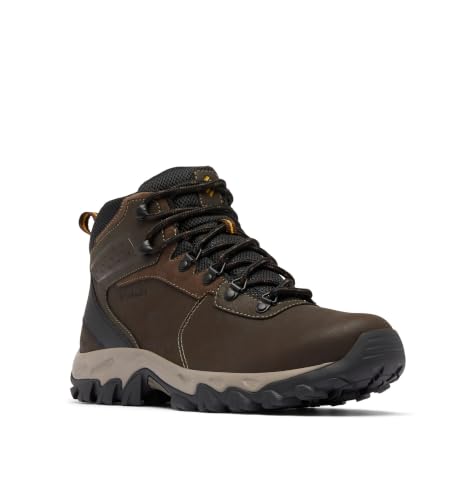

Who Should Buy Which Rucking Boots?
The right boot depends on how heavy your pack is, how far you go, and how much of the ground is rough.
Military Candidates and Service Members
If you ruck for selection, training, or unit requirements, check the regulations for your branch before you buy. Many units specify color, material, and style, and a boot that is comfortable but out of regulation does you no good. Within those rules, favor a boot with a firm midsole and a secure heel, because long marches under load punish soft, unstable shoes.
Fitness Ruckers and GORUCK Style Training
If you ruck for fitness, you can choose by comfort and terrain. Many fitness ruckers prefer a lighter boot or hiking style shoe because it saves weight on every step. The trade off is protection: a lighter boot gives less ankle support and wears faster under a heavy load.
Hikers Adding Weight
If you carry a heavy pack on trails, choose a stiff, supportive hiking boot with a rugged outsole. Trail rucking adds roots, rocks, and mud, so traction and ankle support matter more than speed. For options built around military rules, see our guide to the best military boots.
Types of Rucking Boots Compared
| Type | Best for | Strength | Limit |
|---|---|---|---|
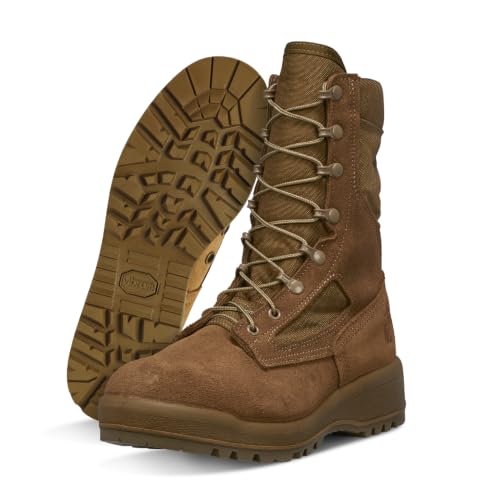
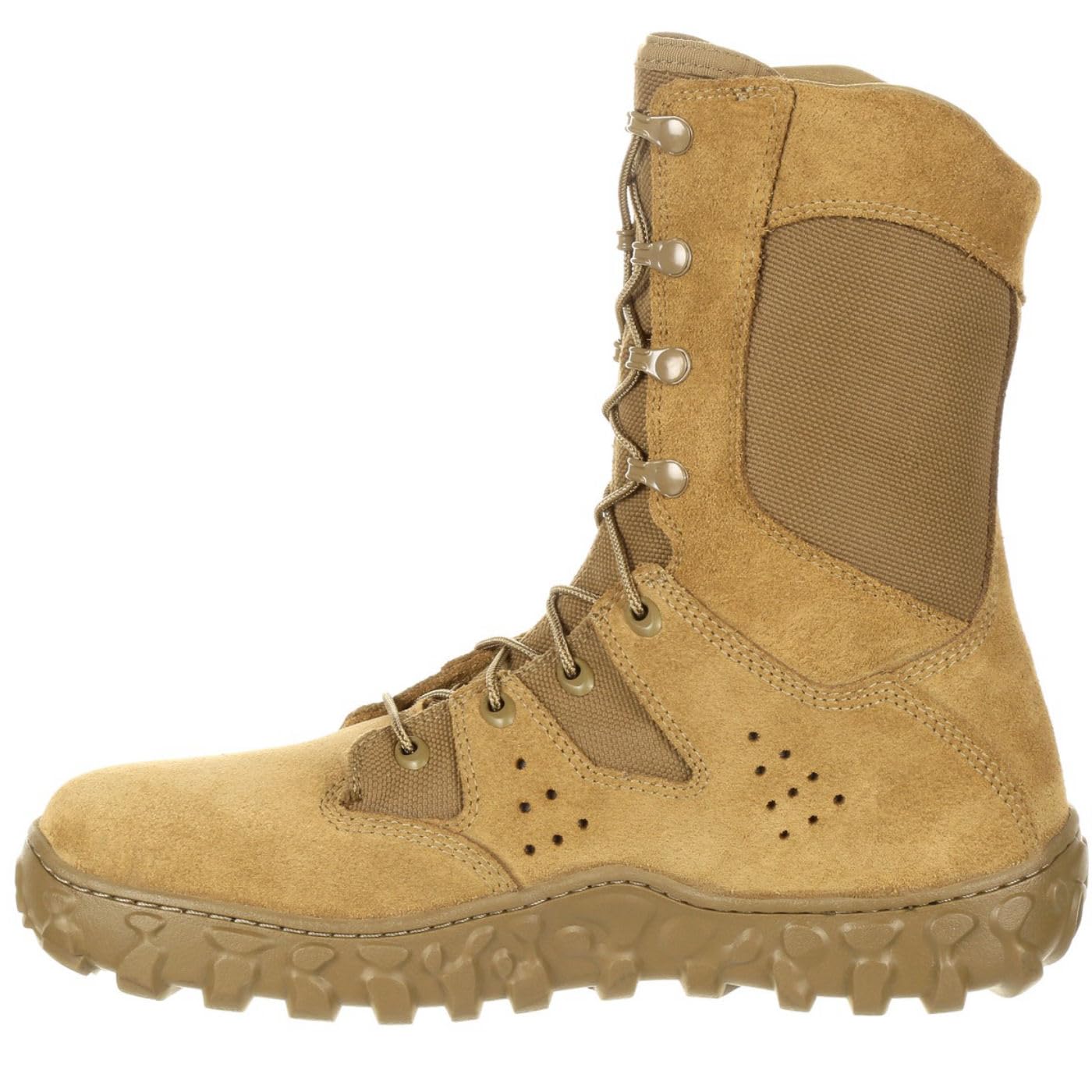
| Leather combat boots | Regulation use, heavy loads | Durable, supportive | Heavy, long break in |
| Lightweight tactical boots | Hot weather, long road marches | Light, little break in | Less protection |
| Hiking boots | Trail rucking, rough ground | Traction and ankle support | May not meet regulations |
Leather combat boots are the classic choice and hold up under heavy weight. Lightweight tactical boots use a mix of leather and fabric to cut weight and dry faster. Hiking boots offer the best traction on rough ground. Readers comparing styles can also see our guide to the best boots for rucking and our guide to the best combat boots for rucking.
Key Features to Compare
Work through these factors in order. Fit and support come first, because they decide whether you can finish the miles.
Fit, Sizing, and Toe Box
Your feet swell under load and over distance, so try boots late in the day with the socks you ruck in. Leave about a thumb width in front of your longest toe, because feet slide forward on downhills and jammed toes bruise. The heel should stay seated, since a loose heel is the fastest route to blisters. If you fall between sizes, take the larger size and adjust with socks and lacing.
Support and Midsole Stiffness
Under a heavy pack, a soft midsole compresses and lets the arch collapse. Look for a firm midsole and a shank that resists twisting through the arch. Flat feet usually do better with a firmer arch and a stable heel, and high arches need more cushion under the heel and ball of the foot. A removable insole lets you fit your own support.
Ankle Support and Boot Height
A boot that reaches above the ankle bone steadies the joint on uneven ground, which matters more as the load grows. Taller boots protect more but are warmer and heavier. Low cut shoes save weight but leave the ankle exposed, so they suit light loads on smooth roads.
Outsole Traction
Choose lugs of about 4 to 6 mm for mixed ground, with enough spacing to shed mud. Hard compounds last longer, and softer rubber grips wet rock and pavement better. A defined heel edge helps you brake on descents with a loaded pack.
Weight and Break In
Every ounce on your foot is lifted thousands of times, so lighter boots reduce fatigue. Heavy leather boots can take two to three weeks of gradual wear before they soften. Build up with short walks, then add distance and pack weight in steps. If a spot rubs repeatedly, adjust the fit rather than pushing through.
Waterproofing and Breathability
A waterproof membrane such as Gore Tex keeps rain and puddle water out, but it slows drying and runs warm. In hot climates or on dry roads, a breathable boot keeps feet cooler, and sweat is the main cause of blisters. Wool or synthetic socks that wick moisture matter nearly as much as the boot itself.
Common Mistakes to Avoid
- Choosing a soft, cushioned shoe for a heavy load, so the midsole collapses and the arch aches.
- Skipping the break in period, so a stiff new pair causes blisters in the first weeks.
- Sizing with thin socks, so toes jam against the front on downhills.
- Adding pack weight before the boots and feet have adapted.
- Wearing the same pair every day, so cushioning never recovers and the boots wear out early.
- Ignoring unit regulations, so a comfortable pair is rejected.
Care and Maintenance
Brush off mud and grit after each ruck, because particles ground into stitching and leather wear them down. Pull out the insoles and let the boots air dry at room temperature, away from direct heat, which can crack leather and weaken glue. Stuffing them with plain paper draws moisture out overnight.
Condition leather when it looks dry, and check the outsole and laces regularly. Rotating two pairs gives each one time to dry and recover. Replace boots when the tread wears smooth, the midsole feels flat, or the upper cracks at the flex point. For army specific requirements, see our guide to the best boots for rucking army.
Frequently Asked Questions
What features matter most in boots for military rucking?
Fit, a firm supportive midsole, and a secure heel matter most, followed by ankle support and traction. Under load, these decide whether you can finish the distance without blisters or sore arches.
Can I ruck in running shoes?
Many people do, especially with light loads on roads. Running shoes are lighter, but their soft midsoles compress under a heavy pack and give little ankle support. As the load grows, a firmer boot is usually the better choice.
How long does it take to break in rucking boots?
Leather boots usually need two to three weeks of gradual wear, while lighter fabric styles feel ready in a few days. Start with short walks and add weight and distance in steps.
Do I need waterproof boots for rucking?
Only if you ruck in wet conditions often. Waterproof boots keep rain out but run warmer and dry slowly once water gets in. In hot or dry climates, a breathable boot is usually more comfortable.
How often should I replace rucking boots?
Replace them when the tread wears smooth, the midsole feels flat, or the upper splits. Heavy loads shorten boot life, so mileage matters more than calendar time.
Are expensive rucking boots worth it?
They can be when the extra money buys better leather, a resoleable build, and a more supportive midsole. A well fitting mid priced boot often beats an expensive pair that does not fit your foot.
Final Thoughts
Start with fit and support, then match the boot to your load, terrain, and climate. Check your unit rules if they apply, build up distance and weight gradually, and look after the boots so they last. Compare your shortlist in the product table above against those points before you order.
Chosen that way, the best boots for military rucking carry you through the final mile as steadily as the first.