Best Boots for Lower Back Pain: A Buyer Checklist for 2026
Disclosure: We may earn a commission when you buy through links on this page, at no extra cost to you. As an Amazon Associate I earn from qualifying purchases. Learn more

Compare the best boots for lower back pain with a clear checklist covering cushioning, arch support, fit, traction, waterproofing, and lasting comfort.
A long day on your feet can end with an aching lower back, and the boots you wear play a bigger role in that ache than most people expect. Every step sends impact up through your feet, knees, and hips, and boots with thin or unstable soles pass more of it along to your spine. That is why choosing the best boots for lower back pain starts with cushioning, support, and fit rather than style alone.
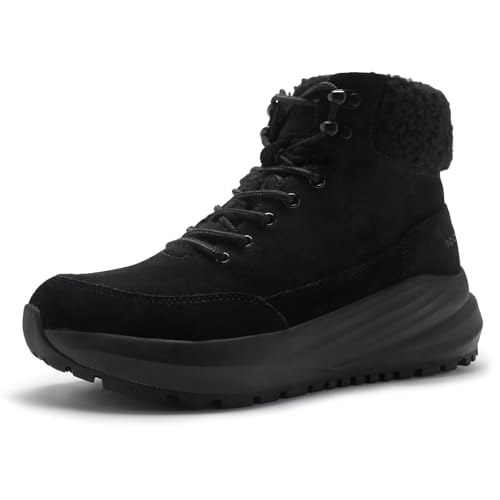
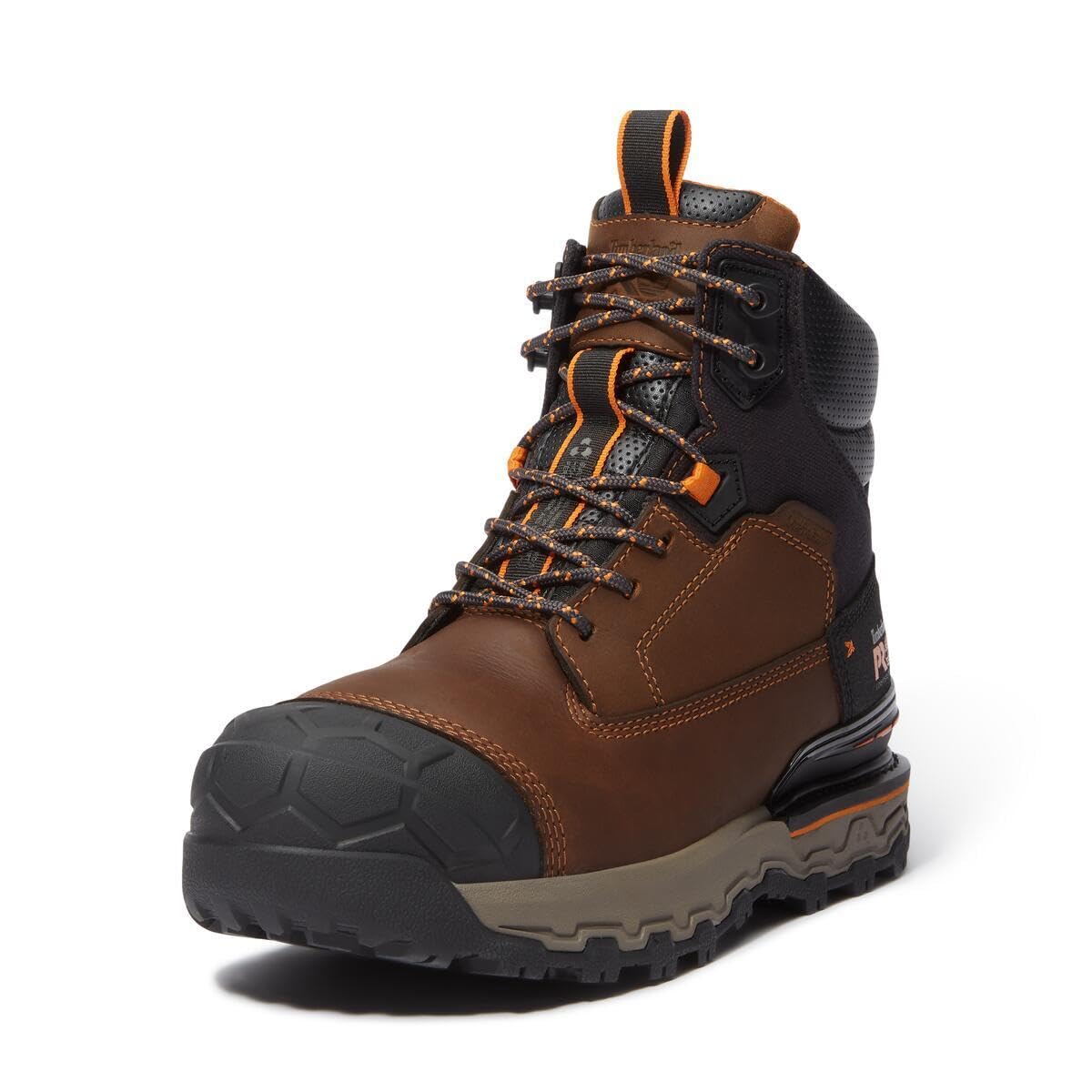
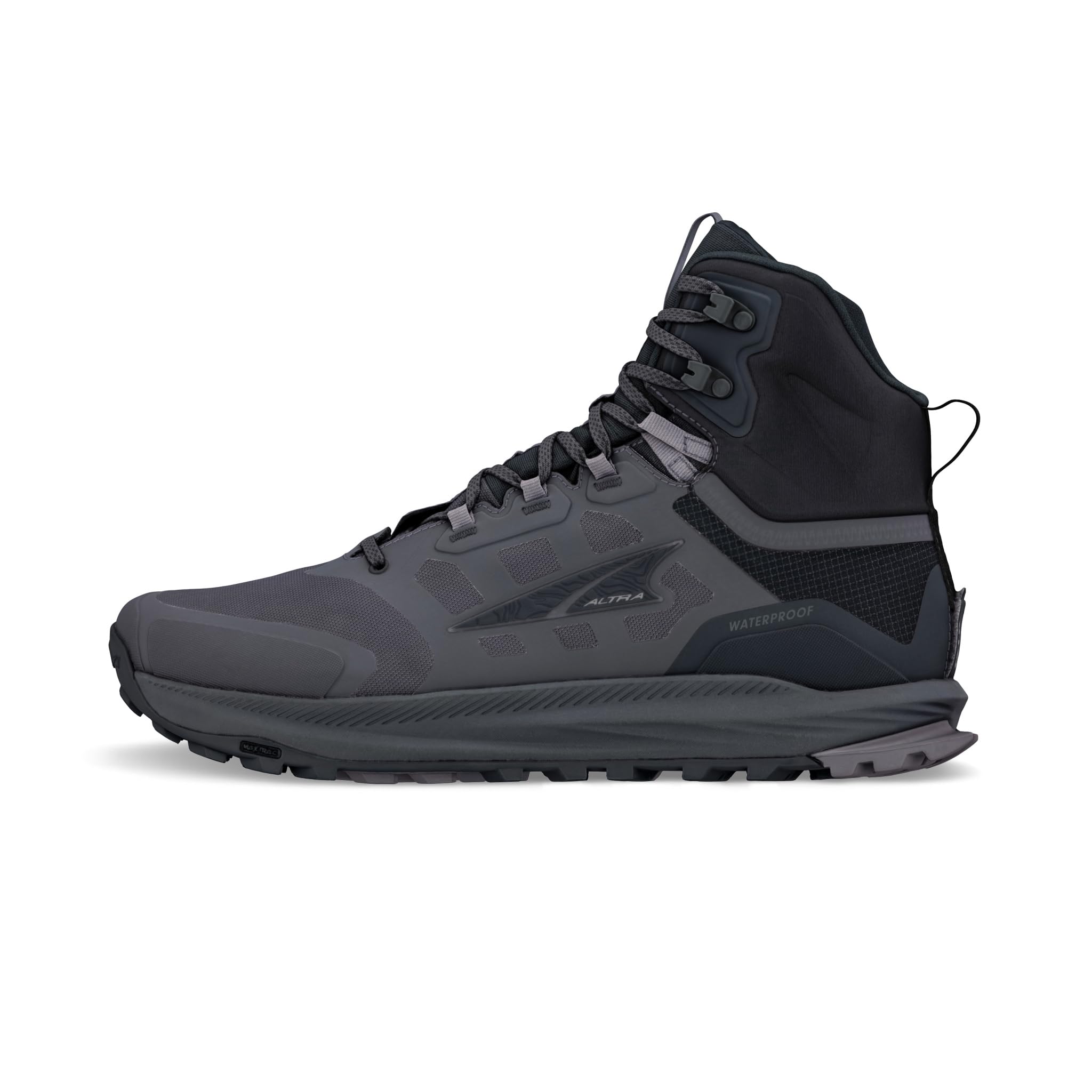
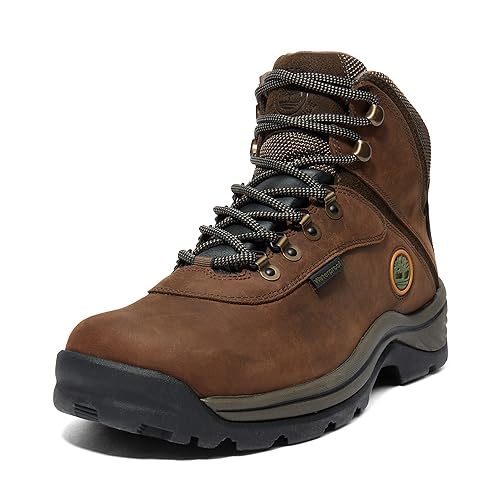
This guide turns those factors into a simple buyer checklist you can use on any product page. You will learn who benefits most, which features matter, what to avoid, and how to care for your boots so the support lasts. The comparison table below sums up the key specs.


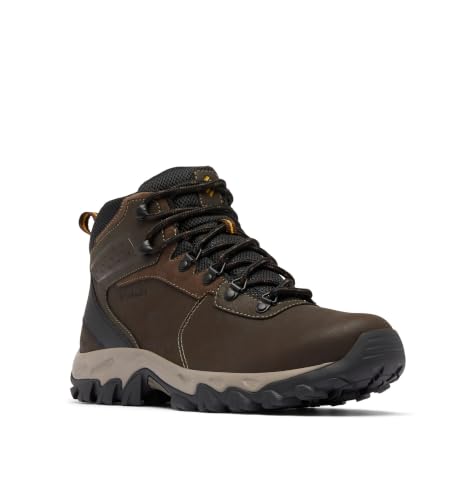

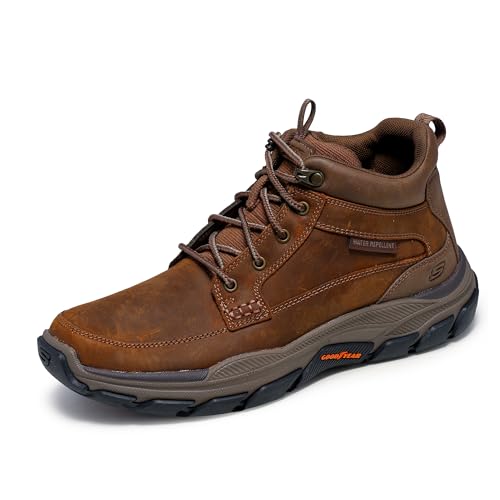
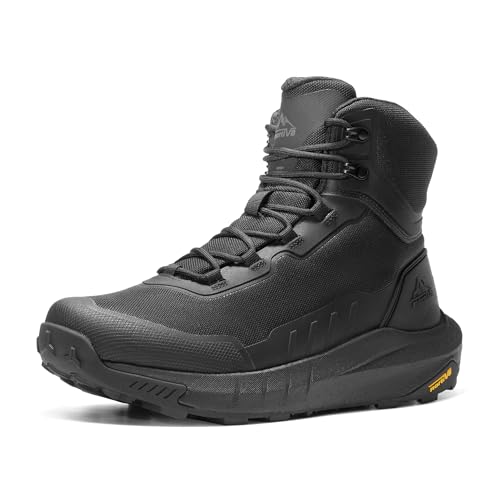
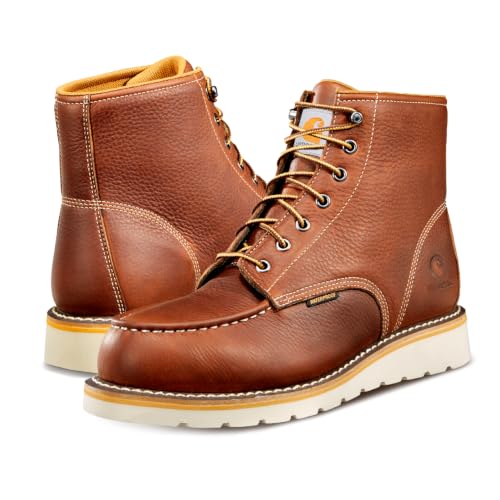
Who Should Buy Boots Built for Back Comfort
Boots cannot treat a back condition, but the right pair can reduce the daily strain that adds up across thousands of steps. The groups below feel the difference most.
People Who Stand or Walk All Day at Work
Nurses, warehouse staff, retail workers, and teachers often spend eight or more hours on concrete or tile. Hard floors return almost every bit of impact to your body, so a cushioned midsole and a stable heel matter far more than for short trips. If your back feels fine in the morning and tight by mid afternoon, footwear is a likely part of the problem.
Walkers and Hikers Who Feel Strain Outdoors
Uneven ground forces your ankles and core to make constant small corrections, and tired stabilizing muscles pass more work to your lower back. Trail walkers need an outsole that grips without sudden slips, plus ankle support that keeps each step steady. A secure boot on loose gravel or wet roots lets you walk upright instead of bracing with every stride.
People With Flat Feet, High Arches, or Alignment Issues
When your arch collapses inward or stays rigid and high, your knees and hips rotate slightly with each step, and your lower back absorbs the twist. Boots with real arch support and a stability focused sole help keep your foot neutral through the stride. If you wear clinician insoles, choose boots with a removable insole and enough depth to fit them.
Some symptoms need medical attention rather than new footwear. See a doctor promptly if back pain shoots down one leg, comes with numbness or weakness, follows a fall, or appears with fever or changes in bladder or bowel control. Talk with your clinician about persistent pain.
Key Features to Compare
Keep this checklist beside the product table above when you compare the best boots for lower back pain, because a single weak feature can undo the good ones.
Cushioning and Shock Absorption
Cushioning is the foam or gel layer in the midsole that compresses at heel strike and softens impact before it travels upward. Look for a midsole that feels forgiving under the heel without bottoming out when you press it firmly with your thumb. Very soft foam packs down within months, while slightly firmer foam holds its shape far longer. On hard floors, prioritize heel cushioning over a thin, fashion focused sole.
Arch Support and Stability
Arch support fills the gap under the middle of your foot so weight spreads across the whole sole instead of concentrating at the heel and forefoot. Stability describes how well the boot resists twisting and side to side rolling, and a wide, flat base with a firm heel counter delivers most of it. If your ankles roll inward, choose a stability design with denser foam under the arch.
Fit, Sizing, and Toe Box
Fit decides whether the support built into the boot actually sits under your foot where it belongs. Measure your feet late in the day, when they are at their largest, and leave about a thumbs width of space in front of your longest toe. The toe box should let your toes spread naturally at push off, since cramped toes change how your foot rolls. Keep your heel seated with minimal lift, and if you fall between sizes, take the larger size.
Heel to Toe Drop and Sole Shape
Heel to toe drop is the height difference between the heel and the forefoot, and most comfort boots sit in a moderate range of about 8 to 12 mm. A very flat sole can strain calves and the lower back in people used to raised heels, while a very high drop pushes weight forward onto the forefoot. A gentle rocker curve can also help, guiding your foot through each step with less effort.
Outsole Traction and Terrain
The outsole is the rubber layer that meets the ground, and its grip protects your back every time it prevents a slip or a sudden catch. Deeper lugs of about 4 to 6 mm suit trails and gravel, while a flatter, closely patterned tread grips wet pavement and indoor floors better. Match the tread to where you walk most days, not to rare rough terrain.
Waterproofing and Breathability
Waterproof boots use a membrane such as Gore Tex to block rain and puddles while letting some vapor escape, and they earn their place if you work outdoors or walk in wet climates. The trade off is warmth, because a membrane breathes less than open mesh, so waterproof models can feel hot in summer. If your days are mostly dry and indoors, a breathable boot will feel fresher.
Weight and Durability
Heavy boots ask your legs to lift extra weight with every step, and tired legs change your posture in ways your back notices by evening. Lightweight boots built with modern foams can deliver real support without that penalty, so check the listed weight for the pair. For durability, look for stitched or strongly bonded sole attachments.
Buying Guidance Beyond the Spec Sheet
Specs only help when they match your real routine, so weigh your floors, weather, and longest typical day before price.
Match the Boot to Your Day
Start with the surface you walk on most. Indoor workers on tile or concrete need maximum cushioning and a tread that grips smooth floors, while outdoor workers need deeper lugs and weather protection. A taller shaft supports the ankle on uneven ground but can feel warm indoors, so a mid height boot often adapts best to mixed days. If your job adds toe protection or electrical ratings, see our guide to the best work boots for lower back pain for safety rated options.
Budget and What Extra Money Buys
Serviceable comfort boots start at around $80, and paying about $150 to $250 typically buys foam that resists packing down, stronger uppers, and a more durable outsole. Above that range, you mostly pay for premium leather or brand name. Spend first on fit and midsole quality, since those decide daily comfort.
Try On and Break In the Right Way
Try boots on in the afternoon with the socks you plan to wear, then walk on a hard surface for several minutes and note any heel lift or toe pressure. New boots should feel snug and supportive, never painful, and stiff leather styles may need one to two weeks of short wears before the upper softens. If a pinch point persists after several outings, exchange the size.
Quick Buyer Checklist
Run through these questions before you order, and treat any no as a reason to keep looking:
- Does the midsole feel cushioned under the heel without collapsing when pressed?
- Does the arch support match the shape of your foot when you stand?
- Can your toes spread inside the toe box with room to spare?
- Does the heel stay seated with little lift as you walk?
- Does the tread pattern match the floors or terrain you cover most?
- Is the weight comfortable for your longest shift or walk?
- Does the return policy let you test boots indoors and exchange sizes?
Red Flags to Watch For
Some listings look supportive and disappoint within weeks. Watch for these warning signs.
- Vague claims like orthopedic or doctor inspired with no details about the midsole or drop, which usually means the support is mostly marketing.
- A sole you can twist easily end to end by hand, because a boot that folds in the store will not stabilize your stride.
- No weight, sizing, or width information on the product page, which makes an informed fit decision almost impossible.
- A very short or unclear warranty paired with reviews that mention cushioning going flat within months.
- Photos showing a thin, flat fashion sole on a boot marketed for all day standing, since that shape offers little shock absorption.
Best Boots for Specific Needs
Best Women's Boots for Lower Back Pain
The best women's boots for lower back pain differ from men's styles in more than color, because women's models are usually built with a narrower heel, a slightly different arch position, and a shape that reflects average differences in foot width and calf shape. Look for a secure heel fit that prevents sliding, plus widths beyond a single standard option. A lighter weight also matters, since smaller frames feel extra boot weight sooner.
Support should not stop when the boots come off, because your back responds to the whole day. If you spend your evenings seated, see our guide to the best chairs for lower back pain for seating that keeps your spine neutral. A sagging seat can undo a careful footwear choice, so our guide to the best sofas for lower back pain is worth a look too. Since recovery continues overnight, our guide to the best pillows for lower back pain covers pillow position and morning stiffness.
How to Make Your Boots Last Longer
Care for these boots themselves, because worn out support quietly returns the strain you bought them to avoid. Let wet boots air dry at room temperature away from direct heat, since heaters can crack leather and warp foam. Loosen the laces fully before pulling boots off so the heel counter keeps its shape.
Rotating two pairs across the week gives each midsole a day to rebound, which extends the life of the cushioning. Around the house, give your feet a lighter option by following our guide to the best sandals for lower back pain instead of walking barefoot on hard floors. Retire the pair when the tread wears smooth at the heel or the midsole shows deep creases.
FAQ
What features matter most in boots for lower back pain?
Cushioning, arch support, and fit matter most, because together they control how much impact reaches your spine and how evenly your weight spreads. Start with a midsole that absorbs heel strike, then confirm the arch support matches your foot shape, and check that the toe box lets your toes spread. One detail many shoppers miss is the listed weight per pair, which predicts end of day fatigue.
Are expensive boots for lower back pain worth the extra cost?
Expensive boots are worth it only when the higher price buys slower wearing foam, better uppers, and a fit that matches your foot, not when it buys styling alone. Most buyers notice the biggest gains between around $80 and about $180. A generous exchange policy can be worth more than a small price cut, since home fit testing protects the purchase.
Do boots for lower back pain need to be waterproof?
No, waterproofing is optional and depends on your routine rather than your back. Choose a waterproof membrane if you walk through rain, wet grass, or slush on most days, because dry feet keep your stride natural. If you work indoors or live in a dry climate, a breathable boot will feel cooler and cost less. Count how many days last season ended with wet socks, and let that number decide.
Can you wear boots for lower back pain all day?
Yes, a well fitted comfort boot is built for all day wear, and most people adapt within one to two weeks. Build up wear time gradually if you are switching from flat shoes, because a higher heel to toe drop asks your calves and back to work differently. If soreness increases week after week instead of fading, the fit is wrong for you.
How should boots for lower back pain fit?
Boots should fit snugly through the heel and midfoot with clear space ahead of your toes, and your foot should not slide forward on slopes. Judge the fit standing and walking on a hard floor rather than seated. A useful check is to remove the insole, stand on it, and confirm your foot stays within its edges. If your toes reach the edge, you need more length or width.
How often should you replace boots worn for lower back pain?
Replace your boots when the cushioning stops rebounding, which for daily walkers often happens after about 500 miles or roughly a year of full time wear. Press your thumb into the heel foam and compare it with a new pair, because tired foam feels deader and stays dented longer. A fresh insole can buy extra months, but it cannot restore a packed down midsole.
Final Thoughts
Supportive boots will not fix every back problem, but the right pair removes a daily source of strain that is fully within your control. Focus on the three factors that matter most: cushioning that absorbs impact, arch support that keeps your stride aligned, and a fit that lets the first two do their work. Compare your shortlist against the product table above and run the quick checklist before you order. When you choose the best boots for lower back pain for your routine, start with the pair that fits your feet and your floors.