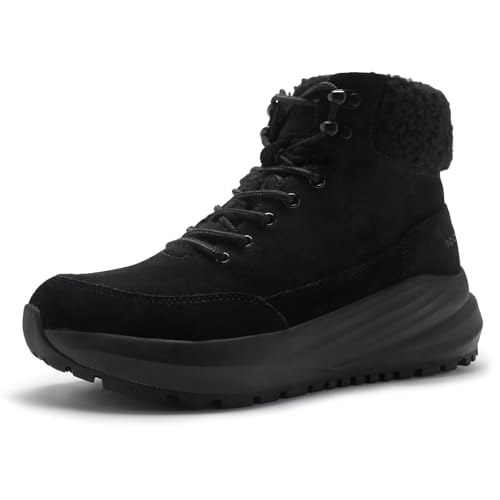
Best Boots for Plantar Fasciitis Men's: A Fit Guide for 2026
Disclosure: We may earn a commission when you buy through links on this page, at no extra cost to you. As an Amazon Associate I earn from qualifying purchases. Learn more

Long days on hard floors or trails call for the right fit. Compare the best boots for plantar fasciitis men's buyers choose by cushioning, footbed and heel hold.
Men with sore heels often discover that the wrong boot makes a long day harder, while a well fitted one simply fades into the background. The best boots for plantar fasciitis men's shoppers compare are chosen for fit, a supportive footbed, steady cushioning and a heel that stays put, not for brand names. A boot is footwear, so it cannot treat or cure heel pain, but it can make your day more comfortable.
The comparison table below lines up the main options, and this guide explains how to judge them: what to look for in the midsole, arch and heel, how to match a boot to your job or hobby, and how to avoid the sizing mistakes that cause most returns. If heel pain is persistent, talk with your doctor or a foot specialist before relying on any footwear.

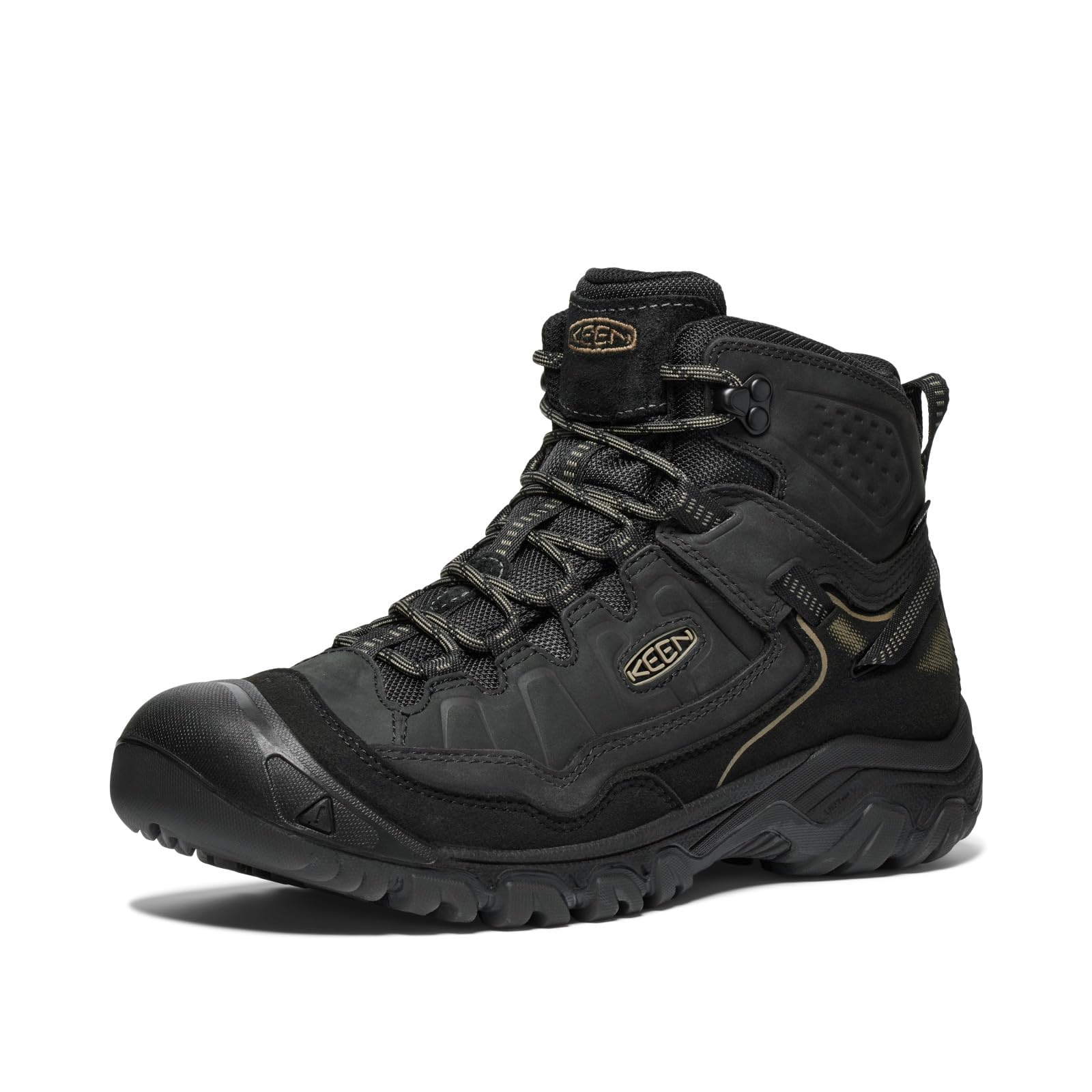
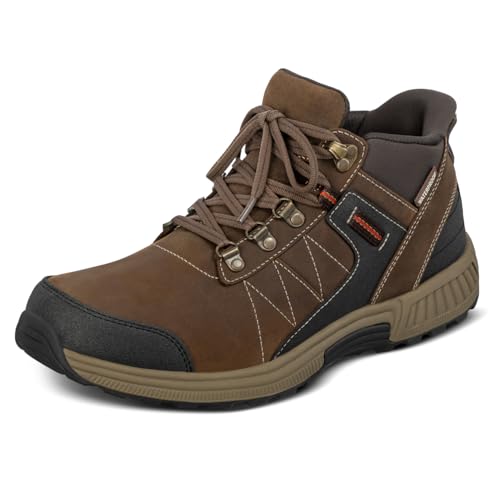
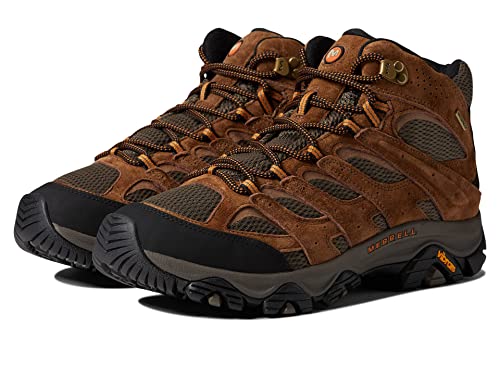


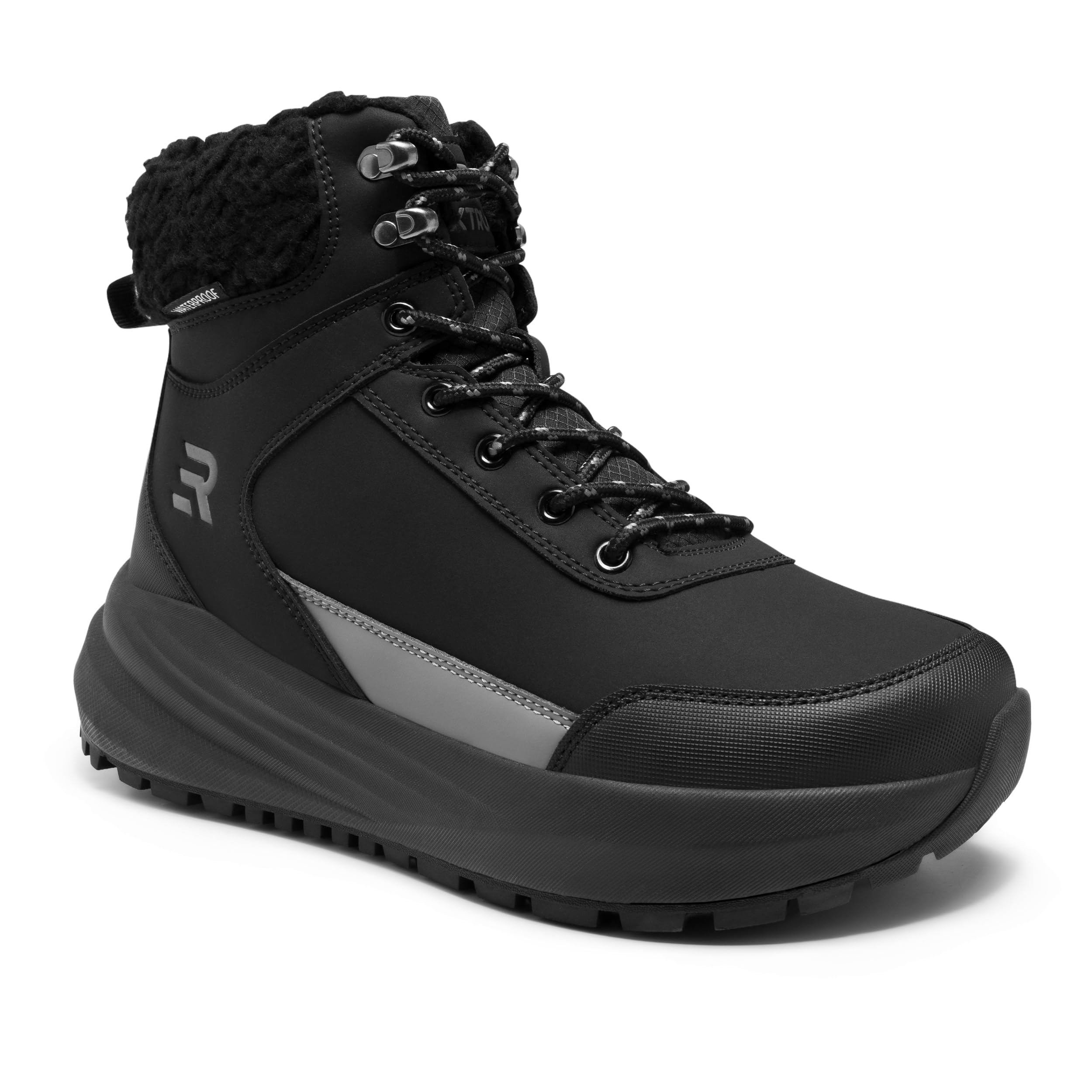
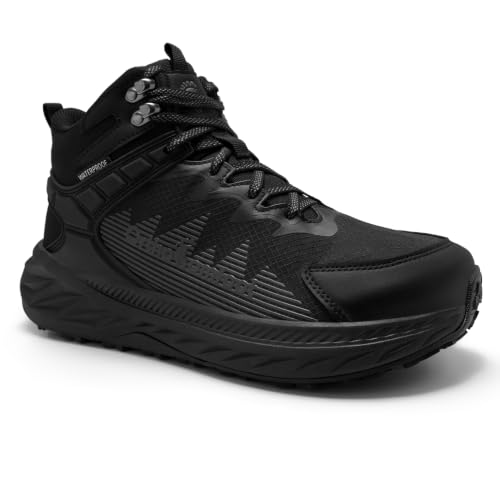


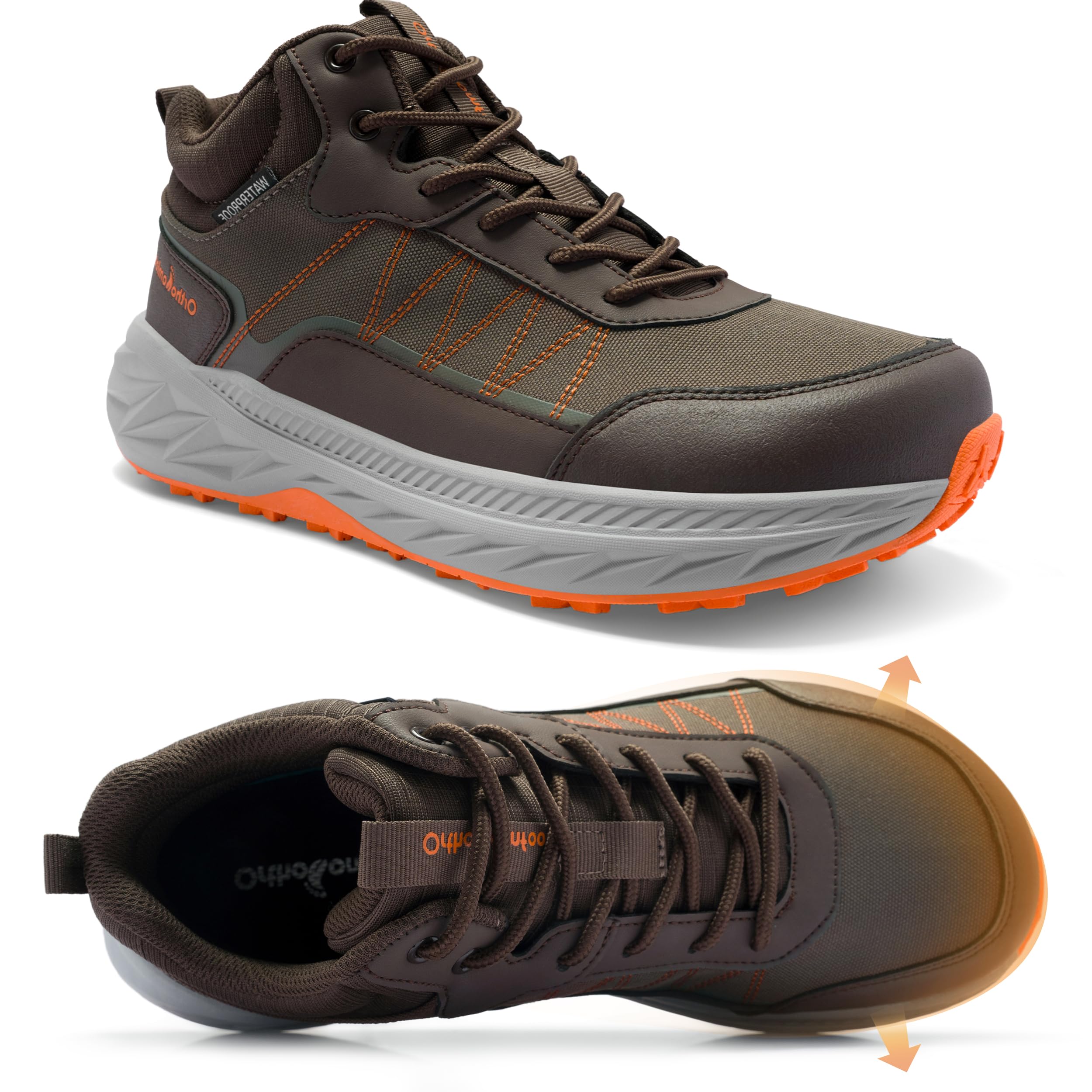
Who Should Buy Which Boots?
Start with the day you repeat most often. Men who share the same heel complaint can need very different boots, because standing on concrete, walking trails and driving a truck all load the foot in different ways.
Men Who Stand on Concrete All Shift
Warehouse, factory and trade jobs keep you on hard floors for ten hours or more. Look for a work boot with a cushioned midsole, a contoured removable insole and a heel cup that holds the foot without sliding. A safety toe is a site rule, not a comfort feature, so check your employer's requirements before you shop, then compare weight, because a heavy boot tires the legs early.
Men Who Hike or Work Outdoors
Uneven ground asks for a firmer sole, a stable heel counter and an outsole that grips loose stone. Soft, squishy foam feels pleasant in a shop and tiring on a rocky slope. A mid height shaft steadies the ankle, and a waterproof lining helps if your trails stay wet. For trail specific choices, see our guide to the best men's hiking boots for plantar fasciitis.
Men Who Walk and Run Errands All Day
If your routine is pavement, stairs and a lot of in and out of the car, a lighter boot with a flexible forefoot and an easy closure suits you better than a heavy duty pair. Choose moderate cushioning, a padded collar and a roomy toe box, since feet swell slightly with distance. Work focused readers can compare the best men's work boots for plantar fasciitis for tougher uppers.
Key Features to Compare
Whatever your routine, the same five features decide most purchases. Judge every pair on these points in order, and the weak choices drop out quickly.
Cushioning and Heel Padding
Cushioning is how the sole and footbed feel at each step. A thick foam midsole softens impact on concrete, while a denser build feels steadier on rough ground. A padded heel cup adds a gentle hold at the back of the foot and reduces rubbing while the boot is new. There is no single right softness, so match it to your surface: softer for hard floors, firmer for trails and yards.
Arch Support and the Footbed
The footbed is the surface your foot rests on. A contoured one cups the heel and fills the arch area, which many wearers describe as a more settled fit, while a flat one leaves more room and suits feet that dislike pressure from below. A removable footbed is a useful fit feature because it lets you adjust the volume inside or add an insert you already own. Try the boot with that insert in place, since it changes the room available.
Fit, Sizing and Toe Box
Measure both feet in the afternoon, when they are slightly larger, and size for the bigger foot. Your toes should clear the front with room to wiggle, and the widest part of your foot should sit at the widest part of the boot. A toe box that tapers sharply crowds the toes on long days even when the length is correct. Heel slip beyond a small amount rarely improves with wear, so treat it as a sizing problem.
Heel to Toe Drop and Flexibility
Heel to toe drop is the height difference between heel and forefoot, and it changes how the boot feels. Lower drops feel flatter, and higher drops feel more tipped forward. Most work boots fall around 8 to 12 mm. The boot should bend at the ball of the foot, not in the middle of the arch, so press the toe up with your hand before you buy.
Outsole Traction and Durability
Deep, spaced lugs shed mud and grip loose ground, while shallow, close patterns keep more rubber on wet pavement and indoor floors. Oil resistant rubber helps in garages and kitchens. Stitched or well bonded soles last longer, and a replaceable insole extends the life of the boot because the footbed usually wears out before the upper does. Expect a daily work pair to last roughly 12 to 18 months.
Boot Types and Typical Prices
Most men fall into one of three groups. Work boots with a cushioned midsole usually cost about $110 to $220, and trail oriented hiking boots run about $100 to $200. Lightweight everyday boots start lower, around $70 to $130. A higher price usually buys better materials, a more durable sole and more consistent sizing rather than a different kind of comfort, so spend on the type that matches your routine.
Common Mistakes to Avoid
- Expecting a boot to fix heel pain, when persistent pain needs a doctor or foot specialist rather than a more expensive pair.
- Choosing the softest boot on the shelf, which can feel pleasant in the shop and unsteady on rough ground.
- Sizing up for cushioning, which lets the heel slide and rub instead of adding comfort.
- Wearing a brand new pair for a full shift, which turns a normal break in period into blisters and sore spots.
- Skipping the return policy, since fit problems show up in the first week of wear.
Care and Maintenance Tips
Air dry wet boots at room temperature, away from radiators and direct heat that can crack leather and warp soles. Stuff them loosely with paper to hold their shape. Rotate two pairs if you wear boots daily, because a rest day lets the cushioning recover and the lining dry fully.
Brush mud off the outsole before it hardens and condition smooth leather when it looks dry. Replace the insole when it feels flat, and retire the boots when the sole wears smooth on one side or the heel cup collapses.
Frequently Asked Questions
What features matter most in boots for plantar fasciitis for men?
Fit comes first: the right length, a toe box with room and a heel that stays seated. Then match cushioning and firmness to your surface and look for a contoured, removable footbed. None of these features treats the condition. They decide how comfortable and steady the boot feels while you wear it.
How should men's boots fit if the heel is sore?
Boots should feel snug at the heel and midfoot and roomy at the toes. Try them in the afternoon with your usual socks and leave about a thumb width in front of the longest toe. Walk, turn and step up and down in the shop if you can. Rubbing in one exact spot usually means the size or shape is wrong.
Do I need waterproof boots?
Only if your routine includes rain, wet ground or snow. A waterproof membrane keeps water out but also makes the boot warmer and slower to dry. For dry indoor and pavement routines, a breathable upper is usually more comfortable.
How long is the break in period?
Most boots feel settled after about a week of gradually longer wears, and heavy leather pairs can take two weeks. Build up from short indoor wears to a full day. If one spot still pinches after a fair trial, return the pair instead of waiting.
Are expensive boots worth it?
For daily wear on hard floors or rough ground, better materials and a longer lasting sole can be worth paying for. For occasional use, a mid priced boot of the right type is often the smarter buy. Be wary of any price justified by health claims.
Wrapping Up
Routine first, fit second, features third. Decide which days the boots must serve, get the size and toe box right with afternoon feet, then choose the cushioning, footbed and tread that match your surfaces. The best boots for plantar fasciitis men's shoppers can buy are the pair that fits their foot and their day in comfort, and pain that persists or worsens belongs with a doctor. Compare your shortlist in the product table above before you order.