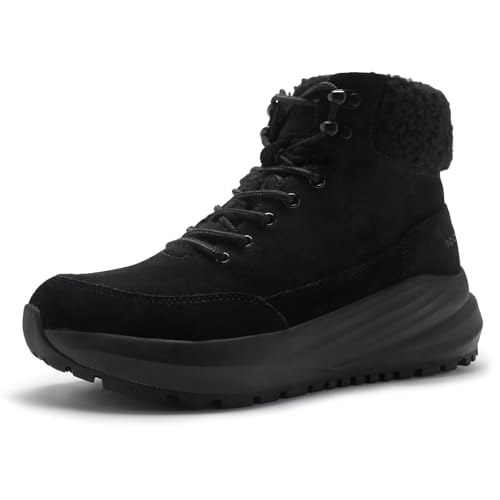
Best Boots for Nurses Made Simple: A Clear Buying Guide for 2026
Disclosure: We may earn a commission when you buy through links on this page, at no extra cost to you. As an Amazon Associate I earn from qualifying purchases. Learn more

Shopping for the best boots for nurses for the first time? Learn the terms, compare options, and avoid rookie mistakes with this easy guide.
If you are buying work boots for hospital shifts for the first time, the choices can feel confusing. The best boots for nurses balance steady grip on polished floors, soft cushioning for hours of standing, and uppers you can wipe clean in seconds. This guide starts with the basics, explains each term in plain English.
Think about your unit before you think about style. A nurse who walks halls all shift needs a different boot from a nurse who mostly stands at a bedside or a charting station. Your floor surface and shift length will narrow the list faster than color ever will.
Boots 101: The Basics for Nurse Work Boots
A work boot for nursing is a closed shoe with a higher upper that covers your ankle, a cushioned sole built for concrete and tile, and materials chosen to handle spills. That extra height shields skin and socks when a cart rolls past or liquid splashes down.
Boots are not the only option on a ward. In a dry clinic with short shifts, a low work shoe can feel cooler and lighter. If that style suits your unit better, see our guide to the best shoes for nurses female for a lower cut choice. Choose boots when you want ankle coverage and stronger protection from fluids.
Who Should Buy Which Boots for Nurses?
Start with the work you actually do most shifts, because that pattern decides which features earn their cost.
Floor Nurses Who Walk Halls All Shift
You cover long distances between rooms, the supply area, and the nurses station, often while pushing a cart. Choose a light boot with flexible cushioning so each step costs less effort by hour ten.
Emergency and Surgical Nurses Who Face Fluids Often
Your shoes meet blood, saline, and cleaning fluids without warning, and you may stand in one spot through a long case. Put a smooth, fluid resistant upper and a sealed toe area first on your list. A slightly higher shaft keeps splashes off your socks, and firm cushioning matters more than a very soft sole that feels unstable when you pivot.
Night Shift Nurses Who Stand for Long Stretches
You stand at bedsides and monitors while the unit is quiet, then walk fast when a call light sounds. Look for steady arch support and a sole that stays grippy on floors cleaned overnight.
Key Features to Compare in Boots for Nurses
When you compare the best boots for nurses side by side, judge each pair against the six factors below in this order.
Fluid Resistant Uppers That Wipe Clean Fast
The upper is everything above the sole, and on a ward it is your first shield against spills. Smooth leather and coated synthetic uppers wipe clean with a damp cloth, while open mesh soaks up liquid and holds odors. Sealed seams around the toe keep small splashes from reaching your socks.
Fit, Sizing, and Toe Box Room for Feet That Swell
Feet grow longer and wider as a shift goes on, so try boots late in the day while wearing your usual work socks. Your longest toe needs about a thumb width of space in front, and the toe box should let your toes lie flat without pressing the sides. Walk, bend, and climb a few stairs before you decide.
Arch Support Matched to Your Foot Type
The arch is the raised middle of your foot, and support there spreads pressure that would otherwise load your heel and forefoot. Flat feet often feel best with firmer support that limits inward rolling, while high arches often need softer cushioning under the midfoot. Notice pain that sharpens over several shifts, numbness, tingling, or swelling that does not ease after rest, and get those signs checked promptly. Talk with your clinician about personal needs before you rely on any boot or insert to treat a foot problem.
Outsole Traction on Polished Hospital Floors
The outsole is the rubber layer that meets the floor, and hospital floors are smooth, hard, and often wet near sinks and cleaning carts. Look for soft rubber with many small edges and shallow channels that push liquid aside, giving the sole broad contact with tile. Wide flat contact areas matter more indoors than narrow raised edges, because more rubber touching wet tile means more grip. Test a new pair on wet home tile first, walking slowly.
Light Weight and Flex That Save Your Legs
Every step lifts the boot, so small weight savings add up across thousands of steps in one shift. A pair that bends near the toes, where your foot bends, lets you roll forward without fighting the sole. Very stiff boots protect well on rough ground, but wards reward flex and low weight far more.
Cushioning and Heel to Toe Drop Explained Simply
Cushioning is the foam layer that softens impact when your heel lands and when you stand still on hard floors. Heel to toe drop is how much higher the heel sits than the toes, often about 8 to 12 mm in work boots. A higher drop can ease strain at the back of the heel, while a lower drop feels flatter and steadier to some nurses.
Choosing Ankle Height and Closures for Hospital Work
Ankle height boots add coverage and a secure feel, and they suit units with frequent splashes or heavy carts. Lower mid height boots feel cooler, weigh less, and suit nurses who sit and stand often through a shift.
Laces give the finest fit adjustment and let you loosen one zone as feet swell during a shift. A side zip speeds entry once the laces are set, but the zip itself is one more part that can fail. Pull on styles are fastest of all, yet they offer the least adjustment, so try them with your thickest work socks first.
Common Mistakes to Avoid
First time buyers tend to repeat the same few errors, and each one costs comfort or money.
- Buying boots in the morning with thin socks leaves no room for swelling, so toes ache and blister by the end of a shift.
- Choosing an outsole with narrow raised edges for indoor work reduces contact on wet tile, so slips become more likely near sinks and mops.
- Wearing a brand new pair for a full 12 hour shift without a break in period turns small pressure points into sore spots.
- Picking open mesh uppers for a unit with frequent spills soaks socks early and leaves odors that washing cannot fully remove.
- Ignoring your unit dress code on color and toe style can leave a costly pair unworn in your closet.
Care and Maintenance for Nurse Work Boots
Wipe the uppers after any shift with visible splashes, using a damp cloth and mild soap, then let the boots air dry away from direct heat. Heat from a radiator or dryer can crack leather and soften glue lines. Remove the insoles when boots feel damp inside, because the space under them dries slowest.
Rotate two pairs if you work back to back shifts, giving each pair a full day to dry and for its foam to recover shape. Brush dried dirt from the outsole channels each week, since packed grit reduces grip on wet tile.
FAQ
What features matter most in boots for nurses on hospital floors?
Slip resistant grip, cushioning, and a wipe clean upper matter most in boots for nurses on hospital floors. One point buyers often miss is insole shape, because a flat foam insole can feel fine in the store yet pack down within weeks. If your feet tire in the same spot each shift, a shaped replacement insole is a low cost first fix.
How should boots for nurses fit by the end of a shift?
Boots for nurses should still feel roomy at the toes by the end of a shift, with no numbness or hot spots. Fit can change after long stretches of overtime, because feet hold more fluid when you rest less. Recheck your size once a year with both feet measured, since one foot is often slightly longer than the other.
How long does it take to break in boots for nurses?
Most boots for nurses feel settled after about one to two weeks of shorter wears. Start with errands and one shorter shift, then add hours as pressure points fade. Even creasing across the toe bend is a good sign, while one sharp fold often points to a boot that is slightly too long for your foot.
Do nurses need waterproof boots for hospital work?
Most nurses need fluid resistance rather than full waterproof boots for hospital work. Waterproof membranes block splashes well, but they also hold warmth, which can leave feet sweaty during a fast shift. Nurses who walk between buildings in rain are the main exception, because outdoor puddles soak a boot from above in a way indoor splashes rarely do.
How often should nurses replace work boots?
Nurses should replace work boots when the tread turns smooth, the cushioning feels flat, or the upper cracks, often after about 12 to 18 months of regular shifts. Keep the older pair for a week after buying new boots, because comparing the two on the same floor shows how much grip the worn pair had lost.
Final Thoughts
For a first pair, put fit with room to swell, grip on wet tile, and a wipe clean upper ahead of style and price extras. Break the pair in gradually, and rotate a second pair if your schedule is heavy.
When you judge best boots for nurses by the work your unit actually asks of your feet, the right pair is the one you forget you are wearing by the last round of the shift.