
Best Body Pillows for Lower Back Pain: Which One Fits the Way You Use It for 2026?
Disclosure: We may earn a commission when you buy through links on this page, at no extra cost to you. As an Amazon Associate I earn from qualifying purchases. Learn more

Side and back sleepers can compare the best body pillows for lower back pain by shape, fill, firmness, and length before buying.
A long pillow can change how your whole body rests at night, but only if its shape and fill match the way you sleep. The best body pillows for lower back pain are not a single model, because a side sleeper, a back sleeper, and someone who reads in bed all need different support. This guide compares types, fills, and sizes by use case, so you can judge the product table with a clear idea of what matters for you.
Think of a body pillow as a positioning aid, not a cure. It can help you hold a comfortable posture through the night, keep your hips and knees aligned, and reduce the tossing that leaves you stiff in the morning. The sections below walk through user groups, the features worth comparing, common buying mistakes, and care tips, so you can choose with confidence.



Who Should Buy the Best Body Pillows for Lower Back Pain?
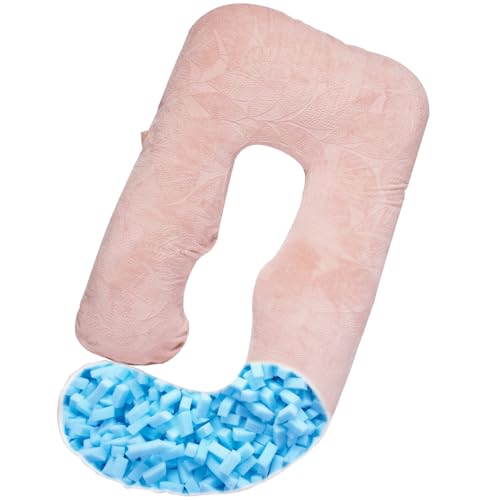
Start with how you actually use the pillow, because that decides its shape more than any single feature claim. A straight pillow suits sleepers who hug one pillow all night, while a U shaped pillow wraps around the body and suits people who shift between sides. A wedge style pillow works better for readers and for people who sit up in bed for long stretches.
For First Time Buyers
First time buyers should keep the choice simple and focus on length, washability, and a fill that holds its shape. A standard length pillow that runs about 48 to 54 inches suits most adults, and a removable, machine washable cover makes regular cleaning easy. Choose a medium fill that you can compress slightly but that springs back, since a very soft pillow may flatten under your hips by morning.
A good first pillow also lets you try your preferred sleeping position without a large investment. Spend in the budget to midrange band first, about $30 to $80, and note whether you wake with your knees and hips feeling aligned. If you share a bed, check that the pillow leaves enough room for your partner before you commit to a larger shape.
For Gift Shoppers
Gift shoppers should favor safe, versatile choices over unusual shapes. A straight or lightly curved pillow in a neutral color fits most beds and most sleepers, and a washable cover is a practical bonus for any recipient. Look for a clear return policy and a care label that explains washing in plain language, since a gift that is hard to clean quickly becomes a burden.
When you buy for someone else, avoid guessing at firmness too boldly and choose a medium fill instead. You can add a note suggesting the recipient try the pillow for a few nights and swap the cover or adjust the fill if the maker allows it. For related comfort reading, see our guide to best body pillows for back pain, which covers similar positioning ideas in a broader back comfort context.
For People Who Want the Best Performance
Shoppers who want top performance should look for durable fills, strong seams, and covers that stay cool through the night. Shredded memory foam with an adjustable inner case lets you add or remove fill until the loft matches your shoulder width and hip position. Latex fills hold their shape longer and resist flattening, though they usually cost more and feel springier than foam.
Performance also means honest tradeoffs. A cooling cover can help hot sleepers, but it will not fix a pillow that is the wrong length for your bed. A premium pillow in the range of about $80 to $150 should offer a longer warranty and a trial period, and it should keep its loft after months of nightly use rather than sagging in the middle.
Key Features to Compare
The features below matter because each one changes how the pillow supports your body through the night. Compare them side by side in the product table above, and weigh the ones tied to your sleeping position most heavily.
Material and Fill
Memory foam molds to your body and holds a position well, which suits sleepers who stay on one side for hours. Latex feels more responsive and keeps its shape, while down alternative fills feel soft and light but may need frequent fluffing to keep their loft. Cotton percale covers feel crisp, sateen covers feel smooth, and bamboo derived covers often feel cool to the touch.
Check the fill weight and the cover material separately, since a good cover cannot rescue a weak fill. Look for certifications such as CertiPUR US for foam or OEKO TEX for textiles, which relate to the materials used and their chemical content in general terms. Avoid fills that arrive with a strong chemical smell that does not fade after airing, and confirm that the whole pillow or at least its cover can be washed.
Features That Matter for Lower Back Pain
Lower back comfort depends mostly on alignment, not on softness alone. When you lie on your side, a body pillow placed between your knees can keep your hips level and stop your top leg from pulling your spine out of line. When you lie on your back, a pillow under or beside your knees can ease the arch in your lower back, while a pillow hugged against your chest can stop you from rolling onto your stomach.
Look for a fill firm enough to keep that alignment all night, and a length that reaches from your chest to below your knees. A pillow that is too short forces you to choose between supporting your upper body or your legs, and neither choice holds your posture well. This article offers general fit and comfort guidance only, and it makes no treatment claims. See a doctor if your pain persists or worsens, or if you notice numbness or weakness in your legs.
Motion Isolation and Noise
Motion isolation matters when you share a bed, because a pillow that shifts loudly or bounces can wake your partner each time you turn. Dense foam and shredded foam tend to absorb movement quietly, while crinkly covers and loose fills can rustle with every shift. Check this by pressing and rolling on the pillow in the store if you can, or read the return policy carefully when you buy online.
Noise also comes from zippers and inner cases, so a well made cover with a covered zipper helps. If you are a light sleeper, favor a pillow with a soft, quiet cover and a fill that does not squeak when compressed. A pillow that stays in place also reduces the need to readjust it, which keeps both sleepers resting longer. For a related comparison, see our guide to best pillows for lower back pain, which looks at standard pillows for the same comfort goal.
Size and Fit
Length is the first size question, and it should match your height and your bed. Sleepers under about 5 feet 6 inches often do well with a pillow near 48 inches, while taller sleepers may need 54 inches or more to support chest and knees at once. Width and loft matter too, since a very thick pillow can push your neck out of line when you hug it close.
Check your bed size before ordering, because a U shaped pillow can take up a large share of a full size bed. Measure the space left for your partner and leave room to turn over without pushing the pillow off the bed. Cover fit matters as well, so confirm that replacement covers match the pillow length you choose.
Common Mistakes to Avoid When Buying Body Pillows
- Judging by price alone, which can leave you with a pillow that flattens within weeks and costs more to replace.
- Ignoring the fill type, since foam, latex, and down alternative behave very differently over a full night.
- Buying a pillow that is too short to support both your upper body and your knees at once.
- Skipping the care label, which can turn a washable pillow into a cleaning problem after the first spill.
- Forgetting to check the return policy, which matters when firmness feels different at home than in a store.
Care and Maintenance Tips
Rotate and fluff your pillow regularly so the fill wears evenly instead of packing down on one side. Wash the pillowcase weekly in warm water, and use a pillow protector to guard the fill against sweat and spills. Air the pillow out of direct sunlight when it starts to smell stale, and follow the maker care label before putting any fill in a machine.
Replace the pillow when it no longer springs back after fluffing, or when lumps and flat spots change how you lie. Most fills last one to three years with nightly use, though latex often lasts longer than down alternative. For neck focused options, see our guide to best pillows for neck and lower back pain, which covers combined neck and lower back positioning.
Frequently Asked Questions
What features matter most in body pillows for lower back pain?
Length, firmness, and fill durability matter most, because they decide whether the pillow holds your hips and knees in line all night. A pillow long enough to reach from chest to knees, with a medium to firm fill that resists flattening, supports side and back sleepers best. A removable washable cover and strong seams add practical value, since a pillow you cannot clean easily will not last. Avoid choosing by softness alone, because a very soft pillow often collapses under your hips before morning.
What firmness is best for back pain?
Medium to medium firm usually works best, because it supports your body without pushing your spine out of line. A very soft pillow lets your hips sink and twist, while a very firm pillow can press uncomfortably against your ribs and knees. Your body weight also matters, since heavier sleepers compress soft fills more and often need a firmer fill to keep alignment. Try the pillow for several nights before judging, and see a doctor if pain persists or worsens or comes with numbness or weakness.
How often should I replace my body pillow?
Most body pillows need replacing every one to three years, depending on fill and nightly use. Foam and latex usually outlast down alternative, which flattens faster and needs frequent fluffing. Replace the pillow when it stays flat after fluffing, develops lumps, or no longer keeps your knees and hips aligned. A fresh protector and regular washing can stretch its life, but no amount of fluffing restores a fill that has broken down inside.
Are cooling body pillows worth it for hot sleepers?
Cooling body pillows can be worth it if you regularly wake warm, but the benefit comes from the cover and fill breathability rather than any single cooling claim. Bamboo derived and cotton covers breathe better than heavy synthetics, and shredded fills allow more airflow than solid foam blocks. A cooling pillow will not lower your room temperature, so pair it with light bedding and a cool room for the best result. If you sleep cool already, spend the extra money on fill quality instead.
How do I wash body pillows safely?
Start with the maker care label, since washing rules differ sharply between fills. Most covers can be machine washed in warm water and tumble dried on low, while many foam fills should only be spot cleaned and aired. Use a gentle detergent, avoid fabric softener on memory foam, and dry the pillow fully before use to prevent mildew. A protector washed weekly keeps the fill cleaner between deep washes and extends the time between replacements.
Final Thoughts
Choose by length, fill, and firmness first, and let price and cover features follow those three decisions. A pillow that matches your height, holds its shape through the night, and fits your bed will serve you far better than a softer or cheaper option that flattens by morning. Check the product table above once more, compare the fills side by side, and pick the shape that fits the way you actually sleep.
The best body pillows for lower back pain are the ones that keep you aligned, stay comfortable all night, and survive regular washing. For a broader view of back comfort pillows, see our guide to best pillows for back pain. Talk with your clinician about personal needs if pain continues, and treat this guide as fit and comfort help rather than medical advice.


