Best Boots for Plantar Fasciitis: Matching the Right Boot to Your Routine in 2026
Disclosure: We may earn a commission when you buy through links on this page, at no extra cost to you. As an Amazon Associate I earn from qualifying purchases. Learn more
Compare the best boots for plantar fasciitis by routine, fit and comfort features, with honest limits on what footwear can do and when to see a clinician.
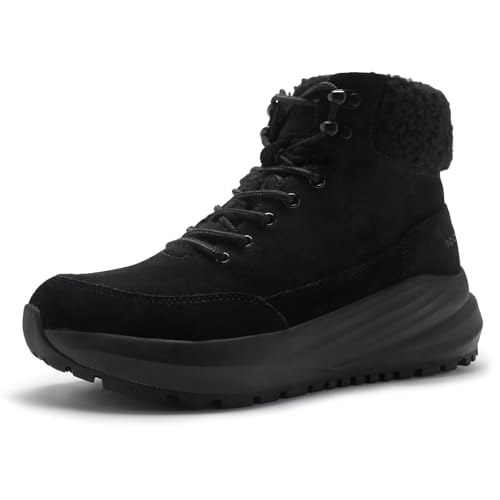
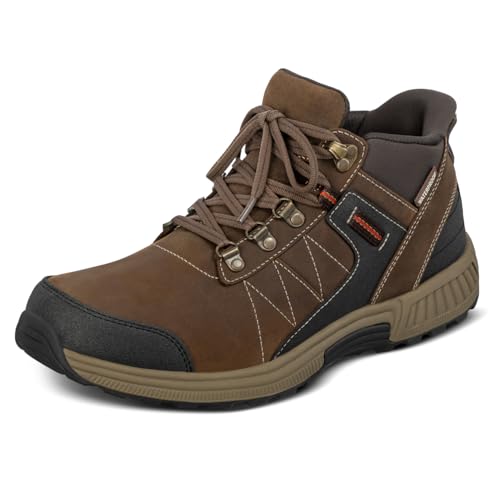
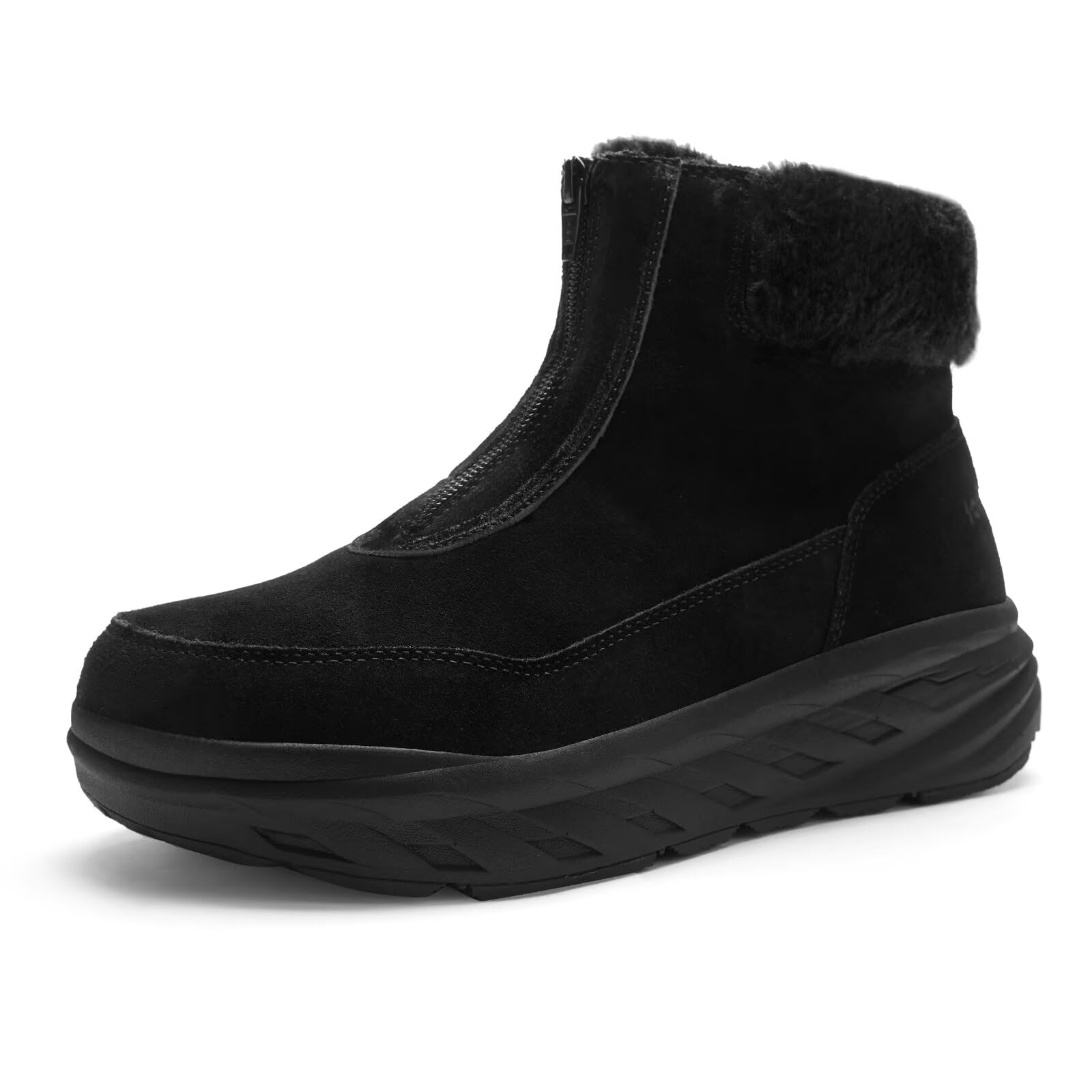
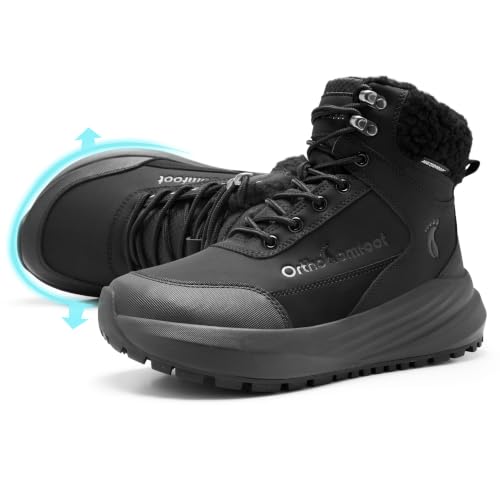
There is no single boot that suits every foot, every job and every day. A pair that feels fine for short errands can feel wrong by the end of a long shift, and a stiff outdoor boot can be a poor match for smooth indoor floors. This guide compares the best boots for plantar fasciitis by routine first, so you match the boot class to the hours, surfaces and weather you actually face.
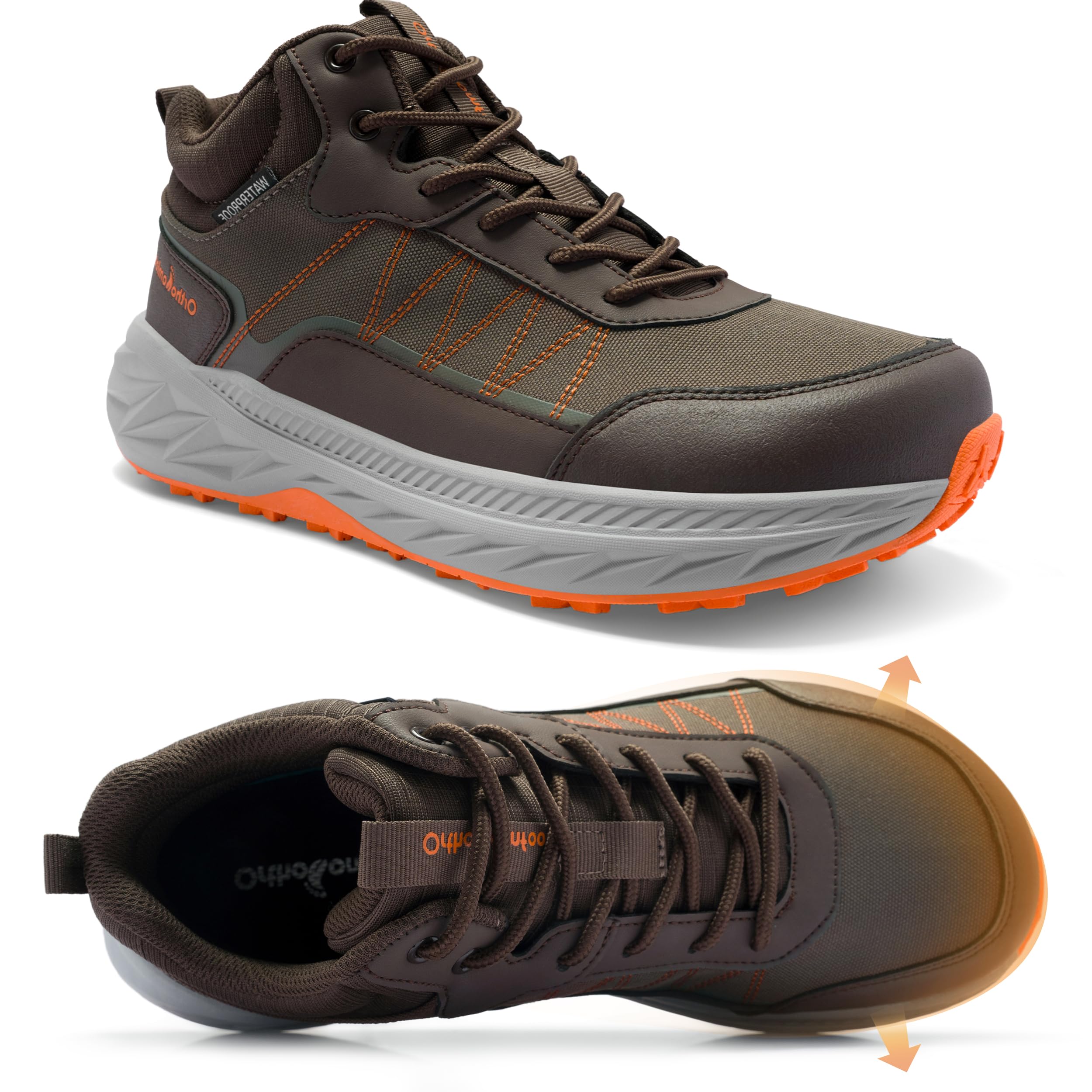
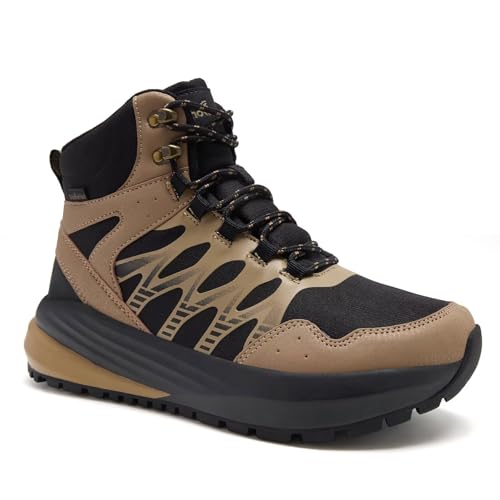
One limit needs stating plainly before anything else. Boots are footwear, bought for comfort and fit, and a boot does not treat, cure, prevent or relieve plantar fasciitis or heel pain. What a well chosen boot can do is fit your foot properly, feel steady under you and suit the demands of your day. The comparison table below lays out the main boot classes side by side so you can see those differences at a glance.




When to See a Clinician Before You Shop
Foot pain is a symptom, not a shopping problem, and some situations call for medical advice before footwear enters the picture. A podiatrist or another clinician who works with feet can examine the foot, ask about when the pain started and tell you whether a footwear change is even the right next step. Professional foot care associations give the same basic advice: get checked first when the picture is not simple.
See a clinician before you rely on new boots if any of the following sound familiar:
- Your pain is persistent or getting worse over several weeks rather than easing.
- The pain began after an injury, a fall or a twist of the foot or ankle.
- You notice numbness, tingling or a burning feeling in the foot.
- The pain changes how you walk, so you limp or shift your weight to avoid it.
- There is swelling, bruising or a spot that is tender to a direct press.
None of this means boots do not matter. It means the boot decision comes after the health decision, and a clinician can also tell you what kind of fit or firmness suits your situation. Shopping with that guidance is slower at the start and far more useful than guessing.
What a Boot Can and Cannot Do
A boot can hold your foot securely so it does not slide and rub through the day. It can give you a sole that feels cushioned or firm underfoot, a toe box with room to spread your toes and a shaft that supports the ankle area on uneven ground. It can also leave room inside for thicker socks or for an insert you already own.
A boot cannot change the condition of the tissue in your foot, correct the way you walk or replace rest and medical care. If a product page suggests a boot will fix heel pain, treat that as a warning sign about the seller rather than a fact about the boot. Judge every pair in this guide on fit, comfort and suitability for your routine, because those are the honest grounds for choosing.
Add On Parts and Other Footwear Are Separate Purchases
Buyers often meet several related product classes in one search, and they are not interchangeable. Removable insoles are a component you place inside a boot, and guides to best plantar fasciitis insoles cover that separate insert purchase on its own terms.
The same classification applies to best inserts for plantar fasciitis, which are again parts for a boot you already own rather than a boot in themselves. It also applies to best shoe inserts for plantar fasciitis, a component class sold by trim size and thickness, not a footwear decision.
Lighter footwear sits in a different class again. Shoes give up the shaft and much of the weather protection of a boot, and best shoes for plantar is a separate shopping decision for days when a full boot is more than you need. Sandals are an open footwear class for warm weather and short wear, and best sandals for plantar fasciitis belongs to that class rather than to a boot search.
Matching the Boot to Your Routine
Start with the day you repeat most often, not the hardest day you can imagine. The four routines below cover most boot buying, and each one points to a different balance of cushioning feel, firmness, weight and weather protection.
Long Shifts on Hard Floors
Warehouse, retail, kitchen and workshop work keeps you on concrete or tile for hours at a time. For this routine the priorities are a sole that feels cushioned under the heel and forefoot, a heel cup that holds the foot without sliding and a total weight that does not tire your legs by mid shift. Mid height work style boots with foam midsoles are the usual class here. Try them on late in the day, when your feet are at their largest, and walk on a hard surface in the shop rather than carpet.
Outdoor Work and Uneven Ground
Yard work, site visits and farm tasks add mud, slopes and loose stone to the picture. Here the sole matters more than softness: look for deeper lugs, a firmer feel underfoot and a shaft height that keeps grit out and steadies the ankle area. Water resistant leather or a membrane upper earns its place in this routine. A very soft sole can feel pleasant in the shop and tiring on rutted ground, so match the firmness to the terrain rather than to first impressions.
Walking Heavy Days and Errands
Some routines are mostly pavement, school runs, dog walking and standing in queues. Lighter boots with a moderate cushion and an easy on and off design suit this pattern better than heavy duty pairs. Flex at the forefoot matters because you bend the boot thousands of times a day. A padded collar and a roomy toe box keep the fit comfortable as feet swell slightly with distance.
If most of your walking is on flat, dry ground, you can trade some traction and weather protection for lower weight.
Cold Weather and Snow Days
Winter routines change the fit question, because thick socks take up room inside the boot. Insulated classes with taller shafts and deep lug soles are the standard answer, and the sizing needs to be tested with the socks you will actually wear. A boot that fits perfectly with thin socks can pinch with winter socks, and a pinched fit is a comfort problem all day. Traction on packed snow and ice becomes the deciding feature, ahead of cushioning feel.
Key Features to Compare
When you compare the best boots for plantar fasciitis across brands, the same five factors decide most purchases. Each factor below changes how the boot feels in use, and none of them turns a boot into a treatment.
Cushioning and Heel Padding
Cushioning describes how the sole and footbed feel at each step. Thick foam midsoles feel soft and forgiving on hard floors, while denser builds feel firmer and more stable on rough ground. A padded heel counter adds a gentle hold at the back of the foot and reduces rubbing during the break in period. There is no correct softness for everyone: match the feel to your surface, with softer builds for concrete and firmer builds for trails and yards.
Firmness and the Footbed
The footbed is the surface your foot rests on, and its shape changes the feel of the whole boot. Contoured footbeds cup the heel and fill the arch area, which many wearers describe as a more settled fit. Flat footbeds leave more room and suit feet that dislike any pressure from below. Many boots ship with a removable footbed, and that removability is a fit feature: it lets you adjust the volume inside.
Heel to toe drop, the height difference between heel and forefoot, also changes the feel, with lower drops feeling flatter and higher drops feeling more tipped forward.
Fit, Sizing, and Toe Box
Measure both feet in the afternoon, when they are slightly larger, and size for the bigger foot. Your toes should clear the end of the boot with room to wiggle, and the widest part of your foot should sit at the widest part of the boot. A toe box that tapers hard will crowd the toes on long days even when the length is right. Heel slip of more than a small amount in the shop rarely improves with wear, so treat it as a sizing problem rather than something to tolerate.
Break In and First Week Comfort
Most leather and heavy synthetic boots need a break in period of short wears before they feel like yours. Start with an hour or two around the house, then a short outing, and build up over a week or so. Stiff areas soften, and the footbed compresses to your shape. Rubbing, hot spots or pinching that stays in the same place is information: it usually means the size or the class is wrong for your foot, and the return window matters more than patience.
Outsole Traction and Terrain
The outsole is the tread that meets the ground, and its pattern should match your surfaces. Deep, spaced lugs grip mud and loose ground and shed dirt as you walk. Shallow, close patterns suit wet pavement and indoor floors, where they keep more rubber in contact with the surface. Very smooth soles are the wrong choice outdoors in winter.
Rubber compounds also differ, with softer compounds gripping better and harder compounds lasting longer, so choose the balance your routine needs.
Common Mistakes to Avoid When Buying Boots
- Expecting the boot to fix the problem. Boots change fit and comfort only, and pain that persists needs a clinician, not a more expensive pair.
- Buying by price alone. The cheapest boot in the wrong class costs more in the end than a mid priced boot that matches your routine.
- Sizing up for softness. A boot that is too long slides and rubs; choose the right size and get the feel you want from the cushioning class instead.
- Skipping the break in period. A full shift or a long hike in brand new boots is how blisters and sore spots happen.
- Ignoring the return window. Fit problems show up in the first week, so buy from a seller whose returns let you test the boots indoors first.
Care and Maintenance Tips
Boots last longer and keep their fit with simple habits. Air dry wet boots at room temperature away from direct heat, since radiators and fires can crack leather and warp soles. Stuff them loosely with newspaper to hold the shape while they dry. Rotate two pairs if you wear boots daily, because a rest day lets the cushioning recover its shape and the lining dry fully.
Brush mud off outsoles before it dries hard, and clean uppers according to the material, with conditioner for smooth leather and a soft brush for suede and nubuck. Check the heel and lugs for wear every few months. A sole worn smooth on one side changes how the boot feels underfoot, and that is a sign the pair is near the end of its useful life.
Boots: Your Questions Answered
What features matter most in boots for plantar fasciitis?
Fit matters first: the right length, a toe box with room and a heel that stays put without slipping. After fit, match the cushioning feel and firmness to your surface, softer for hard floors and firmer for rough ground. A removable footbed adds fit flexibility. None of these features treats the condition; they decide how comfortable and steady the boot feels while you wear it, which is the honest basis for choosing.
How should boots fit?
Boots should feel snug at the heel and midfoot and roomy at the toes. Try them in the afternoon with the socks you plan to wear, and allow roughly a thumb width of space in front of your longest toe. Walk, turn and step up and down in the shop if you can. A small amount of heel movement in a stiff new boot is normal, but rubbing or pinching in one exact spot usually is not.
Do I need waterproof boots?
You need waterproofing only if your routine includes wet ground, rain or snow. A waterproof membrane keeps water out but also makes the boot warmer and slower to dry once it gets wet inside. For dry indoor and pavement routines, a breathable upper is usually the more comfortable choice. Decide by counting your wet days in a normal month rather than by imagining the single wettest day of the year.
How long is the break in period?
Most boots feel settled after about a week of gradually longer wears, though heavy leather pairs can take longer. Build up from short indoor wears to a full day over several outings. The boot should feel more flexible and the footbed more shaped to you as the days pass. If one spot still rubs or pinches after a fair break in period, the fit is wrong and more time rarely fixes it.
Are expensive boots worth it?
Higher prices usually buy better materials, more durable soles and more consistent sizing rather than a different category of comfort. For daily wear on hard floors or rough ground, that durability can be worth paying for. For occasional light use, a mid priced boot in the right class is often the smarter buy. Spend on the class and fit your routine needs, and be suspicious of any price justified by health claims instead.
Wrapping Up
The short version is routine first, fit second, features third. Decide which of your days the boots must serve, get the size and toe box right with afternoon feet, and then choose the cushioning feel, firmness and tread that match your surfaces. Keep the health boundary in view as you shop: the best boots for plantar fasciitis are the pair that fits your foot and your day in comfort, and pain that persists or worsens belongs with a clinician. Look back at the product table above to compare the classes side by side before you decide.