
Best Boots for Icy Pavements in 2026: Matching the Right Model to Your Routine
Disclosure: We may earn a commission when you buy through links on this page, at no extra cost to you. As an Amazon Associate I earn from qualifying purchases. Learn more

Discover the best boots for icy pavements for your needs. We match features to real use cases so you avoid overpaying and get the right fit the first time.
There is no single boot that suits every icy route, because a treated city pavement, a frozen side street, and a slush covered station approach all ask for something different. The best boots for icy pavements match your usual walk, your socks, and the surface you cross most often. Start with that routine, then use the comparison table below to check grip, height, and insulation.
Think first about distance and exposure. A short walk from a bus stop rewards light weight and easy entry, while a long commute or a full outdoor shift rewards deeper lugs, stronger ankle support, and serious waterproofing. The sections below sort those trade offs by user, so you can rule out boots that solve a problem you do not have.


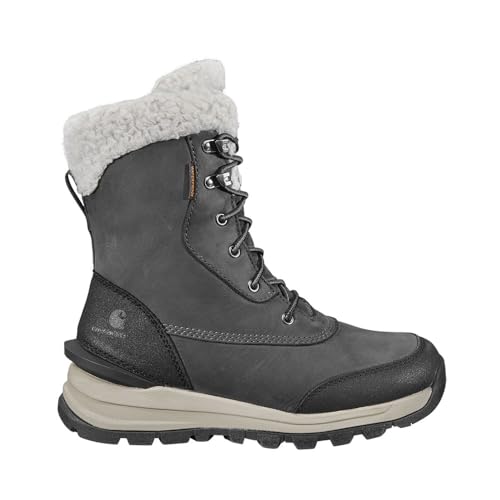
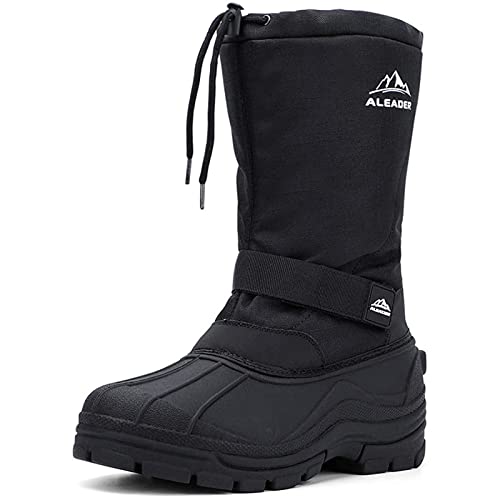
Who Should Buy Which Boots for Icy Pavements?
Pick by the trip you repeat most often in winter, not by the worst storm you can imagine. Your daily distance, the state of the pavement, and how long you stand outside will point you to the right balance of grip, warmth, and weight.
Daily Commuters on Treated City Pavements
You walk on pavements that are gritted or cleared early, with polished ice left at crossings, ramps, and shaded corners. Choose a mid height boot with a moderate lug pattern that still feels flat and stable on dry stone indoors. For route planning on foot, see our guide to the best boots for walking on icy pavements, which focuses on longer distances.
Dog Walkers and Early Morning Walkers on Quiet Streets
You go out before gritters pass, often on untreated side streets where melt water refreezes overnight into smooth sheets. Prioritise the most aggressive outsole you can find, plus a taller shaft that keeps slush and snow out when you step off the cleared line. Warm lining matters here, because early hours are the coldest, and a secure lace system matters when a dog pulls you sideways.
Outdoor Workers Who Stand and Walk All Shift
You spend hours on yards, loading areas, and pavements that freeze again after each thaw, so fatigue matters as much as grip. Choose firm cushioning, clear arch support, and a durable waterproof upper that tolerates salt and repeated drying. A wider fit helps when feet swell during a long shift. If your work rounds cover varied ground, see our guide to the best boots for icy conditions for broader terrain advice.
Key Features to Compare
Compare these factors in order, because grip comes first on ice, then fit, then warmth. A warm boot that slides or pinches will stay in the cupboard.
Fit, Sizing, and Toe Box for Thick Socks
Measure both feet late in the day, when they are at their largest, and try boots on with the thickest socks you plan to wear. Your toes should wiggle freely and never press the front when you walk downhill or stamp lightly to test a slope. A roomy toe box also traps warm air around your toes. If one foot is larger, fit to that foot and use a thicker insole in the other boot rather than sizing down.
Outsole Traction and Lug Pattern on Hard Ice
The outsole does the real work on ice. Look for soft rubber that stays flexible in deep cold, many small edges and sipes that bite into a smooth surface, and lugs of about 4 to 6 mm that clear slush without feeling clumsy on stone. Wide flat contact patches help on polished pavement, while deeper open lugs help on packed snow. Hard shiny rubber and smooth dress style soles are poor choices, because they skate on refrozen melt water.
Features That Matter Most for Icy Pavements
Pavements are hard, flat, and often polished by feet and grit, so they reward edge grip over sheer lug depth alone. Choose soles with siping across the heel strike zone and the forefoot, because those are the two moments when most slips begin. A slight heel breast, the angled front face of the heel, can also catch on a slope. Note that the phrase best boots for icy pavements in a listing means little without those sole details, so read the outsole description before the warmth rating.
Cushioning, Stability, and Arch Support
Pavement is unforgiving, so cushioning protects your knees and heels over a long walk, but very soft foam can feel unsteady when one foot lands on ice. A firmer midsole with a stable base suits most icy routes, and a heel to toe drop of about 8 to 12 mm suits many walkers. Choose stronger arch support if you stand all day. If you feel numbness, lasting ankle pain, or repeated falls even in grippy boots, talk with your clinician about personal needs before relying on footwear alone.
Keeping Slush Out at Puddle Crossings
A waterproof membrane such as Gore Tex keeps melt water and slush out when you step through puddles at crossings, which keeps insulation dry and feet warm. The trade off is breathability, because a sealed boot vents sweat more slowly on a long indoor stretch. Choose a waterproof boot if your route includes slush, puddles, or wet snow. Choose a water resistant upper instead if your pavements are mostly dry and cold, and you value lighter weight.
Built In Grip or Removable Cleats for Icy Pavements?
Some walkers add removable cleats or studs over a normal boot for the iciest weeks. Cleats bite well on sheet ice, and you can take them off before stepping onto indoor floors that they would scratch or slide on. They add a step to every trip, though, and they can shift if the straps do not match your boot shape, so test the fit at home first.
Built in grip is simpler for a daily routine, because the sole is ready the moment you lace up, and it works across mixed ground where ice, grit, and dry stone alternate within a few steps. Most commuters should start here. Keep cleats as an extra for untreated hills or rural lanes. For pavement only routes in town, see our guide to the best boots for icy sidewalks, which covers the same hard flat surfaces under a different street name.
Common Mistakes to Avoid
- Choosing by price alone buys a smooth hard sole that skates on the first polished crossing you meet.
- Ignoring fit with winter socks leaves toes pressed and cold, because tight toes lose warm air and circulation space.
- Buying a size too large lets your foot slide forward, which blisters heels and weakens your control on ice.
- Picking deep snow lugs for polished pavements reduces flat contact, so the boot can feel less secure on hard ice.
- Skipping the return and warranty terms leaves you stuck if the sole delaminates during the first hard freeze.
- Wearing the boots first on a long icy commute risks a fall, because new soles and stiff uppers need a short indoor break in.
How to Make Your Boots Last Longer
Brush off road salt and grit after each icy outing, then rinse the uppers lightly with plain water if white salt marks appear, because salt dries leather and weakens stitching over a season. Air dry wet boots away from direct heat, with the insoles removed and newspaper loosely inside to draw moisture out. Direct heat can crack leather and soften sole glue.
Rotate two pairs if you wear boots daily, so each pair dries fully between outings. Reapply the water repellent finish the maker recommends when water stops beading on the upper. Check lug edges and heel wear each month, and store boots upright in a cool dry place rather than crushed under other shoes.
Boots for Icy Pavements: Your Questions Answered
What features matter most in boots for icy pavements?
Sole grip matters most, followed by a fit that works with winter socks. On pavement specifically, check the heel strike zone for siping, because most slips start as your heel lands. Also weigh how fast the boot dries after a slushy day, since a damp lining makes the next morning colder and can shorten the life of the insulation.
How long is the break in period for boots for icy pavements?
Most boots for icy pavements feel settled after about three to five short wears indoors and on dry ground. Stiff waterproof models can take a little longer around the ankle. Wear them at home first, adjust lace tension at each eyelet row, and only then try a short icy route, so a fit problem shows up before you depend on them.
Can I wear boots for icy pavements all day?
Yes, you can wear boots for icy pavements all day if the fit, arch support, and indoor warmth suit you. In a heated office, insulated models may feel too warm, so loosen laces and change into indoor shoes if you have them. Carry spare socks on long days, because dry socks restore warmth faster than turning up your pace.
How often should I replace boots for icy pavements?
Replace boots for icy pavements when the lug edges look rounded, the heel is worn smooth, or the upper leaks after reproofing. For daily winter use, that is often after two to four seasons. A sole that still looks deep in the middle may already be bald at the heel, where grip matters most on ice.
How should boots for icy pavements fit?
Boots for icy pavements should fit snugly at the heel and midfoot, with clear space in front of your longest toe. Test by walking down a ramp or stairs in the shop, because forward slide shows up there first. Lace firmly over the ankle for slopes, and leave the lowest eyelets slightly looser if the top of your foot feels pinched.
Our Verdict
Start with the outsole, then confirm fit with your winter socks, then choose insulation and waterproofing for your route and shift length. Commuters can go lighter, early walkers need stronger grip and height, and outdoor workers should favour support and durability. Use the product table above to compare those points side by side.
Chosen that way, the best boots for icy pavements become the pair you reach for without thinking, because they grip at crossings, stay warm in slush, and still feel steady when you step back onto dry stone.


